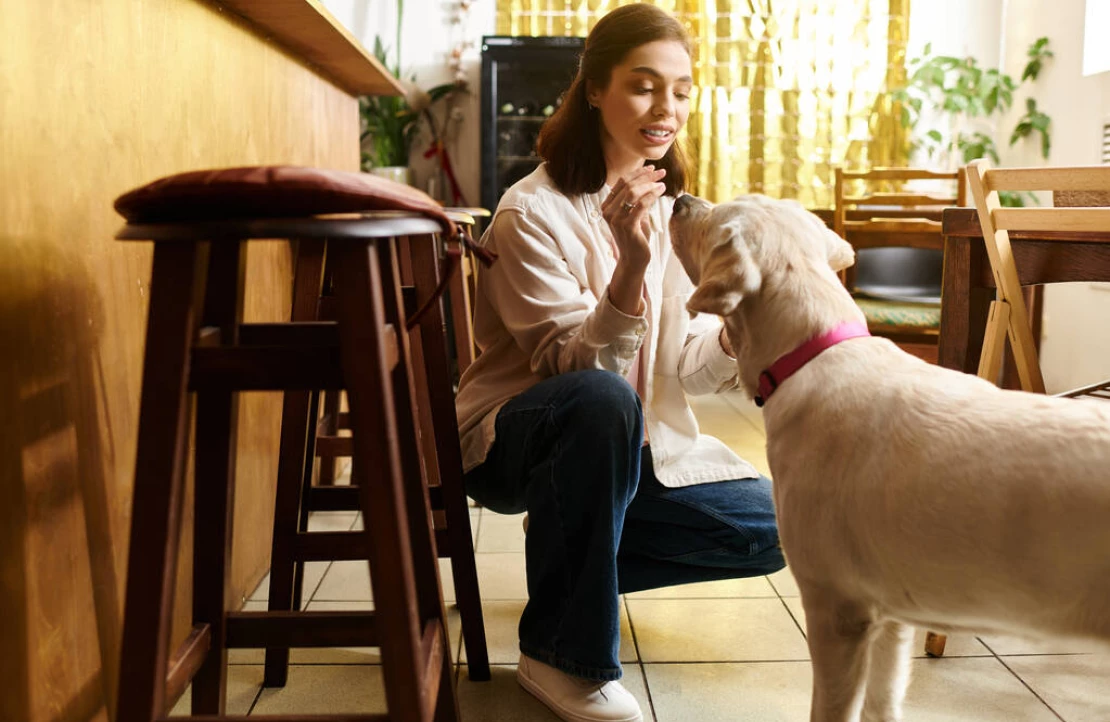
Every pet owner knows that look. The one full of hope, love, and the silent question: "Can I have a bite?" We are used to spoiling our pets by grabbing bright bags of bone-shaped treats or crunchy pillows at the grocery store. But have you ever stopped to think about what’s actually hiding behind that pretty label? Unfortunately, industrial treats are often loaded with preservatives, flavor enhancers, and ingredients of questionable quality that can trigger allergies or digestive issues. That is why conscious owners are increasingly choosing to make treats themselves. Learn more on Tvaryny.
Why Homemade Treats Beat Store-Bought: A Nutritional View
Before heading to the kitchen, it is worth understanding the philosophy of carnivore nutrition. Although dogs and cats have lived side-by-side with us for millennia, physiologically they remain animals with digestive systems wired differently than humans. The main problem with most cheap (and sometimes even expensive) store-bought treats is the excess of carbohydrates and low-quality fillers.
Here are the key benefits of DIY pet food:
- Ingredient Transparency. You use fillets, liver, or vegetables that you see with your own eyes. No "meat by-products of undefined origin" or "animal meal."
- No Harmful Chemicals. Propylene glycol, BHA/BHT (preservatives), and artificial dyes are common in commercial products. At home, your preservative is simple oven-drying or freezing.
- Custom Approach. If your dog is on a diet, you can make low-calorie veggie chips. If your cat needs more hydration, you make jelly treats. This is flexibility no store can offer.
The "No-Go" List: Strictly Prohibited Foods
Kitchen experiments are great, but safety comes first. What is healthy for you could be poison for your pet. Before you start making DIY dog and cat treats, make sure you aren't accidentally using ingredients from the "blacklist."
| Product | Why It's Dangerous | Consequences |
|---|---|---|
| Chocolate (Cocoa) | Contains theobromine, which animals cannot metabolize. | Irregular heart rhythm, seizures, fatal outcome. |
| Xylitol (Sugar substitute) | Causes a rapid insulin spike. | Hypoglycemia, liver failure, death. |
| Grapes and Raisins | The exact toxin is unknown, but the effect is proven. | Acute kidney failure. |
| Onions and Garlic | Contain thiosulfates that destroy red blood cells. | Anemia, weakness, breathing problems. |
| Yeast Dough | Fermentation in the stomach releases alcohol and gas. | Stomach rupture, alcohol intoxication. |
Remember that even a small dose of xylitol (which is often found in peanut butter for people) can kill a medium-sized dog. Always carefully read the list of ingredents you are using as a base.
5 Recipes for Healthy Treats
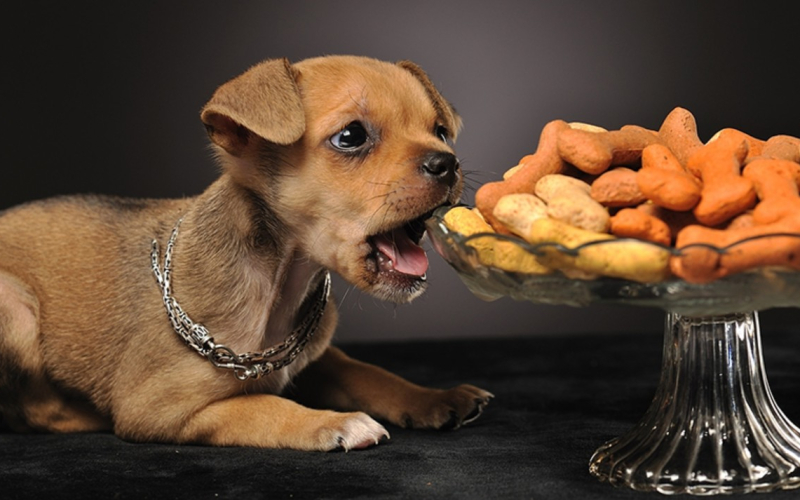
We have selected recipes of varying difficulty and purpose: from "meat bombs" for training to light veggie snacks.
1. Liver Cookies "The Training Motivator" (For Dogs)
Liver is a true superfood for carnivores. It is rich in Vitamin A, B vitamins, iron, and copper. These cookies have a strong scent that drives dogs crazy, making them perfect for training when you need to reinforce a new command.
Ingredients:
- Beef liver - 1 lb (approx. 500g) - it is leaner than pork.
- Chicken egg - 1 large.
- Rolled oats (ground into flour) - about 1 cup. If the dog is allergic to grains, replace with rice flour.
Instructions:
- Clean the liver of any membranes and chop into chunks.
- Puree the liver in a blender until smooth.
- Add the egg and gradually stir in the oat flour. The batter should be thick, like pancake batter, but not too stiff.
- Line a baking sheet with parchment paper and spread the mixture in an even layer (about 0.5 inches thick).
- Bake at 350°F (180°C) for 20–25 minutes.
- Remove, let cool slightly, and cut into small squares (thumbnail size for small breeds, larger for big dogs).
- Tip: To keep the treats from making your pockets messy, you can dry them out in a warm, turned-off oven for another 30 minutes.
Important: Liver contains a lot of Vitamin A. An excess of this vitamin can be harmful, so give these treats in moderation, not as a main meal.
2. Tuna Crunchies "Cat's Delight" (For Cats)
Cats are known for being picky. It's hard to force them to eat something they don't like texture or smell-wise. This recipe uses canned tuna, the aroma of which attracts even the most finicky felines.
Ingredients:
- Canned tuna in water (no oil and no salt!) - 1 can.
- Egg white - 1 large.
- Corn flour (cornmeal) - 2–3 tbsp.
- A pinch of catnip (optional).
Instructions:
- Mash the tuna with a fork along with the liquid from the can.
- Beat the egg white until foamy and gently fold it into the fish mixture.
- Add the flour until the dough becomes pliable. The key is not to overdo the flour so the fish flavor remains dominant.
- Form small balls (pea-sized) or roll out the dough and cut with a knife.
- Bake for 15 minutes at 340°F (170°C). The cookies should be crunchy on the outside but soft inside.
Of course, home cooking is wonderful, but the basis of most pets' diets is still ready-made food. And this is where a serious danger arises. The market is flooded with knock-offs of famous brands. How do you ensure you aren't harming your pet when buying food at the store? We have prepared a detailed guide on how to distinguish original premium pet food from fake products. Make sure to read it, because the quality of the main diet is more important than any treat.
3. Pumpkin-Apple Chews (Dietary)
This option is perfect for dogs prone to weight gain or senior animals that need fiber to improve intestinal peristalsis. Pumpkin is generally a godsend for animal digestion.
Ingredients:
- Pumpkin puree (roast pumpkin and blend) - 1/2 cup.
- Apple (grated finely, peeled and cored) - 1 medium.
- Egg - 1 large.
- Oat flour - as much as the dough absorbs.
Instructions:
Mix all ingredients until you have a firm dough. Roll out a sheet about 1/4 inch thick and cut out shapes with cookie cutters. Bake until golden brown (about 25 mins). These treats come out quite hard, which helps mechanically clean tooth plaque.
4. Meat Jerky "The Long-Lasting Chew" (Hypoallergenic)
This is the simplest, but probably the most expensive recipe in terms of cost. Jerky is simply dried meat. Such a treat is ideal for allergic dogs since there is only one ingredient.
Instructions:
- Take lean beef, turkey, or rabbit. It is essental to remove all visible fat, as fat spoils quickly and can cause pancreatitis.
- Freeze the meat slightly so it is easier to slice.
- Slice the meat into long strips about 1/8 inch (3–4 mm) thick (with the grain if you want the dog to chew longer, or against the grain for brittleness).
- Place on the rack of a dehydrator or oven.
- Dry at 140–160°F (60–70°C) for 4–6 hours. The meat should become dark and completely dry, but flexible—not snapping like glass.
5. Summer Dessert: Frozen Yogurt & Berry Bites
On hot days, animals suffer from overheating too. This dessert will not only cool them down but also provide extra hydration. Suitable for both dogs and cats (if they tolerate dairy).
Ingredients:
- Natural yogurt without additives or sugar (Greek is best) or kefir.
- Blueberries or strawberries (in small amounts).
- You can add a bit of mashed banana.
Simply blend everything together, pour into silicone ice cube trays, and freeze. Give one cube on a hot day. Blueberries are powerful antioxidants, and the probiotics in yogurt are good for gut flora.
Storing Homemade Treats: Don't Ruin Your Hard Work
Since we don't use preservatives, the shelf life of our products is significantly shorter than store-bought counterparts. This is the price of going natural. Improper storage can lead to mold, which releases dangerous mycotoxins.
Here are the basic storage rules:
- Hard Cookies (well-dried): In an airtight container at room temperature - up to 5–7 days. In the fridge - up to 2 weeks.
- Soft Cookies (moist center): Only in the fridge - up to 3–4 days.
- Jerky (dried meat): In a glass jar in a dark place - up to 2–3 weeks. In the fridge - up to 2 months.
- Life Hack: You can freeze any homemade treat! They sit happily in the freezer for 3–6 months. Just take out the needed portion 15 minutes before a walk or training session.
The Psychology of Treating: Don't Turn Love into Obesity
Treats are a communication tool. When you give a dog a piece of dried liver, you are saying: "Good boy, I like what you did." When you treat a cat to a tuna cookie, you strengthen your social bond.
However, there is a golden rule in veterinary dietetics: treats should not exceed 10% of daily caloric intake. If you trained your dog actively today and fed a lot of liver, reduce the portion of their main dinner. Obesity is one of the most common problems in pets, leading to diabetes, joint issues, and heart trouble.
Cook with love, feed with wisdom, and may your furry friends always be healthy and happy!