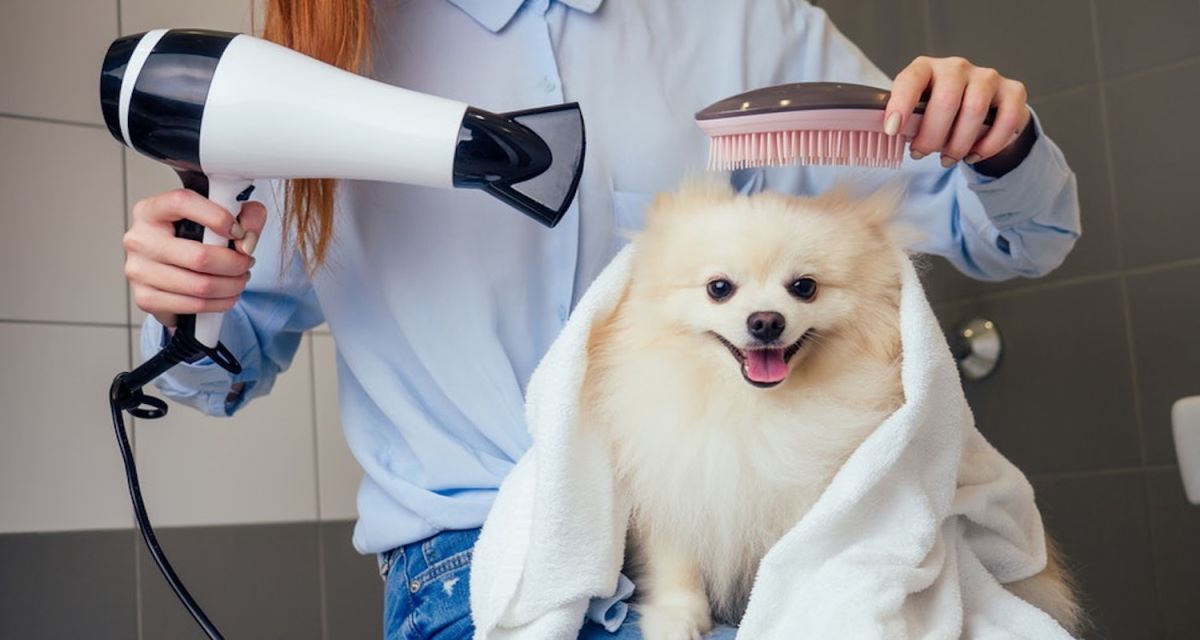
Every dog owner knows that specific, slightly musky and heavy scent that fills the room after a walk in the rain or bath time. The "wet dog" smell has become a bit of a meme, but in reality, it signals biological processes taking place on your pet's skin. Moreover, improper drying isn't just a matter of aesthetics or home fragrance. It is a health issue.
Damp fur, especially in breeds with thick undercoats, creates an ideal "greenhouse effect." It is a paradise for bacteria and fungi. In this article, we'll break down how to dry your dog properly to keep their skin healthy and your home fresh. Read more about this on Tvaryny.
Why is air drying not the best option?
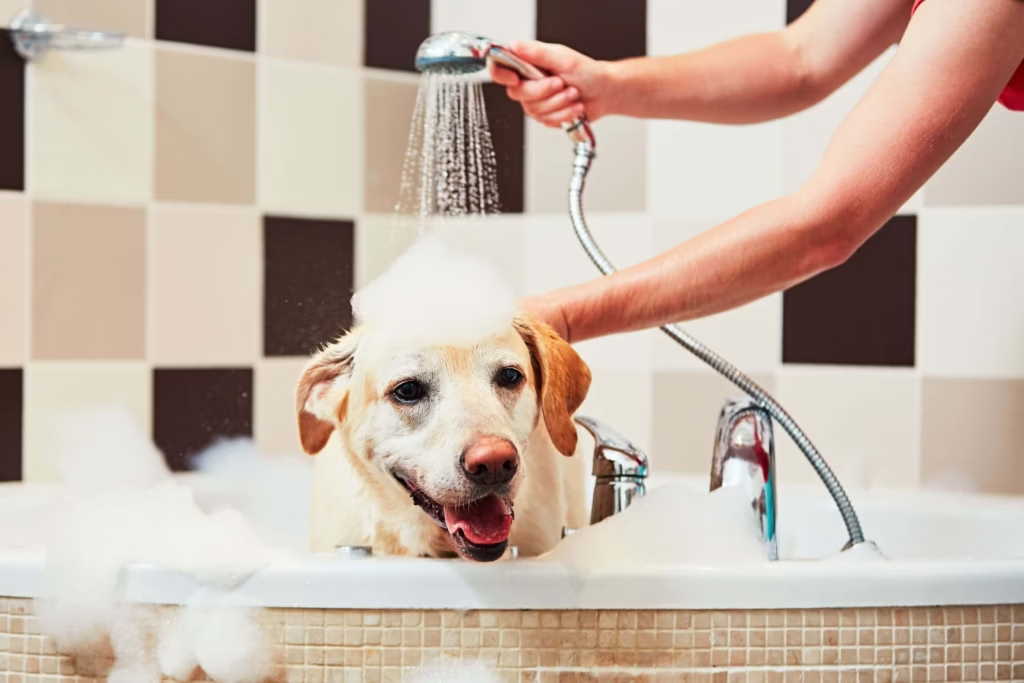
Many owners believe that a dog will just "dry off naturally," as they do in the wild. But domestic dogs, especially decorative breeds or those artificially bred with long coats, differ significantly from their wild ancestors. Here is why you shouldn't rely on the air:
- Risk of hypothermia. Even in a warm apartment, a wet dog can get cold because evaporating water strips body heat. This is especialy dangerous for puppies and senior animals.
- Fungus and "Hot Spots." Damp undercoat that doesn't dry for hours provokes the development of pyotraumatic dermatitis (so-called "hot spots" or eczema).
- Matting. If a long-haired dog isn't brushed while drying, the fur mats into clumps that will eventually just have to be cut out.
Stage 1: Preparation and choosing tools
Before you turn off the water in the shower, make sure you have everything on hand. Running down a wet hallway for a forgotten towel while the dog shakes off onto the wallpaper is a dubious pleasure.
The magic of microfiber
Forget old cotton sheets. Cotton absorbs moisture slowly and quickly becomes a wet rag. A dog owner's best friend is microfiber. Specialized microfiber towels for pets can absorb 5–7 times their own weight in water. They pull water from the fur thanks to the capillary effect of the fibers.
There are also synthetic chamois towels, which work like a sponge: wipe, wring out, wipe again. This is the ideal option for the initial water collection from paws and belly.
Stage 2: Towel technique (No rubbing!)
The most common mistake is intense rubbing of the dog with the towel "back and forth." This is categorically wrong for most breeds.
Important: Rubbing tangles the fur, forms knots, and can damage the hair structure. Plus, it stimulates sebaceous glands to work harder, which actually increases the smell.
Correct technique:
- Squeezing by hand. Still in the tub, gently squeeze water from paws, tail, and ears by hand. Run your palms down the body, sluicing water downwards.
- Blotting. Drape the towel over the dog and press it to the body, as if trying to "drink" the water with the fabric.
- Compression. Wrap a paw with the towel and squeeze for a few seconds. The microfiber will absorb the moisture.
Stage 3: Blow-drying - art and safety
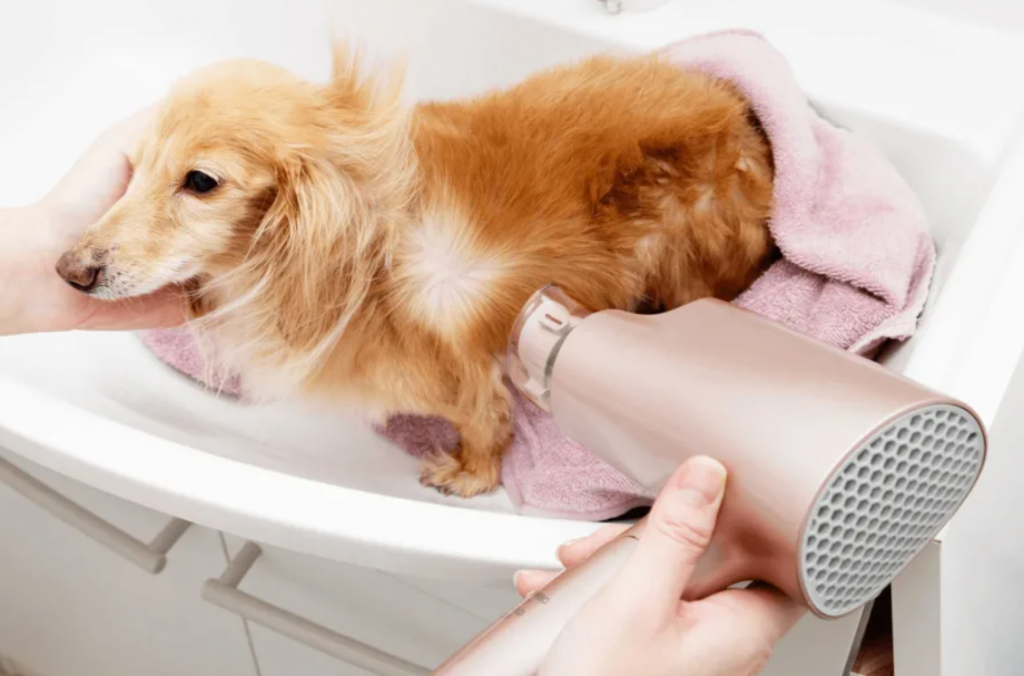
If you have a dog with short hair (for example, a Doberman or French Bulldog), a quality towel might be enough. But for fluffy friends, a blow dryer is mandatory. There are two ways here: a standard human hair dryer or a professional force dryer (compressor).
| Device Type | Pros | Cons | Suitable for |
|---|---|---|---|
| Human Hair Dryer | In every home, quiet mode, heat control. | Weak airflow, overheats fur, long process. | Yorkies, Chihuahuas, puppies, smooth-haired breeds. |
| Grooming Force Dryer (Compressor) | Blasts water out with air power, doesn't overheat skin, massages, saves time. | Expensive, loud (can scare), takes up space. | Huskies, Shepherds, Samoyeds, Goldens, Spaniels. |
Rules for safe work with a dryer
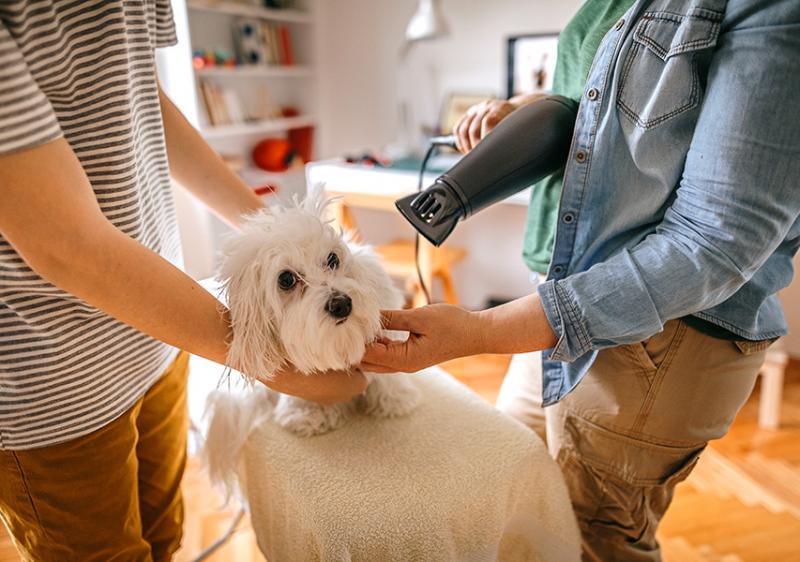
The main rule: the temperature must be comfortable for your hand. If the air burns the back of your hand, it will burn the dog's skin. Canine skin is thinner and more sensitive than human skin.
- Use the "warm" or "cool" air setting. Hot is taboo.
- Keep the dryer 8–12 inches (20–30 cm) away from the skin.
- Keep moving the dryer constantly, don't stay on one spot to avoid burns.
- Direct the airflow with the grain of the fur (for smooth styles) or against the grain (for volume in fluffy breeds), but very carefully so as not to tangle it.
During blow-drying, you have an excellent opportunity to inspect the animal's skin for parasites. Ticks often hide in damp undercoats where they are hard to spot. If you notice suspicious symptoms after nature walks, it's worth knowing about babesiosis (piroplasmosis) and how to recognize the first symptoms of this dangerous disease carried by ticks. A timely check during drying can save a life.
Strategic zones: Ears and Paws
These are high-risk zones that are often forgotten.
Ears
Moisture in the ear canal is a direct path to otitis. After a bath, be sure to blot the inside of the ear with a cotton pad or soft tissue. Do not dig deep with cotton swabs! If the dog has floppy ears (Spaniel, Basset), ensure the fur on the ears is completely dry, otherwise the ear will "steam."
Paws
The space between toes is a favorite spot for yeast fungi. If paws are constantly damp, the fur there turns red-brown (this is a product of the fungus's activity). Thoroughly dry the interdigital space. If the dog won't let you use the dryer there, use paper towels until bone dry.
Battling the "Wet Dog" smell
Why does a dog smell when wet? Microorganisms (yeast, bacteria) live on animal skin. In a dry state, they barely smell. Water breaks down chemical compounds released by these bacteria, freeing odor molecules. When water evaporates, it lifts these molecules into the air - and there you have that "aroma."
How to minimize the smell when drying:
- Full dry. The faster you dry the dog, the less time bacteria have for a "party."
- Conditioner. Use special dog conditioners after shampooing. They close the hair cuticle, making it less porous, and consequently, it absorbs fewer odors.
- Grooming sprays. There are deodorant sprays that are applied to damp fur before drying. They don't just mask the smell, but break down its molecules.
How to get your dog used to the dryer?
Many dogs are panic-stricken by the sound of a blow dryer. This is natural, as for them it is a loud, hot "monster." Here is an action plan:
- Introduction. Show the switched-off dryer to the dog, let them sniff it. Praise them.
- Sound at a distance. Turn the dryer on in another room. If the dog is calm - give a treat.
- Breeze. Switch the dryer to minimum speed and direct the flow not at the dog, but nearby. Gradually bring it closer.
- Association. Drying = treats. Feed the dog or let them lick a treat (for example, from a lick mat) during the procedure.
Seasonal features: Winter vs. Summer
In winter, drying must be perfect. Going out into the frost with damp undercoat is a direct risk of pneumonia. After blow-drying, let the dog "cool down" inside for another 20–30 minutes before the walk to normalize body temperture.
In summer, the temptation to leave the dog wet is great. But remember the greenhouse effect. In the heat, wet undercoat heats up even faster, creating an ideal incubator for bacteria. Therefore, even in summer, dry the armpit areas, under the tail, and behind the ears.
Frequently Asked Questions (FAQ)
Can I dry my dog with a human hair dryer?
Yes, but carefully. Use only cool or lukewarm air. Human dryers get hotter than professional compressors, so the risk of burns is higher.
How often can I wash and dry my dog?
It depends on the breed and lifestyle. If you use high-quality professional cosmetics, you can wash them once every 10–14 days. You can dry paws and belly after a walk (without shampoo) daily.
What should I do if my dog bites the dryer?
This is a sign of fear and a defensive reaction. Do not scold the dog. Reduce the power, move further away, distract their attention with a toy. If the aggression is strong, it might be worth consulting a dog trainer or groomer for adaptation.