
Winter is a magical time of year, filled with the crunch of snow under paws and joyful games. However, for our pets, it also brings hidden dangers. Low temperatures, icy wind, and humidity can lead to serious conditions like hypothermia and frostbite. Every responsible owner should know how to recognize the first warning signs and what to do to save the health, and even the life, of their four-legged friend. Your knowledge is their best protection, and you can read more on this at Tvaryny.
Don't assume that a thick coat of fur is an absolute guarantee of safety. Dogs and cats, especially short-haired breeds, small-sized animals, senior pets, or those with chronic illnesses, are extremely vulnerable to the cold. This article will serve as your detailed guide to prevention and providing emergency first aid for hypothermia and frostbite.
What Is Hypothermia in Animals?
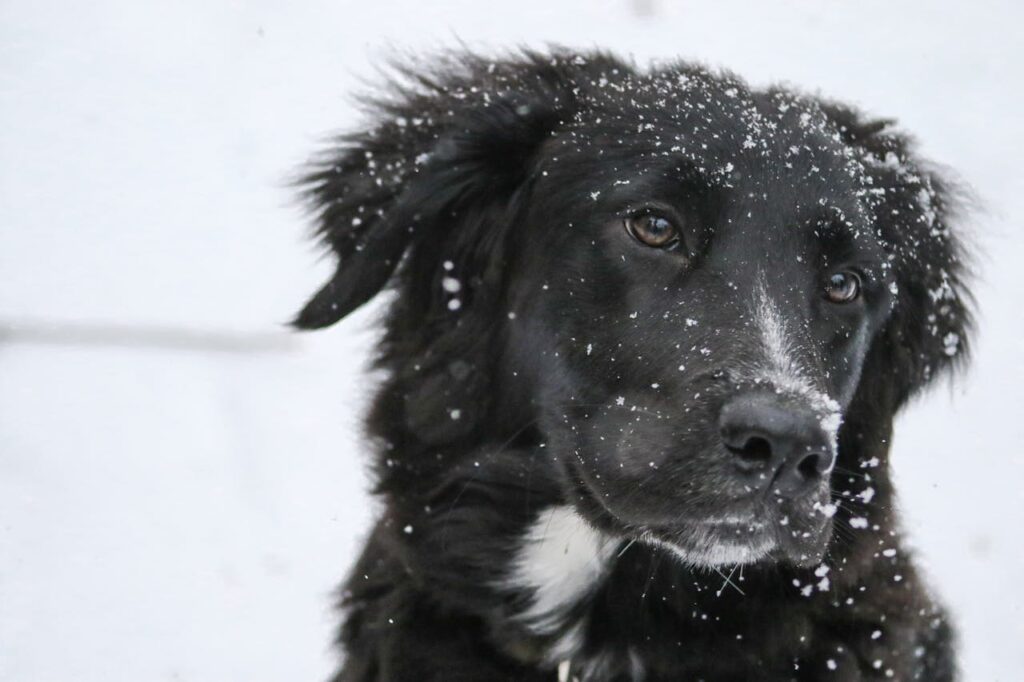
Hypothermia is a medical condition where an animal's body temperature drops below the normal physiological range. For dogs and cats, a normal temperature is considered to be between 37.5–39.0°C (99.5–102.2°F). When the body loses heat faster then it can produce it, dangerous processes are triggered that affect the function of all vital organs, particularly the heart and brain.
Veterinarians identify three stages of hypothermia, each with its own distinct signs:
- Mild Hypothermia (35–37°C / 95–98.6°F): The body is still actively trying to warm itself. This is the initial stage, where providing effective help is easiest.
- Moderate Hypothermia (32–35°C / 89.6–95°F): The body's compensatory mechanisms are beginning to fail. The animal's condition deteriorates significantly and requires immediate assistance.
- Severe Hypothermia (below 32°C / 89.6°F): This is a critical, life-threatening condition. The body's functions are suppressed, and the animal may lose consciousness.
Symptoms of Hypothermia: How to Recognize the Danger
It is crucial to be able to recognize the signs of hypothermia in its early stages. The sooner you notice the problem, the easier it will be to avoid severe consequences. Here are the main symptoms to watch for, depending on the stage:
Signs of the mild stage:
- Strong shivering: This is the very first and most obvious sign. The animal's muscles contract in an attempt to generate heat.
- Weakness, lethargy: The pet becomes less active, may try to hide, or curl up in a ball.
- Ears, the tip of the tail, and paws are cold to the touch.
- Whining, restlessness.
Signs of the moderate and severe stages:
- Shivering stops: This is a very dangerous sign, indicating that the body's energy reserves are depleted.
- Confusion, disorientation: The animal may not recognize you and respond poorly to commands.
- Pale or bluish gums and tongue: This indicates insufficient oxygen saturation in the blood.
- Slowed, shallow breathing.
- Low blood pressure, weak pulse.
- Dilated pupils.
- Loss of consciousness, coma.
What Is Frostbite and What Are Its Symptoms?
Frostbite is damage to body tissues resulting from exposure to low temperatures. The peripheral parts of the body, where blood circulation is weaker, are most often affected:
- Tips of the ears
- The tip of the tail
- Paw pads
- Scrotum in males
Ice crystals that form in the cells destroy them, leading to tissue death. Symptoms of frostbite may not be immediately noticeable. Initially, the affected area becomes very pale, grayish, or bluish, and is cold and hard to the touch. The animal may experience pain when touched. Later, during the rewarming process, the affected skin may turn red, swell, and blisters may appear. In severe cases, the tissues turn black and die within a few days or weeks.
Emergency First Aid: A Step-by-Step Action Plan
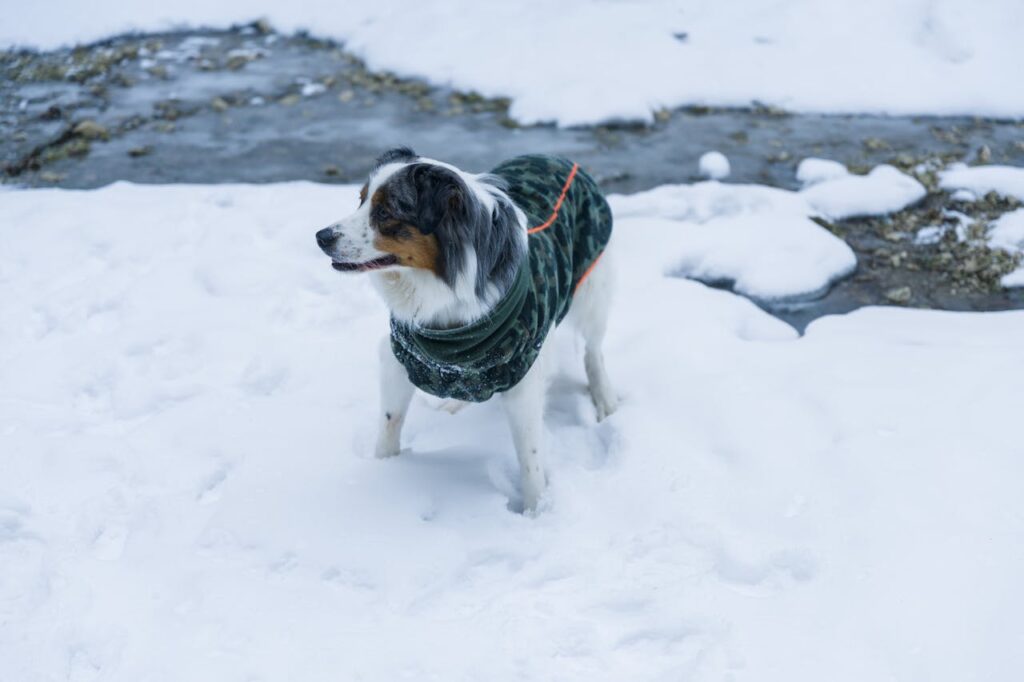
If you suspect your pet has hypothermia or frostbite, the main thing is to act quickly, but without panic. Your correct actions can save their life.
Step 1: Immediately move the animal to a warm, dry room
The first step is to stop further heat loss. Carefully bring your pet inside. If they are large, use a blanket as a stretcher. If their fur is wet from snow or rain, gently dry it with towels.
Step 2: Gradual and careful warming
The key word here is gradual. Warming them up too quickly can cause shock and cardiac arrhythmia.
- Wrap the animal in warm, dry blankets, throws, or towels. You can pre-warm them on a radiator or in a dryer.
- Use heating pads or bottles with warm water. Be sure to wrap them in several layers of fabric to avoid burns and apply them to the animal's body (in the groin area, under the armpits). The water temperature should be comfortable to your hand, not hot.
- If the animal is conscious and can swallow, offer them warm (not hot!) chicken or beef broth. This will help warm them from the inside and restore their blood sugar levels.
Step 3: Aiding with frostbite
If you notice signs of frostbite, act very carefully.
- Do not rub the affected areas! This can lead to even greater damage to the crystallized tissues.
- Do not use direct heat (hair dryer, hot radiators, heating pads) to rewarm frostbitten extremities.
- The best method is warm water compresses or soaks. Immerse the affected area in warm (about 38–40°C / 100–104°F) water for 15–20 minutes.
- After rewarming, gently pat the skin dry; do not rub it. Apply a light, clean bandage to prevent infection.
Step 4: Contact a veterinarian immediately
Even if it seems that your pet's condition has improved, a consultation with a specialist is mandatory. Hypothermia can have delayed consequences for internal organs. A veterinarian will be able to assess the degree of damage, administer warm intravenous fluids, prescribe pain relievers and antibiotics for frostbite, and conduct any necessary examinations.
What You Should Never Do: Common Mistakes
- Do not immerse the animal in a hot bath. This can cause shock and skin damage.
- Do not use electric blankets and heating pads without supervision. An animal that cannot move can easily get burned.
- Do not give the animal alcohol. The common myth that alcohol is warming is extremely dangerous. It expands blood vessels, which leads to even greater heat loss, and is toxic to animals.
- Do not force the animal to move. In cases of severe hypothermia, this creates an additional load on the heart.
Prevention Is the Best Protection

The best way to treat a problem is to avoid it. Follow these simple rules to ensure your winter walks are safe:
- Limit time spent outdoors in frosty, windy, and damp wether.
- Use special clothing and footwear. For short-haired and small dogs, a warm coat is a necessity, not a whim. Booties will protect their paws not only from the cold but also from rock salt and ice melt chemicals.
- Take care of their paws. After each walk, wash and thoroughly dry their paws. Use a protective wax for their pads before going outside.
- Never leave an animal in a car. A car cools down very quickly and turns into a freezer.
- Monitor their diet. In winter, animals expend more energy on staying warm, so a slight increase in the caloric content of their diet may be necessary (consult with your veterinarian).
- Set up a warm sleeping area, away from drafts.
Conclusion
Being attentive to your pet, knowing the symptoms of hypothermia and frostbite, and being able to provide proper first aid are the foundations of safety during the cold season. Do not ignore warning signs and always act on the principle of "better to be safe than sorry." At the slightest doubt, contact a veterinary clinic. May winter bring you and your four-legged friends only joy and positive emotions!