

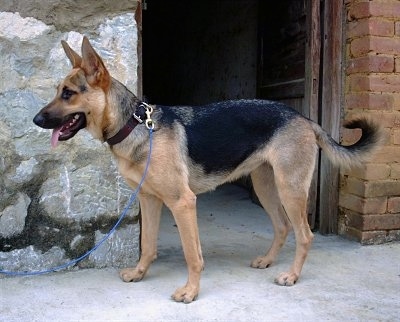
| Height | 61–68 cm |
| Weight | 30–38 kg |
| Lifespan | 12–14 years |
| FCI group | not FCI-recognised (Chinese working) |
| Origin | China (Kunming) |
Exact ratings
Common health issues
Nutrition
The Kunming Wolfdog (Kunming Dog) is a unique, modern working breed developed in China based on German Shepherds and local hybrids. This dog is the embodiment of intelligence, loyalty, stamina and resilience. It is remarkably easy to train, demonstrating impressive succes in learning and various types of service. In China, it is the primary assistant to the military and police, performing tasks that are sometimes beyond the capabilities of technology. Learn more on Tvaryny.
Kunming Wolfdog: a brief overview in figures
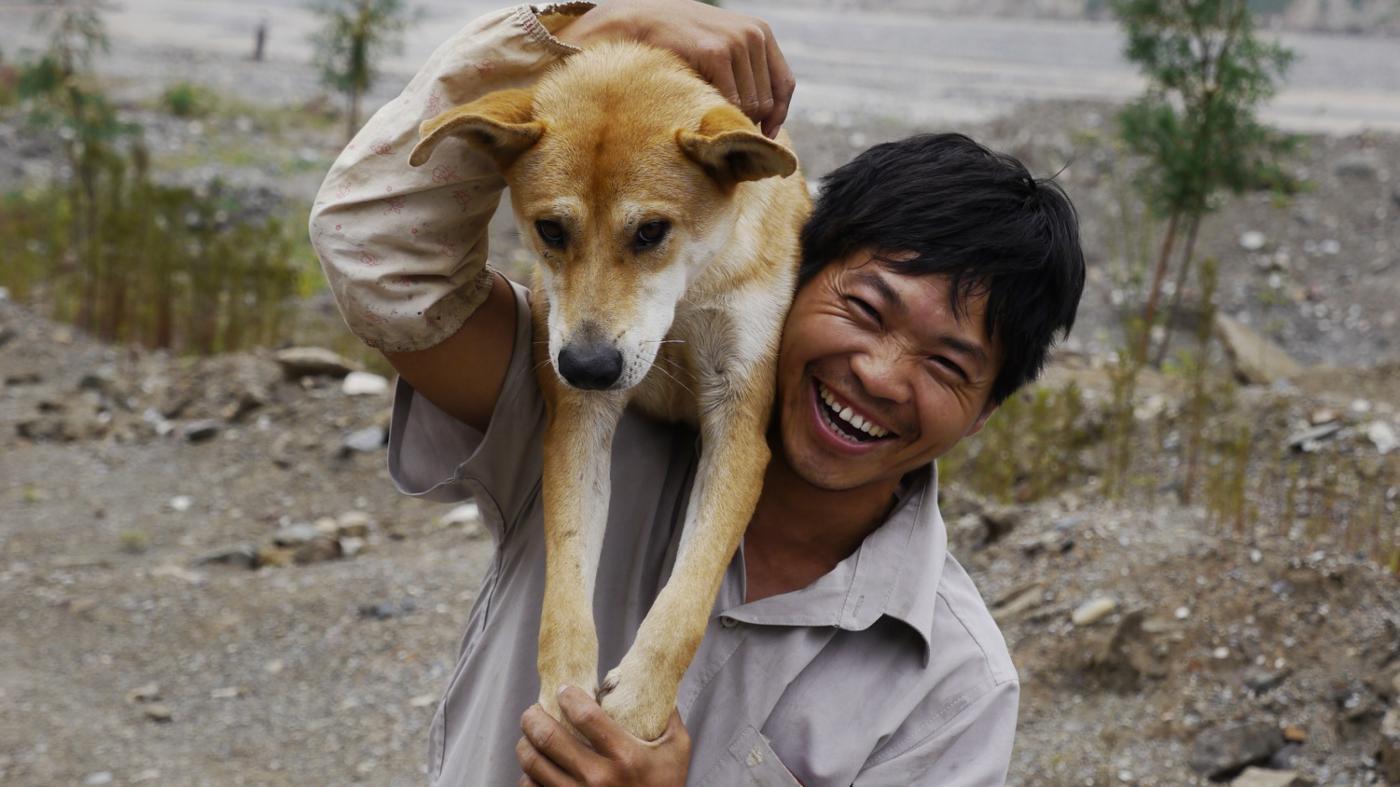
| Characteristic | Data |
| Origin | China (Yunnan Province) |
| Year of first mention / recognition | 1950s (start of work) / 1988 (official recognition in China) |
| Lifespan | 10-12 years (up to 14 with good care) |
| Height at withers | Dogs: 64-68 cm; Bitches: slightly smaller |
| Weight | 30-38 kg |
| Group | Working dogs, companions |
| Coat type | Short, double, with dense undercoat |
History of the breed: from military project to national treasure
The emergence of the Kunming Dog was driven by acute military needs in the mid-20th century. The People’s Republic of China required a versatile, hardy and intelligent dog capable of working in the difficult climatic conditions of Yunnan Province, where high humidity combines with temperature fluctuations and mountainous terrain.
To provide the Chinese army with reliable four-legged assistants, ten German Shepherds trained under the K9 programme were imported from Germany (via Beijing) in 1953. However, simply copying the European breed was not enough. Breeders aimed to give the dog more stamina and adaptability to the local flora and fauna.
These imported dogs were crossed with Beijing Wolfdogs and other local breeds that possessed high working qualities. There is a theory that the blood of real wolves living in the Yunnan mountains flows in the veins of the Kunming Wolfdog, which gave the breed a sharp sense of smell and incredible intuition. Selection was carried out according to strict standards of service characteristics, as the “Chinese blood” was added to the Kunming Wolfdog by well-trained dogs that had also passed a rigorous selection process.
It is worth noting that genetically this breed has much in common with European shepherds. If you are interested in a comparison with its ancestors, we recommend reading about the German Shepherd Dog Shorthaired, which became the foundation for creating the Chinese analogue. Also, many character traits and working drive remind one of another relative – the Malinois Belgian Shepherd, which is also famous for its tirelessness.
Only in 1988 was the breed officially recognised in China under the name “Kunming Wolfdog”. Consequently, the Kunming Dog justified the breeders’ hopes and entered full-time service in the army and police. Today, representatives of this breed assist in guarding, drug detection, rescue operations and, less frequently, become companion dogs.
What the Kunming Wolfdog looks like: detailed description
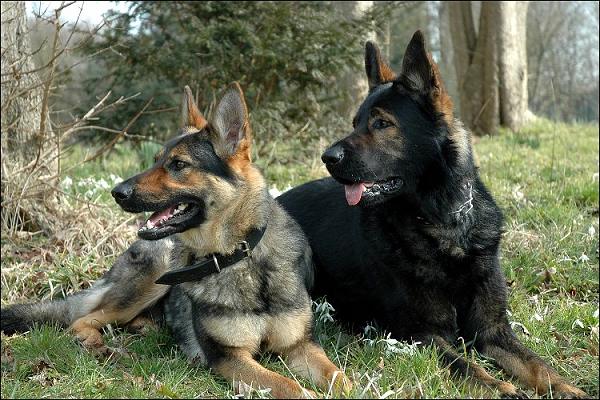
The Kunming Wolfdog has inherited the general appearance of the German Shepherd, but an experienced eye will immediately notice similiar differences. This is not just a “Chinese copy”, but a self-sufficient athlete formed for specific tasks. The Kunming Dog has a lighter, “dry” build, which allows it to be more agile on rough terrain. It often exceeds the German Shepherd in height but looks leaner, without a hint of dampness or heaviness in the bone structure.
Exterior features
- Head: Wedge-shaped, proportional to the body. The muzzle is somewhat longer and narrower than that of German Shepherds, which brings its appearance closer to the wolf type.
- Ears: Large, pricked, set high. They are mobile and react instantly to any sound.
- Eyes: Almond-shaped, dark in colour, with an attentive and penetrating gaze. Intelligence and readiness for action can be read in them.
- Body: The back is straight and strong (unlike the modern show line of German Shepherds, Kunmings do not have a sharply sloping croup). The chest is deep but not too wide.
- Limbs: Long, muscular, with strong joints, adapted for prolonged running.
The coat has a typical zonary or saddle (black-and-tan) colouration, but it is significantly shorter than that of the prototype. This is an evolutionary adaptation to the humid climate of Yunnan – short hair dries faster and catches fewer burrs. Therefore, it is easier to look after the Kunming Wolfdog’s coat. Representatives of the Chinese breed carry their tail half-curled into a ring, which is another important difference. When the dog is in an active, excited state, it lifts and holds it quite high, like a banner.
The Kunming Dog is a fast and strong canine that fully justifies its purpose. Three intra-breed types of colour and constitution are distinguished:
- Black Back: The most similar to classic German Shepherds, strong and calm.
- Straw Yellow: Lighter, often used for search work.
- Wolf Blue: The most active, with a pronounced “wolfish” appearance and high drive.
Character: temperament and behaviour in various situations
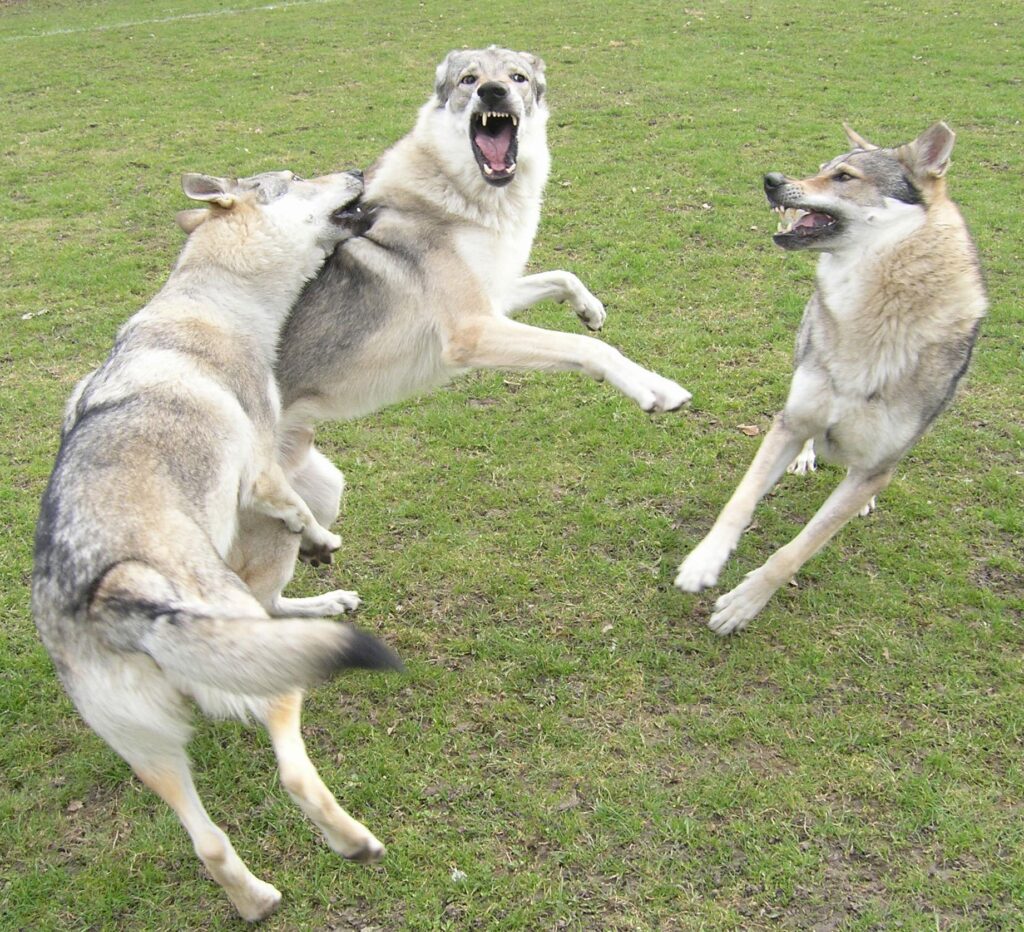
Despite their severe military purpose, Kunming Wolfdogs are surprisingly good family dogs if they fall into the right hands. Their love extends not only to the owner but also to all household members. They are not inclined to choose “one leader” and ignore others, although they sense the hierarchy in the “pack” subtly.
Representatives of the breed get along well with children, showing patience, but, as with any large dog, games should take place under adult supervision. The Kunming Dog treats strangers with innate mistrust. This is not a dog that will wag its tail at every passer-by. The dog’s character contributes to success in guard duty – it warns with a bark but attacks only in the event of a real threat or on command.
It is interesting to compare their temperament with other rare breeds. For example, if you like independent hunters, pay attention to the Cretan Hound, and if you are looking for Asian restraint and loyalty, you might be interested in the Korean Jindo Dog. The Kunming Wolfdog sits somewhere in the middle – it is more people-oriented than the Jindo, but more serious in guarding than many hunting breeds.
Its relationship with the owner is full of devotion and loyalty, so the Kunming Dog can become a good companion for active people. The lively mind and energetic nature of the Kunming Wolfdog require active time spent together. Lying on the sofa is a slow death for this dog’s psyche. Thanks to its character and learning abilities, even a beginner can become an owner of this breed, provided they are ready to devote time to the dog and work with a dog trainer.
Health: typical diseases and prevention
Coat care and hygiene
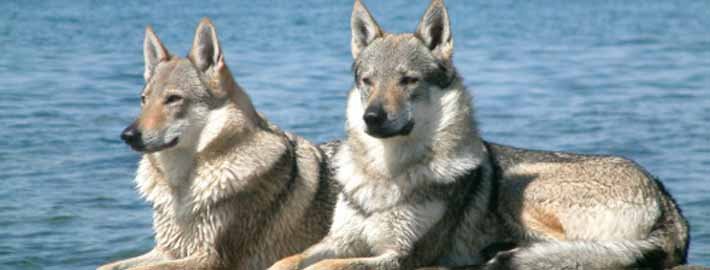
Kunming Dogs belong to undemanding dogs, oriented towards resilience in service. They are hardy and do not require complicated grooming, which is a big plus for busy people. Thanks to the shortened coat, they are easy to maintain in proper condition; you will not have to spend hours untangling mats.
Basic care procedures:
- Brushing: The pet should be brushed regularly (1-2 times a week) with a rubber mitt or brush. During the moulting period (spring and autumn), the procedure should be carried out daily.
- Bathing: Only when necessary. The coat has a natural protective layer that should not be washed off too often.
- Ears: Representatives of the breed sometimes suffer from ear infections, which can be prevented with hygiene procedures. Inspect the ear flap once a week and wipe it with a special lotion.
- Claws: If the dog runs a lot on asphalt, the claws wear down themselves. If not – they need to be trimmed once a month.
But the most important requirement for keeping a Kunming Wolfdog is not a brush or shampoo, but a high level of physical exercise. Daily active walks, a minimum of 2 hours a day, will help prevent bad moods and destructive behaviour in the dog.
Training and socialisation: how to raise a champion
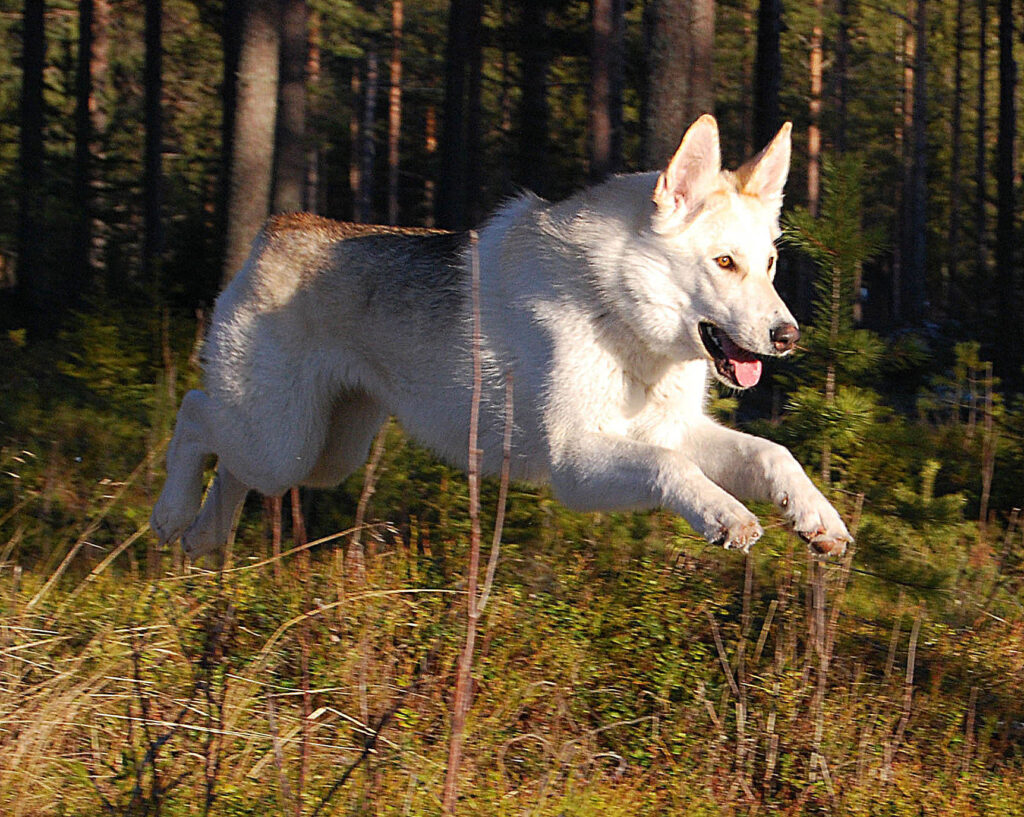
Training this service dog does not present excessive difficulties for a person who understands animal psychology. The Kunming Dog combines a sharp mind and an ardent love for learning! They do not just execute commands; they try to understand exactly what you want from them and often act proactively.
It is precisely on upbringing at an early age that it depends whether the dog will become a vicious guard, dangerous to others, or simply demonstrate intelligent coolness towards strangers while remaining controllable. Socialisation should begin from the first days of the puppy’s appearance in the home: introduce them to various sounds, people, transport and other animals.
Training tips:
- Use positive reinforcement methods. Cruelty with this breed will lead to loss of trust or aggression in response.
- Diversify tasks. Monotonous repetition of “sit-down” will quickly bore a smart dog. Include elements of searching, overcoming obstacles, and tricks.
- The vigorous nature of the Kunming Wolfdog requires active physical loads. Without them, the pet will resort to destructive behaviour (chewing furniture, howling).
The Kunming Dog can be taken with you on a jog or bicycle ride; the dog likes all types of training. They show excellent results in agility, obedience and protection service.
Nutrition: key recommendations for health
Pros and cons of the breed
| Pros (+) | Cons (-) |
| High intelligence: The dog grasps commands literally on the fly. | Need for activity: Not suitable for lazy owners or life in a cramped flat without walks. |
| Undemanding: Adapts to any weather conditions, simple coat care. | Moulting: Seasonal moulting can be very intense. |
| Versatility: Can be a guard, searcher, athlete or companion. | Voice: Likes to “talk” and bark if bored. |
| Health: Genetically healthier than many European shepherds. | Rarity: Hard to find a purebred puppy outside Asia. |
| Devotion to family: Loves children and all members of the “pack”. | Dominance: Can test the owner “for strength” in adolescence. |
Interesting facts about the Kunming Wolfdog
This breed still remains exotic to us, so we have collected a few facts that will surprise you:
- Olympic calm: During the 2008 Olympics in Beijing, Kunming Wolfdogs formed the backbone of the canine units providing security for the games.
- Clone detectives: A programme for cloning the best representatives of the breed was successfully implemented in China. The famous detective dog Huahuangma, who solved dozens of murders, was cloned so that her unique genes would serve further.
- Innate smell: Tests showed that Kunming Wolfdogs find hidden narcotic substances faster than many of their European colleagues, probably thanks to the “wolf heritage”.
Frequently Asked Questions about the breed (FAQ)
Is the Kunming Wolfdog suitable for a flat?
Theoretically yes, if you are ready to walk with it actively for 2-3 hours a day. But the ideal option is a private house with an enclosed garden.
Are they aggressive towards children?
No, this is a family breed. With proper socialisation, they become tender nannies. But it is recommended not to leave very small children alone with any large dog.
Where can I buy a puppy?
This is the most difficult question. Most kennels are located in China. In Europe and the USA/UK, the breed is extremely rare, so one often has to join a waiting list for import.
Video about the breed
- Extremely intelligent and trainable
- A versatile service and guard dog
- Hardier and “leaner” than the GSD
- Devoted and fearless
- A very high energy level — needs work
- Not for a flat or a beginner
- A stronger, less predictable instinct
- Reserved and watchful with strangers
| German Shepherd | Malinois | East European Shepherd | |
|---|---|---|---|
| Height | 55–65 cm | 56–66 cm | 62–76 cm |
| Energy | 4.5 | 5 | 4 |
| Apartment | 2.5 | 1.5 | 2 |
| Beginners | 3 | 1.5 | 2.5 |
How does the Kunming Wolfdog differ from the German Shepherd?
Is the breed suitable for a beginner?
Where is the Kunming Wolfdog used?
Chinese working breed (recognised 2007) · CKU
For apartments · For kids · For beginners · Active · Smartest · Hypoallergenic · All rankings →