not recognised by the FCI (French landrace) · France (Savoy Alps)
Savoy Shepherd
A living legend of the French Alps — a hardy mountain herder-guardian: alert, devoted, clever and self-reliant. The Savoy Sheepdog (Alpine Shepherd) is a rare landrace from the slopes of Savoy that for centuries herded flocks on rocky pastures and guarded them from wolves; it works with its own mind and bonds deeply with the family while staying suspicious of strangers.
Apartment · not suitableKidsCats · with caveatsOther dogsBeginners · with caveats
The Savoy Shepherd(Berger de Savoie / Berger des Alpes) is more than just a dog - it is the living history of the French Alps. The appearance and working qualities of this rare aboriginal breed were honed not in show rings, but through the harsh realities of survival and labour. For centuries, Savoy Shepherds have assisted farmers on pastures and guarded homes, relying not on human commands but on their own intellect and instincts. Possessing lightning-fast reflexes and an innate suspicion of strangers, they make unsurpassed guardians. Read more on Tvaryny.
The Savoy Shepherd: A brief breed overview
The Savoy Shepherd: A brief breed overview · 7
Origin
France (Savoy Alps)
First recorded mention
1946 (official record of recovery), though they have existed for centuries
Life expectancy
15–16 years (long-lived for a large breed)
Height at withers
47–55 cm (females are slightly smaller)
Weight
20–30 kg (muscular, lean constitution)
Purpose
Herder, farm guard, companion for active people
FCI Classification
Not recognised (developing as a national breed)
Interesting facts about the Savoy Shepherd
A Polyglot Dog: Shepherds claim that Savoy Shepherds are capable of distinguishing their master's whistle at a distance of several kilometres and understand up to 50 different gesture commands.
Innate Balance: Thanks to the special structure of their paws and claws, these dogs can climb seemingly inaccessible rocks no worse than mountain goats.
Unrecognised Status: Despite their ancient history, the breed is still not recognised by the world's main cynological organisations as a separate unit, remaining in the status of a "national treasure" and developing through the efforts of enthusiasts.
History of the breed: From Alpine slopes to the modern day
The history of the Savoy Shepherd is inextricably linked to the history of livestock farming in the Savoy region. These dogs have inhabited the Alpine slopes since time immemorial, acting as versatile workers: they herded cows and goats, protected flocks from wolves, and guarded the farmer's property. Unlike the Beauceron, which developed on the French plains, the Savoy Shepherd acquired specific traits necessary for navigating rocky terrain.
For at least several centuries, they guarded human settlements and herds until the 19th century, when their gene pool began to erode rapidly. Industrialisation, a decline in the number of farms, and chaotic crossbreeding with dogs brought in from other areas placed this unique type under threat of extinction. For a long time, the breed was considered effectively lost or completely assimilated.
The revival of a legend
The turning point came in the mid-20th century. In 1947, several typical representatives were discovered in a remote high-altitude village - true Savoy Shepherds that had preserved their blood purity thanks to geographic isolation. Both enthusiast cynologists and scientists, who understood the value of the aboriginal genotype, set about restoring the breed.
Today, the Savoy Shepherd is a purebred descendant of the ancient guardians of the Alps. Although the breed remains low in number and rare outside of France, it has a stable circle of admirers who value its authenticity and lack of "fashionable" breeding interference.
What the Savoy Shepherd looks like: Exterior and features
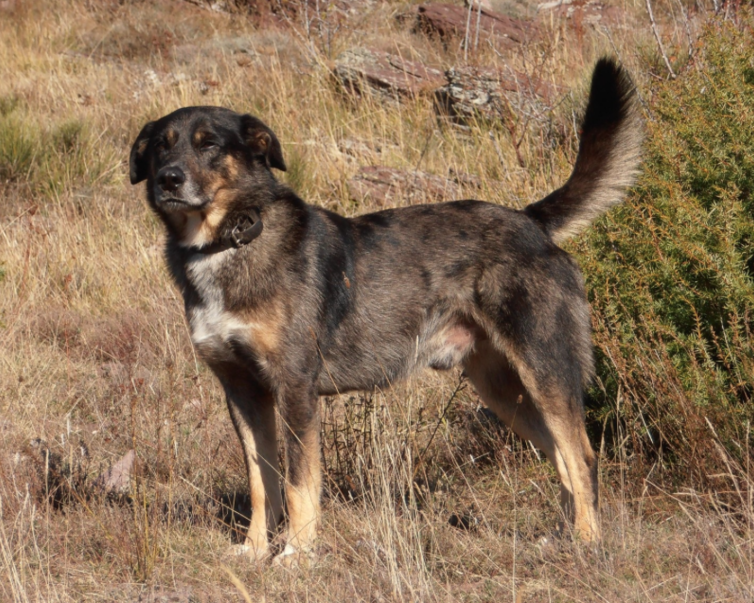
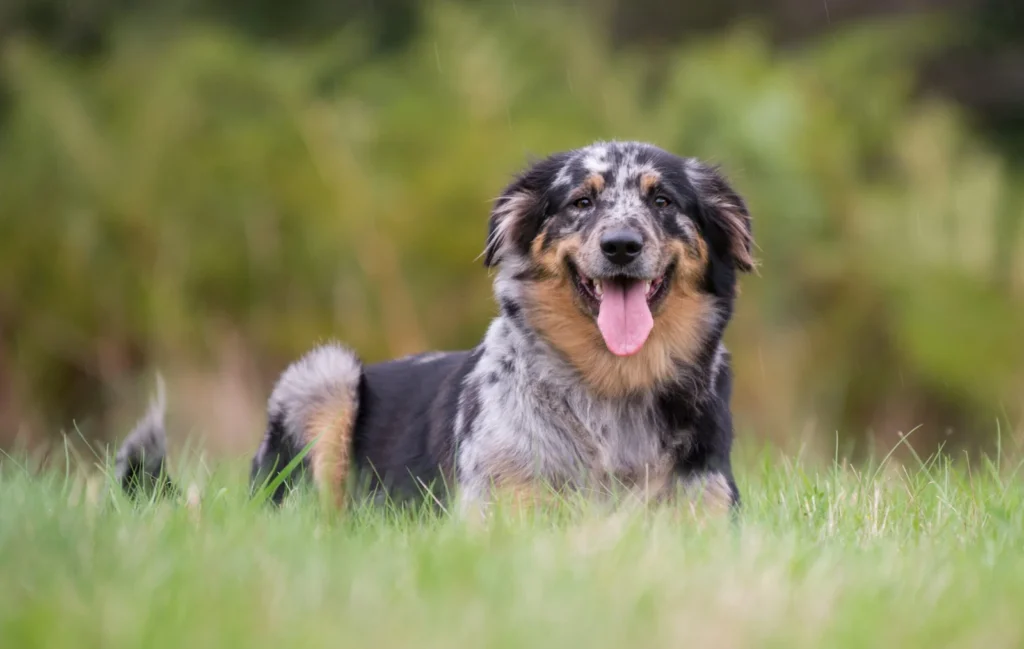
The Savoy Shepherd breed was formed without the direct intervention of breeders striving for perfect symmetry. This is functional beauty. Their wild ancestors and the harsh climate gifted the dog a strong but light frame and a longer coat capable of protecting it against snow and rain.
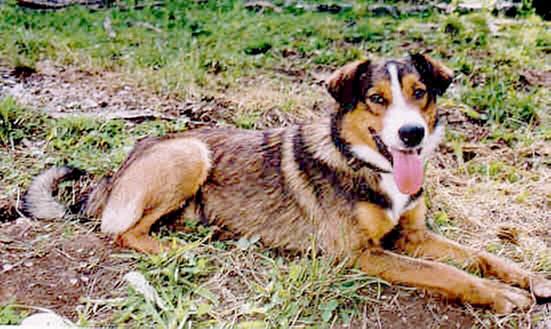
Head: Proportional to the body, with a moderate transition from forehead to muzzle. The expression is always attentive and evaluating.
Ears: The hairy ears of the Savoy Shepherd hang downwards, protecting the ear canal from wind and debris. They are mobile and react to the slightest rustle.
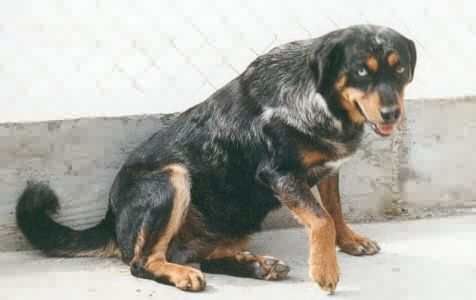
Tail: Low set; in a state of rest, it is lowered, but when excited, the low tail curls upwards, signalling readiness for action.
Body: Slightly elongated format, strong back, deep chest providing excellent lung capacity for running in the mountains.
Colour variations and coat
These dogs are distinguished by a variety of colours, which is typical for working breeds where colour does not affect herding qualities. They can be:
Black (solid colour);
Black and tan (classic shepherd type);
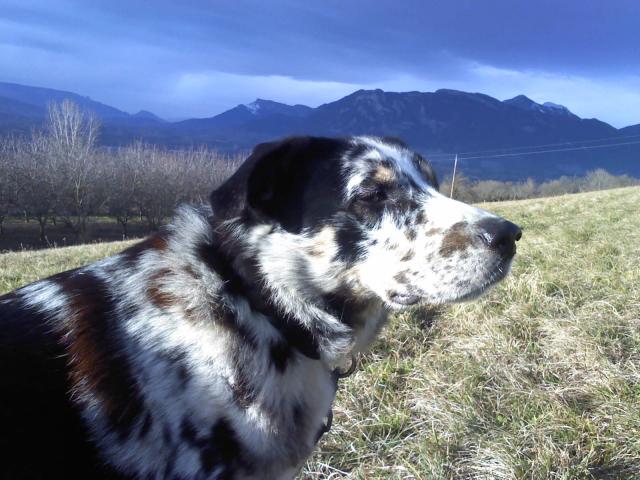
Spotted (various combinations of white and dark);
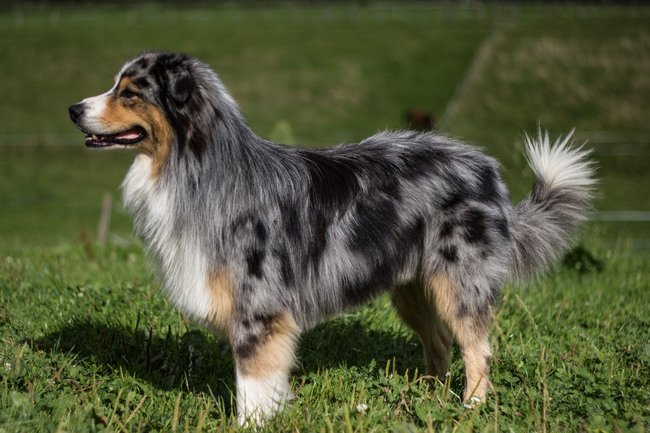
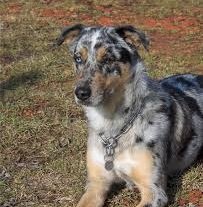
Harlequin (merle) - some representatives demonstrate this striking pattern, which is highly prized.
It is important to note that while white markings are permitted on the coat, Savoy Shepherds are never albinos - this is considered a genetic fault. The coat has a thick undercoat that sheds seasonally, allowing the dog to adapt to temperature changes.
Character: Intellect and independence
Given its natural independance and stubbornness, the Savoy Shepherd is not suitable as a first dog. This is not a pet that will gaze into your eyes waiting for the command "sit". Its intellect is directed towards solving practical tasks: how to return a goat to the herd, how to bypass an obstacle, or how to protect territory.
It requires an experienced and decisive owner whom it acknowledges as the pack leader. Relationships with this dog are built on partnership and mutual respect. If you can earn its authority, you will gain a devoted friend ready to follow you through fire and water.
Guarding qualities and social behaviour
A distinct guarding instinct makes the shepherd suspicious of strangers. It does not display unprovoked aggression but will always keep an outsider in sight. On its own territory, it is uncompromising - chasing strange cats and dogs from the yard. However, interestingly, it is usually not prone to conflict with "its own" domestic animals. If a Savoy Shepherd grows up with cats or other dogs, it perceives them as part of the herd that needs protecting.
Compared to other breeds, such as the Alapaha Blue Blood Bulldog, which acts more directly, the Savoy Shepherd uses tactics of warning and pushing back, attacking only as a last resort. A strong and independent working dog - that is what lies behind the cute, shaggy appearance of the Savoy Shepherd.
Health and genetics: Advantages of an aboriginal breed
Training and socialisation: How to find common ground
Raising Savoy Shepherd puppies should begin just a month after birth, even before moving to a new home (this is done by the breeder), and continue with the new owner from the very first days. This increases the chances of overcoming the breed's natural stubbornness. The Savoy Shepherd learns very quickly, but it always asks: "But why should I do this?".
Key principles of training:
Consistency: Prohibitions must apply always, without exception.
Confidence: The handler should behave confidently and persistently, but calmly. Hysterics from the owner are perceived by the dog as weakness.
No violence: Physical punishment should be avoided, as it leads only to bitterness in the pet and a loss of trust.
Motivation: Use play methods and treats.
Savoy Shepherds are very independent and do not depend on humans emotionally as heavily as companion dogs do. With these intelligent dogs, it is better to have a firm educational conversation than to try and break their will. Early socialisation (exposure to people, city noise, cars) is critically important so that natural suspicion does not develop into fearfulness or aggression.
Pros and cons of the breed
Pros (+)
Cons (-)
Phenomenal health and stamina
Tendency towards dominance and stubbornness
Undemanding regarding weather conditions
Requires serious physical exercise
Excellent guarding qualities without excessive aggression
Not suitable for flat/apartment living
Minimal coat care (self-cleaning)
May "herd" children or guests (nipping at heels)
Loyalty to a single owner
Difficult to train for novices
Care and living conditions
Although Savoy Shepherds do not take up much space and are more compact than the Bernese Mountain Dog, flat living is categorically contraindicated for them. Confined spaces and a lack of work can lead to destructive behaviour - the dog may start destroying furniture or barking constantly out of boredom.
Housing for the dog
The ideal environment is a private house with a large territory. It is best to construct an insulated kennel for the dog in the middle of a fenced yard, providing a shelter from the sun. This sentry and guardian will serve faithfully even at night, patrolling the perimeter. It is important that the fencing is secure - curiosity and a searching instinct may push the shepherd to expand its territory.
Hygiene
The longer coat of the Savoy Shepherd can be brushed occassionally (once a week), especially during shedding seasons. The structure of the coat is such that dirt barely sticks to it - upon drying, it simply falls off. Bathing is required only once every six months or in cases of extreme necessity. Frequent washing with shampoos can strip the protective oily layer, which impairs thermoregulation. The animal's self-sufficiency is matched by its undemanding nature regarding living conditions and care.
Nutrition
Diet: Energy for a mountain athlete
Health and risks
Frequently Asked Questions (FAQ) · 3
Does the Savoy Shepherd shed heavily? Yes, heavy shedding occurs twice a year, during which the dog loses its winter undercoat. During this period, the pet needs to be brushed daily. If the dog lives outdoors, the process happens faster.
Can it be kept on a chain? No, this is categorically not recommended. The Savoy Shepherd is a freedom-loving animal. Life on a chain breaks its psyche, making the dog hysterical or aggressive. The best option is an enclosure with the possibility of free roaming around the territory.
How does it behave with children? Generally loyally, perceiving them as "junior members of the pack". However, due to a strong herding instinct, the dog may try to "herd" children, lightly nipping at their legs to gather them into a group. Such behaviour needs to be corrected from childhood.
Video about the breed
FAQ
Is the Savoy Sheepdog a herder or a guardian?
Both: in the Alps it versatilely herded cows and goats, defended the flocks from wolves and guarded the farmer's property, relying on its own intelligence.
Wasn't this breed lost?
It was considered virtually extinct, but in 1947 typical purebred specimens were found in remote high-mountain villages; today the breed is restored, though it remains very rare.
Is the breed suitable for a flat?
No — it is a hardy mountain worker that needs space, cool air and work; cooped up in the city without tasks it grows bored.