

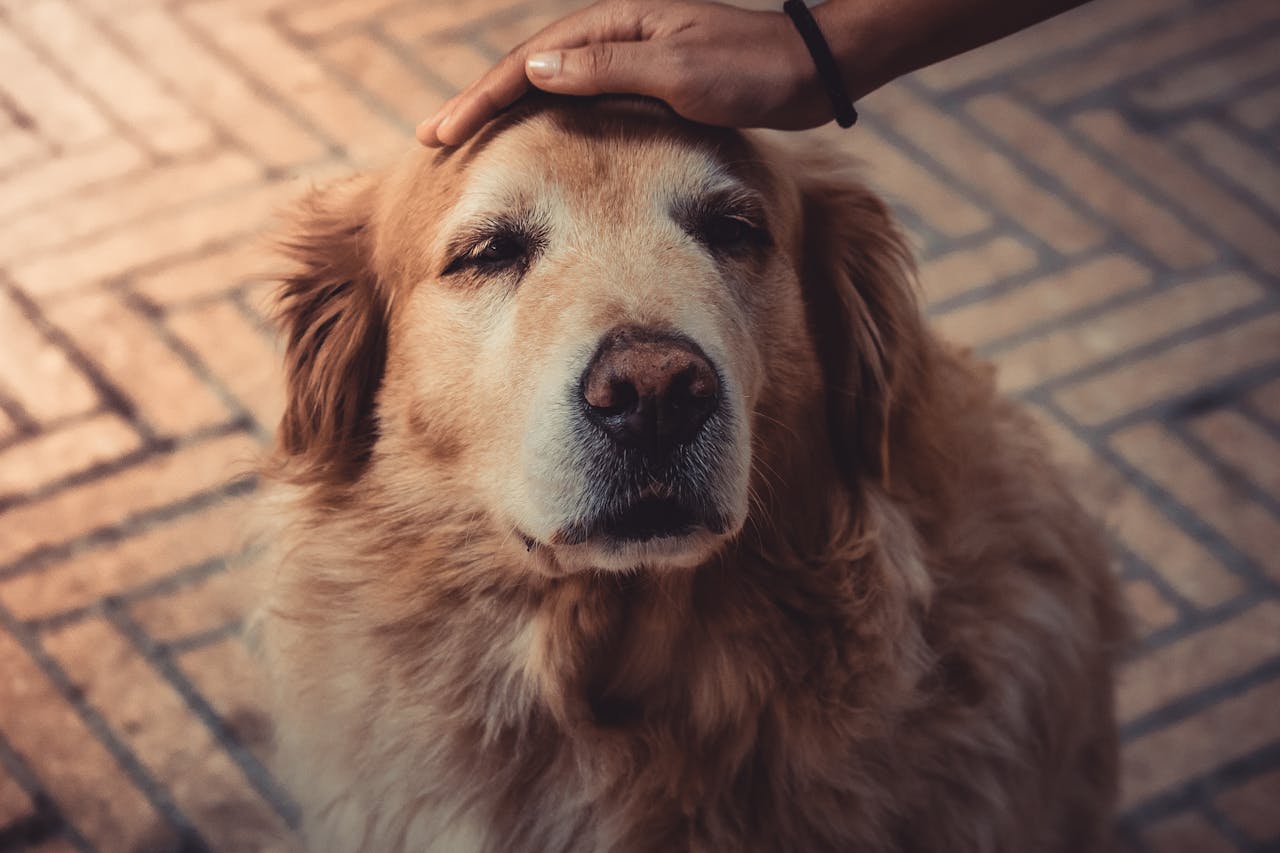
Years seem to fly by, and suddenly your energetic four-legged companion, who once chased balls to complete exhaustion, increasingly opts for a peaceful snooze on their favourite bed. Observing the ageing of a loyal friend is a unique experience, both poignant and filled with tenderness. This process often leaves caring owners with many questions: Am I doing everything correctly? How can I help? How can I make their golden years truly comfortable and happy? Your concern is completely natural, as you undoubtedly want to repay them for years of boundless love and devotion.
This article is your detailed roadmap for caring for your senior pet. We’ll cover everything from the first, subtle signs of ageing to specific dietary needs and adapting your home environment. You’ll gain not just practical advice, but also the confidence that you can provide your dog with a dignified and joyful old age. For all you need to know about making this stage of your friend’s life as comfortable as possible, read on at Tvaryny.
When does a dog become a “senior”? Age is individual
First off, it’s important to understand that there isn’t a single “retirement age” for all dogs. The point at which a dog transitions into the “senior” category depends on two key factors: size and breed. Larger dogs tend to age significantly faster than their miniature counterparts.
- Small breeds (up to 10 kg), such as Chihuahuas, Yorkshire Terriers, and Dachshunds, are typically considered seniors from around 9-11 years old.
- Medium breeds (10-25 kg), for example, Beagles, Spaniels, and Border Collies, enter their golden years at 8-9 years old.
- Large and giant breeds (over 25 kg) — Great Danes, St. Bernards, and German Shepherds — can be considered seniors as early as 6-7 years old.
To get a better idea, you can use an approximate table comparing a dog’s age to human years. This will help you understand where your beloved pet is in their life journey.
| Dog’s Age (years) | Small Breeds (human equivalent) | Medium Breeds (human equivalent) | Large Breeds (human equivalent) |
|---|---|---|---|
| 6 | 40 | 45 | 50 |
| 7 | 44 | 50 | 56 |
| 8 | 48 | 55 | 64 |
| 9 | 52 | 61 | 71 |
| 10 | 56 | 66 | 78 |
| 11 | 60 | 72 | 86 |
| 12 | 64 | 77 | 93 |
| 13 | 68 | 82 | 101 |
| 14 | 72 | 88 | 108 |
Key signs of ageing in dogs: What to look out for?
Changes happen gradually, and it’s vital to recognise them in time to adapt care and consult your vet. Broadly, they can be divided into physical and behavioural changes.
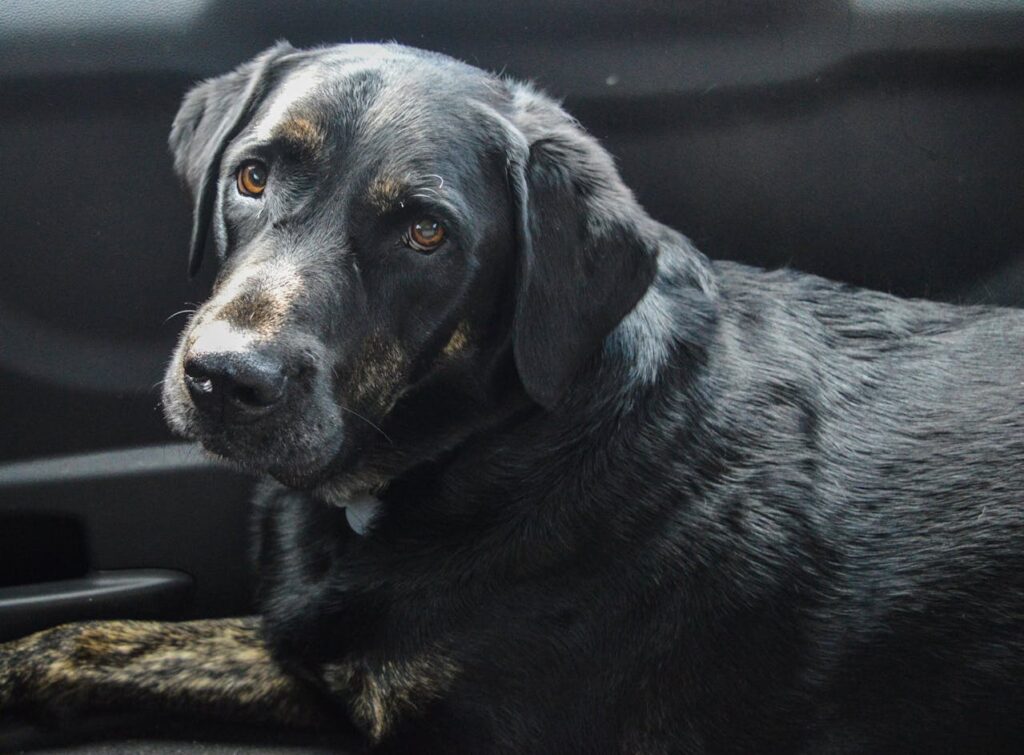
Physical changes
- Greying fur. Just like with humans, the first grey hairs appear on the muzzle, around the eyes, and on the chest.
- Reduced activity and stiff movements. Your dog might sleep longer, be slower to get up after resting, or avoid jumping onto the sofa or going up stairs. These are often the first symptoms of developing arthritis.
- Worsening eyesight and hearing. You might notice your dog bumping into furniture, not responding immediately to your calls, or getting startled when you approach from behind. Their pupils might appear cloudy (a sign of cataracts).
- Weight changes. A slower metabolism often leads to weight gain, even if their diet hasn’t changed. Less commonly, unhealthy weight loss can occur, which might indicate underlying health issues.
- Dental and oral health problems. Bad breath, tartar build-up, inflamed gums, and difficulty chewing hard food are common issues in older dogs.
- Changes in skin and coat. Their fur might become duller and thinner, and their skin drier. Various new growths (warts, fatty lumps) can also appear.
Behavioural changes
- Disorientation and confusion. Your dog might “zone out” staring at a wall, get confused about doors, or seem bewildered in familiar surroundings.
- Changes in sleep patterns. Restless sleep at night, frequent waking, but then drowsiness during the day.
- Increased anxiety. An older dog might become more “clingy,” follow you everywhere, cope poorly with being left alone, or, conversely, seek solitude.
- Changes in social interaction. A loss of interest in games, interacting with other dogs, or family members.
- “Accidents” at home. Even a well-trained dog might start having accidents, unable to hold on until their walk. This can be due to medical problems (weak bladder, kidney disease) or cognitive dysfunction.
Owner’s Checklist: Warning signs that require a vet visit
Any of the above signs warrant closer attention. But you should immediately schedule a vet visit if you notice:
- Sudden weight loss or gain.
- Constant thirst and frequent urination.
- Difficulty breathing, coughing.
- Obvious lameness or reluctance to move.
- Blood in urine or faeces.
- New growths on the skin that are growing rapidly or changing colour.
- Seizures, episodes of disorientation.
Feeding a senior dog: The foundation of health and longevity
As dogs age, their metabolism slows down, and their bodily needs change. What was an ideal diet for an adult dog might be detrimental to a senior. Proper nutrition for an old dog is key to preventing many age-related diseases.
What to feed a senior dog: Key principles
- Calorie control. Due to reduced activity, older dogs are prone to obesity, which puts extra strain on their heart and joints. Choose lower-calorie foods or reduce portions of regular food (after consulting your vet).
- High-quality and easily digestible protein. Protein is essential for maintaining muscle mass, which tends to atrophy with age. Sources should be chicken, turkey, fish, not low-quality offal.
- Omega-3 and Omega-6 fatty acids. These components, found in fish oil and flaxseed oil, support healthy skin and coat, improve brain function, and have an anti-inflammatory effect, which is particularly important for arthritis.
- Fibre. Adding vegetables (pumpkin, carrots, broccoli) or specialized foods with increased fibre content helps normalise digestion and prevent constipation.
- Chondroprotectives. Glucosamine and chondroitin are “building blocks” for cartilage tissue. Their presence in food or administration as supplements helps maintain joint health. This is a crucial element in the treatment and prevention of arthritis in dogs.
- Antioxidants. Vitamins E and C help fight free radicals, slowing down cellular ageing processes.
Today, manufacturers offer a wide selection of specialized “Senior” or “Ageing” foods, which are already balanced to meet these needs. If you prefer a natural diet, be sure to discuss the feeding plan with a veterinary nutritionist to avoid any nutrient deficiencies or excesses.
Creating a comfortable environment: Adapting your home and routine
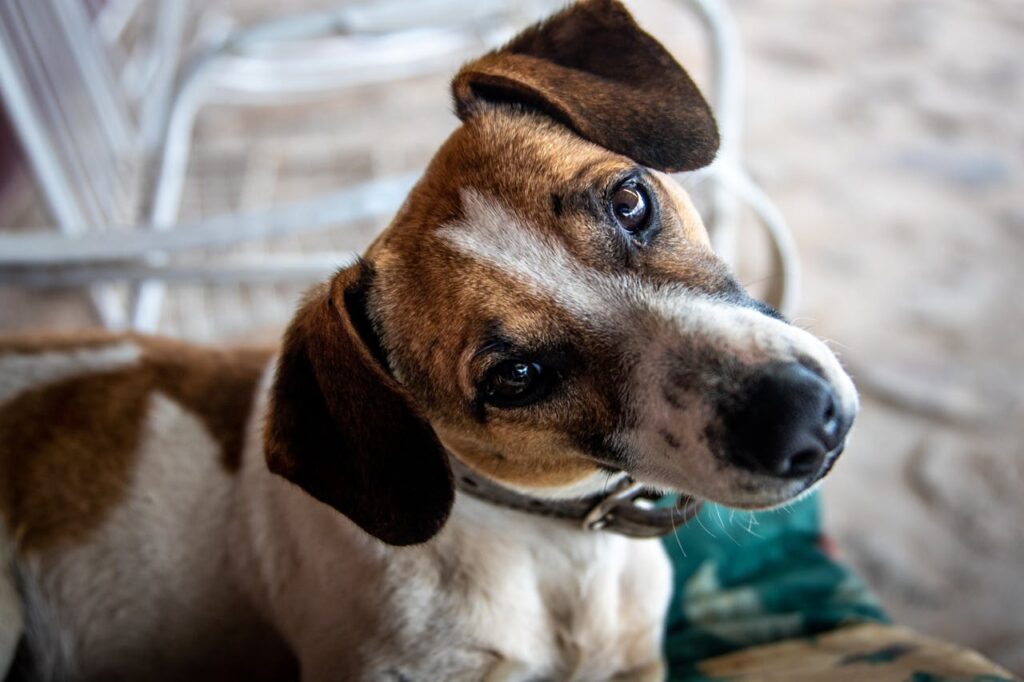
Your home, once perfect for playtime, can become an obstacle course for an older pet. Simple changes can significantly make their life easier.
- Orthopaedic dog bed. Provide your dog with a soft but firm sleeping place that supports their spine and joints. Memory foam beds are ideal. In the UK, a good orthopaedic dog bed can range from around £40 to £180, depending on size and features.
- Non-slip flooring. Slippery floors (laminate, tiles) are a real challenge for weak paws. Lay down non-slip rugs or runners on your dog’s main “routes”: from their bed to their bowl, and to the door.
- Ramps and steps. If your dog loves sleeping on the sofa or you often travel by car, a special ramp will help avoid dangerous jumps. Dog ramps in the UK typically cost between £30 and £150.
- Raised bowls. Dogs, especially large ones, find it harder to bend down as they age. Special stands for food and water bowls will reduce strain on their neck and front paws. Raised dog bowls can cost anywhere from £15 to £60 in the UK.
- Stability and predictability. Try to stick to a routine: feeding, walks, and rest times should be consistent. This reduces stress and disorientation.
Physical activity and mental stimulation: Keeping body and mind in shape
Caring for a senior dog doesn’t mean a complete abandonment of activity. Movement is life, but the exertion should be moderate and appropriate.
- Short and frequent walks. Instead of one long, exhausting walk, it’s better to go out 3-4 times a day for 15-20 minutes. Allow your dog to walk at their own pace, sniff, and explore the world.
- Swimming. If available, swimming is an ideal activity for older dogs. Water reduces stress on joints but still allows muscles to work.
- Mental stimulation. The brain, like muscles, needs exercise. Use:
- Puzzle toys: Kongs or snuffle mats where treats need to be “extracted”.
- Scent games: Hide treats around the room and give the command “Find!”.
- Teaching new, simple commands: This stimulates neural connections. Commands like “Paw” or “Touch nose” don’t require physical effort.
Veterinary care and prevention: Staying ahead of the game
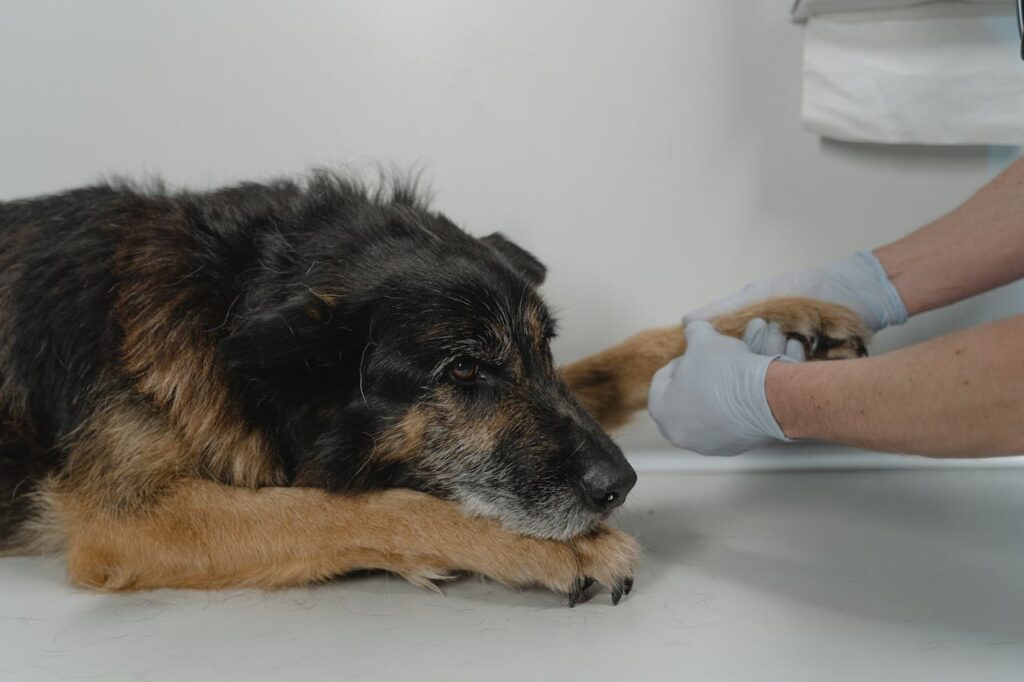
With age, the immune system weakens, and the risk of developing chronic diseases increases. Therefore, preventative vet check-ups become essential. The recommended frequency is twice a year. Such an examination usually includes a full blood and urine analysis, an abdominal ultrasound, and a cardiology check. A routine vet consultation in the UK typically costs between £50 and £90. A full general blood screen might add another £100 to £200, while an abdominal ultrasound could be around £120 to £250.
The most common diseases in older dogs include:
- Osteoarthritis: a degenerative joint disease that causes pain and stiffness.
- Heart disease: mitral valve endocardiosis, dilated cardiomyopathy.
- Chronic kidney failure.
- Dental diseases.
- Oncological diseases (cancers).
- Canine Cognitive Dysfunction Syndrome (the canine equivalent of Alzheimer’s disease).
Conclusion: Golden years, full of love
A dog’s old age is not a verdict, but a new, special chapter in your shared life. Yes, it demands more attention, patience, and care. But it’s also a time for an even deeper bond, quiet evenings together, and boundless gratitude for the years spent side-by-side. Your care for your senior dog is the best way to say “thank you” to your faithful friend.
Be observant, proactive, and compassionate. Listen to your pet’s needs, consult your vet, and most importantly, shower them with your love. After all, that’s the best cure for old age.