

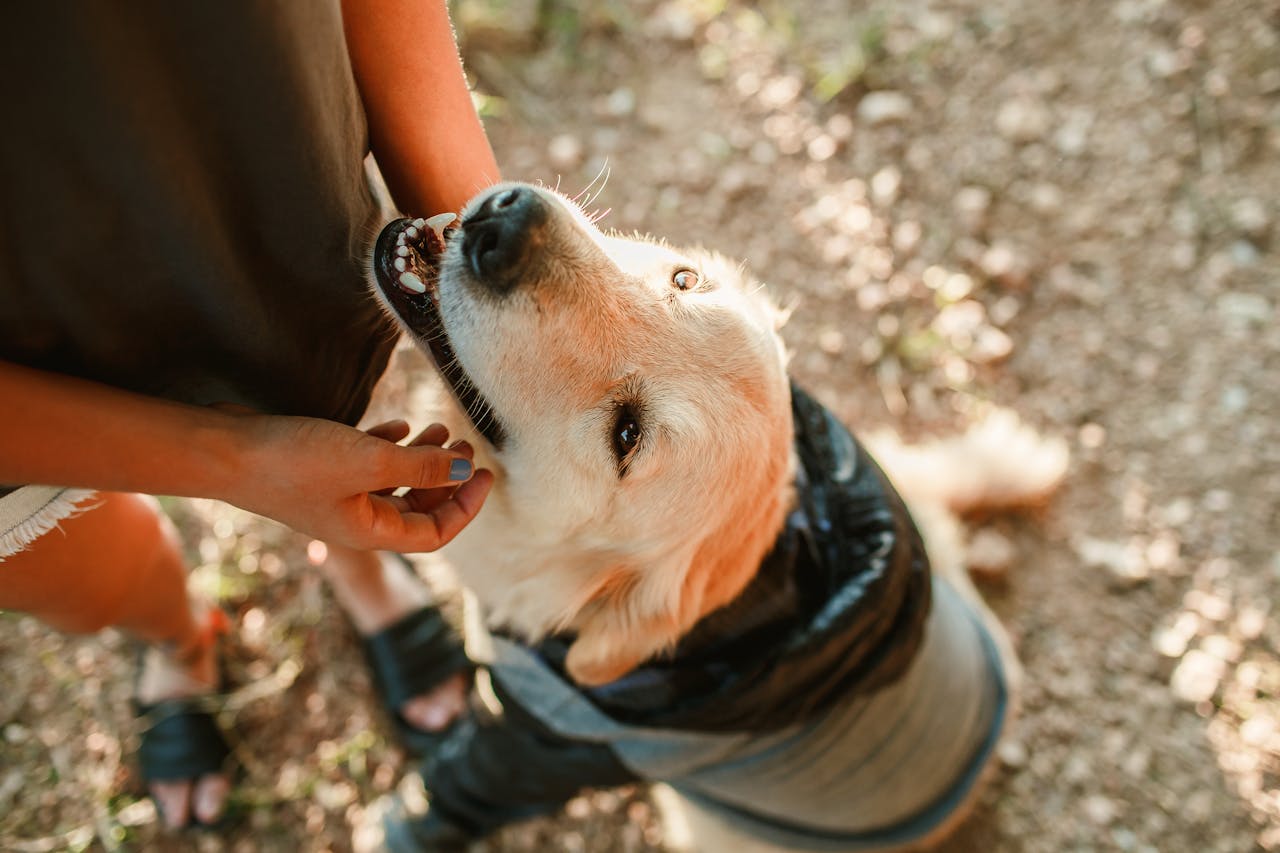
A dog jumping up at people is one of the most common behavioural problems faced by owners. While a puppy joyfully jumping up might seem cute, an adult dog doing the same can be dangerous, troublesome, and even frightening to people. It’s not just a matter of etiquette, but also of safety – for both people and the dog itself. Fortunately, this habit can be corrected with consistent training and patience; you can find out more on this at Tvaryny.
In this article, we’ll take a detailed look at why dogs jump up at people, the risks this behaviour carries, and, most importantly, suggest effective methods to stop your four-legged friend from this unwelcome habit. We will break down step-by-step instructions, expert advice, and common mistakes to avoid.
Why Do Dogs Jump Up at People? Understanding the Reasons
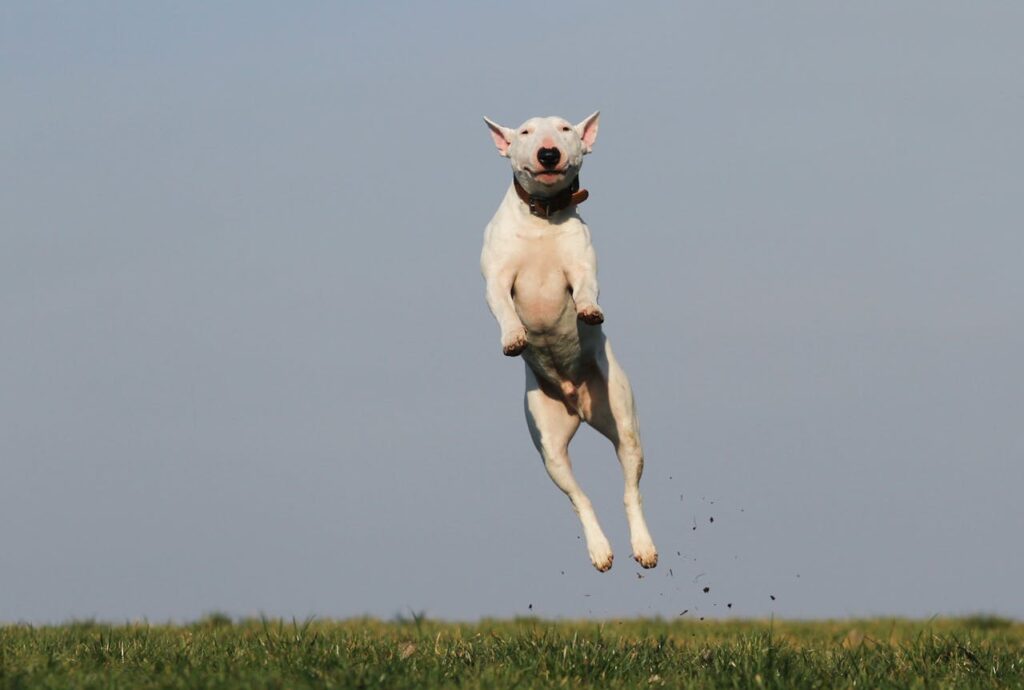
Before starting any behaviour correction, it’s crucial to understand why your dog jumps up. The reasons can vary, and understanding their motivation will help you choose the most effective training method.
- Greeting and Excitement: This is the most common reason. Dogs, especially young and energetic ones, jump up to greet people ‘face-to-face,’ much like they do with their own kind by licking muzzles. It’s a display of joy and enthusiasm upon meeting someone.
- Attention Seeking: Dogs quickly learn that jumping up gets a person’s attention. Even if the attention is negative (shouting, pushing away), it’s still attention to the dog. If you ignore your dog when it’s calm but react to jumping, you’re unintentionally reinforcing this behaviour.
- Social Status (Less Common): In some cases, jumping up can be an attempt to establish a higher social status, though this reason is less common than excitement or attention-seeking.
- Learned Behaviour: If jumping was encouraged (or at least not discouraged) during puppyhood, the dog simply doesn’t know that such behaviour is undesirable in an adult dog.
- Excess Energy: Dogs that don’t get enough physical and mental exercise may release their pent-up energy through jumping and other unwanted behaviours.
Why is a Dog Jumping Up a Problem?
Although a dog’s intentions may be entirely friendly, jumping up can lead to a number of problems:
- Risk of Injury: A large dog can easily knock over a child, an elderly person, or even an adult, causing falls and serious injuries. Even a small dog can scratch with its claws.
- Frightening People: Not everyone likes dogs or feels comfortable around them. Jumping up can greatly alarm guests, delivery drivers, or passers-by, especially those with cynophobia (fear of dogs).
- Damage to Clothing: Muddy paws and claws can easily soil or tear clothes.
- Awkward Situations: Constant jumping creates awkwardness during walks, when greeting guests, and in any social setting.
- Reinforcing Bad Behaviour: By allowing your dog to jump up, you send mixed signals and make it harder to teach other rules of conduct.
Key Strategies: How to Stop Your Dog From Jumping Up
Stopping a dog from jumping up requires a comprehensive approach, combining management (preventing the jumping) and training (teaching alternative behaviour). It’s vital to be consistent and patient.
1. Management: Preventing Jumping
The simplest way to combat jumping is to prevent your dog from having the opportunity to do it. This is particularly important in the initial stages of training.
- Lead in the House: When guests are expected or in situations where your dog is prone to jumping, keep them on a lead even indoors. This allows you to control their movements and prevent jumping.
- Using Barriers: Baby gates or safety gates can be useful for restricting your dog’s access to the front door when guests arrive.
- Crate or Pen: If your dog is comfortable in their crate or pen, you can ask them to go there before guests arrive. This gives them a safe space and prevents unwanted behaviour. You can learn more about crate and enclosure training and how to make it your dog’s favourite place in our separate article.
- Controlled Greetings: Don’t let guests interact immediately with an overly excited dog. Ask them to ignore the dog until it calms down.
2. Training: Teaching Alternative Behaviour
Instead of just forbidding jumping, teach your dog what they should do during greetings. The most effective alternative is the ‘Sit’ command.
Teaching the ‘Sit’ Command for Greetings:
- Basic Training: Ensure your dog reliably performs the ‘Sit’ command in a calm environment without distractions.
- Practise with a Helper: Ask a friend or family member to help. When the helper approaches, give the ‘Sit’ command.
- Reward Calmness: If the dog sits and stays seated as the person approaches, the helper can calmly praise them and offer a treat. If the dog breaks the sit and tries to jump, the helper should silently turn and walk away. Repeat the attempt.
- Gradual Increase in Difficulty: Gradually increase the level of excitement: ask the helper to talk to the dog or wave their hand. The goal is to teach the dog to remain seated even with exciting stimuli.
- Practise at the Door: Work through a ‘guest arriving’ scenario. Keep your dog on a lead, ask them to sit when someone rings the doorbell. Only open the door when the dog is sitting calmly. If they break the sit, close the door or ask the ‘guest’ to step back.
3. Ignoring Jumping (Negative Punishment)
This is one of the most crucial elements in stopping jumping. Dogs jump to get attention. If jumping doesn’t achieve the desired result (attention), the behaviour will gradually fade.
How to Ignore Correctly:
- Complete Lack of Reaction: When the dog jumps, immediately cease all interaction. Turn away, fold your arms, look away or at the ceiling. Do not speak to the dog (not even ‘Down!’ or ‘No!’), do not look at them, and do not touch them (not even to push them off).
- Reward Calmness: As soon as all four of the dog’s paws are on the floor, calmly praise them and give them a treat or a pat. If they jump up again, ignore them once more.
- Consistency is Key: Absolutely everyone in the family and all guests must follow this rule. If even one person reacts to the jumping, it will reinforce the behaviour, and the training will be ineffective. Warn guests in advance about the rules for interacting with your dog.
4. Managing Greetings in the Street
Jumping often occurs during walks too, when a dog excitedly rushes up to acquaintances or even strangers. It’s important to teach your dog to react calmly to encounters.
- Keep Your Distance: If you see someone your dog might jump up at, increase the distance or cross to the other side of the street until your dog learns better self-control.
- Use a Lead: Always keep your dog on a lead in public places. This gives you physical control. Make sure you know how to teach a dog to walk on a lead beside you and not pull, as this is fundamental to safe walks.
- ‘Sit’ or ‘Heel’ Command: Before allowing someone to greet your dog, give the ‘Sit’ or ‘Heel’ command. Ask the person to approach only if the dog is calm.
- Reward Calm Behaviour: Praise and reward your dog for staying calm (sitting or standing on all fours) when someone approaches them.
What NOT to Do When Training Your Dog Not to Jump Up
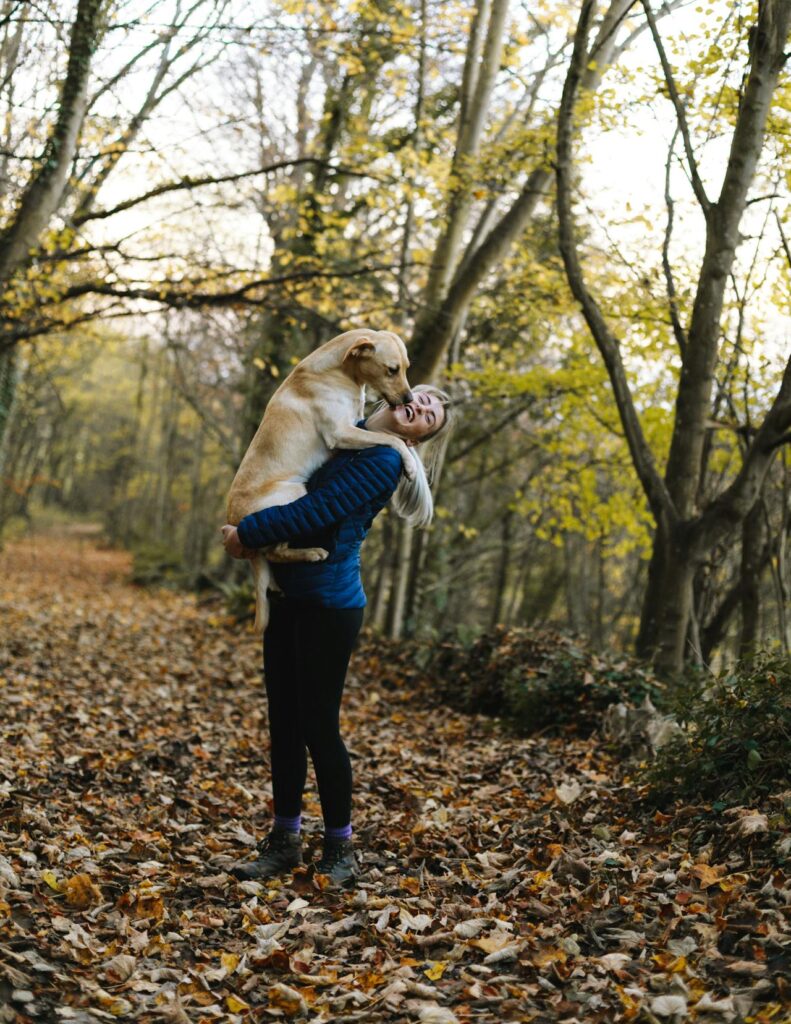
Some methods that might seem logical can actually worsen the situation or frighten your dog.
- Physical Punishment: Never hit your dog, knee them in the chest, or jerk harshly on the lead. This can lead to fear, aggression, loss of trust, and even injury. Your dog may start to fear people or your hands.
- Shouting and Scolding: Shouting only increases the dog’s excitement level and is perceived as a form of attention. Dogs don’t understand the meaning of words, only the emotional tone.
- Inconsistency: Allowing jumping sometimes (e.g., when you’re in ‘old’ clothes) and forbidding it at other times will confuse your dog and make training ineffective. The rules must be the same always and for everyone.
- Encouraging Jumping in Puppies: Don’t let a small puppy jump up at you, thinking it’s cute. This habit will become ingrained, and it will be much harder to train an adult dog out of it.
The Importance of Patience and Consistency
Training a dog not to jump up is a process that takes time, especially if the behaviour has already become an established habit. Don’t expect instant results. The key to success is absolute consistency from all family members and guests.
Be patient, don’t scold your dog for setbacks; instead, focus on encouraging the correct behaviour. Every time your dog greets someone calmly without jumping, praise and reward them generously. Positive reinforcement works far more effectively than punishment.
When to Consult a Professional
If you’ve tried the methods described but the jumping problem persists or is accompanied by other behavioural issues (such as aggression, excessive barking, or anxiety), it’s worth seeking help from a qualified professional:
- Certified Dog Trainer: They can help you refine the training process, select individual methods, and teach you how to respond correctly to your dog’s behaviour.
- Veterinary Behaviourist (Animal Behaviour Specialist): Necessary in complex cases, especially if there’s a suspicion of medical reasons for behavioural problems or if aggression is present.
A professional can assess the situation, identify the precise reasons for your dog’s behaviour, and develop an individual correction plan.
Conclusion
A dog jumping up at people is behaviour that can, and should, be corrected. Understanding why your dog does it is the first step to solving the problem. By using a combination of management (preventing jumping) and training (teaching alternative behaviour, like the ‘Sit’ command), along with rock-solid consistency and ignoring unwanted behaviour, you can teach your four-legged friend to greet people calmly and politely.
Remember that patience, positive reinforcement, and consistency are your best tools in this process. Don’t be afraid to seek professional help if needed. The result of your efforts will be a well-behaved dog who brings joy to you and others, without causing inconvenience with their boisterous energy.