

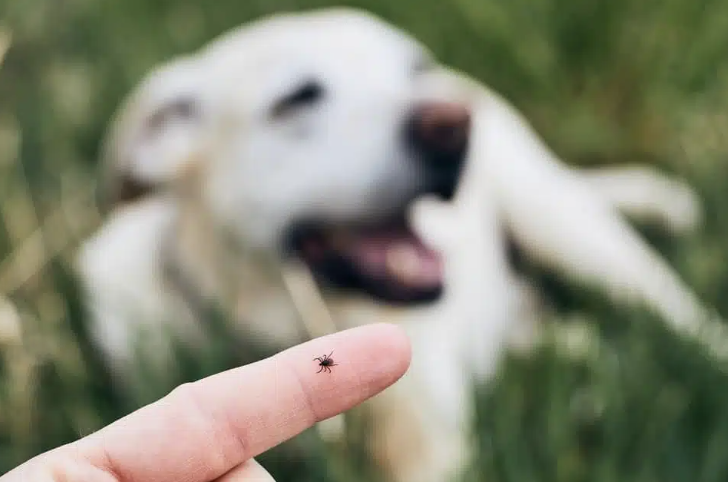
Hello, furry gang and your tireless handlers! Ready for new runs, mud under your paws, and pure drive on the course? The season of active outdoor training has already started. My Border Collies and I are already racking up miles in the woods. We are perfecting our slalom. But there is one detail that can ruin any perfect retrieve. These are tiny, sneaky, and absolutely ruthless enemies – ixodid ticks.
As an agility instructor, I see hundreds of dogs every week. And believe me, a fluffy athlete’s health is the foundation of their speed over the jumps. I regularly read articles on tvaryny.com to keep my finger on the pulse of veterinary trends. There are always plenty of insider tips for those who are on the same wavelength with their dogs. But today I want to share my own hard-earned field experience. We will break down the best armor for your champions. No parasite will stop your run!
The enemy on the course: why ticks aren’t just a “scratch and forget” issue
For a sporting dog, a tick isn’t just a nasty bug in their fur. It is a direct threat to their career and life. Piroplasmosis (babesiosis) and Lyme disease can turn a muscular bundle of energy into a weak animal in a matter of days. It will be hard for them to even lift their head. Let alone jump through a tire. The probability of picking up a tick while running through high grass or woods is almost one hundred percent.
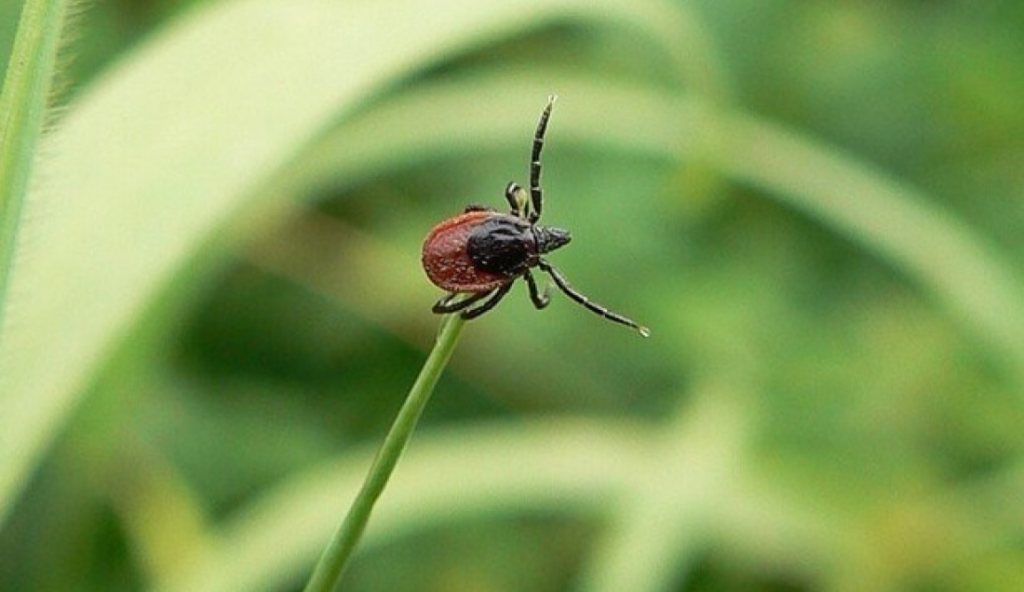
When a dog is working on the course, its body temperature rises. It breathes heavily, emitting more carbon dioxide and scent. For ticks sitting in standby mode on blades of grass, this is a clear signal: “Here comes my hot lunch!”. They react to heat and movement with insane speed. This is exactly why we need “titan” level protection.
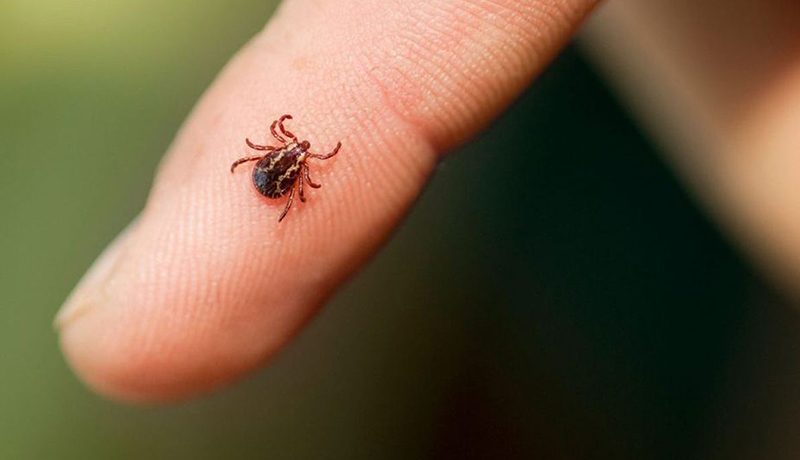
My personal top ranking: armor for fluffy athletes
There are hundreds of bottles, boxes, and blisters on the market right now. But what actually works when your dog chases through bushes for two hours? Then dives into a lake after a puller, and finally rolls around in the sand? I have tested many treatments and compiled my own strict ranking. I evaluated them based on speed of action, water resistance, and convenience for sports.
Tablets: the choice of true champions
For sporting dogs, tablets (isoxazolines) are an absolute gamechanger. They work from the inside out, don’t wash off in water, and leave no sticky residue on the coat. When you hug your dog every day or work closely with them, this is mega important. Plus, after taking a pill, your dog can immediately jump into the river.
Bravecto. It holds the line for a record 12 weeks. This is my favorite for peak training seasons (spring and autumn). You give one pill and calmly prepare for competitions. You don’t have to constantly count days on the calendar. The active ingredient, fluralaner, blocks the parasite’s nervous system almost instantly after a bite. The tick simply dries up and falls off.
NexGard Spectra. A really cool comprehensive option. It protects not only against ticks and fleas, but also against worms. This includes dangerous heartworms (dirofilaria), which are transmitted by mosquitoes. For those who travel a lot to competitions in different regions, this is a top choice. It works for exactly one month.
Simparica. A very cool alternative featuring the active ingredient sarolaner. It works for 35 days. This gives you a 5-day buffer just in case you get caught up in training and forget to give it on time. It kills ticks very quickly. Often they don’t even have time to transmit the disease pathogen into the blood. If you want to dive deeper into the topic of formats, I highly reccomend reading a guide on comparing tick treatments: spot-ons, collars, and tablets – which to choose. You will find excellent analytics there to suit your lifestyle.
Spot-on drops: a proven classic
Drops are a good option for dogs that have a sensitive gastrointestinal tract. They are also great if there are specific medical contraindications to tablets. But for sports, there is a huge downside – the “no bathing” rule. Usually, you shouldn’t get the dog wet for 3 days before and 3 days after application. What if we are at a summer camp by a lake? That is a real problem. However, if your dog isn’t a swimmer, this is an effective tool.
Advantix. Has a great repellent effect. It scares off ticks and mosquitoes even before they decide to bite. The active ingredient is distributed across the lipid layer of the skin. It works for 4 weeks. But if the dog often runs in the rain, the effectiveness can decrease faster.
Vectra 3D. Another powerful spot-on with a repellent action. Its main feature is a unique applicator. It is incredibly convenient to apply the product through thick fur (Aussie and Collie owners, you know what I mean). It acts quickly, and mosquitoes and ticks drop off as if scalded.
Collars: additional face control
In the agility world, tick collars cause a lot of debate. At competitions, a dog must run “naked” (without a collar) for safety reasons while overcoming obstacles. Taking a tick collar off and putting it back on every time drastically ruins its effectiveness. But for hiking, it is an excellent option.
Foresto. This is the Rolls-Royce of collars. It works for up to 8 months! It is water-resistant, doesn’t smell like chemicals, and gradually releases active ingredients onto the coat. If your dog lives in a kennel or you often go on long mountain hikes, this is a reliable shield. Just remember that the collar must fit snugly against the skin. A maximum of two fingers should fit underneath it, otherwise it will just be a stylish accessory.
Summary table: how to choose your protection format
To make it easier for you to put together your tactical plan for the season, I made a short summary. Choose what best fits your training schedule.
| Treatment format | Protection duration | Water resistance | Ideal for | Main drawback |
|---|---|---|---|---|
| Tablets | 4 to 12 weeks | Absolute 100% | Athletes, swimmers, thick coats | No repellent effect |
| Spot-ons | 3 to 4 weeks | Medium (washes off with shampoo) | Dogs with sensitive GI tracts, quiet walks | Sticky fur in the first few days, no bathing allowed |
| Collars | 4 to 8 months | High (for premium brands) | Yard dogs, long hiking trips | Must be worn constantly, risk of getting caught |
| Sprays | From a few hours to a week | Low | Extra protection in the woods (on paws/belly) | Short duration, pungent smell |
A short guide on protection formats for sporting dogs
Post-training rituals: a 360-degree inspection
Even if you gave your dog the most expensive pill on the market, the “trust, but verify” rule still applies. A tablet kills a tick AFTER the bite. But we don’t want a dead tick hanging on the skin. We definetely don’t want a live one riding on the fur straight into your bed. That is why after every trip to nature, we do a full technical inspection of the fluffy athlete.
My dogs know the “Inspect” command. They lie on their side and relax while I run my fingers through their fur. This isn’t just about safety. It is also about bonding and a relaxing muscle massage after an intense run. Here are my hot spots that I always double-check:
- The area behind the ears and inside the ear flap. The skin there is thin and has a lot of blood vessels. Ticks absolutely love it.
- Armpits and groin area. The warmest places. I always lift the paws and carefully look through the skin folds.
- Between the toes. Ticks often grab onto the paws while running. They then casually crawl into a cozy spot between the pads.
- Under the collar or harness. If you train in a harness, take it off and check the friction line.
- The base of the tail. Dogs often can’t reach there properly, and parasites ruthlessly take advantage of this.
Heat plus ticks: a double blow to endurance
The summer season is a real challenge for our tailed gang. On one hand, parasites are lying in wait for us. On the other hand, there is the scorching sun. Training in the heat requires surgical precision in planning. A dog protected from ticks but overheated in the sun is a bad scenario. Their stamina instantly drops to zero.
I always advise combining insect protection with proper thermoregulation. Use cooling vests, properly hydrate your dog on the course, and never work under direct sunlight at noon. It is also crucial to understand the challenges of the hot weather. Make sure you read about summer heat: how to protect your dog and cat from overheating, heatstroke, ticks, and other seasonal hazards. This is basic knowledge that saves the lives of our partners on the training grounds and during hikes.
“Championship titles are won not only by speed over the jumps, but also by proper recovery and protection off the course. A healthy dog is a happy dog, ready for any adventure.”
Agility instructor
Lifehacks from a trainer: what’s inside my tactical backpack
My travel backpack weighs quite a bit. It contains everything needed for comfort and rescue. I never go on long routes without a minimal first aid kit. It is specifically focused on insect bites and minor injuries. Here is my must-have set that I advise every active owner to pack:
- Tick Twister. Small plastic hooks that allow you to twist the tick out completely, head and all. Never pull a parasite out with tweezers or your fingers! You will just tear the body off. The jaws will remain in the skin and start to fester.
- Alcohol-free antiseptic. Chlorhexidine to quickly disinfect the bite site after you have removed the uninvited guest.
- Repellent spray bottle. I take light, natural sprays based on essential oils purely as an extra barrier. I spray them on the paws and belly right before entering a dense forest. They work for an hour or two, just enough for an intense session.
- Tick container. A small vial. If the bite occurred in a high-risk region, it is better to save the parasite and take it to a lab for analysis.
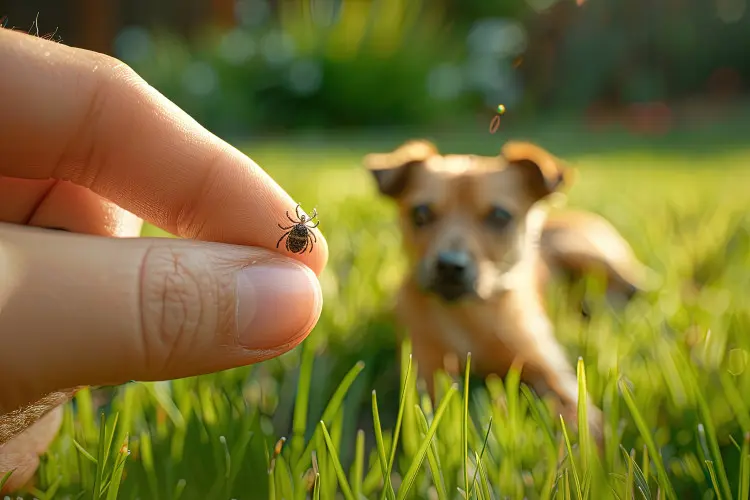
Debunking myths: leave folk remedies at home
Scary stories and grandmother’s recipes still circulate in dog communities. Let’s be guided by evidence-based veterinary medicine, not shamanism. The health of our athletes is way too precious to conduct risky experiments on it.
Myth 1: “Garlic and yeast scare away ticks.” No, no, and no again! Not only does garlic not repel arachnids, but it is also toxic to dogs and can cause anemia. Imagine your dog’s performance dropping on the course due to a lack of red blood cells. Forget about this completely.
Myth 2: “Essential oils are a safe alternative.” They smell great, true, but they evaporate in 30 minutes. Moreover, a dog’s sense of smell is dozens of times stronger than ours. A dog smeared with essential oils suffers from headaches. They lose all concentration during training. This is not protection, it is just pure stress.
Myth 3: “Ultrasonic keychains work wonders.” Clinical studies have shown absolutely zero effectiveness of ultrasound against ixodid ticks. The keychain will jingle nicely on the harness while running. But for parasites, it is completely invisible and inaudible.
The home stretch
Tick season is not a reason to sit on the couch and binge-watch TV shows. Our dogs are made for movement, for speed, and for exploring new scents. Agility, canicross, frisbee, or just a long trekking trip in the mountains – these are the things that bring pure happiness to their eyes.
Pick a reliable armor and test different formats. Always consult with your trusted veterinarian. Pay attention to the coat’s condition and the dog’s behavior after walks. The responsibility lies entirely on the handler’s shoulders. We are the captains of this team. So we give the pill or apply the drops, grab the leash, grab some treats, and head out to training! The forest is calling, and we are one hundred percent ready for it!