

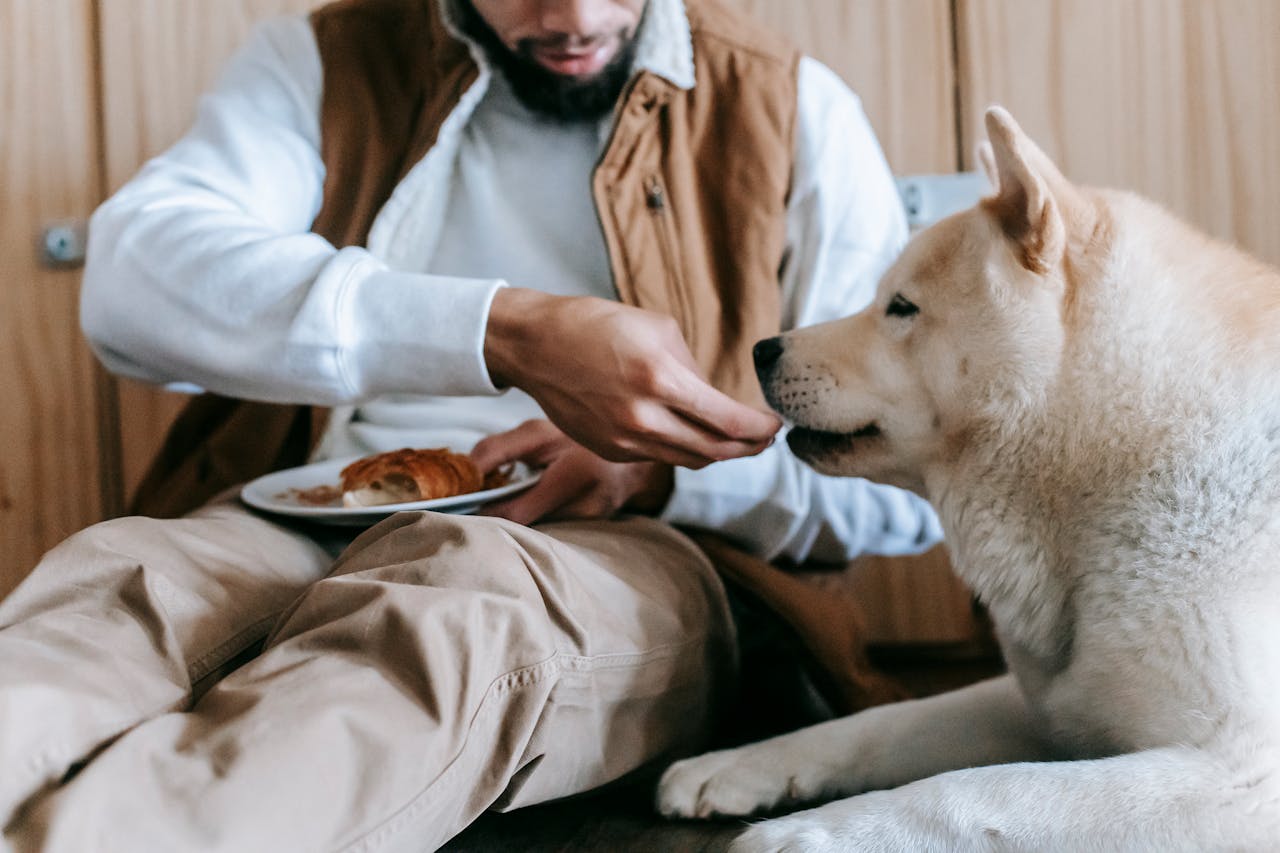
Caring for a pet involves more than just walks, games, and regular trips to the vet; crucially, it also includes proper and safe nutrition. Many dog owners, wanting to treat their four-legged friend, share food from their own table. Unfortunately, what is tasty and safe for humans can prove fatally dangerous for a dog. A lack of awareness can lead to serious health problems, poisoning, and even the animal’s death. You can read more about this on Tvaryny. That’s why every responsible owner needs to know the list of foods that are strictly forbidden for dogs. This article aims to be your reliable guide to the world of safe feeding for your beloved pet.
Why can human food be dangerous for dogs?
A dog’s digestive system differs significantly from a human’s. Their metabolism works differently, and they are unable to process or break down certain substances that are commonplace for us. Some foods contain toxins that specifically affect a dog’s system, causing a range of issues – from a mild stomach upset to severe damage to internal organs and the nervous system. Ignoring these differences is a direct path to endangering the life and health of your loyal companion. Knowledge about dangerous foods for dogs is fundamental to their longevity and well-being.
List of the most dangerous foods for dogs
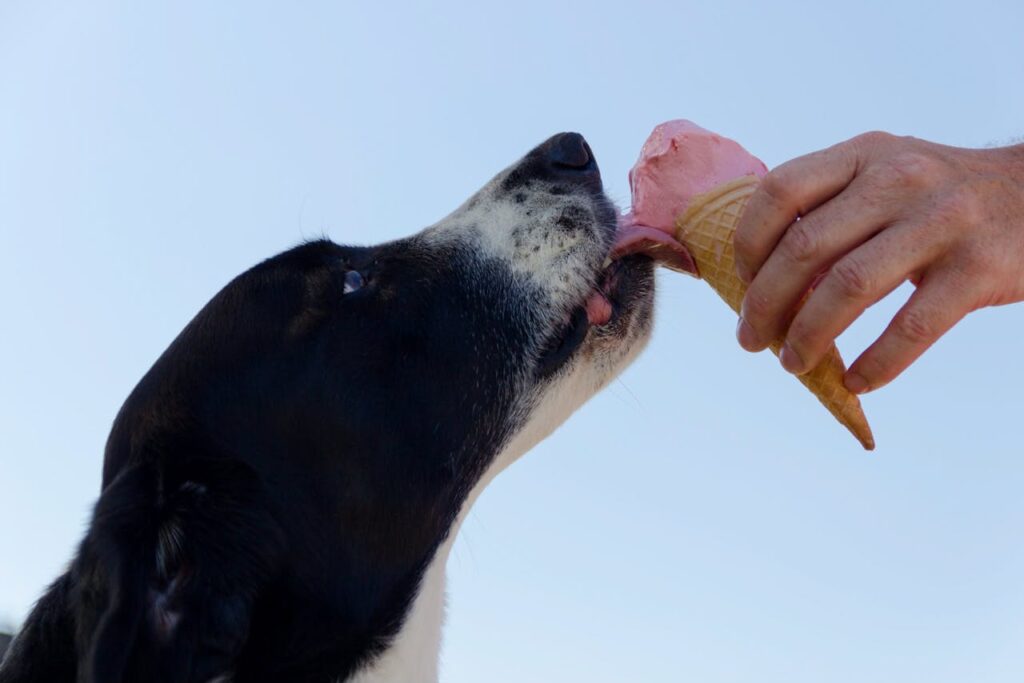
Below is a list of foods that pose the greatest threat to a dog’s health. Memorise them and never give them to your pet.
1. Chocolate, Cocoa, and Coffee (Caffeine and Theobromine)
This is perhaps the most well-known enemy of canine health. Chocolate contains theobromine and caffeine – methylxanthines that are toxic to dogs. The darker the chocolate (especially dark and cooking chocolate), the higher the concentration of theobromine and the more dangerous it is. Even a small amount can cause serious problems.
- Symptoms of poisoning: Vomiting, diarrhoea, rapid heartbeat, breathlessness, increased thirst and urination, hyperactivity, tremors, seizures; in severe cases – heart failure, coma, and death.
- Why it’s dangerous: Dogs metabolise theobromine much more slowly than humans, leading to its accumulation to toxic levels.
2. Xylitol (Artificial Sweetener)
Xylitol is a sugar alcohol used as a sweetener in many products: sugar-free chewing gum, sweets, toothpaste, baked goods, and some types of peanut butter. For dogs, xylitol is extremely toxic. It causes a rapid release of insulin, leading to a sharp drop in blood sugar levels (hypoglycaemia). Even small doses can cause liver failure.
- Symptoms of poisoning: Vomiting, weakness, loss of coordination, lethargy, collapse, seizures. Symptoms of hypoglycaemia can appear as early as 10-60 minutes after ingestion. Signs of liver damage may appear later.
- Why it’s dangerous: A rapid drop in blood sugar and toxic liver damage can be fatal. Always check the ingredients of “sugar-free” products before giving anything to your dog!
3. Grapes and Raisins
The exact reason for the toxicity of grapes and raisins to dogs is still not fully understood, but it is known that their ingestion can lead to acute kidney failure. Even a few berries can be dangerous, although sensitivity can vary between individual dogs.
- Symptoms of poisoning: Vomiting and diarrhoea (often within a few hours), lethargy, loss of appetite, abdominal pain, dehydration, reduced or no urination (a sign of kidney failure).
- Why it’s dangerous: Kidney damage can be irreversible and lead to death.
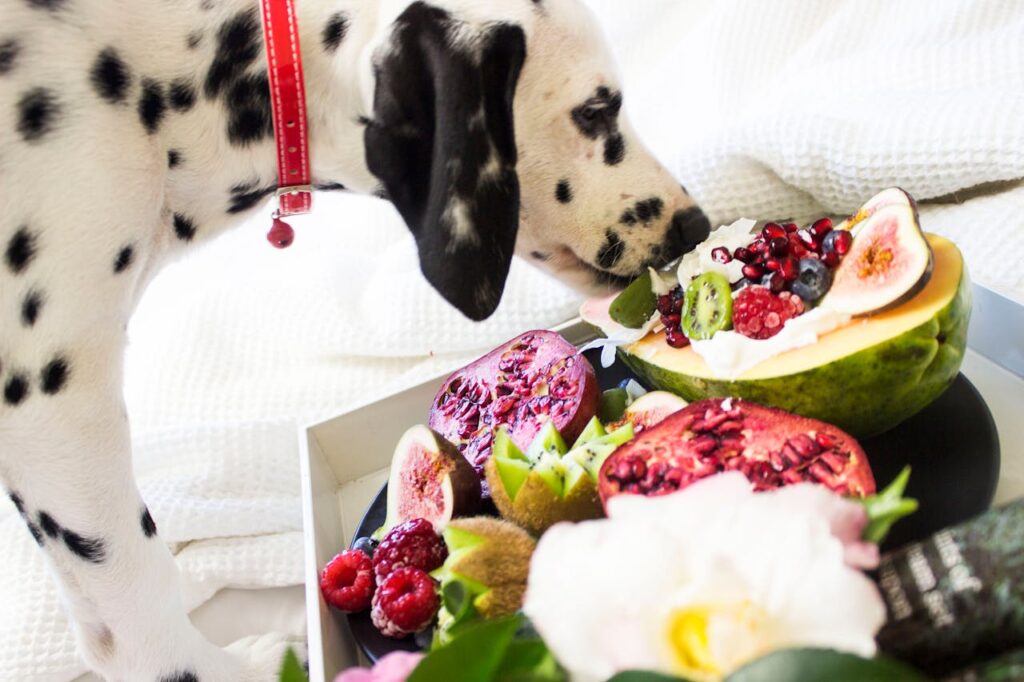
4. Onions, Garlic, Leeks, and Chives
All members of the Allium family (onions, garlic, leeks, chives) contain thiosulphates, which are toxic to dogs. These compounds damage red blood cells (erythrocytes), causing them to rupture (haemolysis), which leads to haemolytic anaemia. Garlic is considered more toxic than onions on a per-weight basis.
- Symptoms of poisoning: May not appear immediately but can develop over several days. They include weakness, lethargy, pale gums, rapid heartbeat and breathing, vomiting, diarrhoea, and dark-coloured (reddish or brown) urine.
- Why it’s dangerous: Anaemia reduces the blood’s ability to carry oxygen, which can lead to organ damage and death. Both raw and cooked (boiled, fried, dried) forms are dangerous. Remember that onions and garlic are often found in many ready-made meals, sauces, and even baby food.
5. Alcohol
Even small amounts of alcoholic beverages, as well as products containing alcohol (e.g., some desserts, cough syrups), can be extremely dangerous for dogs. Their bodies are not equipped to process ethanol.
- Symptoms of poisoning: Vomiting, diarrhoea, lack of coordination, disorientation, depression of the central nervous system, difficulty breathing, tremors, drop in body temperature and blood sugar levels, coma, death.
- Why it’s dangerous: Alcohol is rapidly absorbed and affects the brain and other organs, causing serious metabolic disturbances. Dogs are much more sensitive to alcohol than humans.
6. Avocado
Avocados contain a toxin called persin, which is found in the leaves, fruit, seeds, and bark of the plant. Although dogs are considered less sensitive to persin than some other animals (e.g., birds), eating avocado can still cause problems.
- Symptoms of poisoning: Vomiting, diarrhoea, stomach upset. The main danger is the avocado stone (pit) – it can get stuck in the throat, stomach, or intestine, causing an obstruction. The high fat content can also trigger pancreatitis.
- Why it’s dangerous: Although persin poisoning itself is rare in dogs, the risk of choking, intestinal obstruction, and pancreatitis makes avocado an undesirable food.
7. Macadamia Nuts
These nuts are highly toxic to dogs, although the exact mechanism of their action is unknown. Even a small quantity (a few nuts) can cause serious symptoms.
- Symptoms of poisoning: Usually appear within 12 hours. They include weakness (especially in the hind limbs), lethargy, vomiting, tremors, hyperthermia (elevated body temperature), joint pain, and an inability to stand.
- Why it’s dangerous: Although macadamia nut poisoning is rarely fatal and symptoms usually resolve within 24-48 hours with appropriate treatment, the dog’s condition can be severe and require veterinary attention.
Other Foods to Avoid
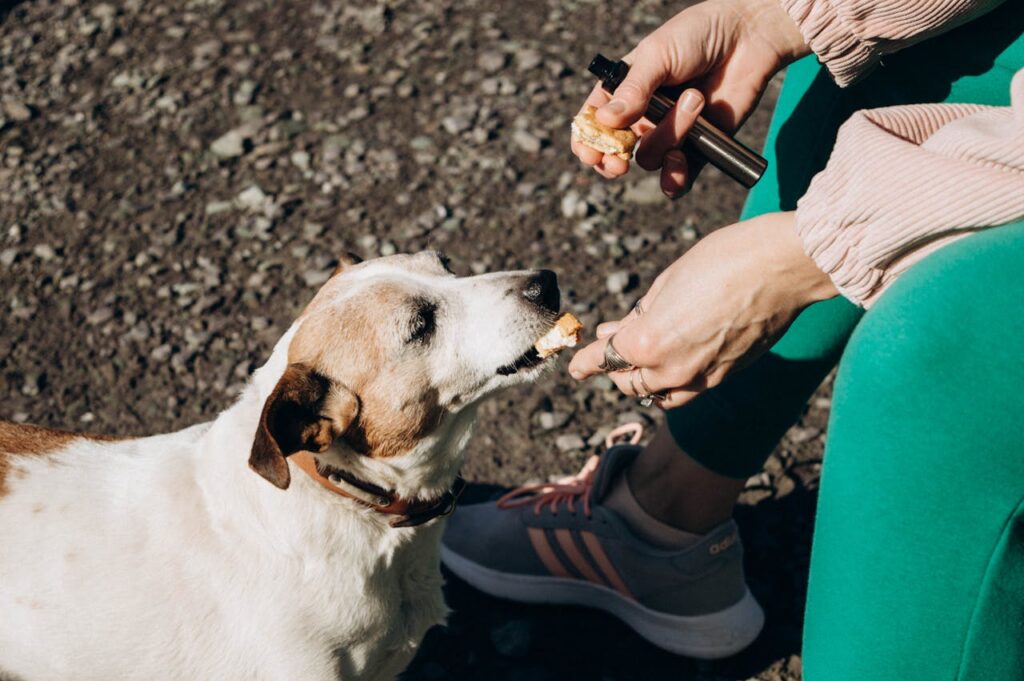
In addition to the toxic foods mentioned above, there are several other items that can harm your dog:
- Milk and dairy products: Many dogs are lactose intolerant because their lactase enzyme activity decreases with age. Consuming milk, cheese, or yoghurt can cause diarrhoea, bloating, and other digestive upsets.
- Raw meat, fish, and eggs: Can contain harmful bacteria (Salmonella, E. coli, Listeria) that cause food poisoning. Raw eggs also contain an enzyme called avidin, which interferes with the absorption of biotin (vitamin B7), potentially leading to skin and coat problems with long-term consumption. Raw fish (especially salmonids) can contain parasites that cause “salmon poisoning disease,” which is dangerous for dogs.
- Cooked bones: Heat-treated bones (especially chicken and tubular bones) become brittle and can splinter into sharp fragments. These fragments can injure the mouth, oesophagus, stomach, or intestines, cause choking, or lead to an intestinal obstruction. Never give your dog cooked or fried bones! Safer alternatives include specially designed chew bones and toys.
- Sweets, sugar, and baked goods: Excess sugar leads to obesity and dental problems, and can contribute to the development of diabetes. Many sweets contain the aforementioned toxic xylitol.
- Salt and salty foods: Excessive salt intake can lead to sodium ion poisoning. Symptoms include extreme thirst, frequent urination, vomiting, diarrhoea, tremors, elevated temperature, and seizures. Avoid giving your dog crisps, salted nuts, cured meats, and other salty human foods.
- Yeast dough: Raw yeast dough can continue to rise in the warm, moist environment of a dog’s stomach, causing it to distend and leading to severe pain. This can result in bloat (gastric dilatation-volvulus), a life-threatening condition. Furthermore, yeast produces ethanol (alcohol) during fermentation, which can cause alcohol poisoning.
- Human medicines: Never give your dog medicines intended for humans without consulting a vet! Many common over-the-counter and prescription drugs for humans (e.g., ibuprofen, paracetamol, naproxen) are extremely toxic to dogs and can cause stomach ulcers, kidney failure, or liver failure.
- Mushrooms: Some wild mushrooms are poisonous and can cause serious health problems or death. If you are not 100% certain a mushroom is safe, do not let your dog eat it. It’s best to avoid feeding your dog any mushrooms altogether, unless they are specifically cultivated and verified as safe (and even then, only after consulting your vet).
- Fruits with stones (peaches, plums, cherries, apricots): The flesh of these fruits is usually safe in small quantities, but their stones (pits) pose a double threat. Firstly, they can cause an intestinal obstruction or choking. Secondly, the stones contain cyanide, which is poisonous if chewed or damaged.
What to do if your dog eats something dangerous?
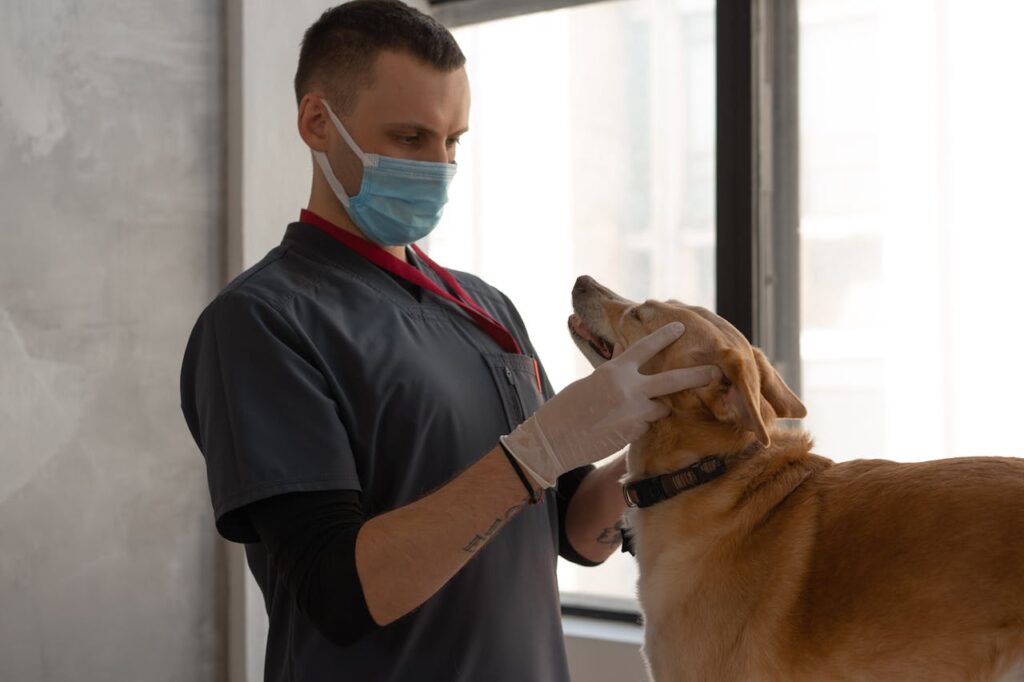
If you suspect your dog has eaten one of the forbidden foods, act quickly and calmly:
- Stay calm: Panic will not help.
- Remove any remaining product: Do not let your dog eat any more.
- Assess the situation: Try to determine WHAT your dog ate, HOW MUCH, and WHEN it happened. Note any symptoms.
- Call your vet immediately: This is the most crucial step. Provide the vet with all the information you have gathered. They will be able to assess the risk and give specific instructions. An urgent visit to the clinic may be necessary.
- Do not induce vomiting yourself: Never try to make your dog vomit without explicit instructions from your vet. For some toxins, or in certain situations (e.g., if the dog is already having seizures or breathing difficulties), inducing vomiting can be dangerous.
- Keep contact details handy: Keep the phone number of your veterinary practice (including out-of-hours emergency contacts) in an easily accessible place.
Conclusion: Safe Feeding – The Key to Your Dog’s Health
Love for a dog is shown not only through affection and play but also through a responsible approach to its nutrition. Knowing the list of dangerous foods and understanding the potential risks is the duty of every owner. The best way to avoid poisoning is to feed your dog high-quality, specialised dog food or a carefully selected natural diet agreed with a veterinary nutritionist, and never give food from your table without being completely sure it is safe.
Remember, this list is not exhaustive, and individual reactions can always occur. If you have any doubts about the safety of any food for your pet, it is best to consult your vet. A healthy and safe diet is your contribution to a long, happy, and active life for your four-legged friend. Take care of your pets!