

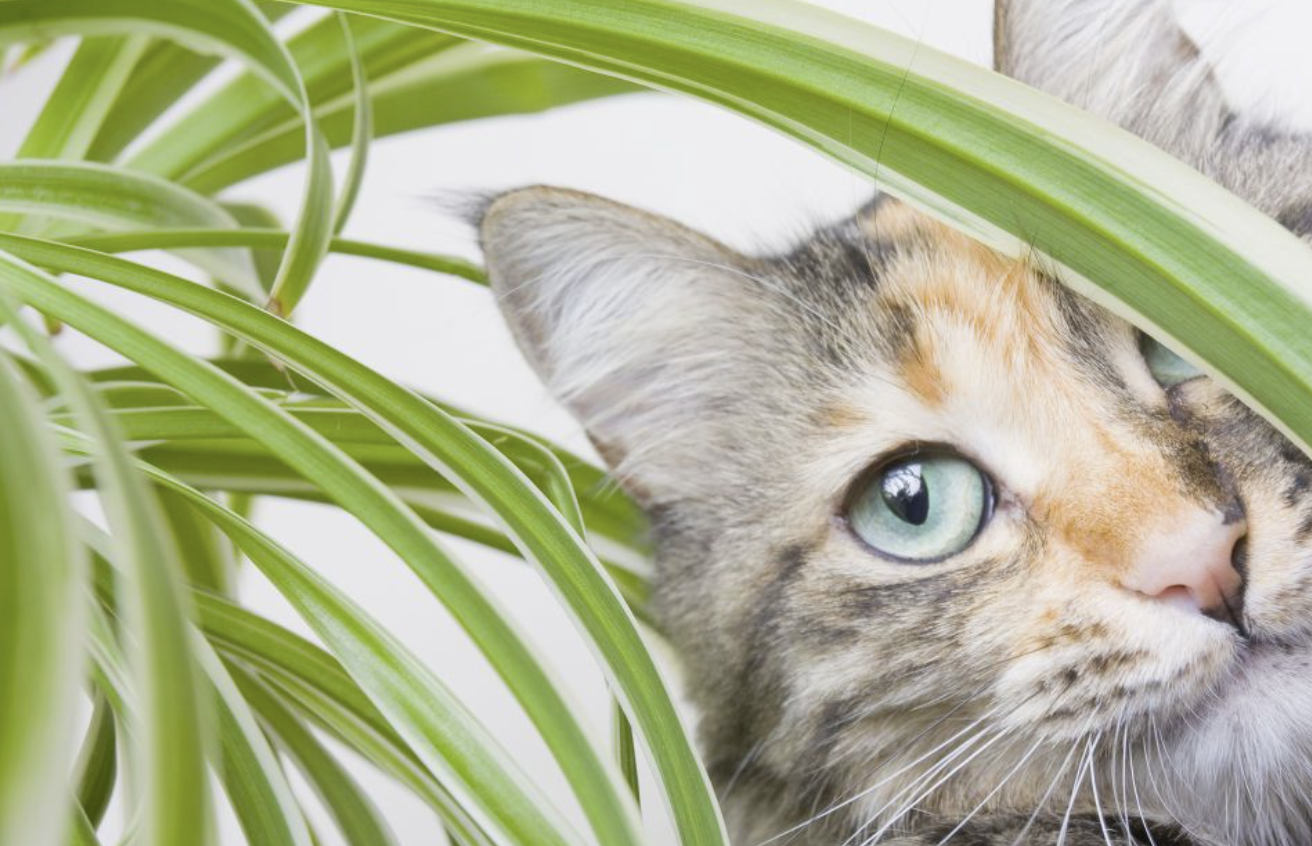
The aesthetic of a modern home is hard to imagine without vibrant accents that bring depth and freshness to a room. We select every detail of our decor with meticulous care, striving for a perfection worthy of the pages of top architectural magazines. Yet, in this pursuit of beauty, a treacherous danger often lurks for those who are the true soul of our home – our noble, purring companions. At tvaryny.com, we frequently emphasize that luxury must also encompass safety. The health of a pedigree cat is a delicate mechanism that requires almost jewelry-like precision to maintain.
Sophisticated lines, silky fur, and an aristocratic calm – these are the qualities for which we adore cats. But even the most well-behaved pet, whose manners could rival those of a British Lord, sometimes succumbs to the primal instinct to explore the world through taste. Feline curiosity is often as sharp as the instincts of a purebred English Foxhound on a scent trail. Consequently, the houseplants that delight our eyes can become fatal ingredients on your favorite pet’s menu.

Fatal Aesthetics: Top-10 Plants That Don’t Belong in a Cat-Friendly Home
For owners of active animals whose curiosity knows no bounds, choosing the right flora is a life-critical decision. High vigilance is definitly required if you have an energetic kitten or a cat that tends to nibble on unusual objects. Here is the list of plants you should immediately strike from your shopping list.
1. Lilies (Lilium and Hemerocallis)
This is arguably the most insidious enemy. With lilies, absolutely everything is toxic: from the delicate petals and pollen to the very water in the vase. A single brush against the pollen, which the cat later licks off during daily grooming, can lead to acute kidney failure. It is a tragic oxymoron: a flower that symbolizes purity bringing death. For a show-class cat, an encounter with a lily can end tragically in just a few hours.
2. Monstera (Monstera deliciosa)
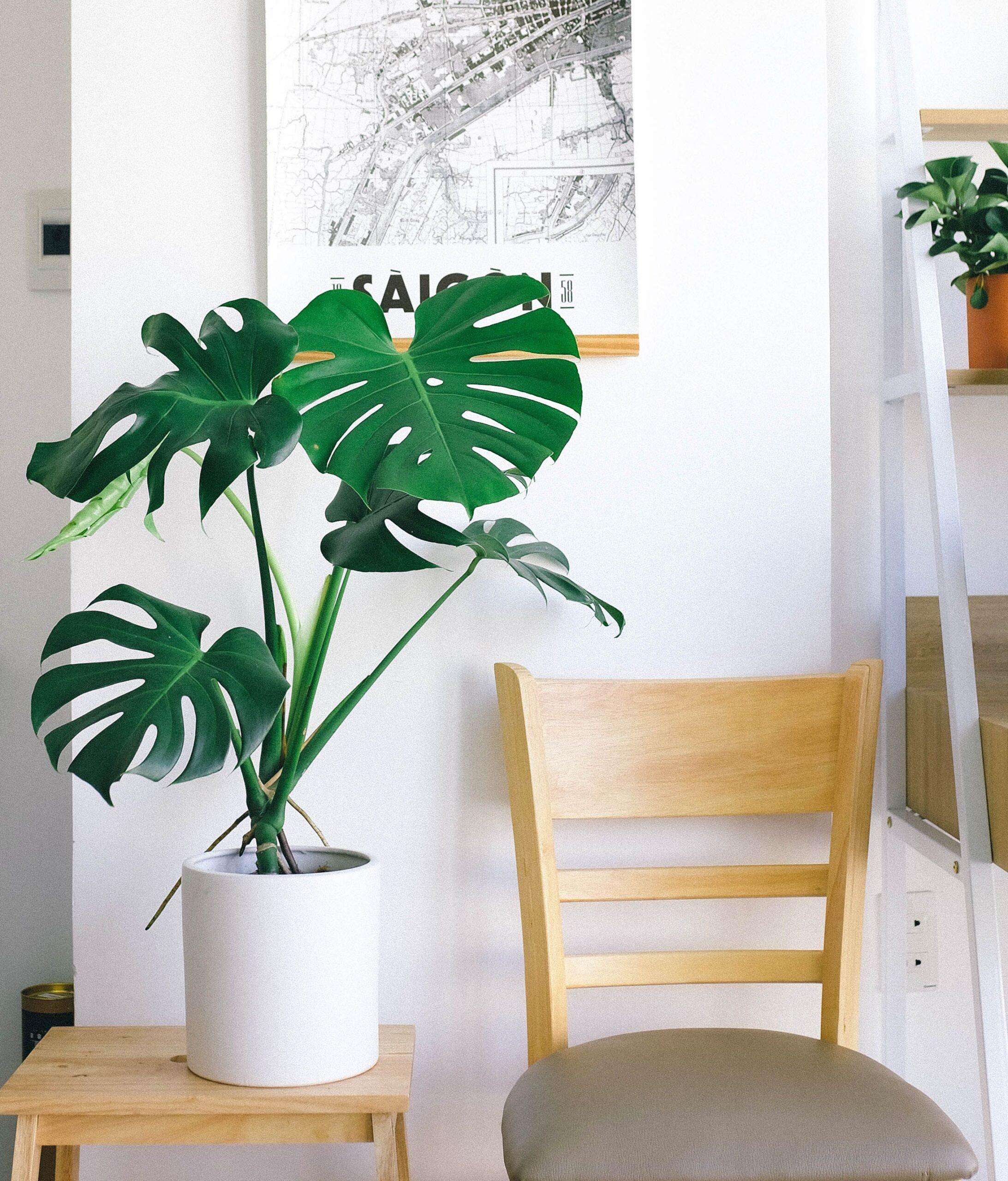
The symbol of modern Scandi-style and a favorite of every Instagram blog. Its luxurious, perforated leaves create a magnificent visual in any room. However, for a cat, the Monstera is a source of insoluble calcium oxalates. When a curious nose decides to nibble a leaf, microscopic crystals penetrate the oral mucosa, causing swelling, burning, and unbearable pain.
3. Dieffenbachia (Dieffenbachia)
A classic in offices and living rooms alike. The sap of this plant is so toxic that it triggers an almost instant reaction. Loss of voice – which is a true catastrophe for communicative Oriental breeds – as well as swelling of the tongue and breathing difficulties are just the tip of the iceberg. In severe cases, contact with the plant leads to total respiratory arrest.
4. Azaleas and Rhododendrons (Rhododendron)
These magnificent blooms look like a royal decoration. However, they contain grayanotoxins that disrupt the function of sodium channels in cells. The result? Heart rhythm disturbances, central nervous system depression, and seizures. Even a few consumed leaves can turn your cat’s life into a struggle for survival.
5. Cyclamen (Cyclamen)
Its bright flowers resemble butterflies resting on a green carpet of leaves. The highest concentration of toxins is found in the roots, but the parts above ground also pose a serious threat. Symptoms range from intense salivation to severe heart failure.
6. Aloe Vera (Aloe Vera)
A plant we are accustomed to seeing as a healer, yet it is a genuine poison for cats. The aloin contained in the leaves causes severe irritation of the digestive tract, vomiting, and a change in urine color. This is a case where what is healthy for humans becomes critically dangerous for the small predator.
7. Sago Palm (Cycas revoluta)
It looks exotic and lends a colonial flair to interiors. However, do not let its appearance fool you. Cycas contains cycasin, which causes severe liver damage. Even with intensive treatment, the prognosis remains unfavorable in many cases.
8. English Ivy (Hedera helix)
The refined vines hanging picturesquely from shelves can attract a cat’s attention through their movement in the slightest breeze. Ivy leaves contain saponins, which cause significant poisoning manifested by abdominal pain and hypersalivation.
9. Kalanchoe (Kalanchoe)
This succulent is often given as a symbol of endurance. However, the cardiac glycosides it contains act directly on the animal’s heart muscle, causing arrhythmias and collapse. It is a silent killer whose effects are often not immediately visible.
10. Poinsettia (Euphorbia pulcherrima)
The Poinsettia is an obligatory attribute of the winter holidays. Although its toxicity is sometimes exaggerated, the plant’s milky sap causes severe irritation of the mucous membranes, edema, and vomiting. This can ruin any celebration.
| Plant Name | Toxin | Primary Target |
|---|---|---|
| Lily | Unknown water-soluble toxin | Kidneys |
| Monstera | Calcium oxalates | Mouth and throat |
| Sago Palm | Cycasin | Liver |
| Kalanchoe | Cardiac glycosides | Cardiovascular system |
| Dieffenbachia | Proteolytic enzymes | Mucous membranes, breathing |
Your pet’s safety begins with your own awareness. A true animal lover with style is the owner who prioritizes their cat’s life over the latest interior design trends.
How to Recognize a Problem: Symptoms of Poisoning
Cats are masters at hiding pain. Their natural restraint often prevents an owner from noticing quickly when something is wrong. Nevertheless, there are signals that must not be ignored, especially when supporting an elderly cat’s health, as their vunerable systems may react more severely to toxins.
- Excessive drooling – the first signal of oral irritation.
- Sudden apathy and refusal of favorite treats or play.
- Change in gum color – they may become too pale or, conversely, intensely red.
- Disruption of movement coordination, which looks extremely atypical for such a graceful animal.
- Vomiting or diarrhea, often with traces of blood.
- Rapid or labored breathing, accompanied by wheezing.
If you notice any of these symptoms and bite marks have appeared on a plant near the vase – act immediately. In the world of high-end veterinary medicine, every minute counts. This is especially true for toxins that enter the bloodstream rapidly.
The Rescue Protocol: What an Owner Must Do
The first and most important rule – do not panic. Your calm is the guarantee of appropriate action. Do not try to treat the cat with “home remedies.” The organism of a pedigree animal can react unpredictably to improvised cures.
- Identfying the enemy. Take a photo of the plant the cat nibbled on or take a sample with you to the clinic. This helps the doctor choose the correct antidote quickly.
- Clean the mouth. If possible, gently wash the cat’s mouth with clean water to remove any sap residue.
- Do not induce vomiting on your own. Some toxins can damage the esophagus on the way back up, or the animal could choke.
- Urgent visit to the vet. Even if the cat looks “normal,” internal damage to the kidneys or liver may only appear after several days, when it is already too late.
Safe Alternative: Aesthetics Without the Risk
Does this mean your home must turn into a desert? Not at all. The world of floristry offers numerous varieties that emphasize the status of your interior while remaining perfectly safe. Moreover, some plants can be a useful addition to the diet.
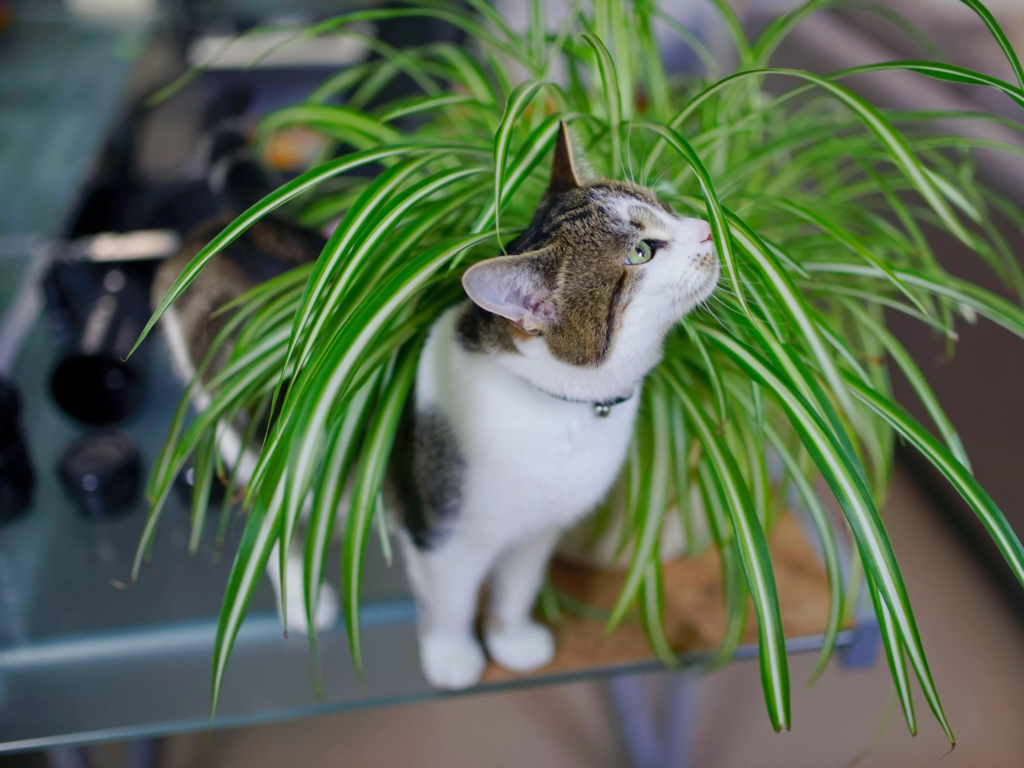
Opt for orchids of the Phalaenopsis genus – they look extremely elegant and pose no threat. The Spider Plant is not only safe but also excellent at purifying the air. For true connoisseurs, you can create a mini-garden with special cat grass or thyme. Remember, the flawless aesthetics of leaves are not worth your friend’s life.
Creating a safe environment is an art of compromise. We surround ourselves with luxury, but the true value of our home is the warm purr on our lap. When selecting each new plant, remember: you are not just decorating a space; you are creating a world where your cat must feel protected. Your pet’s health is the best investment in the harmony of your home.