

| Height | at withers 13–27 cm |
| Weight | 4–9 kg |
| Lifespan | 12–16 years |
| FCI group | 4 · dachshunds |
| Origin | Germany |
Exact ratings
Common health issues
Nutrition
Since ancient times, dogs have been faithful and indispensable companions to humans. In the modern world, there’s a huge variety of breeds, each with its unique traits and history. To choose a four-legged friend who will perfectly complement your life, it’s important to understand the characteristics of different breeds. If you’re looking for not just a dog, but a true companion — affectionate, energetic, intelligent, small in size but with a big and brave heart, then pay attention to the Dachshund. This unique hunting dog adapts wonderfully to any living conditions, be it a city flat or a country house, and will become a loyal member of your family. Read more about the specifics of care, character, and health of this amazing breed on Tvaryny.
Dachshund: A Brief Breed Overview
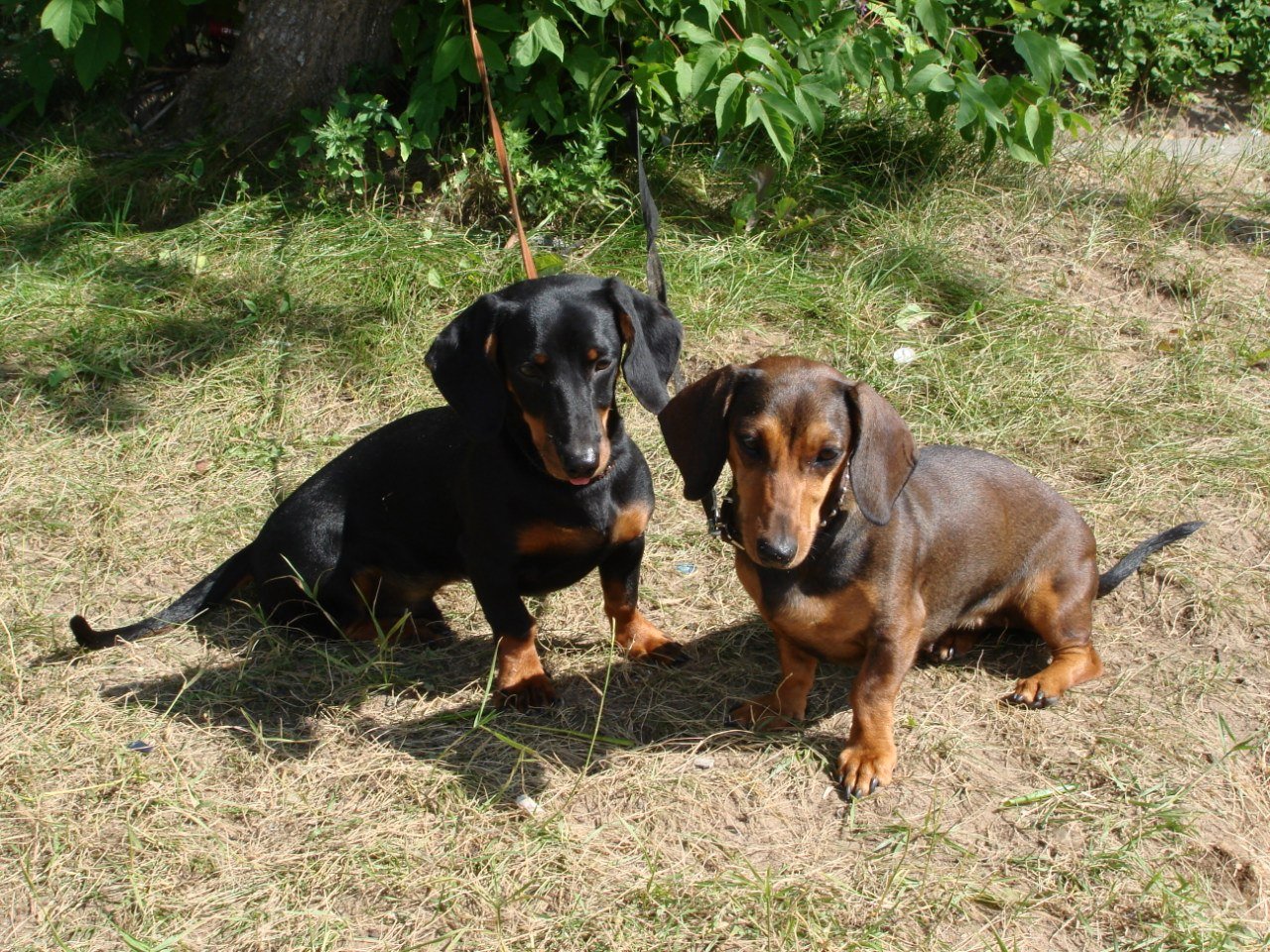
- Origin: Germany
- FCI Classification: Group 4. Dachshunds.
- Year of first official standard mention: 1888 (German Teckel Club)
- Lifespan: 12-16 years
- Height at withers (standard): up to 35 cm (determined by chest circumference)
- Weight: Depends on size (Rabbit Dachshund up to 3.5 kg, Miniature Dachshund up to 4 kg, Standard Dachshund up to 9-12 kg)
- Temperament: Brave, inquisitive, stubborn, loyal, playful, intelligent
- Use: Earth dog (hunting), companion
History of the Dachshund Breed
The history of the Dachshund stretches back centuries, though its exact origin remains a subject of debate. It is believed that the ancestors of Dachshunds were low-slung German scent hounds (Bracken). Images of short-legged hunting dogs have even been found in Ancient Egypt (18th–23rd century BCE), and ancient Greek historians Xenophon and Arrian mentioned similar canines. However, the purposeful breeding of a dog resembling the modern Dachshund began significantly later.
Germany became the key country in the formation of the breed. The name “Dachshund” literally translates as “badger dog” (dachs – badger, hund – dog), which directly indicates the primary purpose of these animals – hunting badgers, foxes, and other burrowing creatures. Their unique body – long, on short legs – was ideally suited for working underground. The first mentions of “badger” or “earth dogs” in German sources date back to the 16th-17th centuries.
Systematic selective breeding began in the 18th century, and official recognition came in the 19th century. In 1888, the German Teckel Club (Deutscher Teckelklub) was founded, which approved the first breed standard. Initially, only the smooth-haired variety existed, but later, through cross-breeding with Spaniels and Schnauzers/Terriers, long-haired and wire-haired Dachshunds were developed respectively.
Interestingly, the miniature varieties (Miniature and Rabbit Dachshunds) appeared later, likely with the involvement of Toy Pinschers. This might have influenced some features of their appearance, such as more prominent eyes, which is sometimes considered a fault.
The popularity of Dachshunds quickly grew not only in Germany but also beyond its borders. In particular, in Great Britain, they became favourites of the royal family thanks to Queen Victoria, who brought them from Germany. However, during the First and Second World Wars, the breed’s popularity in English-speaking countries sharply declined due to associations with Germany. Fortunately, over time, Dachshunds regained their deserved affection worldwide.
What the Dachshund Looks Like: Standard and Varieties
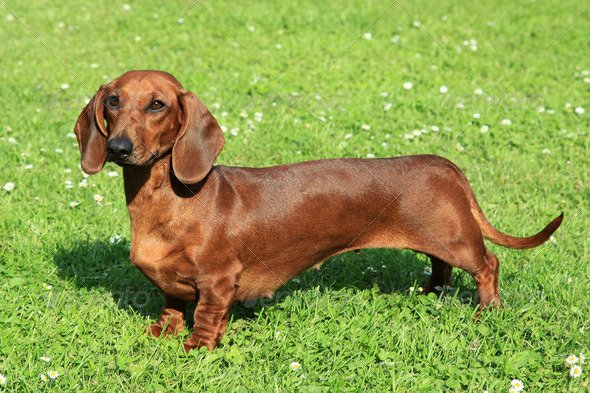
The Dachshund is a breed that impresses with its diversity. The main distinguishing feature is its elongated body on short, strong legs. This is a low-slung, but robust dog with well-developed musculature and a broad chest. The front legs are more massive than the rear, which is an adaptation for digging burrows. The topline should be straight. The muzzle is elongated, with a minimally expressed stop. The FCI standard identifies nine main varieties of Dachshunds, classified by two parameters: coat type and size (determined by chest circumference at an age of no less than 15 months).
Dachshund Coat Types
- Smooth-haired: The oldest type. The coat is short, dense, shiny, and lies close to the body. It requires minimal care, and effectively protects against dirt and moisture.
- Long-haired: The coat is soft, silky, straight or slightly wavy, longer on the ears, underside of the body, back of the legs, and tail (forming a “flag”). It requires regular brushing to prevent tangles. Long-haired Dachshunds are believed to have a calmer temperament compared to smooth-haired ones.
- Wire-haired: The coat is dense, harsh, wiry, with a well-developed undercoat. Characteristic features include thick “eyebrows,” “moustache,” and “beard” on the muzzle. It requires periodic stripping (plucking out dead hair) to maintain the correct structure and appearance. Wire-haired Dachshunds are often considered the most resilient and stubborn.
Dachshund Sizes
The size of a Dachshund is determined not by its height at the withers or weight (although approximate values exist), but by its chest circumference, measured at a minimum age of 15 months:
| Size | Chest Circumference (FCI) | Approximate Weight |
| Standard | Over 35 cm | up to 9-12 kg |
| Miniature | 30-35 cm | 4-5 kg |
| Rabbit | Up to 30 cm | up to 3.5 kg |
It’s important to note that in some countries (e.g., USA and Great Britain), classification may differ, with standard and miniature Dachshunds primarily distinguished by weight.
Dachshund Colours
Dachshunds have an extremely wide palette of colours:
- Single-coloured: Red (from light sand to rich mahogany), fawn. Small white markings on the chest are permissible, but not desirable.
- Two-coloured: Black and tan, brown and tan (chocolate), blue and tan (grey), Isabella and tan (lilac). Tan markings should be clearly defined, of a rich red or fawn colour.
- Dappled (merle): Primary colour (black, red, grey) with uneven grey or beige patches. Large patches are undesirable. Neither colour should dominate.
- Brindled: Primary red or fawn colour with dark (black) stripes.
White colour, with the exception of a small chest patch, is considered a serious fault in most colourations, except for dapple where it may be present as small patches.
Dachshund Character: Temperament and Behaviour
The Dachshund is a dog with a big personality in a small body. Its character is a vibrant cocktail of bravery, stubbornness, inquisitiveness, loyalty, and playfulness. One shouldn’t forget its hunting past: the instincts of pursuit and digging are very strong in Dachshunds. They are energetic, love active walks, exploring the world around them, and are ready to poke their long nose into every crevice.
Courage and independence: Dachshunds are fearless, sometimes to the point of recklessness. They might confront an opponent significantly larger than themselves, defending their territory or owner. This trait makes them excellent watchdogs – they will always warn with loud barking about the approach of strangers. At the same time, they are quite independent and can sometimes be very stubborn, especially if they feel their interests are being ignored.
Intelligence and cleverness: Dachshunds are intelligent dogs, capable of remembering many words and commands. They learn quickly, but their stubbornness can complicate the training process. They are also known for their cunning and ability to manipulate to achieve what they want (e.g., begging for treats).
Loyalty and sociability: Despite their independence, Dachshunds are very attached to their family and often choose one “main” owner to whom they are boundlessly devoted. They are affectionate, love being the centre of attention, and enjoy spending time with people. Most Dachshunds get along well with children, especially if they grow up together, and are ready to participate in their games. However, it’s important to teach children to respect the dog and its personal space.
Attitude towards other animals: With proper socialisation, Dachshunds can live with other dogs and even cats. However, their strong hunting instinct can pose a threat to small domestic animals (rodents, birds). It’s important to introduce them to other pets carefully and under supervision.
Love for comfort: Dachshunds appreciate cosiness. They adore soft beds, blankets, and will happily settle on their owner’s sofa or armchair, burrowing under a throw.
Need for activity: Despite their short legs, Dachshunds are active dogs that require regular walks and mental stimulation. They enjoy running, playing, and exploring new routes. Insufficient activity can lead to weight gain and behavioural problems.
It’s important to remember that every dog is an individual, and the character of a specific Dachshund may vary slightly depending on coat type (long-haired are often calmer), upbringing, and genetics. However, the general traits of the breed – bravery, intelligence, and loyalty – are characteristic of most of its representatives.
Dachshund Health: Typical Ailments and Prevention
Dachshund Care: Coat, Hygiene, Activity
Caring for a Dachshund is not overly complicated but has its specifics depending on the coat type and the overall needs of the breed.
Dachshund Coat Care
- Smooth-haired Dachshunds: Require minimal grooming. Wiping the coat with a damp cloth or a special glove 1-2 times a week is sufficient to remove dead hairs and dust and maintain its shine. They shed moderately.
- Long-haired Dachshunds: Require regular brushing (2-3 times a week, daily during shedding periods) with a comb and brush to prevent matting, especially on the ears, under the armpits, on the “trousers,” and tail. Periodic trimming of hair between the paw pads may be necessary.
- Wire-haired Dachshunds: Require regular brushing (1-2 times a week) and professional stripping (plucking out dead harsh hair) 2-4 times a year. Clipping with clippers is not recommended as it ruins the coat structure, making it soft and dull, which deprives the dog of its natural protection. It is also necessary to care for their “beard” and “eyebrows,” keeping them tidy.
Bathing and Hygiene
- Bathing: Bathe your Dachshund as needed, when they are genuinely dirty, using special dog shampoos. Too frequent bathing can strip the skin’s natural protective oily layer. For long-haired Dachshunds, conditioners can be used to facilitate brushing.
- Ears: Since Dachshunds have floppy ears, they are poorly ventilated, creating favourable conditions for infections to develop. Regularly (once a week) inspect the ear canals. Clean them with a special lotion and cotton pads only if there is visible dirt. Pay attention to any unpleasant odour or redness – this could be a sign of otitis. For long-haired Dachshunds, ensure food doesn’t get onto the hair on their ears.
- Eyes: Inspect the eyes daily. Small discharges in the corners can be removed with a clean, damp tissue. For abundant discharge, redness, or cloudiness, consult a vet.
- Teeth: Dachshunds are prone to plaque and tartar build-up. It is recommended to brush their teeth with a special brush and toothpaste for dogs 2-3 times a week (ideally – daily). You can also use special dental treats and toys. Regular oral check-ups at the vet are mandatory.
- Claws: Dachshunds’ claws grow quite quickly. If they don’t wear down naturally during walks on hard surfaces, they need to be trimmed regularly (approximately once every 2-4 weeks) with a special claw clipper. Puppies need the procedure more frequently. It’s important not to cut into the blood vessel inside the claw. If you are unsure, it’s best to entrust this procedure to a groomer or vet.
Activity and Walks
Dachshunds are energetic dogs that require daily walks (at least twice a day for 30-40 minutes). Walks should be active, with opportunities to run (in a safe place) and explore the territory. However, remember the risk of spinal injury: avoid jumping from heights and overly intense games with sudden turns. Provide your Dachshund with enough toys at home so they can satisfy their need for activity and chewing, without damaging your belongings.
Dachshund Training and Socialisation
Training a Dachshund can be both a fascinating and challenging process. Their intelligence and cleverness allow them to quickly grasp commands, but their stubbornness and independence require patience, consistency, and a positive approach from the owner.
Key Principles of Dachshund Training
- Early start: Begin training and socialisation as early as possible, literally from the first days of the puppy’s arrival in your home.
- Positive reinforcement: Dachshunds respond well to encouragement – praise, affection, games, and treats (use small pieces of special dog treats or regular kibble). Punishment and shouting are usually ineffective and can lead to even greater stubbornness or fear.
- Short and engaging sessions: Dachshunds quickly lose concentration. Conduct training in short sessions (5-10 minutes) several times a day. Make the sessions fun and game-like to maintain the dog’s interest.
- Consistency and clarity: Use clear, short commands and be consistent in your demands. All family members should adhere to the established rules to avoid confusing the dog.
- Patience and persistence: Don’t expect instant results. A Dachshund might “test your limits.” Be patient but persistent, calmly repeating commands and rewarding correct behaviour.
- Overcoming stubbornness: If your Dachshund refuses to obey a command, don’t insist with force. Try taking a step back, repeating a simpler command they know, rewarding them, and then returning to the more complex one. Sometimes it’s enough to simply change the motivation or take a break.
Dachshund Socialisation
Early and proper socialisation is extremely important for a Dachshund to grow into a well-balanced and confident dog. From an early age, familiarise your puppy with:
- Various people: Adults, children of different ages.
- Other dogs: Calm, well-behaved dogs of different breeds and sizes (under supervision).
- Various places and sounds: The street, park, transport, loud city noises.
- Various situations: Car rides, visits to the vet, groomer.
Positive experiences in puppyhood will help prevent the development of fears and aggression in the future.
Basic Commands and Skills
- Toilet training: Take your puppy outside frequently, especially after sleep, meals, and play. Praise and reward them when they relieve themselves outdoors.
- Basic commands: “Sit,” “Down,” “Stay,” “Come,” “Heel,” “Leave it” (or “No”), “Place.” These commands are essential for controlling your dog and ensuring its safety.
- Getting used to a lead and harness/collar.
- Barking control: Dachshunds are prone to barking. Teach the command “Quiet” or “Speak” to control this behaviour.
- Overcoming hunting instincts: Teach your dog to reliably return on the “Come” command to avoid chasing cats or other small animals during walks.
If you encounter difficulties in training or managing your Dachshund’s behaviour, don’t hesitate to seek help from a professional dog trainer.
Dachshund Nutrition: Key Recommendations
Pros and Cons of the Dachshund Breed
Like any breed, the Dachshund has its advantages and disadvantages, which potential owners should consider.
| Pros | Cons |
|---|---|
| Compact size: Convenient for flat living. | Predisposition to spinal problems (IVDD): Requires caution and prevention. |
| Loyalty and love for family: Very attached to owners. | Stubbornness and independence: Can complicate training. Requires a patient and consistent approach. |
| High intelligence and cleverness: Learns quickly (if it wants to). | Tendency to bark: Can be noisy, reacting to sounds or strangers. |
| Playful and energetic character: A wonderful companion for active people and games. | Strong hunting instinct: May chase small animals, dig holes in the garden. Requires reliable control on walks. |
| Bravery and guarding qualities: Despite its size, a good watchdog. | Tendency to obesity: Requires strict diet control and sufficient activity. |
| Variety of types (size, coat): You can choose a dog to suit your preferences. | Need for socialisation: Without proper socialisation, can be wary of strangers or aggressive towards other dogs. |
| Relatively uncomplicated care (especially smooth-haired): Does not require complex daily grooming (apart from long-haired and stripping for wire-haired). | Love for comfort can turn into a “couch potato” lifestyle: It’s important to ensure activity. |
| Gets along well with children (with proper upbringing of both). | Can be easily offended: Dislikes rough handling. |
Before getting a Dachshund, it’s important to soberly assess your capabilities and willingness to dedicate time to its upbringing, care, and ensuring safety for its specific build. It’s a wonderful friend for responsible owners.
Interesting Facts About Dachshunds
- “Badger Dog”: The breed name “Dachshund” literally means “badger dog” in German, indicating its original purpose.
- First Olympic Mascot: A Dachshund named Waldi was the first official mascot of the 1972 Summer Olympics in Munich, Germany. Its design symbolised endurance, perseverance, and agility – qualities inherent in both athletes and Dachshunds.
- Royal Favourites: Dachshunds were a beloved breed of Queen Victoria, which contributed to their popularity in Great Britain.
- Symbol of Germany: During World War I, the Dachshund became an unofficial symbol of Germany in the propaganda materials of the Entente powers, which negatively affected the breed’s popularity in the USA and Britain.
- Art and Dachshunds: Pablo Picasso adored his Dachshund named Lump, who often appeared in his photographs and even became the prototype for some of his works. Andy Warhol also had two Dachshunds, Archie and Amos, and frequently depicted them in his art.
- “Sausage Dog”: The informal name “wiener dog” or “sausage dog” originated from the Dachshund’s characteristic long body shape.
- Nine Varieties: Officially, there are 9 varieties of Dachshunds (3 coat types x 3 sizes), making them one of the most diverse breeds.
- Dachshund Races: In some countries (e.g., Australia, USA), humorous Dachshund races (Wiener Races) are popular, where these short-legged sprinters compete over short distances.
Frequently Asked Questions About the Dachshund Breed
Is a Dachshund suitable for flat living?
Yes, thanks to their compact size, Dachshunds adapt well to flat living provided they get sufficient daily walks and activity. They love comfort and appreciate a cosy home.
Do Dachshunds shed a lot?
The level of shedding depends on the coat type. Smooth-haired ones shed moderately throughout the year. Long-haired ones shed seasonally and require regular brushing. Wire-haired ones shed the least but require stripping.
Are Dachshunds noisy?
Dachshunds can be quite noisy. They have a loud bark and are prone to barking at strangers, sounds behind the door, or when they are bored or need something. Early training and teaching the “Quiet” command can help control this trait.
Is a Dachshund easy to train?
Dachshunds are intelligent but stubborn. Training requires patience, consistency, and positive reinforcement. They can learn quickly but sometimes “pretend not to hear” if a command is not interesting to them. It’s important to find the right motivation.
Do Dachshunds get along with children?
Usually, yes. Dachshunds can be wonderful companions for children, especially if they grow up together. However, it’s important to teach the child to respect the dog, not to disturb it during sleep or meals, and not to cause it pain. Due to the risk of spinal injury, small children should not be allowed to lift a Dachshund.
Can a Dachshund be left alone at home for a long time?
Dachshunds are very people-oriented and can suffer from loneliness, which sometimes manifests as destructive behaviour or excessive barking. It is not recommended to leave them alone for a full working day regularly. If this is unavoidable, provide the dog with a safe space, toys, and gradually accustom them to your absence.
How can spinal problems in Dachshunds be prevented?
The most important things are weight control, avoiding jumping from heights, correctly lifting the dog, and moderate physical activity without sudden movements. Using ramps for furniture can also be beneficial.
Does a Dachshund need special clothing?
Smooth-haired Dachshunds, especially miniatures, can get cold in chilly weather due to their short coat and their body’s proximity to the ground. In frosty or damp weather, they may need a warm jumpsuit or jumper.
What breeds are similar to the Dachshund in temperament or appearance?
While the Dachshund is unique, some character traits (e.g., stubbornness and hunting instincts) can be found in terriers. In terms of small size and companion qualities, they can be compared to breeds like the Shih Tzu or the Pomeranian. If you’re looking for similar hunting dogs, consider the Basset Hound, the Alpine Dachsbracke, or the Drever.
Video About the Breed
- Compact, suitable for a flat
- Brave and devoted
- An excellent “doorbell” — alert
- Interesting hunting temperament
- High risk of spinal discs (IVDD)
- Stubbornness — harder to train
- Yappy, prone to digging
- Must not jump from height/gain weight
| Basset Hound | Welsh Corgi Pembroke | Jack Russell Terrier | |
|---|---|---|---|
| Height | 33–38 cm | 25–30 cm | 25–30 cm |
| Energy | 3 | 4 | 5 |
| Apartment | 4 | 4 | 3.5 |
| Beginners | 3 | 3.5 | 3 |
Can a Dachshund jump off the sofa?
Why do Dachshunds bark and dig?
Is a Dachshund easy to train?
FCI Standard No. 148 · The Kennel Club
For apartments · For kids · For beginners · Active · Smartest · Hypoallergenic · All rankings →