

| Height | 46–56 cm |
| Weight | 12–20 kg |
| Lifespan | 12–15 years |
| FCI group | 1 · sheepdogs |
| Origin | Great Britain |
Exact ratings
Common health issues
Nutrition
Border Collies are widely considered to be the most intelligent dogs in existence. Without a doubt, this is a special breed, renowned for its high intelligence and boundless energy. These gifted dogs demand constant exercise and attention. If you are thinking of getting a Border Collie, be prepared for it to take up all your time. They need engaging walks and regular training sessions every single day, otherwise their pent-up energy could lead them to turn your house into a pile of rubble. You can discover more about what this entails on Tvaryny.
Border Collie: A Brief Breed Overview
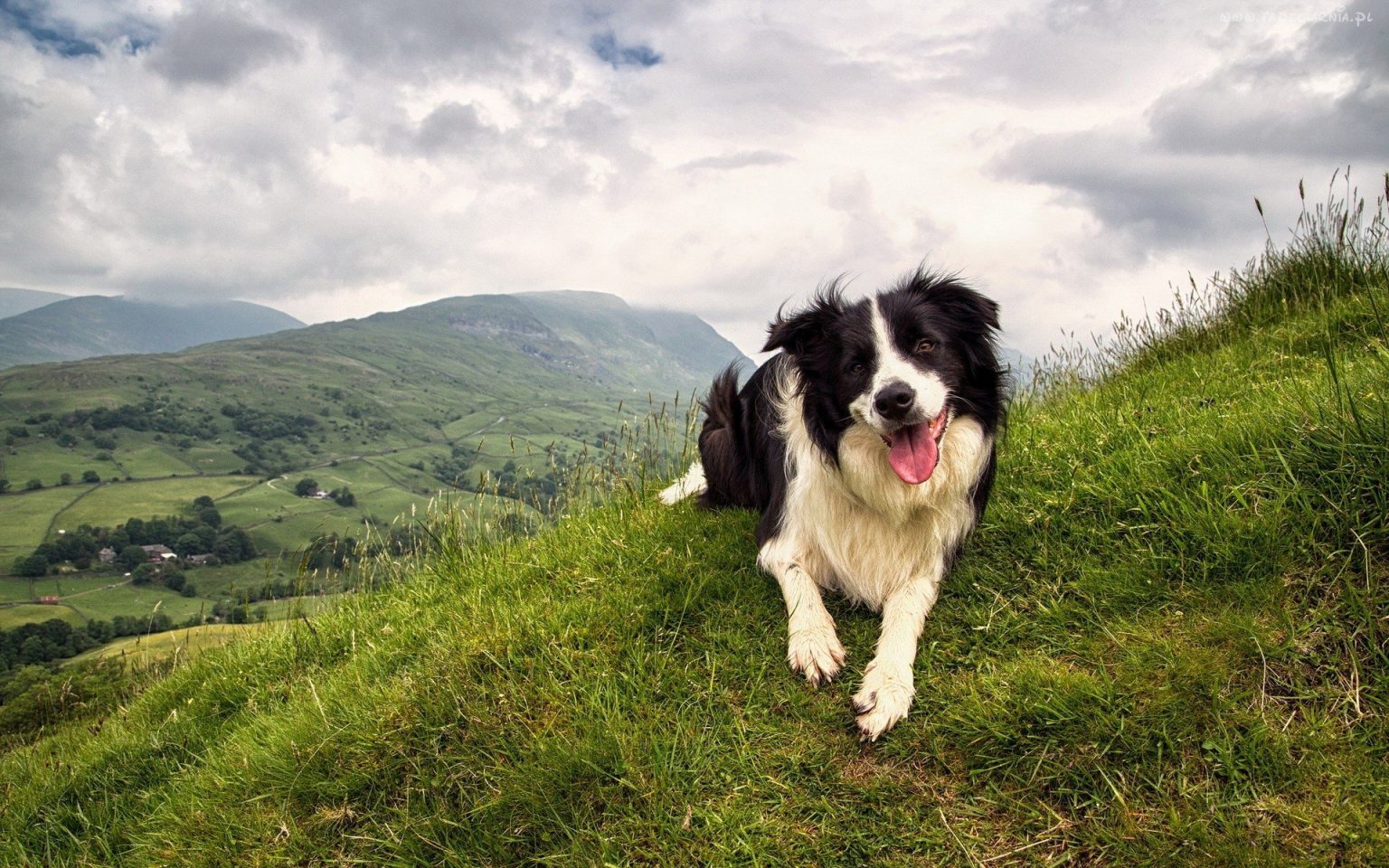
| Characteristic | Details |
|---|---|
| Origin | United Kingdom (border of England and Scotland) |
| Year of first mention / name registration | Circa 1570 / 1915 (James Reid) |
| Lifespan | 12-16 years |
| Height at the withers (males) | 48-56 cm |
| Height at the withers (females) | 46-53 cm |
| Weight | 12-20 kg (depending on sex and build) |
| FCI Group | Group 1. Sheepdogs and Cattle Dogs (except Swiss Cattle Dogs). Section 1. Sheepdogs. Without working trial. |
History of the Border Collie Breed
The history of the Border Collie breed stretches back into the distant past, with some records suggesting the first mentions of similar dogs date as far back as 1570. However, the official name “Border Collie” was registered much later, in 1915, thanks to James Reid, who at the time was the head of the International Sheep Dog Society (ISDS) in Great Britain. Before then, these talented dogs were known by various names: Working Collie, Traditional Collie, English Collie, or Farm Collie. The word “border” in the name points to the breed’s geographical origin – the border territories between England and Scotland, specifically the county of Northumberland. It is believed that the breed was developed by crossing old English sheepdogs, possibly with some Spaniel blood mixed in, which gave them their agility and sharp intellect. These dogs owe their immense popularity to Queen Victoria, who was an ardent admirer of the breed and considered them truly priceless. This has led to the Border Collie being referred to as a “royal breed”. From 1906, the ISDS took an active role in supporting and developing the breed, focusing primarily on preserving and enhancing their working qualities. Official recognition by The Kennel Club came much later, in 1976.
What Does a Border Collie Look Like: Appearance
The Border Collie is a medium-sized dog, gracefully and proportionally built, combining strength, stamina, and agility. They should not appear coarse or overly shaggy. An important proportion is that the length of the muzzle and the skull are approximately equal. The head should be well-defined but not massive.
Eyes on a Border Collie are oval, medium-sized, and usually brown (from light to dark brown). In dogs with a merle coat, blue eyes (one or both) are permissible, as is heterochromia (eyes of different colours). Their gaze is very expressive, intelligent, alert, and penetrating.
Ears are of a medium size and texture, set wide apart. They can be pricked or semi-pricked, and the tips are often mobile, indicating the dog’s attentiveness. They are very sensitive to sounds.
The muzzle is moderately short, strong, and tapers towards the nose. The nose is black, except in brown or chocolate dogs where it is brown, and in blue merle dogs where it can be slate grey. The nostrils are well-developed.
The body is athletic in build, slightly longer than the height at the withers. The back is strong, and the loin is deep and muscular but not tucked up. The chest is deep and fairly broad, with well-sprung ribs.
The tail is moderately long, set low, and its length reaches at least the hock joint. It is well-feathered. When calm, the dog holds its tail low, usually with a slight upward curve at the tip. When excited or in motion, the tail may be raised, but it is never carried over the back.
The coat of a Border Collie comes in two types: moderately long (rough) and short (smooth). Both types have a dense, soft undercoat that provides good protection from the weather. In the long-haired variety, the fur forms a mane, “trousers,” and a bushy tail. On the muzzle, ears, and front legs (from the wrist to the ground), the coat is always short and smooth. A well-kept coat should have a healthy shine.
The colours of Border Collies are very diverse. The most classic and common is black and white. However, the breed standard allows for many other variations: tricolour (black with white and tan markings), red and white, chocolate and white, blue merle, red merle, sable, brindle, and others. White may be present as markings on the muzzle, neck (collar), chest, limbs, and tip of the tail, but it should never be the dominant colour. All-white dogs are not permitted by the standard.
Border Collie Character: Temperament and Behaviour
The Border Collie is a true whirlwind of energy combined with outstanding intelligence. They are relentless, fast, agile, and always ready for action and learning. These dogs are full of life, but their high activity level requires a great deal of attention and commitment from their owner. They need not just physical exercise, but mental stimulation as well. You could say you have to become their flock of sheep, providing tasks that engage their sharp minds. Beyond basic commands, Border Collies can easily master complex tricks and tasks, provided their owner has enough imagination and patience.
If you are an active person who loves sports, is constantly on the move, and is ready for daily intellectual challenges, the Border Collie could be your perfect companion. They will certainly never let you get bored. They are very sociable dogs that form a strong bond with their family. If you have a large family, a Border Collie will try to give everyone their attention. They are wonderful companions and, thanks to their intelligence and eagerness to please, can become excellent guide dogs or therapy dogs.
In their interactions with children, Border Collies are usually caring and patient, but it’s important to remember their strong herding instinct. They may try to “herd” small children by gently nipping at their heels. This isn’t aggression, but an instinct that needs to be corrected from an early age. With strangers, they are typically reserved but not aggressive if properly socialised. Early and comprehensive socialisation is key to developing a well-balanced character.
Border Collies do not tolerate loneliness and can suffer from destructive behaviour if left without attention and activities for long periods. They need constant human contact and active involvement in family life.
Border Collie Health: Common Illnesses and Prevention
Caring for a Border Collie: Coat, Activity, and Housing
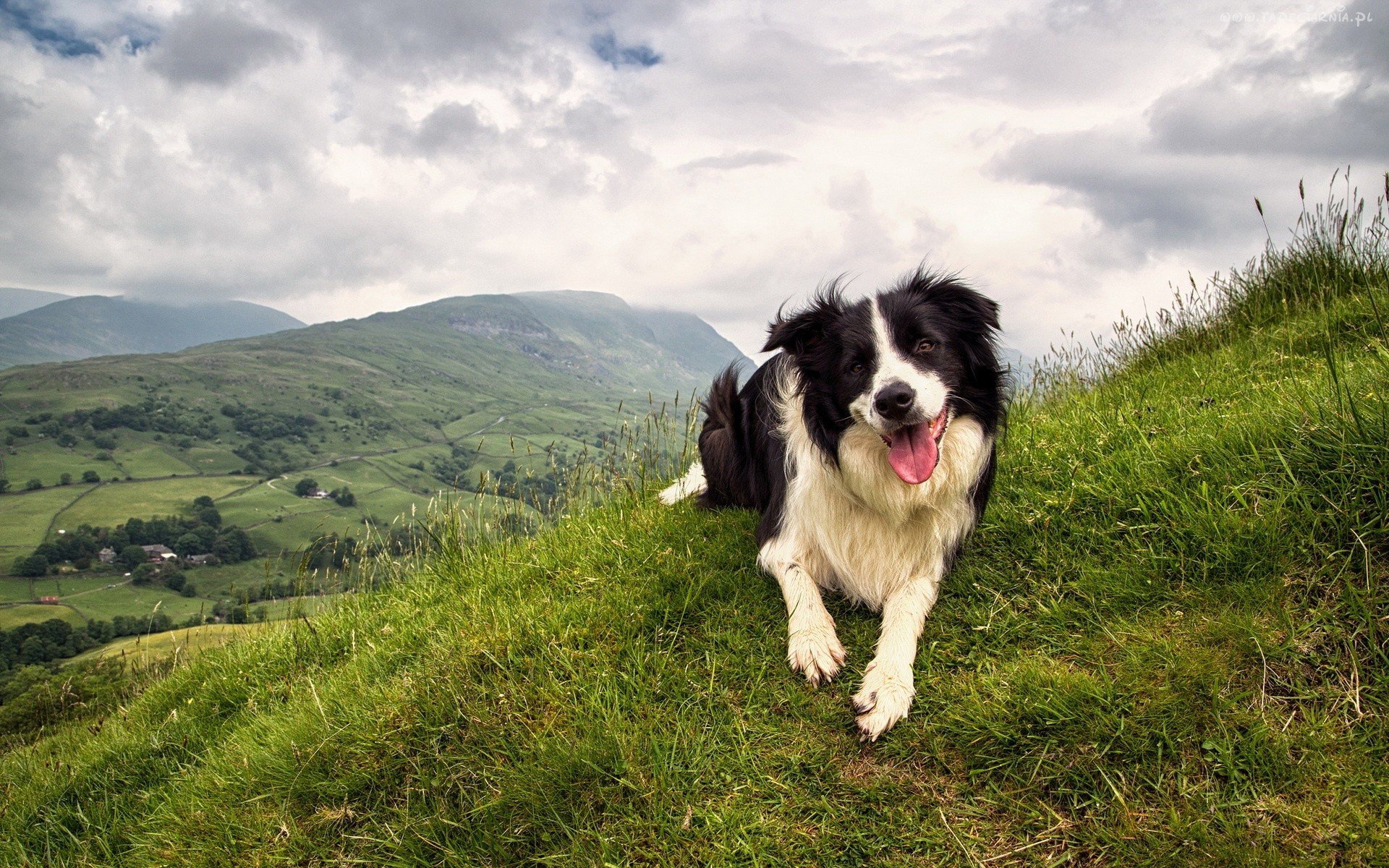
Caring for a Border Collie is not overly complicated, but it does require regularity and attention to the needs of this active breed.
Grooming:
Regardless of the coat type (long or short), Border Collies need regular brushing. It is recommended to brush them 2-3 times a week with a stiff brush or a special comb to remove dead hair and prevent mats from forming, especially in long-haired individuals. During the shedding season, which usually occurs twice a year, you will need to brush the dog more often, perhaps daily. A massage comb can improve skin circulation and promote the growth of a healthy, silky coat. Bathe a Border Collie infrequently, only when necessary, using mild dog shampoos to avoid drying out the skin and coat. Frequent bathing can strip the coat of its natural protective oils. Remember to regularly inspect their skin for any signs of irritation, redness, or parasites.
Activity and Housing:
Undoubtedly, the best place for a Border Collie is a house in the country with a large, securely fenced garden where the dog can run and play freely. However, they can adapt to life in a flat, but only if the owner can provide them with daily, long, and intensive physical exercise. A simple walk on a lead is just a warm-up for a Border Collie. They need active games, running, frisbee, agility, or at least the opportunity to run off-lead in a safe area. A minimum of 1.5-2 hours of active engagement per day is a necessity for this breed. In addition to physical exercise, don’t forget about mental stimulation: scent work games, learning new commands, and interactive toys.
Border Collies don’t tend to get used to one specific spot in the house. They love to be near their owner and follow them around, so they often change their resting place. Provide them with a comfortable place to sleep, but be prepared for them to choose it themselves.
Other Aspects of Care:
- Nails: A Border Collie’s nails grow quite quickly, especially if the dog doesn’t have the chance to wear them down naturally on hard surfaces during walks. Check their nails regularly and trim them as needed with special dog nail clippers. Overly long nails can hinder the dog’s movement and cause discomfort.
- Ears: Regularly check the ears for dirt, redness, or any unpleasant smell. Clean them as needed with special canine ear lotions.
- Teeth: To prevent tartar build-up and gum disease, it’s recommended to regularly brush your dog’s teeth with a special toothbrush and toothpaste for dogs, or to give them special dental treats.
- Parasite Control: Don’t forget about regular treatment for fleas, ticks, and worms, following your vet’s recommendations.
Training and Socialisation of a Border Collie
For a Border Collie, training is not just an important part of their upbringing; it’s a vital necessity. These dogs were bred to work in close partnership with humans, and their remarkable intelligence requires constant engagement. They are exceptionally clever and capable of learning a huge number of commands and performing complex tricks – the main thing is that you have enough imagination and consistency.
Key Aspects of Training:
- Start Early: Begin socialisation and basic training from a young age, as soon as your puppy arrives home.
- Positive Reinforcement: Border Collies respond best to training methods based on positive reinforcement (treats, praise, play). Harsh methods or punishment can lead to a loss of trust and an unwillingness to cooperate.
- Consistency and Clarity: You must be consistent in your demands and commands. All family members should follow the same rules.
- Leadership: It is important to establish yourself as a calm, confident, and fair leader. Despite their devotion, Border Collies can be quite independent and may try to test boundaries. They need a leader they can trust and respect.
- Variety: Monotonous training sessions will quickly bore this intelligent dog. Bring variety to your sessions, invent new tasks and games.
- Maintaining Focus: Although very smart, Border Collies can also be easily distracted due to their high sensitivity to their surroundings. Start training in a quiet place, gradually increasing the difficulty of the environment. Using high-value treats can help keep their attention.
- Herding Instinct: Remember their strong herding instinct. If you don’t plan to use the dog for livestock work, this instinct needs to be channelled into a safe outlet (e.g., games with a ball, frisbee, or specific dog sports like treibball). Do not allow the dog to “herd” people or other animals.
Socialisation:
Early and proper socialisation is critically important for a Border Collie. Introduce your puppy to different people, sounds, places, and other animals (under supervision). This will help them grow into a confident, calm, and well-adjusted dog. Insufficient socialisation can lead to fearfulness or excessive reactivity.
Border Collies excel in various dog sports, such as agility, obedience, flyball, freestyle (dog dancing), and herding trials. Participating in such activities will not only provide the necessary physical and mental stimulation but will also strengthen your bond with your dog. Remember, for a Border Collie, the worst punishment is boredom and inactivity. Their intelligence and energy need a constant outlet.
Feeding a Border Collie: Key Recommendations
Pros and Cons of the Border Collie Breed
Before getting a Border Collie, it’s important to weigh all the pros and cons to understand if this breed is the right fit for you.
| Pros | Cons |
|---|---|
| Outstanding Intelligence: Considered one of the smartest dog breeds, they are easy to train, capable of learning a huge number of commands, and performing complex tasks. | Needs Constant Mental Stimulation: Without intellectual challenges, they get bored and can become destructive or develop behavioural problems. |
| High Energy and Activity: Ideal companions for active people and athletes; they love long walks, running, and games. | Requires Significant Physical Exercise: Not suitable for sedentary people or those not prepared to dedicate at least 1.5-2 hours a day to active pursuits. |
| Loyalty and Attachment to Family: Very human-oriented, they become true members of the family. | Can Suffer from Loneliness: They do not cope well with their owners being absent for long periods and can develop separation anxiety. |
| Excellent Trainability: They grasp new concepts quickly and excel in various dog sports (agility, obedience, flyball). | Can Be Stubborn and Try to Dominate: Requires consistent training and a confident leader. Can be challenging for novice owners. |
| Good Herding Instincts: If needed, they can be excellent working dogs. | Strong Herding Instinct: May try to “herd” children, other animals, or even objects, which requires correction. May nip at heels. |
| Generally Good with Children and Other Animals (with proper socialisation). | Needs Early and Intensive Socialisation: Without it, they can be fearful or overly reactive to strangers or new situations. |
| Relatively Low-Maintenance Coat (especially the smooth-coated type). | Prone to Certain Genetic Diseases: It’s crucial to choose a puppy from a responsible breeder. |
| Potential to be Excellent Therapy or Guide Dogs. | Can be “Too Smart” for Some Owners: Capable of manipulating or finding ways around rules if training is not consistent enough. |
Interesting Facts About Border Collies
- The Smartest Breed: Border Collies consistently rank first in intelligence ratings by many cynologists and researchers, including Stanley Coren, author of “The Intelligence of Dogs.” They can learn a new command in fewer than 5 repetitions and obey it 95% of the time.
- The “Herding Eye”: Border Collies have a unique trait known as “the eye.” It is an intense, hypnotic stare they use to control a flock of sheep, often without barking or physical contact.
- Guinness World Record Holders: A Border Collie named Chaser made it into the Guinness World Records for knowing the names of over 1,000 objects (toys). Another Border Collie named Striker set a record for the fastest opening of a non-electric car window (11.34 seconds).
- Film Stars: Thanks to their intelligence and trainability, Border Collies are often featured in films and commercials. For example, dogs of this breed starred in the film “Babe” and its sequels.
- Versatile Workers: Besides herding, Border Collies are successfully used in search and rescue operations, as therapy dogs, guide dogs, and in various dog sports.
- Variety of Colours: Although black and white is the most famous colouration, Border Collies can come in many other colours and combinations, including merle, tricolour, red, and sable.
- Tireless Workers: Border Collies can work for hours without visible signs of fatigue, especially when it comes to their beloved herding work. Their stamina is impressive.
- Origin of the Name: The name “Border Collie” comes from the word “border,” as the breed was developed on the border between England and Scotland. The word “Collie” likely comes from a Celtic word meaning “useful” or from the name of a type of Scottish sheep, the “Coalley sheep.”
Frequently Asked Questions about Border Collies
Is a Border Collie suitable for living in a flat?
Yes, a Border Collie can live in a flat, but only if the owner provides them with daily, intensive physical exercise (a minimum of 1.5–2 hours of active walks, games, and training) and sufficient mental stimulation. Without this, the dog will become bored and may become destructive.
Do Border Collies shed a lot?
Yes, Border Collies do shed, especially seasonally (in spring and autumn). Regular brushing (2–3 times a week, and daily during shedding season) will help control the amount of hair around the house.
Are Border Collies good with children?
Usually, yes. Border Collies can be wonderful companions for children, especially if they grow up together. However, it’s important to teach children how to behave properly around a dog, and to teach the dog to control its herding instinct (not to “herd” children or nip at their heels). Always supervise interactions between small children and any dog.
Are Border Collies noisy?
Border Collies are not an overly noisy breed, but they may bark to alert you to strangers, during play, or if they are bored and seeking attention. Proper training and sufficient exercise will help to control barking.
How long do Border Collies live?
The average lifespan of a Border Collie is 12–16 years, but with proper care, a good diet, and an active lifestyle, they can live even longer.
Are Border Collies easy to train?
Thanks to their high intelligence, Border Collies are very easy to train and memorise commands quickly. However, their intelligence also means they get bored with repetitive tasks and can be quite cunning. A creative approach, consistency, and positive reinforcement are required.
Do Border Collies need a special diet?
A special diet is not usually necessary, but their food should be high-quality, balanced, and meet the high energy needs of the breed, especially if the dog is very active. It is important to choose premium or super-premium foods or to carefully compose a natural diet.
Similar Breeds and Useful Links
If you’re interested in the Border Collie, you might also be curious about other pastoral breeds with a similar temperament or purpose. For example, the Australian Shepherd, also known for its intelligence and energy, is often compared to the Border Collie, though it has its own unique traits. Another interesting breed is the Dutch Shepherd, which is a versatile working dog. If you are looking for a more “classic” collie, take a look at the Smooth Collie or its smaller relative, the Shetland Sheepdog, or Sheltie, which are also intelligent and devoted companions. For those interested in strong and brave herding dogs of French origin, the Beauceron could be an interesting choice.
Video about the breed
- The smartest — learns instantly
- Unbeatable in agility/sport
- Devoted and sensitive
- Hard-working, with a strong work ethic
- Needs an enormous workload
- Boredom → destruction and neuroses
- Strong herding instinct (chases everything)
- Not for a flat or the inactive
| Australian Shepherd | Shetland Sheepdog | Belgian Shepherd | |
|---|---|---|---|
| Height | 46–58 cm | 33–41 cm | 56–66 cm |
| Energy | 5 | 4 | 5 |
| Apartment | 2 | 4 | 2 |
| Beginners | 2.5 | 3.5 | 2 |
Is a Border Collie suitable for a flat?
Is a Border Collie easy to train?
Can a Border Collie live in a family with children?
FCI Standard No. 297 · The Kennel Club
For apartments · For kids · For beginners · Active · Smartest · Hypoallergenic · All rankings →