

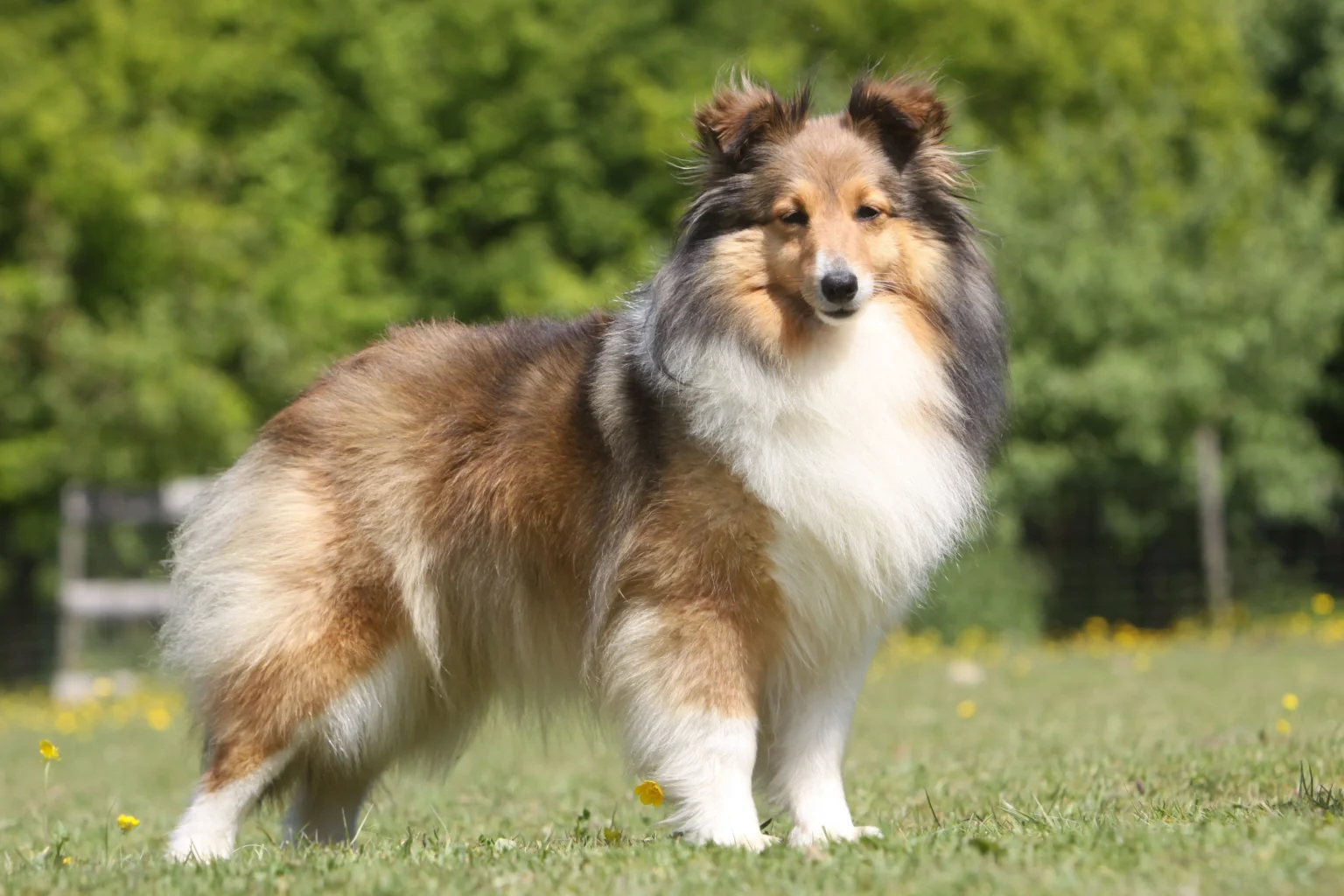
| Height | 33–41 cm |
| Weight | 6–12 kg |
| Lifespan | 12–15 years |
| FCI group | 1 · sheepdogs |
| Origin | Scotland (Shetland Islands) |
Exact ratings
- Medication sensitivity (MDR1)
- Collie eye anomaly (CEA)
- Dermatomyositis
- Hypothyroidism
- Hip dysplasia
Quality food for small/medium breeds, with weight control; regular brushing. Before medication — an MDR1 test.
Shelties (Shetland Sheepdogs), affectionately known as “miniature Collies”, are not just beautiful dogs, but also incredibly intelligent, loyal, and energetic companions. They absolutely adore being the centre of attention and will try every trick in the book to achieve it, easily lifting spirits and making their owners’ lives brighter and happier. And if you have children in the house, playing with funny, fluffy, and cheerful Shelties will be a real treat for them. A Sheltie can so charmingly display their teeth by opening their mouth that it looks as if the dog is smiling. Some members of the breed wash themselves with a paw or cross their paws, just like cats. Shelties are very sociable and sensitive little dogs who carry themselves with dignity. They are always devoted to their owner and strive to please in every way. Dogs of this breed are “from head to tail” family-oriented, enjoying plenty of interaction with their family and warm cuddles. You can read more about them on Tvaryny.
Sheltie: A Brief Breed Overview
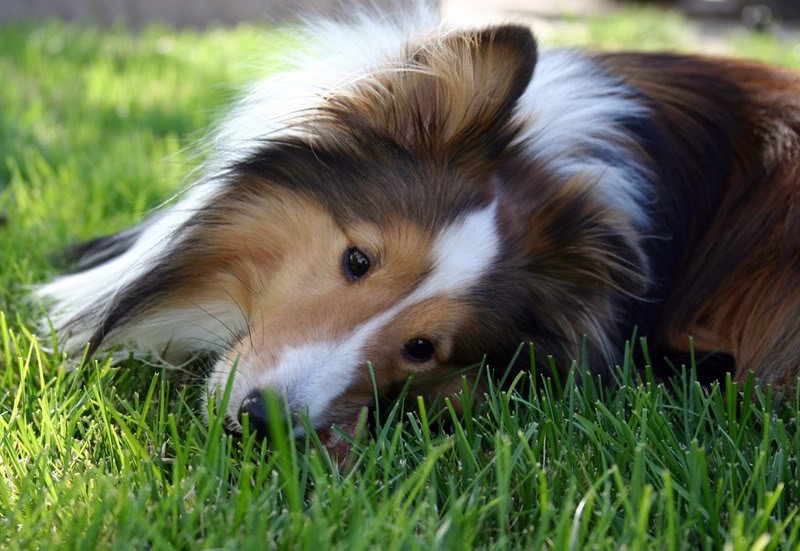
| Characteristic | Description |
| Origin | United Kingdom (Shetland Islands) |
| Year of First Mention | 1907 (recognition of the Shetland Collie breed by the English Kennel Club), 1914 (name change to Shetland Sheepdog) |
| Lifespan | 12-15 years |
| Height at Withers | Males: 37 cm (± 2.5 cm); Females: 35.5 cm (± 2.5 cm) |
| Weight | 6-12 kg |
| Temperament | Intelligent, alert, gentle, active, loyal |
| Activity Needs | High |
| Tendency to Bark | High |
| Coat Care | Regular, especially during shedding |
History of the Sheltie Breed
The Sheltie breed gets its name from the Shetland Islands, located approximately 80 km north of the coast of Scotland. These harsh, windy islands became the homeland for small but resilient dogs. In ancient times, islanders crossbred local dogs with representatives of other breeds to improve their working qualities. Initially, these dogs were called “toonie dogs,” meaning “farm dog” or “small dog from the town/farm.” The primary purpose of these animals was not so much to herd large flocks, but rather to bark and deter unwelcome guests (animals and birds) from small gardens and to alert their owners to danger. Not infrequently, Shelties also accompanied shepherds, helping to drive small flocks of Shetland ponies, semi-wild sheep, and miniature cattle. It is believed that the ancestors of modern Shelties were local Spitz-type dogs, possibly related to the now-extinct Greenland Yakki Dog. The Norwegian Buhund, Icelandic Sheepdog, Schipperke, various Spitz breeds, and even the Cavalier King Charles Spaniel might have also contributed to the breed’s development, potentially adding silkiness to the coat and certain character traits. The Sheltie gained its more recognisable, elegant appearance in the early 20th century, as a result of purposeful crossbreeding with the Scottish Sheepdog, famously known as the Rough Collie. Breeders aimed to create a miniature version of the Collie, while preserving its working qualities and endurance. The first breed club was established in the Shetland Islands in 1908, and in 1909, the English Kennel Club recognised the breed under the name “Shetland Collie.” However, due to protests from Collie breeders, the name was changed to “Shetland Sheepdog” in 1914.
What a Sheltie Looks Like: A Detailed Description of Appearance
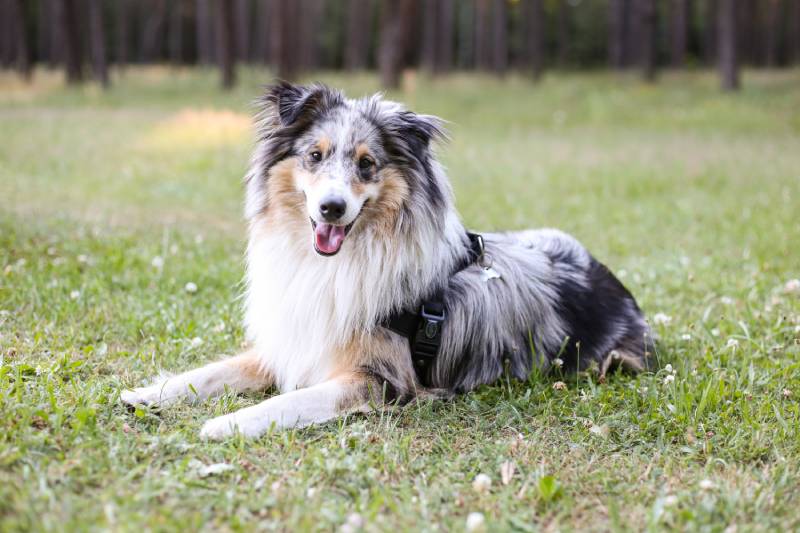
The modern Sheltie is a small, harmoniously built dog with long, profuse fur and a refined, wedge-shaped muzzle that slightly resembles a fox’s. It exudes alertness, intelligence, gentleness, and activity. Of course, the Sheltie’s main pride is its luxurious furry “coat,” which includes a splendid frill on the chest, a beautiful mane on the neck, and a bushy tail. This is a small but exceptionally beautiful dog, with symmetrical and proportionate body features, a thick woolly coat, and an incredibly kind, intelligent gaze.
- Head: Wedge-shaped, refined, but not overly narrow, tapering gradually from the line of the ears to the tip of the nose. The skull is flat, moderately wide between the ears, with an unpronounced occipital protuberance. The stop (transition from forehead to muzzle) is smooth but noticeable.
- Muzzle: Well-filled under the eyes, equal in length to the skull. Lips dry, tightly fitting. Jaws strong, with a perfect, even scissor bite.
- Eyes: Medium-sized, almond-shaped, set obliquely. Eye colour is dark brown, except for blue merle dogs, in which one or both eyes may be blue or have blue flecks. The expression of the eyes is alert, intelligent, gentle, and inquisitive.
- Ears: Small, moderately broad at the base, set fairly close together on the top of the head. When at rest, they are laid back, but when alert, they rise, with the tips (approximately 1/3 of the ear) tilting forward.
- Body: Slightly longer than the height at the withers. The back is straight, the loins slightly arched, the croup slopes gently to the base of the tail. The chest is deep, reaching the elbow joints. Ribs are well-sprung.
- Tail: Set low, reaching the hock joints, abundantly covered with hair. When in motion, it may lift slightly, but never carried over the back.
- Limbs: Forelegs – straight, muscular, with good bone. Hindlegs – muscular on the thighs, with well-angulated hock joints. Paws oval, compact, with tightly closed toes and strong pads.
- Coat: Double. The outer coat is long, straight, and harsh to the touch. The undercoat is soft, short, and very dense. The mane, frill, and “breeches” on the hindquarters are particularly profuse. The hair on the muzzle, ear tips, and front of the limbs is short.
- Colour:
- Sable: From light golden to rich mahogany. May be with white markings (on chest, collar, paws, tail tip) or without them.
- Tricolour: Intensely black body with bright reddish-tan markings on the muzzle, above the eyes, on the legs, and under the tail. White markings are obligatory.
- Blue Merle: A clear silvery-blue background with black patches and streaks (marbling). Bright reddish-tan markings are desirable, but their absence is not a fault. Large black patches, slate, or rusty tinge are undesirable. White markings are obligatory.
- Black and White: Intensely black with white markings.
- Black and Tan: Intensely black with tan markings, with no or minimal white markings.
Sheltie Character: Temperament and Behaviour
The Sheltie is a dog ideally suited to modern lifestyles, even though their ancestors were hardworking herders. They’ll be equally happy in a country house with a large garden or a small city flat, but with one important condition: they must feel their owner’s constant attention, love, and care. Shelties are incredibly people-oriented dogs. They strive to be close to their family, participate in all household activities, and often literally follow their owner “like a shadow.”
These dogs are renowned for their high intelligence and quick wit. Shelties learn rapidly, easily pick up new commands and tricks, and often seem to understand human speech. Their trainability makes them successful participants in various canine sports such as agility, obedience, and flyball. However, their intelligent minds require constant stimulation; a bored Sheltie can become destructive or excessively vocal.
A Sheltie has a huge array of sounds with which to express their various feelings and emotions. A Sheltie can grumble, groan, whimper, whine piteously, and joyfully “talk”. Displeasure might be shown by a quiet gurgle, and uneasiness by howling. Barking is a characteristic trait of the breed. Historically, they were used to warn of danger, so they tend to bark at strangers, other noises, or anything that catches their attention. Early socialisation and teaching the “Quiet!” command will help to manage this tendency.
Shelties, much like people, exhibit diverse temperaments. Some dogs are serene and composed, while others are remarkably active and nimble. Some thrive on being the centre of attention, while others prefer to discreetly keep their distance, especially around unfamiliar faces. Caution towards strangers is typical of the breed, but this should not escalate into timidity or aggression. A well-socialised Sheltie will be polite, albeit reserved, with strangers. They are highly devoted to their families and can be excellent companions for children, provided the children are taught to treat the dog with respect. Shelties are gentle and patient, but due to their small size, they can be injured by rough handling. They also typically get along well with other dogs and household pets, especially if raised together. However, their herding instinct might manifest as attempts to “herd” small children or other animals, gently nipping at their heels. Much like other herding breeds such as the Old English Sheepdog (Bobtail) or the less common Dutch Smoushond, Shelties thrive on tasks and shared activities with their human companions.
Sheltie Health: Common Ailments and Prevention
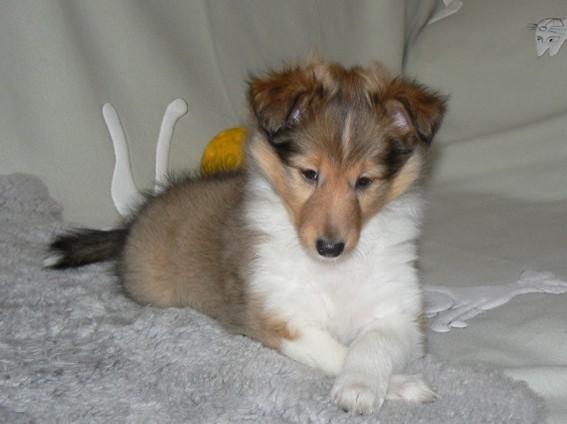
Overall, the Sheltie breed is considered quite healthy with a good immune system, and many of its representatives live long and active lives, often reaching 12-15 years. However, like many other breeds, Shelties are prone to certain hereditary diseases. Responsible breeders conduct genetic tests and careful selection of breeding pairs to minimise the risk of transmitting these diseases to their offspring.
- Eye Diseases:
- Collie Eye Anomaly (CEA): A hereditary disease affecting the choroid and retina of the eye. It can manifest in varying degrees, from a mild form with no impact on vision to complete blindness.
- Progressive Retinal Atrophy (PRA): A group of diseases leading to gradual degeneration of photoreceptor cells in the retina, ultimately resulting in blindness.
- Corneal Dystrophy: May manifest as clouding of the cornea.
- Cataracts: Clouding of the lens, which can lead to impaired vision.
- Dermatomyositis (DMS): A hereditary autoimmune disease affecting the skin and muscles. More common in Collies and Shelties. Can cause skin lesions, hair loss, and in severe cases, muscle problems.
- Musculoskeletal Diseases:
- Hip Dysplasia: Less common than in large breeds, but it does occur. Improper development of the hip joint, which can lead to arthritis and pain.
- Patellar Luxation: Dislocation of the kneecap, more common in small breeds.
- Endocrine Diseases:
- Hypothyroidism: Insufficient activity of the thyroid gland, which can lead to weight gain, lethargy, skin, and coat problems.
- Other Issues:
- Von Willebrand’s Disease (vWD): A hereditary blood clotting disorder.
- Epilepsy: Seizures whose cause is not always known.
- Sensitivity to certain medications (MDR1 mutation): Some Shelties (like Collies and other related breeds) have a genetic MDR1 mutation that makes them sensitive to certain medications (e.g., ivermectin). The use of such drugs can be dangerous, even fatal. It is important to discuss all medications with your vet.
- Predisposition to obesity: Shelties should not be overfed, as they easily gain excess weight. Obesity worsens the dog’s overall condition, increasing the strain on joints and heart.
Prevention:
- Choosing a Puppy: Buy a puppy from a responsible breeder who tests their dogs for hereditary diseases.
- Regular Veterinary Check-ups: Allow for early detection of problems.
- Balanced Nutrition and Weight Control: Prevents obesity and related issues.
- Sufficient Physical Activity: Maintains muscle and joint health.
- Vaccination and Parasite Treatment: Protects against infectious diseases.
- Discussing Treatment: Always check with your vet about the safety of medications, especially if an MDR1 mutation is suspected.
| Puppy Age | Recommended Vaccinations | Protection Against |
|---|---|---|
| 6-8 weeks | First comprehensive vaccine (DHPPi/DAPPv) | Canine Distemper, Adenovirus (Infectious Hepatitis), Parvovirus Enteritis, Parainfluenza. |
| 10-12 weeks | Second comprehensive vaccine (DHPPi/DAPPv + L) | Re-vaccination against Distemper, Adenovirus, Parvovirus, Parainfluenza + Leptospirosis. |
| 12-16 weeks | Rabies vaccine. Third comprehensive (depending on the schedule and vaccine, may be only Leptospirosis or full re-vaccination DHPPi/DAPPv + L). | Rabies. Re-vaccination for strong immunity. |
| 1 year (or one year after the last puppy vaccination) | Re-vaccination with comprehensive vaccine (DHPPi/DAPPv + L) and rabies vaccine. | Immunity maintenance. |
| Annually or every 3 years (depending on vaccine and vet recommendations) | Re-vaccination with comprehensive vaccine and rabies vaccine. | Lifelong protection. |
How to Care for a Sheltie’s Coat and Other Grooming Aspects
The luxurious double coat of a Sheltie is one of the breed’s most distinctive features, but it requires regular and thorough care to remain healthy, beautiful, and tangle-free. Despite its length, a Sheltie’s coat is not as difficult to maintain as it might seem at first glance, provided certain rules are followed.
- Brushing: This is the most crucial procedure. It is recommended to brush your Sheltie 2-3 times a week, using a good quality brush with long bristles (a slicker brush) and a metal comb with varying tooth densities. Special attention should be paid to areas where the fur is densest and prone to matting: behind the ears, on the “ruff”, “breeches”, and under the armpits. You should brush right down to the skin to remove dead undercoat and prevent it from felting. During seasonal shedding (usually spring and autumn), Shelties shed quite profusely, and during this period, daily brushing may be necessary.
- Bathing: Shelties do not require frequent bathing. Usually, it is sufficient to bathe them once every 2-3 months or as they get dirty. Too frequent washing can disrupt the natural oil balance of the skin and coat, making it dry and brittle. Use only high-quality shampoos and conditioners designed for dogs with long coats. After bathing, the coat should be thoroughly dried with a hairdryer (on a low or medium setting), while simultaneously brushing, to prevent matting and add volume to the coat.
- Nail Care: Regularly trim their nails, approximately once every 3-4 weeks, or as they grow. If your dog walks a lot on hard surfaces, their nails may wear down naturally, but they still need to be monitored. Overly long nails can cause discomfort when walking and deform the paw.
- Ear Care: Regularly check their ears for dirt, redness, or unpleasant odour. Clean the ear canal using a special ear cleaning lotion and a cotton pad once a week or as needed. Do not use cotton buds to clean the ear canal to avoid damaging it.
- Eye Care: Inspect their eyes daily. Small discharges in the corners of the eyes can be gently removed with a clean, damp cloth or a special lotion. If the discharges are profuse, purulent, or the eyes are red, consult a vet.
- Dental Care: Brushing their teeth with a special dog toothbrush and toothpaste 2-3 times a week will help prevent plaque, tartar, and gum disease. Special dental treats and toys can also be used.
Sheltie Training and Socialisation
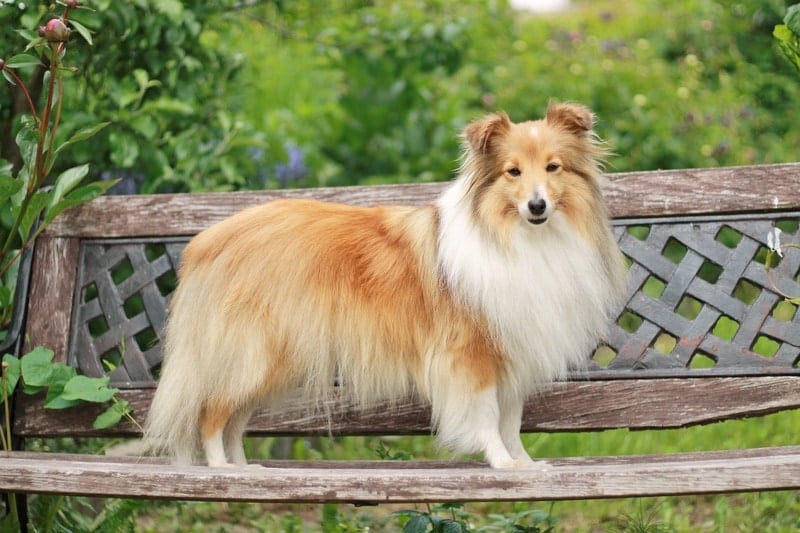
The Sheltie is one of the most intelligent and easily trainable dog breeds. They consistently rank highly in canine intelligence assessments, making the training process enjoyable and effective. Despite their small size, Shelties are true herding dogs, possessing an innate desire to work with and please their human companions. The key to successful Sheltie training lies in positive reinforcement, patience, consistency, and an understanding of their sensitive nature.
Key principles for Sheltie training:
- Early Start: Begin training and socialisation from the very first days your puppy arrives home.
- Positive Methods: Shelties respond wonderfully to praise, treats, toys, and affection. Harsh methods, shouting, or physical punishment are absolutely unacceptable. Such approaches can severely damage the dog’s character, potentially making them spiteful, stubborn, fearful, and timid. It’s sufficient to show them the difference between incorrect and correct command execution with a soft voice and clear signals.
- Short and Engaging Sessions: Shelties learn quickly but can get bored with monotonous repetitions. Keep training sessions brief (10-15 minutes several times a day for puppies, longer for adult dogs), varied, and fun.
- Consistency: All family members should adhere to the same rules and commands to avoid confusing the dog.
- Socialisation: This is an extremely vital aspect of raising a Sheltie. Introduce your puppy to various people, sounds, places, and other animals (after appropriate vaccinations) in a safe and controlled environment. A well-socialised Sheltie will grow into a confident and well-adjusted dog, rather than a timid or excessively barking one.
- Bark Control: Shelties have a tendency to bark. It’s important to teach them the “Quiet!” command from an early age and redirect their attention when they start barking without cause.
- Herding Instinct: Shelties have highly developed herding instincts. They may try to “herd” children, other pets, or even cars, gently nipping at their heels. This behaviour needs to be gently corrected and redirected to games (e.g., with a ball or frisbee). When out walking, it’s advisable to be more cautious, especially near roads, and keep the dog on a lead in dangerous areas.
- Dog Sports: Thanks to their intelligence, quick reactions, cleverness, and agility, Shelties excel in various dog sports: agility, obedience, flyball, freestyle (dog dancing), and herding (if opportunities arise). Engaging in sports not only provides the necessary physical and mental exercise but also strengthens the bond between dog and owner.
Remember that training a Sheltie is not just about teaching commands, but also about building a trusting and harmonious relationship with your beloved pet. Their intelligence and eagerness to please make them similar to some other clever sheepdog breeds, for example, the energetic Smooth Collie, although the Sheltie has its own unique traits. Also, they share characteristics with the Rough Collie, a larger cousin, equally intelligent and devoted.
Sheltie Nutrition: Key Recommendations for Health
Proper nutrition is the foundation of your Sheltie’s health, longevity, and well-being. As a small but active breed, it’s crucial to select a balanced diet that provides all the necessary nutrients, vitamins, and minerals, without leading to excessive weight gain, to which Shelties are prone.
Feeding Types:
- Commercial Dry Food: Many owners opt for high-quality dry food of premium or super-premium class, formulated for small or medium-sized active breeds. Such foods are already nutritionally balanced and contain all the necessary components. Choose food where meat ingredients are listed prominently in the ingredient list.
- Natural Feeding (Raw/BARF): This requires careful planning and knowledge to ensure a complete diet. If you choose this path, be sure to consult with a veterinary nutritionist. An approximate raw feeding diet for an adult Sheltie might look like this:
- Meat and Meat Products (approximately 60-70% of the diet): Lean beef, veal, turkey, chicken (if no allergies), rabbit. Meat should be given raw (previously frozen) or lightly cooked. Organ meats (heart, liver, tripe) are also beneficial – 1-2 times a week.
- Grains (approximately 15-20%): Rice, buckwheat. Porridge should be cooked in water or a lean broth.
- Vegetables and Fruits (approximately 10-15%): Carrots, pumpkin, courgettes, apples (without seeds), greens. Vegetables can be given raw (grated) or lightly stewed. Avoid: large quantities of potatoes, cabbage (can cause bloating), grapes and raisins (toxic to dogs), onions, and garlic.
- Fermented Dairy Products (approximately 5-10%): Low-fat cottage cheese, kefir, natural yoghurt without additives. Give 2-3 times a week.
- Eggs: 1-2 times a week (boiled or as an omelette).
- Vegetable Oil: A few drops (flaxseed, olive oil) to improve coat condition and digestion.
Important aspects of Sheltie nutrition:
- Portion Control: Shelties are a small breed, so they don’t eat much. Strictly adhere to the recommended feeding guidelines (indicated on the food packaging or calculated by a vet for natural feeding) to prevent your dog from gaining excess weight.
- Feeding Frequency: An adult Sheltie is usually fed twice a day (morning and evening). Puppies are fed more frequently: 3-5 times a day, gradually reducing the number of meals as they age.
- Protein Quality: For your pet’s coat to be beautiful, thick, and voluminous, their diet must be of high quality, with a sufficient content of easily digestible animal protein.
- Fresh Water: Your dog should always have access to clean, fresh water.
- Treats: Treats should make up no more than 10% of the daily diet. Choose healthy treats or use pieces of their main food.
- Forbidden Foods: Chocolate, xylitol (sweetener), alcohol, coffee, fatty, fried, smoked, salty foods, hollow bones.
Pros and Cons of the Sheltie Breed
Like any breed, Shelties have their advantages and disadvantages that potential owners should consider before getting such a dog.
| Pros of the Sheltie Breed | Cons of the Sheltie Breed |
|---|---|
| High intelligence and trainability: Shelties are very smart, quickly learn commands and tricks, and aim to please their owner. This makes them excellent students. | Tendency to excessive barking: As guard dogs in the past, Shelties can bark a lot at any stimuli. They require training to control barking. |
| Loyalty and love for family: They become very attached to their owners and are wonderful companions. They get along well with children (provided children treat them properly). | Need for regular grooming: Their long double coat requires frequent brushing (2-3 times a week, daily during shedding) to avoid mats. They shed quite profusely. |
| Compact size: Well-suited for living in both flats and private homes. | Sensitivity: They react poorly to roughness, shouting, or harsh training methods. They require a patient and positive approach. |
| Energetic and playful: Love active games, walks, and excel in dog sports. | Caution towards strangers: Can be shy or distrustful of unfamiliar people if not properly socialised. |
| Beautiful appearance: Elegant “fox-like” muzzle and luxurious coat make them very attractive. | Herding instinct: May try to “herd” children or other animals, gently nipping at their heels. This behaviour needs correction. |
| Long-lived: With proper care and health, they live 12-15 years and longer. | Need for mental stimulation: If a Sheltie gets bored, they can become destructive or bark even more. |
| Get along well with other animals: Especially if raised together. | Predisposition to weight gain: It is necessary to control their diet and ensure sufficient physical activity. |
Interesting Facts About Shelties
- “Mini-Collie”: Shelties are often called miniature Collies due to their external resemblance, but they are a separate breed with their own history and standard. Although Collies were indeed used to improve the breed in the early 20th century.
- Chatty Dogs: Shelties are known for their wide range of sounds – they can not only bark but also howl, whimper, grumble, and “talk,” expressing various emotions.
- “Sheltie Smile”: Some Shelties have the charming ability to raise their lips and show their teeth in a way that looks like a smile. This is usually a sign of submission or a friendly greeting.
- Shepherds of More Than Just Sheep: On the Shetland Islands, their ancestors helped not only with sheep but also deterred birds and other animals from small gardens, and could even “herd” ponies.
- Excellent Athletes: Thanks to their intelligence, agility, and desire to work with humans, Shelties achieve great success in agility, obedience, flyball, freestyle (dog dancing), and herding work (if the opportunity arises). They often become winners in competitions.
- Don’t Like Solitude: Shelties are very family-oriented and do not cope well with prolonged solitude. They strive to always be close to their owner.
- Colour Variety: Shelties come in several officially recognised colours, including sable, tricolour, blue merle, black and white, and black and tan. Each colour is beautiful in its own way. Some people compare their luxurious coat to that of a Pomeranian, although the coat structure and overall appearance of the breeds are different.
- Sensitivity to Voice: Shelties are very sensitive to the intonation of their owner’s voice. They quickly understand when they are being praised and when they are displeased, even without words.
Frequently Asked Questions About the Sheltie Breed (FAQ)
Do Shelties shed a lot?
Yes, Shelties have a thick double coat and shed quite a bit, especially twice a year during seasonal shedding periods (spring and autumn). Regular brushing (several times a week, daily during shedding) helps to control the amount of hair in the home and prevents matting.
Are Shelties suitable for apartment living?
Yes, thanks to their small size, Shelties can comfortably live in a flat, provided they receive enough daily physical activity (walks, games) and mental stimulation. Without this, they may get bored and become vocal.
Are Shelties noisy?
Shelties have a tendency to bark, as historically they were used as watchdogs for warning. They may bark at strangers, other sounds, or when excited. Early training of the “Quiet!” command and proper socialisation will help minimise this issue.
Do Shelties get along well with children?
Shelties can be wonderful companions for children, if the children are taught to interact with the dog gently and respectfully. They are playful and patient. However, due to the Sheltie’s small size, it’s important to supervise interactions with very young children to avoid accidental injury to the dog. It’s also worth remembering their herding instinct (they may try to “herd” children, gently nipping at their heels).
Are Shelties easy to train?
Yes, Shelties are one of the most intelligent breeds; they are very responsive to training. They aim to please their owner and quickly learn commands. They respond best to positive reinforcement methods (praise, treats, play). Harshness and punishment are unacceptable.
How much physical activity does a Sheltie need?
Shelties are quite energetic dogs that require regular physical exercise. At least 30-60 minutes of active walks per day, as well as games and training, will be beneficial for their physical and mental health.
What health problems are most common in Shelties?
Shelties are prone to some hereditary diseases, such as Collie Eye Anomaly (CEA), Progressive Retinal Atrophy (PRA), Dermatomyositis, Hypothyroidism, and sensitivity to certain medications (MDR1 mutation). It is important to choose a puppy from responsible breeders who test their dogs.
Video About the Sheltie Breed
- Very clever, learns easily
- Devoted and sensitive
- Compact for a flat
- A star at agility/obedience
- Vocal — likes to bark
- Sheds heavily, needs grooming
- Medication sensitivity (MDR1)
- Wary of strangers
| Rough Collie | Australian Shepherd | Papillon | |
|---|---|---|---|
| Height | 51–61 cm | 46–58 cm | 20–28 cm |
| Energy | 3.5 | 5 | 3.5 |
| Apartment | 2.5 | 2 | 5 |
| Beginners | 3 | 2.5 | 3.5 |
Does the Sheltie bark a lot?
Is the Sheltie suited to a flat?
Is the Sheltie easy to train?
FCI Standard No. 88 · The Kennel Club
For apartments · For kids · For beginners · Active · Smartest · Hypoallergenic · All rankings →