

| Height | 32–36 cm |
| Weight | 14–16 kg |
| Lifespan | 12–15 years |
| FCI group | 3 · terriers |
| Origin | Ireland |
Exact ratings
- Heart disease is practically absent
- Hip and elbow dysplasia
- Progressive retinal atrophy (PRA)
- Allergies and itching (especially paws in damp weather)
- Long back — protect from strain
Moderate quality food, with weight control (excess weight overloads the long back). Strip the wiry coat; watch the paws in damp weather; buy a puppy from a breeder who tests for PRA.
The Glen of Imaal Terrier isn’t just a dog; they are a true personality, the embodiment of the Irish spirit: strong, resilient, a little bit stubborn, but fiercely loyal to their family. If you’re looking for a serious, well-balanced dog, a family favourite and great with children, that is also compact and comfortable in a smaller home, then the Glen of Imaal Terrier is the perfect candidate. They make for a wonderful companion who loves human company but is never pushy. They’ll patiently wait for you to finish your tasks and won’t pester you to play. However, you shouldn’t forget their roots, as they are an tireless hunter. You can find out more about all aspects of this unique breed on Tvaryny.
While these dogs are increasingly kept as companions today, their instincts have not disappeared. A Glen can become an indispensable assistant in dealing with unwanted rodents on your property or in your home, demonstrating lightning-fast reactions and courage. This low-set but powerful dog has the character of a large canine packed into a compact body, making them truly unique among terriers.
Glen of Imaal Terrier: Key Breed Characteristics
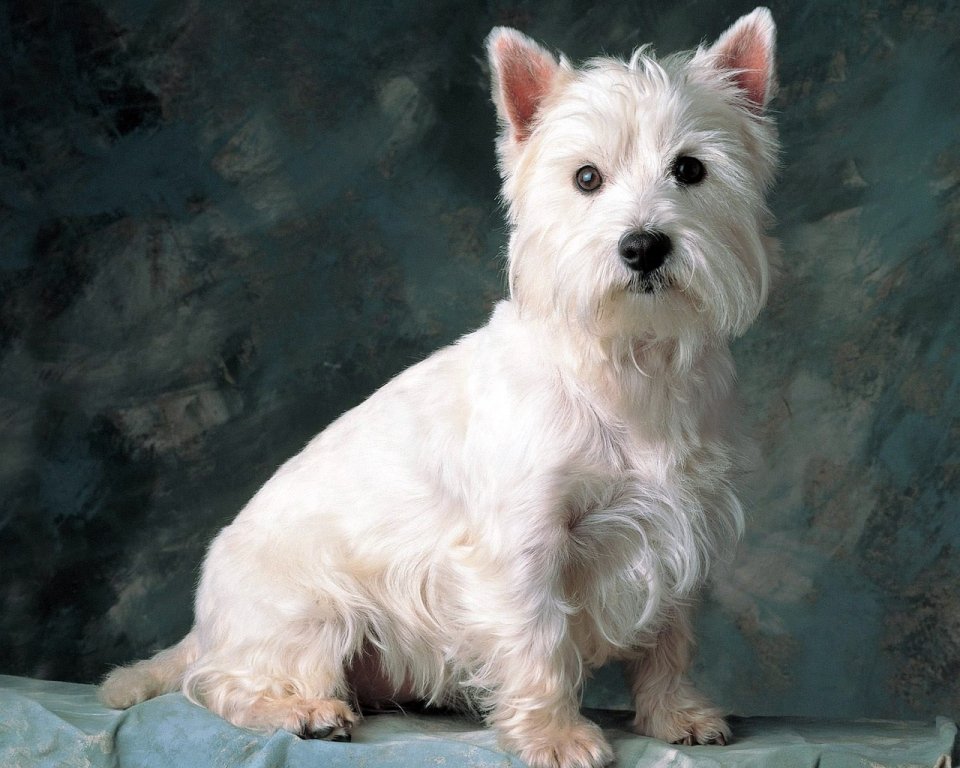
| Parameter | Characteristic |
| Origin | Ireland, County Wicklow, Glen of Imaal Valley |
| FCI Classification | Group 3 (Terriers), Section 1 (Large and medium-sized terriers). Without a working trial. |
| Lifespan | 12-15 years |
| Height (at withers) | Males and females: up to 35.5 cm |
| Weight | Males: approx. 16 kg; Females: slightly less |
| Temperament | Active, brave, balanced, loyal, intelligent, sometimes stubborn |
| Coat Colour | Wheaten (from light fawn to golden-red), Brindle (blue brindle, but not black and tan) |
| Coat Care | Moderate, requires regular brushing and periodic hand stripping (trimming) |
| Activity Level | Medium, needs daily walks and mental stimulation |
| Compatibility with Children | Good, provided proper socialisation |
| Compatibility with Other Animals | Requires early socialisation, may display a hunting instinct towards small animals |
History of the Glen of Imaal Terrier
The history of the Glen of Imaal Terrier is rooted in the remote and rugged Glen of Imaal valley in the Wicklow Mountains of eastern Ireland. This area was isolated for centuries, which helped to shape a unique breed perfectly adapted to local conditions. The first mentions of these dogs date back to the 16th century, when Flemish soldiers, who were granted land for their service to the British Crown, brought their low-set terriers with them. Crossing with local Irish dogs, they laid the foundation for the future Glens.
Life in the valley was tough, and dogs were valued not for their looks, but for their functionality. Glens were true workers. Their main task was hunting badgers and foxes, often having to work silently so as not to spook the prey. Unlike many other terriers, they didn’t bark in the burrow but quietly flushed out the animal or engaged in a fight. In addition, they were indispensable rodent exterminators on farms.
One of the most interesting functions of these dogs was their role as “turnspit dogs”. They worked in special wheels, similar to those for hamsters, which the dogs would turn to rotate a spit for roasting meat in the kitchen. This hard labour required considerable strength and stamina, which is what shaped the breed’s sturdy, stocky build. Due to their low-set body and resilience, they were perfectly suited for this monotonous but important job.
The breed was first exhibited in England in 1870, but at that time, all Irish terriers were grouped under a single name. The Glen of Imaal Terrier only received official recognition from the Irish Kennel Club in 1934, becoming one of the last Irish breeds to be recognised. The Kennel Club (UK) recognised them in 1975, and the American Kennel Club in 2004. Despite their rich history, the breed remains quite rare outside of their native Ireland and small communities of enthusiasts worldwide.
Appearance: Standard and Description
The Glen of Imaal Terrier gives the impression of great power and strength in a compact body. They are a medium-sized dog, low-set, with a long body and short, bowed front legs. Their appearance completely corresponds to their working past.
- Head: The skull is wide and of moderate length. The stop is well-defined. The muzzle is powerful, tapering towards the nose. The nose must be black.
- Eyes: Brown, medium-sized, and roundish. The expression is intelligent and calm.
- Ears: Small, rose-shaped or semi-prick. When at rest, they are held close to the head, and when the dog is alert, they rise on the cartilage. Ear cropping is forbidden by the standard.
- Body: Long and sturdy. The topline is straight. The chest is broad and deep. The neck is very muscular and strong, of moderate length.
- Tail: The tail was previously docked, but this is now forbidden in most countries. The natural tail is strong at the base, tapers to the tip, and is carried gaily but not over the back. It should be well-balanced with the dog’s overall appearance.
- Limbs: The front limbs are short, bowed, and muscular. The feet are turned outwards. This is a characteristic feature of the breed that helped them to dig effectively. The hind legs are strong and muscular. The feet are compact and strong.
- Coat: Double. The undercoat is soft, and the outer coat is harsh and of medium length. This coat structure provides excellent protection against the weather.
- Colour: The standard allows for two main colour types: wheaten (from light cream to red) and brindle (blue brindle). Puppies are often born darker (blue, wheaten, or red) and lighten with time, reaching their final colour by 1.5-2 years of age.
Character: A Balanced Hunter and a Devoted Companion
Glen of Imaal Terriers are some of the calmest and least vocal terriers. They are distinguished by their balanced, agreeable, and somewhat philosophical character. They are not a frantic dog that will race around the house for no reason. Even when working in the field, they act with a cool head and without unnecessary emotion, which is a rarity for terriers. At the same time, they are very agile, fast, and incredibly brave. It is often said that they have the resilience and unshakable spirit of a large dog, imprisoned in a small body.
Their innate hunting instinct can sometimes create difficulties for owners. On a walk off the lead, a Glen can instantly bolt after a cat, squirrel, or other potential prey. They are completely fearless and ready to fight a badger right in its burrow. This trait should be considered when introducing them to other pets, especially rodents. Early socialisation is critically important for harmonious coexistence. Their behaviour is significantly different from that of hounds, such as the Transylvanian Hound, who are more focused on scent-tracking over large territories, or the Porcelaine, which hunts in packs. The Glen is a short-distance hunter, requiring explosive energy and determination.
Despite their hunting nature, at home, the Glen is a loving and gentle family member. They get along well with children, especially if they grow up together, and patiently tolerate their games. However, as with any dog, interaction with small children should be supervised. They are reserved with strangers but not aggressive. This makes them good “doorbells” that will give a warning if they hear something suspicious.
Health: Typical Illnesses and Prevention
The absence of described hereditary disease is not the absence of risk — breeding animals are screened all the same. Proper care, a balanced diet, and sufficient physical activity are the keys to a long and happy life, which can last up to 15 years. However, there are some hereditary diseases that potential owners should be aware of.
- Progressive Retinal Atrophy (PRA-crd3): This is the most serious genetic disease in the breed. It causes the degeneration of photoreceptor cells in the retina, which inevitably leads to blindness, usually developing before the age of 5. Fortunately, there is a DNA test that allows carriers of the gene to be identified. Responsible breeders must test their dogs and do not allow sick animals or two carriers to be bred. When choosing a puppy, be sure to ask for the test results of the parents.
- Hip and Elbow Dysplasia: Although this is not a widespread problem, due to their low-set build (achondroplasia), Glens may be prone to joint problems. It is important not to over-exert puppies with physical activity until their skeleton is fully formed and to maintain an optimal weight throughout their life.
- Skin Problems and Allergies: Some representatives of the breed may be prone to skin allergies, which manifest as itching, redness, and rashes. The cause is often food allergens or environmental factors.
- Heart Disease: In their senior years, as with many other breeds, heart problems can occur. Regular veterinary check-ups will help to detect any heart murmurs or other pathologies in time.
Disease prevention includes annual visits to the vet, timely vaccinations, parasite control, and careful observation of your pet’s health. If you notice any changes in your dog’s behaviour, appetite, or appearance, seek veterinary advice immediately.
Care: From Coat to Activity
The Glen of Imaal Terrier adapts wonderfully to various living conditions. They will be happy in a house with a garden as well as in a city flat, provided they receive enough attention and physical activity. Their care is not overly complicated but requires regularity.
Coat Care
The Glen’s harsh coat is not prone to matting and does not require daily brushing. It is enough to brush it 1-2 times a week with a metal comb to remove dead hair and maintain a tidy appearance. They shed moderately.
The key procedure for maintaining the correct coat texture is hand stripping (trimming) 2-3 times a year. This involves removing the old, dead outer coat, which stimulates the growth of new, harsh hair. Machine clipping is not recommended as it spoils the coat’s texture, making it soft, dull, and less resistant to dirt and moisture. A similar approach to harsh coat care is also characteristic of other terriers, such as the Dandie Dinmont Terrier, and the Irish Soft Coated Wheaten Terrier, although the latter’s coat requires slightly different care.
Hygiene Procedures
Regularly inspect the ears for dirt or signs of infection. Hair in the ear canal should be periodically plucked for better ventilation. Nails should be trimmed as needed, usually every 3-4 weeks. The eyes should be kept clean by wiping them with a damp cotton ball.
Physical Activity
Glens are active dogs, but not hyperactive. They need daily walks lasting 45-60 minutes. They love to explore new places and scents. It is important to remember their short legs: they are not built for long runs alongside a bicycle. You should also be careful near water. Although they can swim, their body structure makes them tire quickly. Never leave a Glen unsupervised near water. In hot weather, avoid intense exercise as they can overheat.
| Procedure | Frequency | Notes |
|---|---|---|
| Brushing the coat | 1-2 times a week | Use a metal comb or slicker brush. |
| Hand stripping | 2-3 times a year | Recommended to maintain the harsh coat structure. |
| Bathing | As needed, not often | Frequent washing can dry out the skin. |
| Nail trimming | Every 3-4 weeks | Listen for a characteristic tapping on the floor. |
| Ear cleaning | Weekly (check-up) | Clean as needed, pluck excess hair. |
| Walks | Daily | Minimum 45-60 minutes, preferably with elements of play. |
Training and Socialisation
Glen of Imaal Terriers are intelligent and clever dogs, but like most terriers, they can be independent and stubborn. Their training requires patience, consistency, and positive reinforcement. They learn quickly when they see the point, but can ignore commands if the sessions seem boring. Short, engaging training sessions using treats and toys will yield the best results.
Early socialisation is extremely important. From a puppy’s age, introduce the Glen to various people, sounds, places, and other dogs. This will help them grow into a confident and well-balanced dog. Special attention should be given to socialisation with other animals due to their strong hunting instinct. Unlike, for example, the gentler Irish Soft Coated Wheaten Terrier, a Glen can be less tolerant of other dogs, especially those of the same sex.
These dogs can be successful in various types of canine sports, such as agility (with their build in mind), nose work, and especially earthdog — competitions that mimic hunting in a burrow. This allows them to fulfil their natural talents in a safe and controlled environment. The main thing is to channel their energy and intelligence in the right direction.
Diet: How to Avoid Weight Gain
Glen of Imaal Terriers love to eat and are prone to gaining weight. Obesity is a serious threat to them, as it places additional strain on their short legs and spine, which can lead to joint and cardiovascular problems. Therefore, controlling portion sizes and the quality of food is extremely important.
The diet can be based on either high-quality super-premium dry food or a natural diet. When choosing dry food, opt for formulas for medium-sized breeds with a moderate activity level. For a natural diet, the basis should be lean meat (beef, turkey, chicken), offal, and marine fish. Add a small amount of grains (rice, buckwheat), vegetables (carrots, pumpkin, courgette), fermented dairy products (low-fat cottage cheese, kefir), and eggs to the diet. Be sure to add sources of Omega-3 fatty acids (fish oil, linseed oil) for healthy skin and a shiny coat.
Regardless of the type of diet, follow these rules:
- Feed your dog twice a day, at the same time.
- Do not leave food freely accessible.
- Control the amount of treats; they should not exceed 10% of the daily calorie intake.
- Provide constant access to clean, fresh water.
- Regularly check your dog’s weight. You should be able to easily feel their ribs, but not see them.
Pros and Cons of the Glen of Imaal Terrier
| ✅ Pros | ❌ Cons |
|---|---|
| Balanced and calm character, untypical for a terrier. | Strong hunting instinct, may chase small animals. |
| A loyal and loving family member, gets along well with children. | Prone to weight gain, requires strict diet control. |
| Robust health and longevity. | Can be stubborn and independent during training. |
| Does not require intensive physical activity. | Needs careful early socialisation, especially with other dogs. |
| Rarely barks, making them a good flat companion. | A rare breed, it can be difficult to find a puppy from responsible breeders. |
| Easy to care for in terms of coat. | The harsh coat requires periodic professional hand stripping. |
Interesting Facts About the Breed
- The Turnspit Dog: Historically, Glens were used to turn kitchen spits, which required great endurance.
- The Silent Hunter: Unlike most terriers, Glens hunted silently so as not to spook their prey.
- Unique Gait: Due to the special structure of their front legs, they have a characteristic gait that slightly resembles a waddle.
- “Glen Sit”: Many Glens have a unique way of sitting, leaning back on their hind legs and straightening their backs, which resembles a kangaroo pose.
- On the Brink of Extinction: After the Second World War, the breed was on the verge of extinction and was only saved through the efforts of a few enthusiasts.
Frequently Asked Questions About the Glen of Imaal Terrier (FAQ)
Is the Glen of Imaal Terrier suitable for flat living?
Yes, they are. Thanks to their calm character and moderate activity requirements, they are well-suited to flat life, provided they get daily walks.
Do Glens shed a lot?
Their shedding is moderate. Regular brushing and hand stripping help to significantly reduce the amount of hair in the house.
Are they good guard dogs?
They are vigilant and will make a noise if they notice something unusual, but they are not prone to barking without reason. This makes them good “doorbells”, but you should not expect them to aggressively guard the territory.
Is the Glen difficult to train?
They are intelligent but can be stubborn. Training requires patience and consistency. Positive reinforcement methods work best. They are not a dog for a novice who is unprepared for the manifestations of the “terrier” character.
How much does a Glen of Imaal Terrier puppy cost?
Due to the rarity of the breed, the price for puppies can be quite high. It is important to only contact verified, responsible breeders who perform the necessary genetic tests on their dogs.
Video About the Breed
- The quietest and calmest of terriers
- Devoted, unobtrusive, good with children
- Compact, for a small home
- Sturdy and hardy
- Keeps the terrier hunting instinct
- Somewhat stubborn and independent
- Feisty with other dogs
- Wiry coat needs stripping
| Cairn Terrier | Sealyham Terrier | Dandie Dinmont Terrier | |
|---|---|---|---|
| Height | 28–31 cm | 25–31 cm | 20–28 cm |
| Energy | 4 | 3 | 3 |
| Apartment | 4 | 4 | 4 |
| Beginners | 4 | 3.5 | 3.5 |
Is the Glen of Imaal really quieter than other terriers?
Is the Glen of Imaal good for a family?
How rare is the Glen of Imaal?
FCI Standard No. 302 · Irish Kennel Club
For apartments · For kids · For beginners · Active · Smartest · Hypoallergenic · All rankings →