

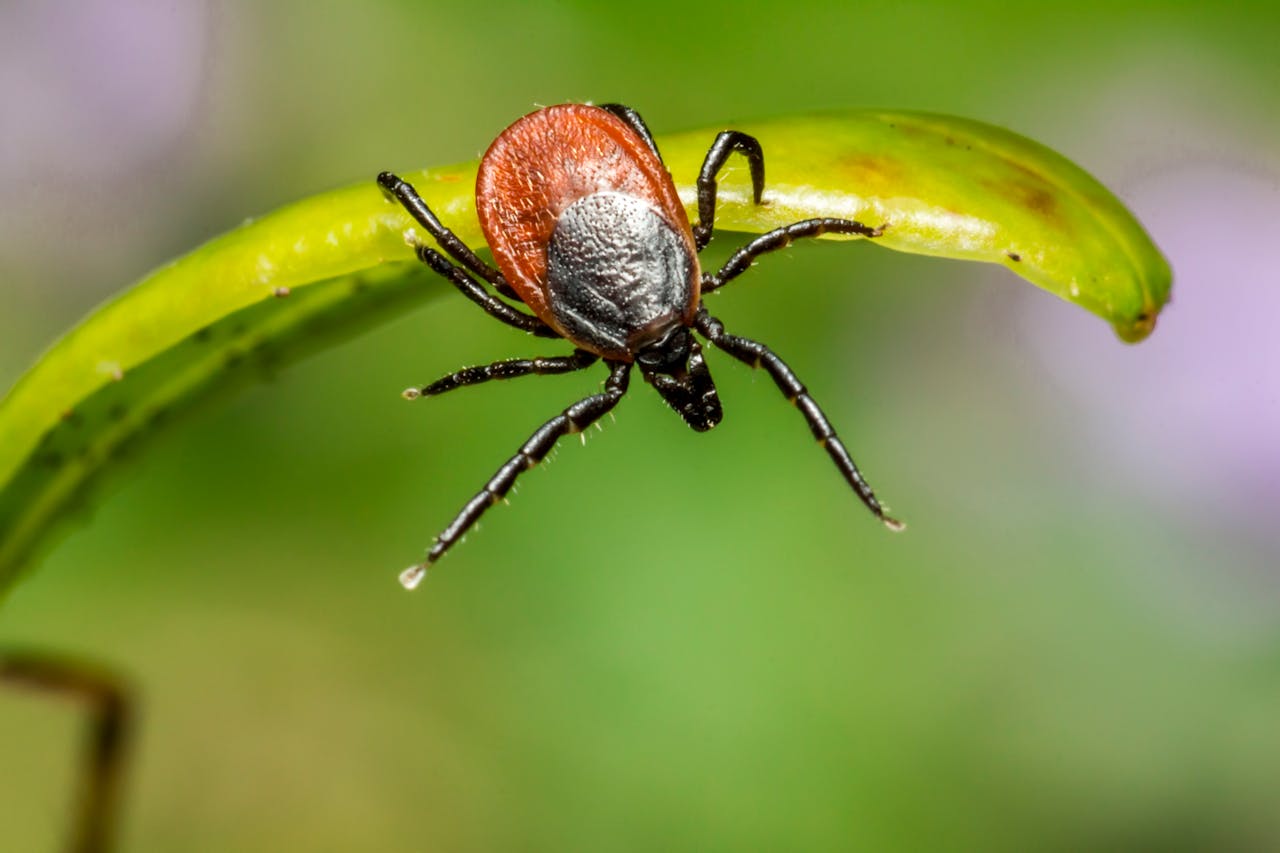
With the arrival of the warmer seasons – spring and fall – every dog owner knows about the main threat lurking in tall grass. This isn’t just a tiny insect, but a carrier of deadly diseases. One of the most terrifying enemies is Babesiosis, also known as Piroplasmosis. This disease develops at lightning speed and often leads to fatal consequences if help isn’t given in time. Being able to recognize the first, often subtle, symptoms can save your pet’s life.
Babesiosis is not the kind of thing you can “wait until tomorrow” to deal with. The disease attacks vital systems, and every wasted hour reduces the chances of survival. Early recognition is the key to successful treatment. This article is your complete guide to detecting, understanding, and most importantly, preventing this insidious disease. Learn more on Tvaryny.
What is Babesiosis (Piroplasmosis)?
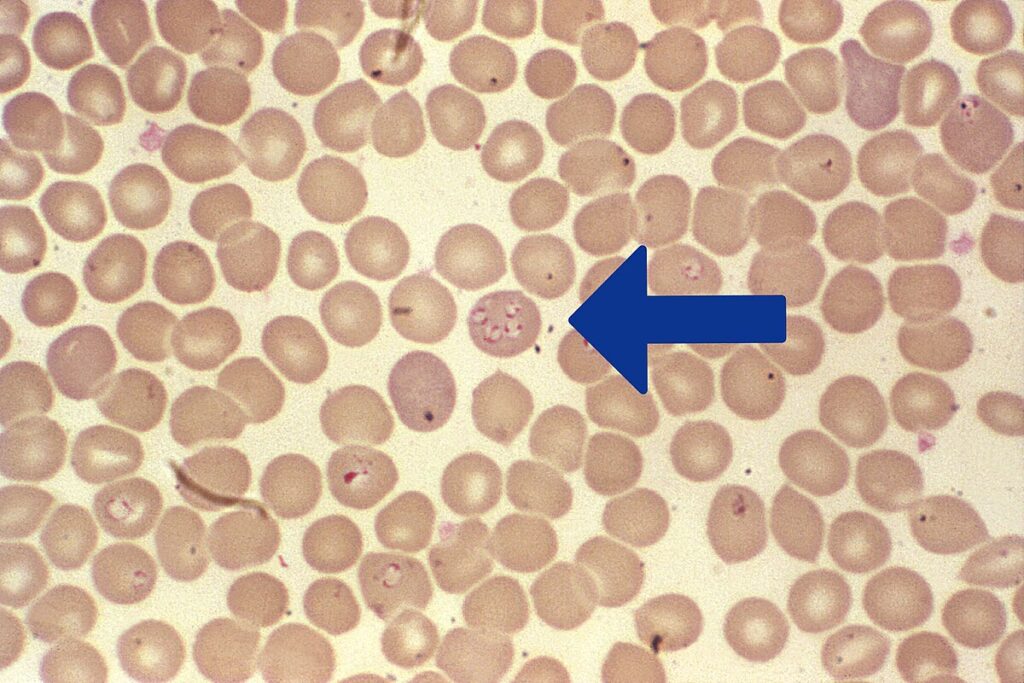
Babesiosis (or Piroplasmosis) is a parasitic blood disease caused by single-celled microorganisms of the genus Babesia (hence the name). In essence, it’s the canine equivalent of human malaria. These microscopic parasites enter the dog’s bloodstream and begin to actively multiply inside the erythrocytes – the red blood cells.
In the course of their life cycle, the Babesia parasites destroy the red blood cells, leading to three catastrophic consequences:
- Massive Anemia: The dog loses a huge number of red blood cells, which are responsible for transporting oxygen.
- Toxic Shock: The destroyed red blood cells release a vast amount of hemoglobin and other breakdown products into the blood, poisoning the body.
- Multi-Organ Failure: The body, trying to eliminate these toxins, overloads the kidneys and liver, which often leads to their failure.
Routes of Infection: Danger in the Grass
Infection occurs exclusively through the bite of an infected tick. In the United States, the main carriers are ticks like the Brown Dog Tick (Rhipicephalus sanguineus) and the American Dog Tick (Dermacentor variabilis). It’s important to understand the mechanism:
- A tick bites an infected animal (like another dog or a wild animal) and becomes a carrier of Babesia.
- The parasites multiply inside the tick and get into its salivary glands.
- During the next bite, when the tick attaches to your dog, it injects its saliva (which contains pain-relieving and anticoagulant substances), and with it – the Babesiosis pathogens.
The critical point: transmission of the parasites doesn’t usually happen instantly. The tick needs 24 to 48 hours to “activate” and transmit the Babesia. This is why daily checks and quick tick removal are such vital elements of prevention.
The Main Danger: First Symptoms of Babesiosis
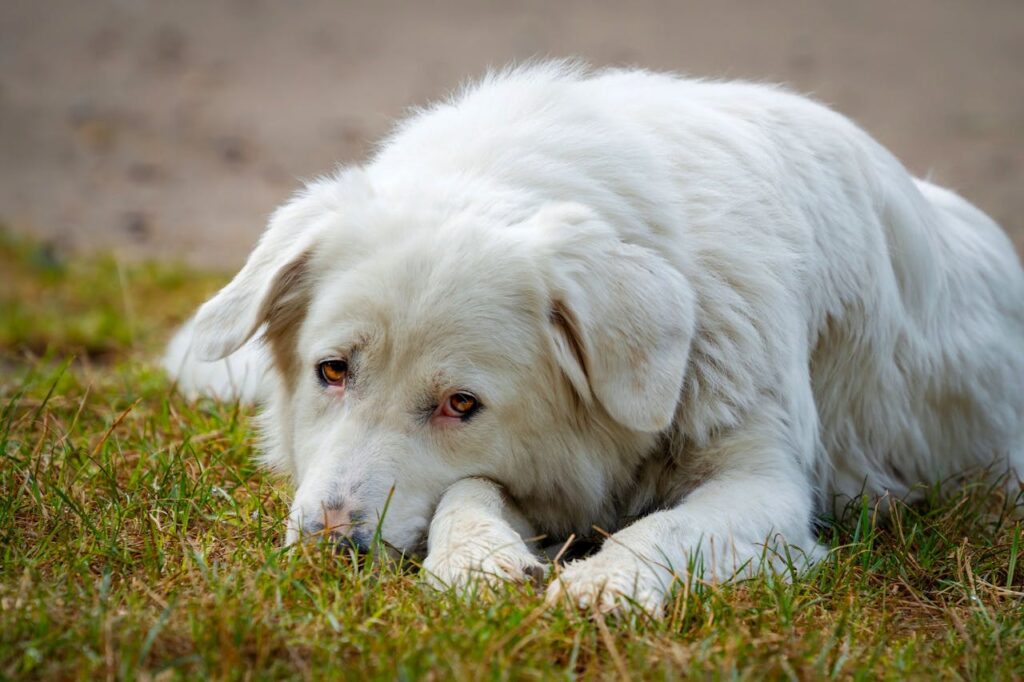
The incubation period (the time from the bite to the appearance of symptoms) can last from a few days to 2-3 weeks. Symptoms can build up gradually, but more often they develop very rapidly. Your job is to notice the very first changes.
Early (and Often Non-Specific) Signs
At this stage, the disease is easily confused with a mild cold, an upset stomach, or just an “off day”. Don’t ignore them!
- Lethargy and Apathy: This is the first and most common symptom. The dog, which usually runs happily for a walk, suddenly becomes passive, refuses to play, and lies down a lot. He’s “just not himself.”
- Loss of Appetite: The dog refuses food, even favorite treats. May drink a lot of water.
- High Temperature (Fever): This is a key sign. A dog’s normal temperature is up to 102.5°F (39.2°C). With Babesiosis, it can spike to 104-107.6°F (40-42°C). The dog feels hot to the touch (especially the belly, ears), and may have chills.
- Pale Mucous Membranes: Open the dog’s mouth and look at their gums. Normally they are pink. With the onset of anemia, they become pale pink or even white. You can also check the lining of the eye.
Classic “Red Flags” That Scream Trouble
If you missed the early signs, the disease moves into the next phase with very characteristic symptoms. If you see this – it’s a matter of hours.
DARK URINE (HEMOGLOBINURIA)
This is perhaps the most alarming and specific symptom. The urine takes on an unusual color: from deep yellow to red, brown, or even “the color of dark beer” or “coffee.”
Why does this happen? Due to the massive destruction of red blood cells, hemoglobin (the protein that carries oxygen and gives blood its red color) is released into the blood plasma. The kidneys, trying to filter out this “waste” hemoglobin, can’t keep up ad excrete it in the urine. This is a sign that a massive breakdown of blood is happening in the body, and the kidneys are working at their limit.
JAUNDICE (ICTERUS)
The mucous membranes (gums, inner surface of the ears), the whites of the eyes (sclera), and even the skin take on a yellowish tinge. This happens because the liver can’t cope with processing the huge amount of bilirubin – a breakdown product of hemoglobin.
Severe and Late Stages (Immediate Vet Visit)
These symptoms indicate that the disease has already caused serious damage to the body. They can appear not only in the late stages but also at the beginning of an acute case:
- Shortness of Breath and Rapid Heartbeat: The body is catastrophically lacking oxygen due to anemia. The heart tries to compensate by working faster.
- Weakness in the Hind Legs: The dog “drags” its paws, can’t stand up, the hind legs give way.
- Vomiting and Diarrhea: Often with traces of blood, indicating intoxication and damage to the GI tract.
- Neurological Signs: Seizures, lack of coordination, abnormal behavior (occur less frequently, but indicate brain damage).
- Collapse: The dog loses consciousness.
My Dog Has These Symptoms! What Do I Do?

CONTACT A VETERINARY CLINIC IMMEDIATELY.
This is no exaggeration. Babesiosis is not treated with “home remedies” or “rest.”
- Don’t wait “until morning” or “let’s see how he is.” If you see dark urine or severe lethargy – go to a 24-hour emergency clinic.
- Do not self-medicate. Don’t give human fever reducers (many are toxic to dogs) or antibiotics. This will only obscure the picture and waste precious time.
- Call the vet clinic while you are on your way and tell them you suspect Babesiosis. This allows the clinic to prepare for a critical patient’s arrival.
Diagnosis at the Clinic: How the Vet Will Confirm the Diagnosis
To save the dog, the vet must act quickly and accurately.
- History and Exam: The vet will ask you about the symptoms, when they started, and if you’ve removed any ticks. They will check the mucous membranes and take the dog’s temperature.
- The Key Test: Blood Smear. This is the gold standard. The vet takes a drop of blood (often from the ear), makes a smear on a glass slide, stains it, and looks at it under a microscope. With Babesiosis, they will see the parasites (the “piroplasms,” often pear-shaped) directly inside the red blood cells.
- Complete Blood Count (CBC): This will show the degree of anemia (critically low levels of red blood cells and hematocrit) and thrombocytopenia (low platelet count).
- Blood Chemistry Panel: Extremely important for assessing organ damage. It will show bilirubin levels (how overloaded the liver is) and creatinine and BUN (blood urea nitrogen) (how much the kidneys have suffered).
- PCR Tests: A more modern method that detects the parasite’s DNA. It’s very accurate but takes time, which is often not available.
Treating Babesiosis: A Race Against Time
Treatment is always comprehensive and carried out STRICTLY under veterinary supervision, most often in a hospital (inpatient) setting.
- Specific Therapy: Administration of special antiprotozoal drugs (like imidocarb dipropionate). These drugs kill the Babesia. They are quite toxic themselves, so their dosage and administration (often with pre-treatment like antihistamines) is a job exclusively for a professional.
- Supportive Therapy: This is no less, and often even more, important. Its goal is to detoxify the body and support the organs. This includes:
- Massive IV Fluids (Fluid Therapy): To “flush” the kidneys, relieve intoxication, and combat dehydration.
- Hepatoprotectants: Drugs to support and protect the liver.
- Vitamins: Especially B-group vitamins.
- Fever Reducers and Pain Relievers: To make the dog more comfortable.
- Blood Transfusion (Hemotransfusion): In cases of critical anemia, when the dog has almost no red blood cells left, a donor blood transfusion is the only chance to save its life, giving the body time to recover.
Prevention – The Best Defense
Babesiosis is a disease that is much easier (and cheaper) to prevent than to treat. Your prevention strategy should stand on three pillars.
1. Chemical Protection (Your Arsenal)
Never rely on just one product. The modern approach is a combination. Be sure to consult your vet to choose the optimal plan for your dog.
- Tablets (Isoxazolines): Such as Bravecto, Simparica, and NexGard. This is the most modern and reliable method. The dog eats a chewable tablet, and the active ingredient enters the bloodstream. When a tick bites, it dies instantly, before it has time to transmit the disease.
- Topical “Spot-on” Drops: (Advantix, Frontline, etc.). Applied to the skin, they create a protective layer. Many of them have a repellent effect – the tick doesn’t even want to land on the dog.
- Collars: (Seresto, Kiltix). Provide long-term protection (up to 8 months) by continuously releasing the active substance.
- Sprays: Good for additional treatment of paws and belly just before a walk in the woods or high-grass areas.
Important: Treatment must be REGULAR. Don’t miss the deadlines! If a tablet works for 12 weeks – set a reminder and give the next one on time.
2. Daily Checks – The Gold Standard
Remember the 24-48 hour “window”? Even if your dog is protected, inspect them after EVERY walk. This should become a habit, just like washing your hands.
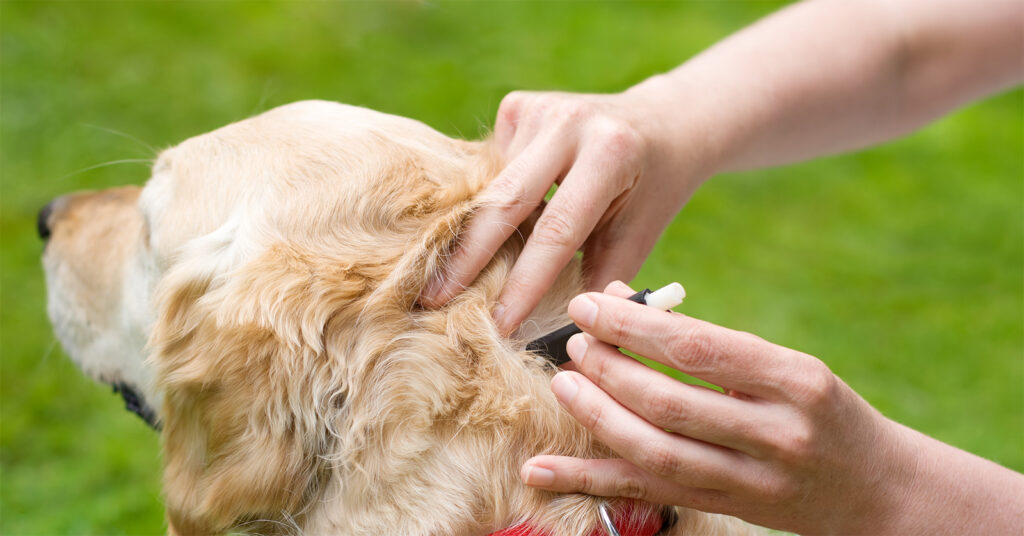
- How to check: Run your hands all over the dog’s body against the grain of the fur, paying special attention to the ticks’ “favorite” spots.
- Where to look (Hotspots):
- Ears (inside and behind them)
- Neck and collar area
- Armpits
- Between the toes
- Groin
- Tail and anal area
3. Proper Tick Removal
If you find an attached tick:
- Don’t panic.
- Do not do this: Don’t coat the tick with oil, alcohol, or nail polish. This will not make it “back out”; on the contrary, it may cause it to “suffocate” and spit a maximum portion of saliva with pathogens into the wound. Do not squeeze the tick’s body.
- The correct way: Use a special tool (a “tick twister” or tick removal hook) or fine-tipped tweezers. Grasp the tick as close to the skin as possible, by the head. Slowly, either twisting (if using a hook) or pulling straight up with steady pressure (if using tweezers), remove it.
- Clean the bite site with an antiseptic (like rubbing alcohol or soap and water).
- Place the tick in a sealed jar or plastic bag with a damp paper towel and put it in the fridge. If the dog develops symptoms within 2-3 weeks, you can give the tick to your vet for testing.
- Watch your dog extra closely for the next few weeks.
Conclusion: Vigilance Saves Lives
Babesiosis is a terrible and insidious enemy. But it’s not all-powerful. Modern veterinary medicine has effective prevention methods, and rapid diagnosis and intensive therapy offer a very high chance of recovery. All that is required of you, as an owner, is to be responsible and vigilent.
Your job is three steps: Prevention (timely treatment), Vigilance (daily checks), and Speed (immediate visit to the vet at the first suspicious symptoms). Don’t let a tiny tick ruin your friendship.