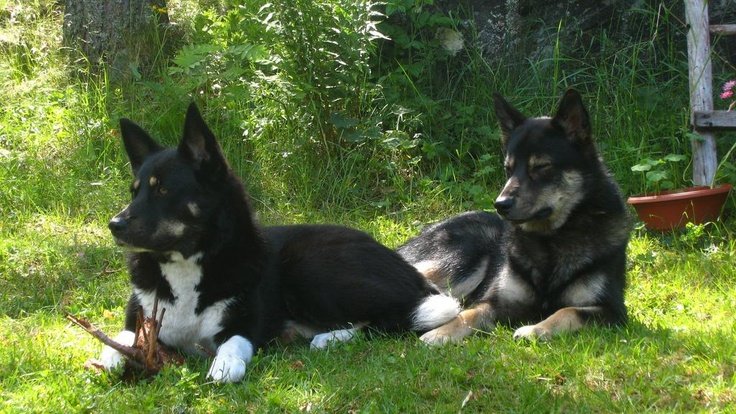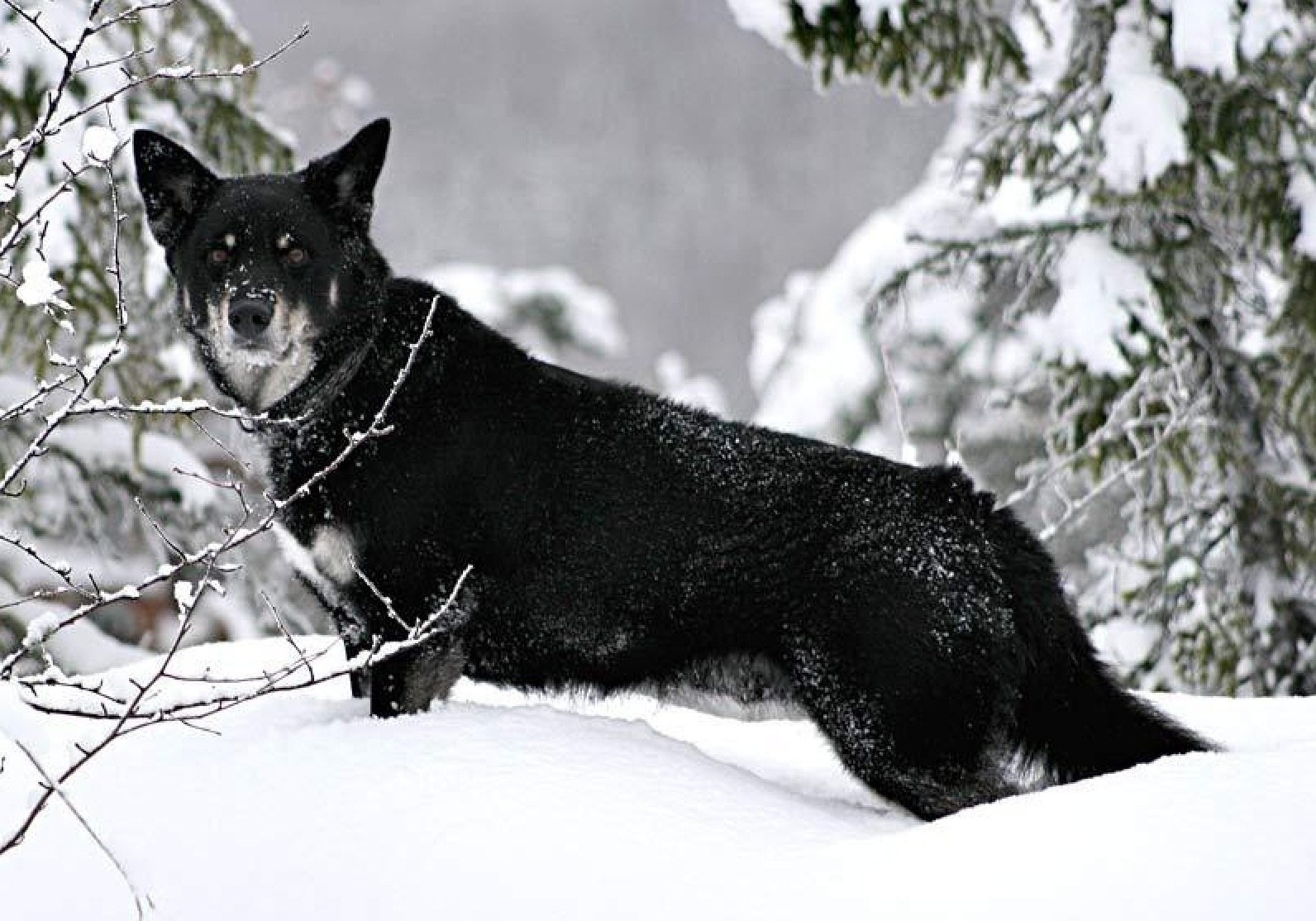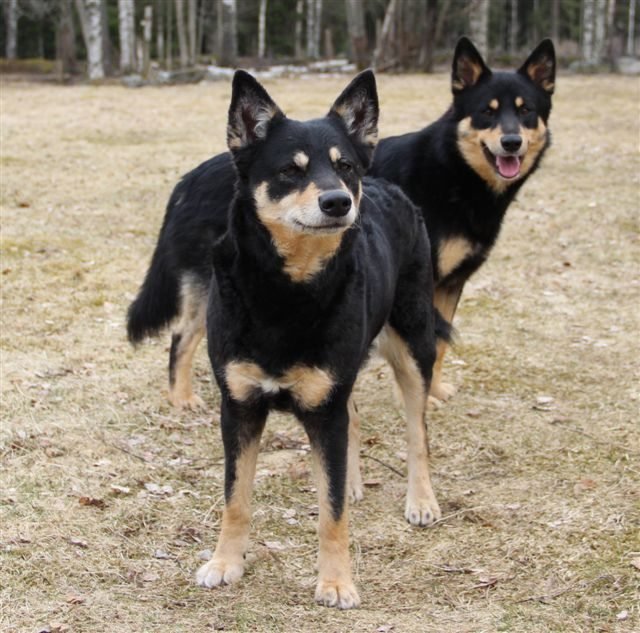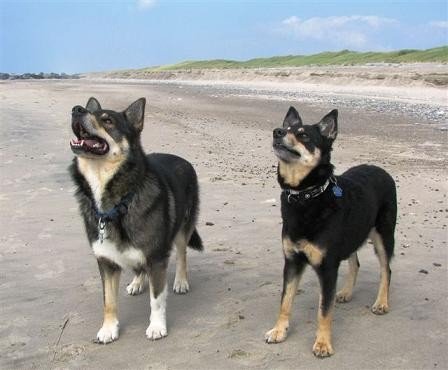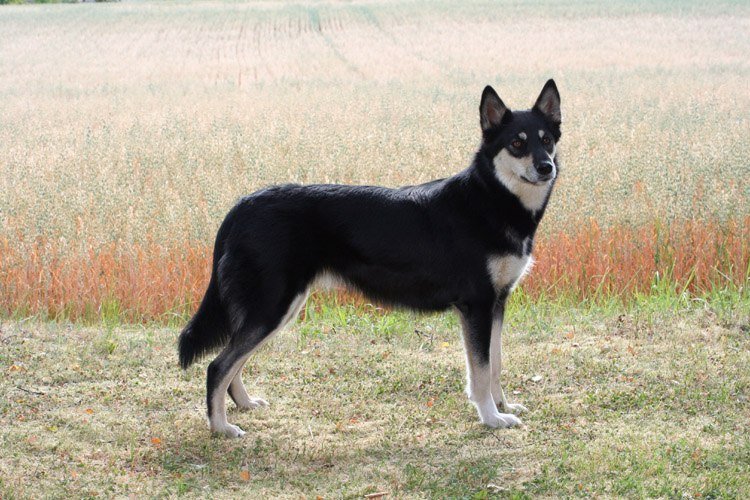
The Lapponian Herder, or Lapinporokoira, is a true gem of Finland, a breed hardened by the harsh winds of Lapland over centuries. This isn't just a pet, but a hardy worker capable of covering tens of miles through deep snow. Unlike many popular breeds, this dog has preserved its primal instincts and phenomenal health. In Finland, they are still actively used for their original purpose - herding reindeer - but thanks to their loyalty and intellect, they make brilliant companions for active people. Read more on Tvaryny.
Lapponian Herder: a brief breed overview
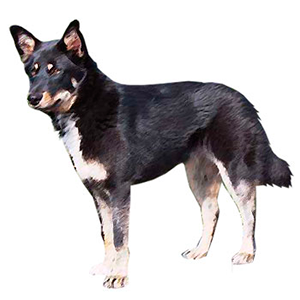
Lapponian Herder: a brief breed overview · 7
| Country of Origin | Finland |
|---|---|
| International Name | Lapponian Herder / Lapinporokoira |
| FCI Group | Group 5 (Spitz and primitive types), Section 3 (Nordic Watchdogs and Herders) |
| Year of Official Recognition | 1966 (breed separation), 1970 (FCI) |
| Purpose | Reindeer herder, Search and Rescue (SAR), companion, sport |
| Life Expectancy | 13–15 years (often reach 16–17) |
| Activity Level | Very high |
What the Lapinporokoira looks like: detailed description
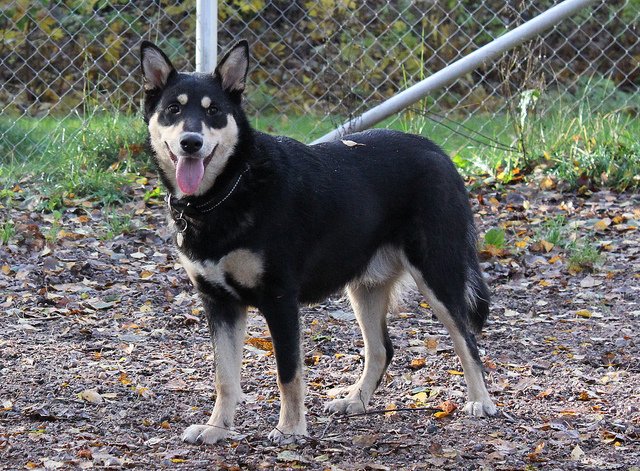
This is a canine athlete. It shouldn't be too heavy, so as not to sink into the snow, but nor should it be too light, to withstand a clash with a predator or the harsh wind. The body of the Lapponian Herder is noticeably longer than its height at the withers (by about 10%), which allows it to develop great speed and demonstrate an enduring, sweeping trot.
Key appearance characteristics:
- Head: Elongated, skull only slightly convex. The muzzle is strong and tapers evenly towards the nose. The transition from forehead to muzzle (stop) is visible but not sharp.
- Eyes: Dark, oval, set quite wide apart. The gaze is lively, attentive, sometimes evaluating. Females often have a more "feminine" and softer expression.
- Ears: Prick ears, broad at the base, medium length. The inside is often thickly covered with hair for protection against the cold. Very mobile.
- Coat: Double. The guard hair is of medium length, straight, harsh, and stands somewhat away from the body. The undercoat is its armor: very thick, soft, and dense.
- Tail: Medium length, set low. Hangs when at rest, but may be raised when moving, though it shouldn't curl into a tight ring over the back.
Special attention should be paid to color. The standard allows various variations (black, dark gray, dark brown), but a mandatory condition is that the base color must dominate. Lighter markings (tan) are usually located on the head, chest, legs, and under the tail. Interestingly, the coat structure allows for self-cleaning - mud simply falls off once it dries.
Comparison with close relatives
Newcomers are often interested in how this breed differs from other Lapphunds. To clear this up, we've prepared a comparison table, where we'll also mention the Finnish Lapphund and their neighbor - the Swedish Lapphund.
| Characteristic | Lapponian Herder (Lapinporokoira) | Finnish Lapphund | Swedish Lapphund |
|---|---|---|---|
| Body Type | Elongated, athletic, less "fluffy" | More compact, square, very fluffy | Typical spitz, square format |
| Coat | Medium, close-lying, harsh | Long, profuse mane | Very dense, shaggy, exclusively black |
| Temperament | More serious, high drive, working | Softer, family-oriented, "teddy bear" | Active, alert, vocal |
| Speed | Very high (sprinter and stayer) | Medium | Medium |
| Popularity | Rare (mostly Finland) | Popular worldwide | Rare |
Interesting facts about the Lapponian Herder
- Bear foes: In Finland, there are documented cases where a pair of these dogs successfully drove a brown bear away from a reindeer herd, not by making direct contact, but by wearing the predator out with maneuvers.
- The lost gene: It is believed that modern Lapponian Herders have retained a "wolf-like" style of thinking - they are capable of independantly assessing a situation without a command from the owner if they are far away.
- Army service: The Finnish army and border guards often use this specific breed, rather than German Shepherds, to patrol the northern borders.
- Name change: For a long time, they were simply called "Lapland Shepherd", but this name caused confusion.