


Silence. A deafening, unusual quiet where just yesterday there was joyful barking, purring, or the tap-tap-tap of claws on the floor. An empty bowl, a favorite spot on the couch now desolate, a leash that leads nowhere. If you’re reading these lines, your heart is likely shattered into a million pieces. Losing a beloved pet isn’t just a sad event; it’s a deep, genuine wound, and the pain can be unbearable. And the first thing you need to know: your feelings are completely normal and valid.
Many people don’t understand the depth of this pain, dismissing it with unhelpful phrases like “it’s just an animal.” But you and I know that’s simply not true. They’re cherished members of our families, our most loyal friends, and often our silent therapists. They offered us unconditional love, something so often missing in the human world. That’s why navigating this grief takes time, patience, and a lot of self-care. We’ll talk more about how to navigate this challenging journey on Tvaryny.
Why Does It Hurt So Much? Acknowledging Your Grief
Before looking for ways to heal, it’s crucial to understand why the loss of a pet hurts so profoundly. This isn’t an overreaction or being overly sentimental; it’s the result of the unique bond we form with animals.
- Unconditional Love: Unlike complex human relationships, animals love us without conditions, criticism, or judgment. They accept us exactly as we are, no matter our mood. Losing that means losing a pure, constant source of acceptance.
- Disruption of Daily Routine: Our lives often revolved around them. Morning walks, meal times, playtime, evening cuddles. When a pet is gone, that familiar structure collapses, leaving behind emptiness and disorientation.
- Loss of a “Therapist”: For many of us, our pet was a main source of emotional support. We shared our secrets with them, cried into their fur, and their presence was more comforting than any words.
- Symbol of Innocence and Joy: Animals remind us of life’s simple pleasures. Their loss can feel like losing a piece of our own childhood, our carefree spirit, and purity.
Understanding these aspects is the first step toward self-compassion. Your grief for your animal is the natural price for the immense love you gave and received.
Stages of Grief: Your Roadmap to Healing

Psychologists often talk about 5 stages of grief. They don’t always happen in a neat order, they can blend, or you might even revisit them. Knowing these stages can help you understand what you’re going through and not be afraid of your own emotions.
- Denial and Shock: “I can’t believe this,” “I feel like he’s going to walk into the room any minute.” This is your mind’s way of protecting itself, helping to dose the pain. You might find yourself mechanically going through daily routines as if nothing has changed. This is perfectly normal.
- Anger: “Why him?”, “The vet could have done more!”, “This isn’t fair!”. Anger can be directed at vets, at yourself, at family members, or even at the world at large. It’s an release of accumulated pain and helplessness.
- Bargaining (or Guilt): “If only I had…”, “I should have noticed the symptoms sooner.” This stage often comes with a painful feeling of guilt, especially if you had to make the difficult decision for euthanasia. You might replay scenarios in your head, wishing you could have changed something.
- Depression and Sadness: The acute pain shifts to deep sorrow, apathy, and loneliness. You might lose your appetite, have trouble sleeping. The world can feel gray and joyless. This is often the longest and most challenging stage, where most of the grief work happens.
- Acceptance: This doesn’t mean “forgetting” or “no longer feeling sad.” Acceptance is about integrating the loss into your life. You learn to live with this wound, but it no longer dominates your entire world. Sadness is replaced by fond memories, and those memories start bringing warmth, not pain.
First Aid for Your Heart: What to Do Right Now?
If the pain feels unbearable right now, try to do at least one thing from this list:
- Breathe. Sit down and take 5 deep, slow breaths in and out. Focus only on your breathing. This can help calm a sharp wave of panic.
- Call a friend. But choose someone who you know will truly understand your pain and won’t try to minimize it.
- Write a letter to your beloved pet. Tell them everything you’re feeling: how much you love them, how much you miss them, and ask for forgiveness if you feel any guilt. This can be a powerful therapeutic tool.
- Drink a warm cup of water or tea. Taking care of your physical body helps you feel grounded and can slightly stabilize your emotional state.
Practical Steps: How to Cope with the Death of a Pet Day by Day?

Understanding the stages of grief is theoretical. Here’s what you can do practically to give yourself real support after losing a pet.
Allow Yourself to Grieve
Don’t hold back your tears. Don’t try to “be strong.” Cry, feel your sorrow, talk about your pain. Suppressing emotions only lengthens the grieving process and can lead to complications down the road.
Create a Farewell Ritual
Rituals help our minds process the reality of loss and honor memories. This could be:
- Creating a memorial corner: a photo, a favorite toy, their collar, a candle.
- Planting a tree or a flower in honor of your beloved pet.
- Creating a photo album or video of happy moments together.
- Writing a poem or story about them.
Self-Care – Not Selfishness, But Essential
Grief is physically draining. Try to stick to a basic routine: eat at least something light, drink enough water, and try to get some sleep. Even a short walk outdoors can help alleviate your state a little.
How to Talk to Kids About Pet Loss?
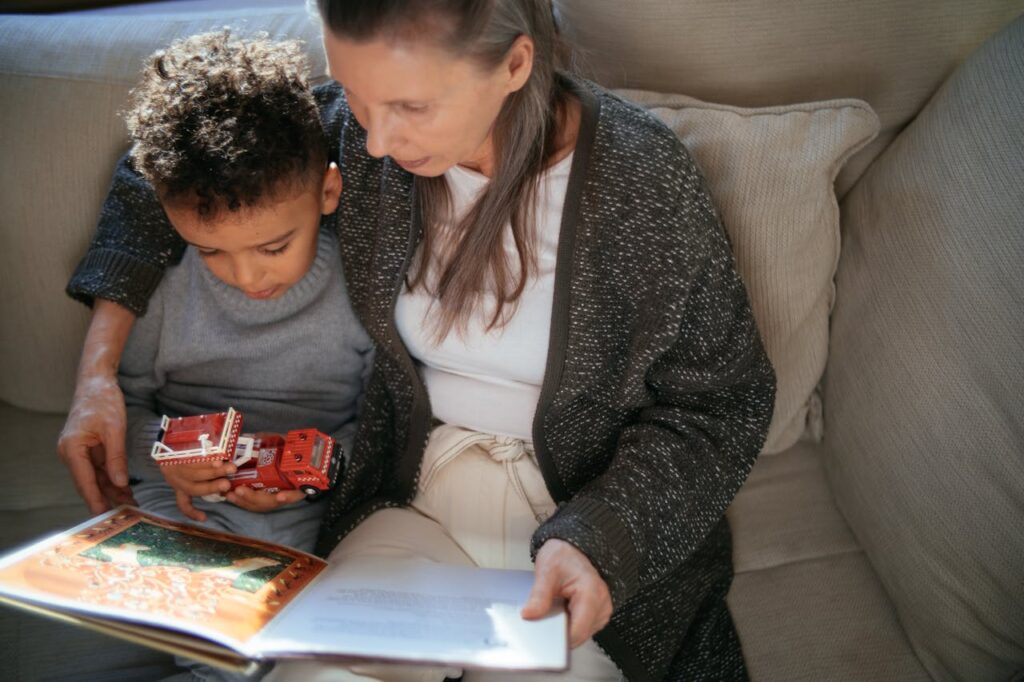
For a child, this might be their first encounter with death. It’s important to be honest, but gentle.
- Avoid euphemisms: Phrases like “he fell asleep and won’t wake up” or “he ran away” can cause a child to fear sleep or cling to false hope of their return, which only worsens the trauma.
- Speak simply: “Rex got very old and sick, his body stopped working, and he died.”
- Normalize their feelings: “I’m very sad too,” “It’s okay to cry.”
- Involve them in a farewell ritual: Let your child draw a picture or place their pet’s favorite toy in a memorial box.
A Difficult Question: Euthanasia and Guilt
Perhaps the toughest challenge is having to make the decision to end your beloved pet’s suffering. When this happens, the unbearable feeling of guilt often joins the pain of loss. If you’ve been through this, remember: euthanasia for an animal is an act of mercy. It’s not killing, but the last gift you can give your pet – freeing them from pain they could no longer escape.
Any advice on pet euthanasia you may have received, and your final decision, were aimed at stopping suffering. You acted out of love. Repeat this to yourself as many times as you need to. You took on this heavy burden to ease their burden. This is the highest expression of love and responsibility.
When to Get a New Pet?
There’s definitely no need to rush. A new pet can’t “replace” the one you lost; it will only put pressure on both you and the new animal. Give yourself time to fully process your grief. You’ll feel it when you’re ready to open your heart to new love – not as a replacement, but as a continuation of your capacity to provide a home and care.
In Closing: Love Never Dies
The grieving process is a marathon, not a sprint. There will be good days, and there will be tough days when the pain feels like it’s returned with renewed force. That’s completely normal. How to cope with the death of a pet is about time, patience with yourself, and allowing yourself to feel sadness.
Your beloved pet was in your life for a reason. They brought love, joy, and invaluable lessons. The pain of loss will eventually soften, transforming into a bright memory. And the love you felt will remain with you forever. It’s woven into the fabric of your heart and your story. And that’s something no one can ever take away from you.