
Imagine this heartwarming moment. You just brought home a tiny, fluffy bundle of joy. Your heart melts with tenderness. You breathe in that specific, sweet puppy breath. Ahead of you is your first night together in a new home. But often, instead of the peaceful sleep you expected, you are met with confused, distressed whining. It literally breaks your heart. It makes you second-guess your own abilities. As a veterinarian, I constantly see questions on tvaryny.com from worried owners. They want to know how to survive these first dark hours. Your little one has just lost its mom and littermates. It suddenly finds itself in a completely unfamiliar place with new smells and sounds. It is just scared. This is an absolutely normal physiological reaction to immense stress.
Why the Baby Cries: Understanding Puppy Psychology
For a dog, as a pack animal, family is a guarantee of survival. When a puppy is left alone in the dark, a deep, ancient instinct instantly kicks in. An alarm bell rings in its head: "I am alone, I am small, I am in danger." Whining in this situation is not an attempt to manipulate you. It is not throwing a tantrum. It is a simple and very genuine cry for help. The baby is calling for its pack. It hopes that mom will hear it and return. Your task right now is to become this new, reliable, and caring pack for them. We need to gently show the pup that this new home is an absolutely safe place. Never scold your puppy for crying during the first few nights of adaptation. Any punishment or harsh tone will only skyrocket its anxiety. This will destroy the fragile trust we are just starting to build from day one.

Preparing the Space: Creating a Safe Little Nest
The sleeping area should be strongly associated with protection, warmth, and peace for the animal. The best option to start with is a special indoor playpen. A spacious, cozy crate with a soft bed inside also works perfectly. Do not perceive the crate as a prison or a punishment. For a dog, it is their own personal "den". It is a private space where no one will bother them and where they can hide from the hustle and bustle. To make getting used to the new place easier, follow a few simple veterinary steps. They will help physiologically lower the level of the stress hormone (cortisol) in the animal's blood. A predictable and safe space treats anxiety better than any medication. Keeping the room at a stable temperature is also vital for their wellbeing. A puppy that gets too cold might get sick, so you need to be aware of the signs of hypothermia and frostbite, including symptoms and first aid if your pet got cold during a walk or in a chilly room.
- Put an item with mom's scent. When picking up the puppy from the breeder, ask for a pee pad, towel, or soft toy. It should smell like their "family home". This familiar scent acts on the receptors as a powerful natural sedative.
- Use a heating pad. Fill a regular rubber hot water bottle or a plastic bottle with warm water. The temperature should be pleasant, not hot. Wrap it in a thick towel and place it next to the baby. This will mimic the body heat of their littermates.
- Turn on a soft background sound. A well-known rule among generations of dog owners is the quiet ticking of a clock. A mechanical clock placed under the bed perfectly imitates the rhythm of a mother dog's heartbeat.
- Strictly limit the space. Do not allow the puppy to roam freely through all the rooms of the apartment at night. A large, dark, and unexplored territory incredibly frightens a small animal.
Choosing the Right Sleeping Materials
When picking out the first bed or blanket for the playpen, pay close attention to the fabric composition. Look for natural materials without harsh chemical factory smells. Cheap, stiff synthetics can easily irritate the puppy's delicate skin or respiratory tract. By the way, if you notice your little one sneezing frequently, having red eyes, or watery eyes in the morning after sleeping on a new bed, check the materials immediately. Getting into the habit of monitoring body reactions will help you out later. It is exactly how you will figure out how to tell if your pet has pollen allergies and how to help them when spring rolls around.
Comparing Options: Where is the Best Place for the Baby to Sleep
Almost every new owner faces a serious moral dilemma. Where exactly should the new family member spend the night? There aren't many options, but each has its consequences for training. Let's break them down objectively so you can make an informed decision.
| Sleeping Place | Main Advantages | Possible Disadvantages and Risks |
|---|---|---|
| Own crate or playpen | Maximum physical safety. Easier to potty train. Builds independence and a sense of having their own "den". | Requires your patience in the early stages. A louder protest is very likely during the first two nights. |
| A bed right next to your bed | The puppy hears your breathing. You can instantly reach down to soothe them with a touch. | There is a huge risk of accidentally stepping on the little one at night if they decide to quietly wander around the room. |
| In bed with the owner | Instant soothing of the animal. Lots of warmth, maximum physical contact. | Permanent habit formation (getting them out later is almost impossible). Risk of crushing a small breed puppy in your sleep. Hygiene concerns. |
The Bedtime Ritual: The Key to a Peaceful Night
Dogs of any age simply adore a stable routine. Their nervous system works best and relaxes when they know one hundred percent what is going to happen next. Your main task is to create a comfotable evening algorithm. Consistency is needed here. This routine will serve as a power-off switch for activity. Two hours before the desired bedtime, engage the puppy in a very active play session. The little one needs to physically burn off the energy accumulated during the evening. Run after a toy. Practice simple commands with a food reward. But exactly half an hour before turning off the main light, all active entertainment must stop abruptly. Switch to calm petting, quiet talking, and brushing with a soft brush. Make absolutely sure to take the puppy outside. Or carefully place them on a training pad right before going to sleep. A full bladder or bowel is one of the most common and entirely physiological reasons for nighttime whining. A fed, exercised, and tired pup will fall asleep much faster.
Always remember: your calm patience today is the strongest foundation for your dog's deep trust for the rest of their life. We are not just enduring a sleepless night. We are consciously investing our time into the healthy and stable psychology of our best friend.
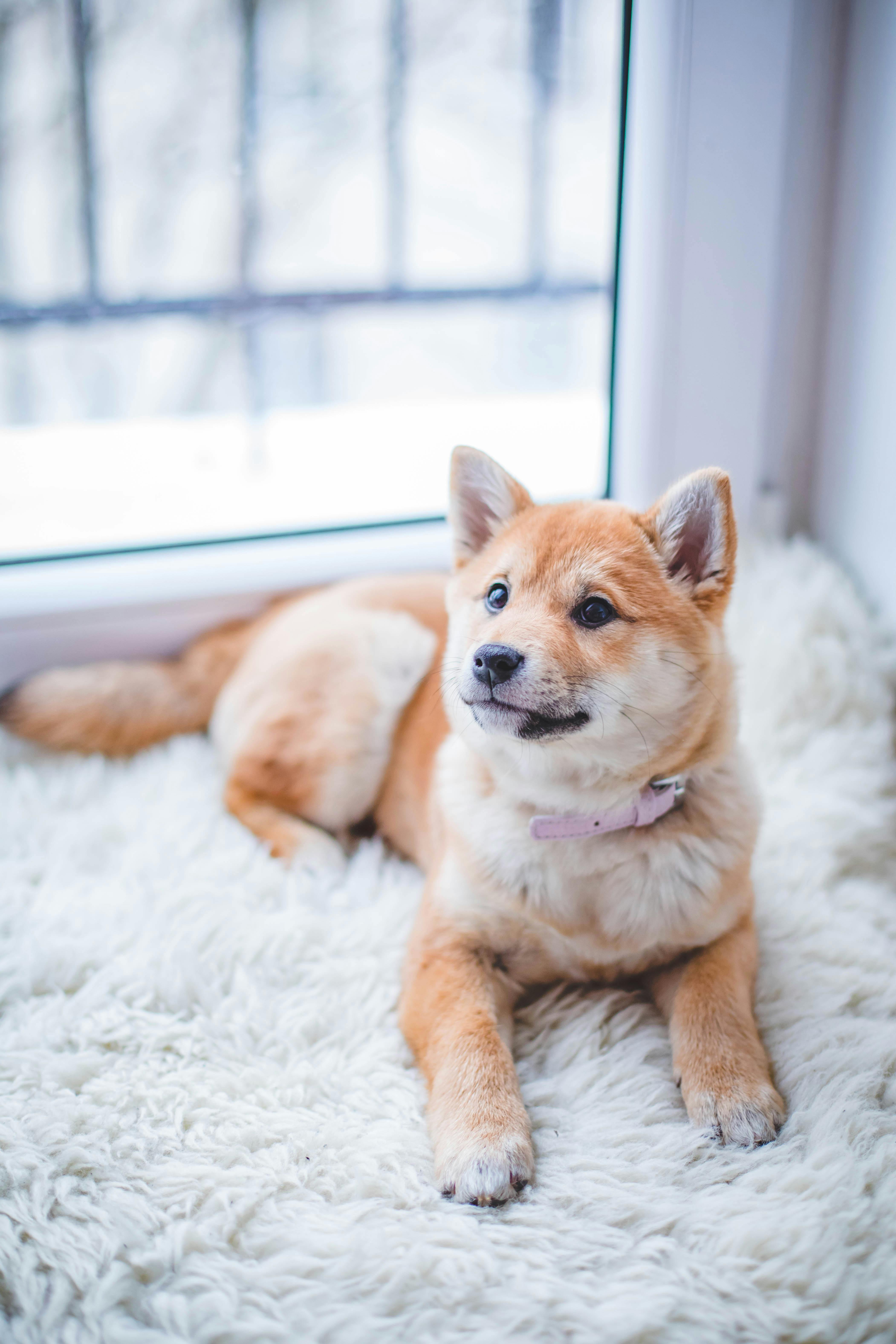
What to Do If the Whining Still Doesn't Stop
So, you did everything perfectly right. But in the middle of the night, a pitiful cry rings out again. How should you react to avoid making things worse? The most important and difficult rule is to maintain absolute inner calm. Your nervous tension and irritation are instantly transmitted to the sensitive animal. If you jump out of bed at the first squeak, pick the baby up, pity them, and play with them, they will very quickly learn the wrong lesson. They will understand: "I cry - I get entertained and loved." This is a direct path to exhausting nightly concerts for years to come. But completely ignoring a tiny creature's panic is also cruel and unprofessional.
- Drop your hand down to the puppy. If the bed or crate is right next to your bed, simply lower your hand. Let the puppy sniff your fingers and feel the warmth. They will understand that you are nearby and haven't disappeared.
- Speak in an even whisper. Say a few gentle, soothing words in a very quiet, monotonous voice. No high-pitched intonations or emotional exclamations. These might awaken a strong desire to play in them.
- Check physiological needs in time. If the puppy slept peacefully for several hours and then suddenly woke up and is crying anxiously, they probably just really need to go to the bathroom. Silently, without unnecessary emotions, carry them to the pee pad.
- Act without extra interaction (this is the key point). After the little one has gone to the bathroom, immediately return them to their sleeping place. No loud praise, games, or long conversations. The night is created exclusively for sleeping.
A Brief Conclusion for Caring Owners
The first few nights in a new home can objectively be difficult and exhausting for everyone. It is an absolutely natural stage. You and your new furry friend are just starting to observe and get to know each other. Be as consistent as possible in your daily actions. Radiate confidence, calm, and parental love. Provide the little one with a clear sense of physical safety. Strictly follow the evening routine. Very soon, these sleepless hours will be nothing more than a touching memory in your photographs. You will definately overcome this challenge. After all, genuine, responsible care can conquer any temporary adaptation difficulties. Good night and sweet dreams to you and your fluffy little one!