


Grab your leash, check the treat pouch, and tighten those sneakers-we aren’t just going for a walk, we’re entering the urban jungle! The dog park isn’t some boring sandbox with a few trees. It is an arena of raw emotion. Every tail has its own personality, and every owner has their own unique idea of disciplne. If you want your active pup to bring home nothing but good vibes and tired muscles, you have to play by the rules. At tvaryny.com, we are all about responsible ownership. So today, we are dissecting how to survive this “fight club” with ears intact and a happy grin.
Forget the idea of just unhooking the carabiner and staring at your phone. That is the cardinal sin of “couch-potato” owners. The park is a place for active interaction. You are the trainer, bodyguard, and mediator all rolled into one. Your dog is your partner-you need to act as a team, even when ten other hyped-up fur-balls are racing around you. Group dynamics change in split seconds. Your job is to read these signals faster than your dog can even think about a provocation.
Body Language: Spotting the Moment “Play” Turns Into “War”
Dogs don’t primarily communicate by barking; they use subtle micro-movements. If you see tails blurring in turbo mode, it doesn’t automatically mean everyone is having a blast. Real “flow” during play looks relaxed. Bodies are soft, movements are bouncy and curved, and dogs switch roles-one chases, then the other. But the moment you notice a “freeze,” a stiff neck, or a hard stare directly into the eyes-stop. That is a red flag! That is exactly when you need to step in before the fur starts flying.
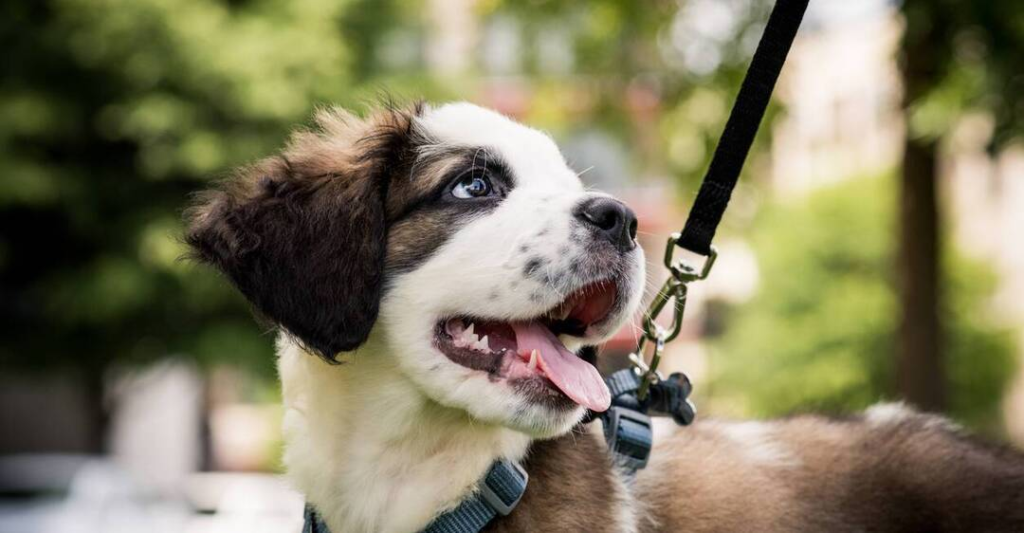
Watch the tail. A stiff tail held high and vibrating slightly isn’t a sign of joy-it’s a status demonstration and a challenge. If the tail is tucked between the legs and your dog tries to hide behind you, don’t force them to “make friends.” Socialization isn’t about pressure; it’s about creating positive experiences. When a dog feels pushed, they often switch to defense mode, and that’s when things go south.
Calming Signals and Early Warning Signs of Aggression
- Nose licking and looking away: Your dog is saying, “Hey buddy, I don’t want trouble, take it down a notch.” If the other dog ignores this, an escalation is coming.
- Raised hackles (Piloerection): This doesn’t always mean aggression, but it does signal extreme arousal. It massively increases the risk of the stuation getting out of control.
- The “T-Position”: When one dog puts their head over the shoulders of another. This is a direct provocation. Training and play should be paused immediately.
- Rough body contact: When play consists only of mounting or pinning others down without switching roles.
Resource Aggression: Why the Favorite Ball Stays Home
Brought a pro-level ball or a brand new tug toy? Congratulations, you just activated a time bomb with a short fuse. Most park scuffles arise from a fight over a “resource.” A dog that is a gentle lamb at home can turn into a gladiator in a group if their toy is at stake. This is pure instinct. Trying to fight that instinct when all the dogs are already amped up is a losing battle.
If you want to seriously practice fetching, find a time when the park is empty or go to an open field. In a fenced area with other dogs, toys only provoke rivalry. The same goes for food. Treats are great for motivation, but at the park, they should remain “invisible.” Never feed strange dogs without permission and don’t host a feast for your own pup in the middle of the pack. You’ll end up in a brawl over a piece of cheese faster than you can blink.
| Situation | Your Correct Reaction | What You Should Never Do |
|---|---|---|
| A strange dog charges at you | Stand between your dog and the stranger to maintain distance | Scream, flail your arms, or yank a small dog up by the harness |
| Play gets too rough (Growling) | Redirect attention with a command and separate dogs briefly | Wait until they “figure it out for themselves” |
| Your dog finds someone else’s toy | Calmly trade the object for a treat and return it to the owner | Try to snatch the toy away by force, triggering a chase |
Etiquette for Humans: How Not to Become Public Enemy No. 1
Let’s be honest: most problems aren’t caused by the dogs, but by us humans. A dog park is a community. When you enter an area where dogs are already running, always ask: “Can we join? Are yours friendly?”. This is the golden rule. Maybe a reactive dog is training there, or someone is practicing complex agility and needs quiet. Proper social skills at the park are just as important as knowing the dog in the office etiquette and prep steps for a successful workday.
Remember that rules apply outside the fence too. Discipline is a must for any active pet. At the park, the absolute rule is: clean up after yourself! No one wants to step into a “surprise” during a sprint after a frisbee. Be a responsible owner and keep those waste bags ready at all times.
«A dog park is not a place where the dog “walks itself.” It is a space where you teach your friend how to be part of a pack while keeping their focus entirely on you.»
Another critical issue is the entrance. Never allow a group of dogs to crowd the gate when a newcomer arrives. This puts immense pressure on the arriving dog. If you see someone coming to the gate, call your dog away. Let the person enter in peace and unhook the leash. The dog needs room to maneuver and a moment to check out the vibe.
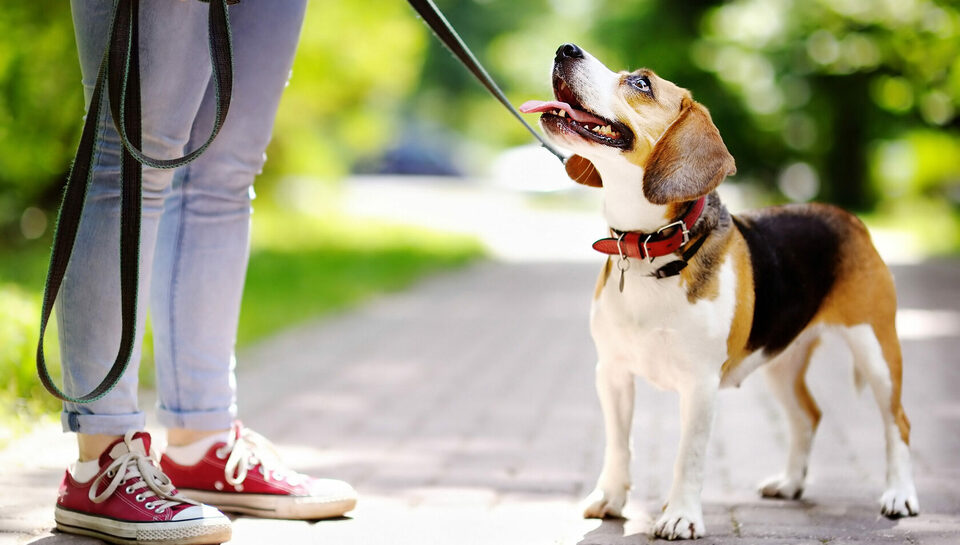
If the Fur Flies: The Emergency Protocol
Even pros make mistakes. If a fight breaks out-very important: Do. Not. Panic. Your screaming only pushes the dogs’ adrenaline higher. Never grab with your hands in the middle of the tangle-you’ll risk your fingers. Use the “wheelbarrow method”: If possible, two owners grab their dogs by the hind legs simultaneously and pull them away in opposite directions while moving in a circle. This disorients the dog and usually forces them to release the bite.
After such an incident: Leave the park immediately. Don’t waste time arguing-it only stresses the animal more. Calm your partner down, check them for injuries (under adrenaline, dogs often don’t feel bites until much later), and draw your conclusions. Stress can make any dog thin-skinned, especially if you are navigating the EU pet travel rules and required documents for a 2026 trip. Travel stress often makes animals more reactive toward others.
Leveling Up: The Safe Visit Checklist
To make every visit to the park a successful sport-event rather than a horror movie, memorize this list for your head and your backpack:
- Perfect Recall: Your dog must drop everything and fly back to you at the first signal. This is safety basis No. 1.
- Water and Bowl: Always bring your own water. Shared bowls at parks are breeding grounds for infection and conflict.
- Short Leash: Dogs run free on the field, but entering and leaving should always happen under full control.
- First Aid Kit: Disinfectant, bandages, and saline solution in the car are an absolute must-have.
Don’t forget: An active lifestyle with a dog means constant development and learning together. Don’t be afraid of mistakes; only be afraid of ignorance. Every visit to the park is a chance to be a better partner for your dog. Be a role model for others: show passion, show control, and show love for what you do. That is how we create a cool dog culture where parks are places of power, not stress.
Feeling energized? Then grab the toy, call your dog, and let’s go-the world is waiting! See you at the starting line!