

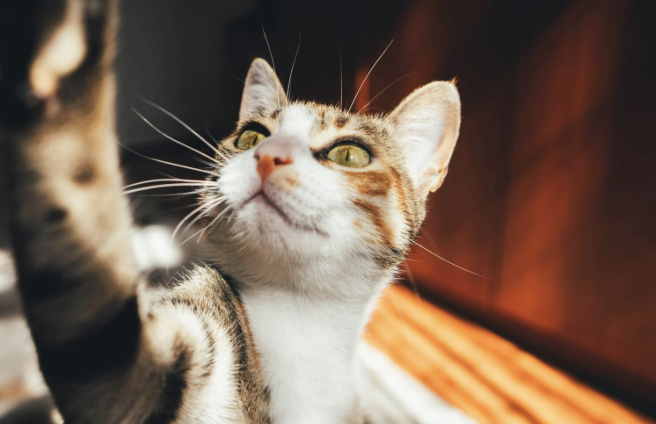
You’re sitting on the couch after a long, exhausting day at work. A fluffy little ball of fur is purring sweetly on your lap. You adopted this cat from the street or a shelter just a few months ago. Your hand gently strokes their warm back. Absolute peace and idyll surround you. Then suddenly – a sharp movement, a lightning-fast strike. Your fingers are caught in a trap of sharp teeth and unsheathed claws. Pain, fear, and complete confusion about what just happened. Does this situation sound familiar? This realy becomes a shock for many rescue pet owners. It is a source of deep pain. And not just physical, but emotional. It feels like the animal has betrayed us and rejected our love.
Here at tvaryny.com, we frequently receive letters from desperate owners. With tears in their eyes, they ask: “Why is he doing this to me? I just love him, I give him the absolute best, and he bites the hand that feeds him!” As a volunteer and pet psychologist, I hear these stories every single week. My heart breaks every time. I know that behind that bite is a small, confused soul. One who never wanted to cause you pain. The cat did not plan a betrayal. They aren’t a hypocrite or a sneaky predator patiently waiting for the right moment to strike.
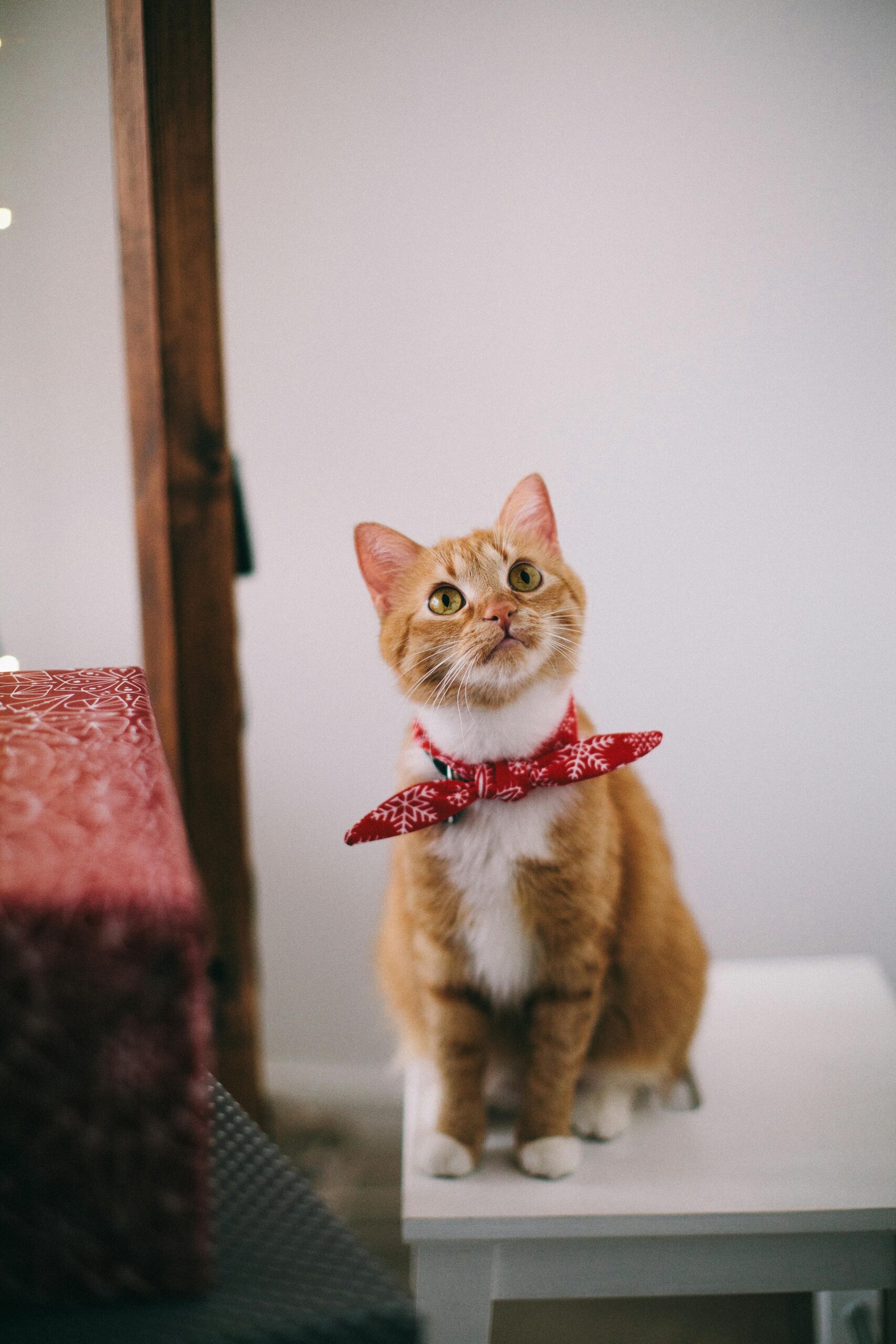
Today, I want to be the voice for these misunderstood cats. These are the same “biters” who sometimes get returned to shelters labeled as “aggressive.” In reality, they just needed someone who could learn to read their body language. Let’s look into the feline psyche. We will understand why tenderness sometimes has a limit. And we’ll learn how to ensure your embraces are always a safe space for you both.
The illusion of betrayal: the anatomy of sensory overload
To truly help our furry friends, we need to let go of human grievances. Let’s look at physiology instead. When we stroke a cat, we stimulate thousands of nerve endings. These are located at the base of every single hair on their body. At first, it feels pleasant. Endorphins are released, the cat relaxes, and the purring starts. But there is one massive catch – the feline nervous system is incredibly sensitive.
Imagine someone tickling you. For the first few seconds, it is fun and you laugh. But what if that person doesn’t stop for a minute, two, or five? The laughter turns into hysteria. The pleasant sensations turn into unbearable irritation and even pain. You start pushing their hands away, shouting, and begging them to stop. The cat feels the exact same way. Their “cup of patience” overflows. Their nerve receptors become overloaded. Static electricity builds up on the fur from the friction of your hand. This can cause microscopic, but highly unpleasant shocks. That is when a pleasant caress becomes physically unbearable.
A cat cannot use words to tell you: “Please stop, I’ve had enough.” They communicate with their body. But if we are lost in our own thoughts or watching TV while mechanically stroking their back, we ignore their requests. A bite is not an attack. A bite is a cry of despair. It is the absolute last line of defense when all other warning signals have been ignored.
Kitties learn to trust us through touch. Step by step, they overcome their street fears. But their trust ends right where hyperstimulation begins. True love for an animal isn’t just about the desire to cuddle them. It is also the ability to pull your hand away in time, fully respecting their boundaries.
From the notes of a volunteer pet psychologist
Red flags: how to tell a storm is brewing
Before putting their teeth to use, almost every cat gives us a whole spectrum of warning signals. They might be incredibly subtle. They might last only a few seconds, but they are definitely there. If you learn to read them, you will forget about sudden bites forever. Here are the main signs that the petting limit has been reached:
- Tail-metronome: This is the brightest indicator. If a relaxed tail starts twitching nervously at the tip or sharply thumping against your legs or the couch – remove your hand immediately.
- Airplane ears: The ears turn sideways or flatten against the head. The animal is trying to “close off” from the stimulus.
- Muscle spasms: The skin on the back, especially closer to the tail, begins to twitch slightly. It looks as if invisible bugs are running across it.
- Change in gaze: The cat suddenly stops squinting with pleasure. Their eyes open wide, the pupils dilate, and they focus a hard stare right at your hand.
- Vocalization: The purring stops abruptly. Sometimes it is replaced by a low, hollow growl or an unhappy “meow.”
- Attempts to leave: The cat shifts their weight from paw to paw or tries to pull away. Never hold an animal down by force!
The feline body map: where trust lives
Working in shelters, I have seen many different personalities. Some cats are ready to offer their sides for hours. Others only allow short touches to the head. It is vital to understand that there are zones on a cat’s body that are evolutionarily linked to safety or, conversely, vulnerability. Knowing this “map” will help you avoid conflicts.
| Body Zone | Risk Level | Perception Features |
|---|---|---|
| Cheeks, chin, forehead (behind ears) | Green zone (Safe) | Scent glands are located here. Petting these areas means exchanging pheromones, which is very calming for the cat. |
| Back (from neck to mid-back) | Yellow zone (Use caution) | Most cats love this, but this is exactly where overstimulation happens most often. Keep a close eye on their reaction. |
| Base of the tail | Orange zone (Individual) | For some, this is a favorite spot. For others, it causes instant pain due to a high concentration of nerve clusters. |
| Belly and paws | Red zone (Dangerous) | The belly is a predator’s most vulnerable spot. Touching it is only allowed under conditions of absolute, unconditional trust. |
Don’t try to find a dog inside a cat
One of the most common mistakes newbie owners make is applying their dog-handling experience to cats. These are two completely different planets. If you bring home a pup, you’ll need to know the signs that you’re demanding too much from your dog during training, but when it comes to petting, they can literally enjoy intense belly rubs for hours. They will actively demand more, nudging your hand with a wet nose, and their nervous system will remain perfectly stable. Dogs are highly social animals. Tactile contact is the foundation of their pack interaction.
Cats, however, are solitary hunters by nature. Their need for tactile contact is much more measured. Petting a cat the way you pet a dog – intensely, for a long time, and using force – is a direct path to violating their boundaries. The cat feels trapped. So, when you bring a purring friend into your home, leave all your “dog” habits at the door. Learn to respect feline independence.
When the problem goes deeper: the line between fatigue and trauma
I have to be honest with you. Sometimes aggression during petting isn’t just a reaction to overloaded receptors. When we talk about street or shelter animals, we are often dealing with deep psychological scars. Perhaps in the past, a human hand was associated with pain or cruelty for the cat. In such moments, a simple stroke can trigger severe flashbacks. The animal attacks purely to defend its own life.
There are situations where attacks happen too unexpectedly and intensely. The cat might take a very long time to calm down afterward. If you feel like your pet’s behavior is getting out of control and you are afraid of them, you should study this issue in more detail. I highly recommend reading our detailed guide on sudden aggression syndrome in cats and what to do if a cat attacks for no reason. We break down the medical preconditions for aggression there. Sometimes hidden physical pain (like arthritis or severe dental problems) forces a cat to defend itself from any touch.
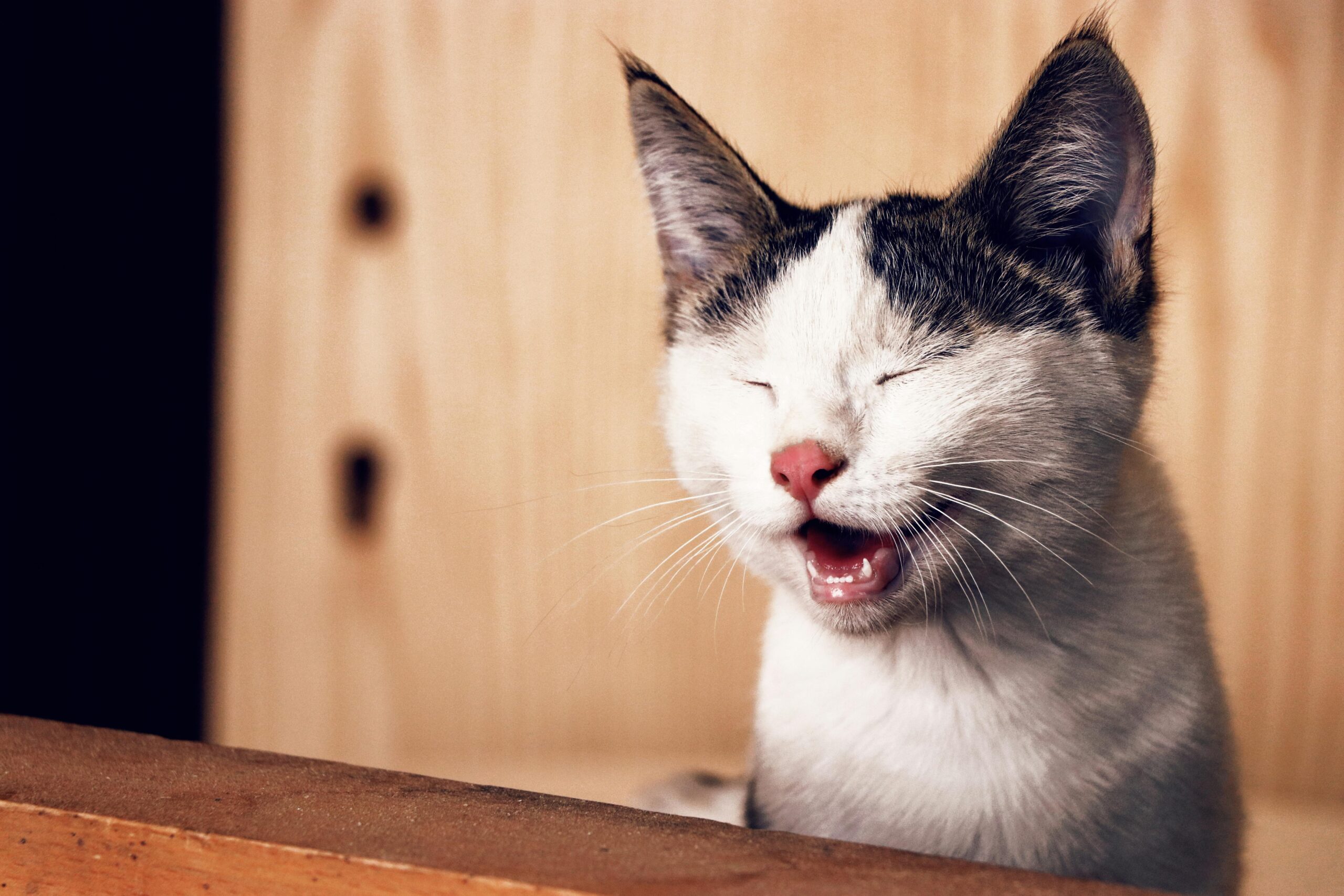
The practice of love: the “Three Second” rule
How then should you properly show your love without provoking an attack? In animal psychology, there is a gold standard for working with traumatized or simply highly sensitive cats. It is the “Three Second Rule” (or the consent test). It works absolutely flawlessly. It helps build an incredibly strong bond based entirely on trust.
The core of the method is very simple:
- Extend a relaxed hand (preferably just one finger) towards the cat’s nose. Let them sniff you first.
- If the cat turns away or ignores your hand – simply walk away. Contact is not wanted right now.
- If the cat rubs its cheek against your finger on its own – that is a green light. You can go ahead and pet them.
- The main secret: pet them for exactly 3 seconds (or use three short strokes). Then stop and pull your hand back a few inches.
- Observe. If the cat reaches for your hand or nudges it with their head – they are asking for more. Pet them for another 3 seconds. But if they just lie there or start grooming themselves – the petting session is officially over.
This simple test gives the cat a feeling of total control over the situation. They understand they aren’t being held down by force. They know they can stop the process at any moment. This very feeling of saftey works wonders with even the most skittish animals.
What to do at the moment of a bite (and what you absolutely shouldn’t do)
But what if you missed all the signals and sharp teeth are already sunk into your hand? The first human reaction is to scream and try to rip your hand away. That is the absolute worst thing you can do. Here is the correct algorithm of actions that will save both your hands and the cat’s psyche:
- Freeze and don’t pull back. Jerking your hand away instantly triggers the cat’s predator instinct: prey is escaping, so they need to hold on tighter. Additionally, you will tear your own skin on their inward-curving feline teeth.
- Don’t scream and don’t hit. Aggression in response to aggression is a path leading nowhere. You will only confirm their fear that you are a genuine threat. Next time, they will bite much harder and faster.
- Make a counter-movement. Instead of pulling your hand away from the cat, softly but firmly push it towards them, right into their mouth. This confuses the animal (since prey doesn’t do that). It forces them to reflexively unclench their jaws.
- Remove your attention. As soon as your hand is free, calmly stand up and leave the room. Say absolutely nothing. Just disappear. The cat must learn a clear lesson: this specific behavior instantly stops any interaction with you.
The path to the heart lies through patience
Every street cat we bring into our home is a little box of secrets. Some of them hide a lot of pain, fear, and deep distrust of the human world. Their adaptation does not happen overnight. There will be steps forward and there will be setbacks. There will be moments when you want to throw your hands up in defeat while looking at fresh scratches.
But I ask you: please don’t give up. Behind every single bite is not anger, but an inability to cope with their intense emotions. They don’t know how to speak, so they speak with their teeth. Our job, as the wiser and stronger ones, is to learn to listen to their bodies. Use the three-second rule, respect their boundaries, and give them space for solitude. And one day you will witness a miracle: your “aggressive” cat will come to you completely on its own. They will rest their head in your palm and quietly sigh, feeling absolute, unwavering safety. That is the moment that makes all the trials worth it. Because a rescued heart knows how to love the strongest.