

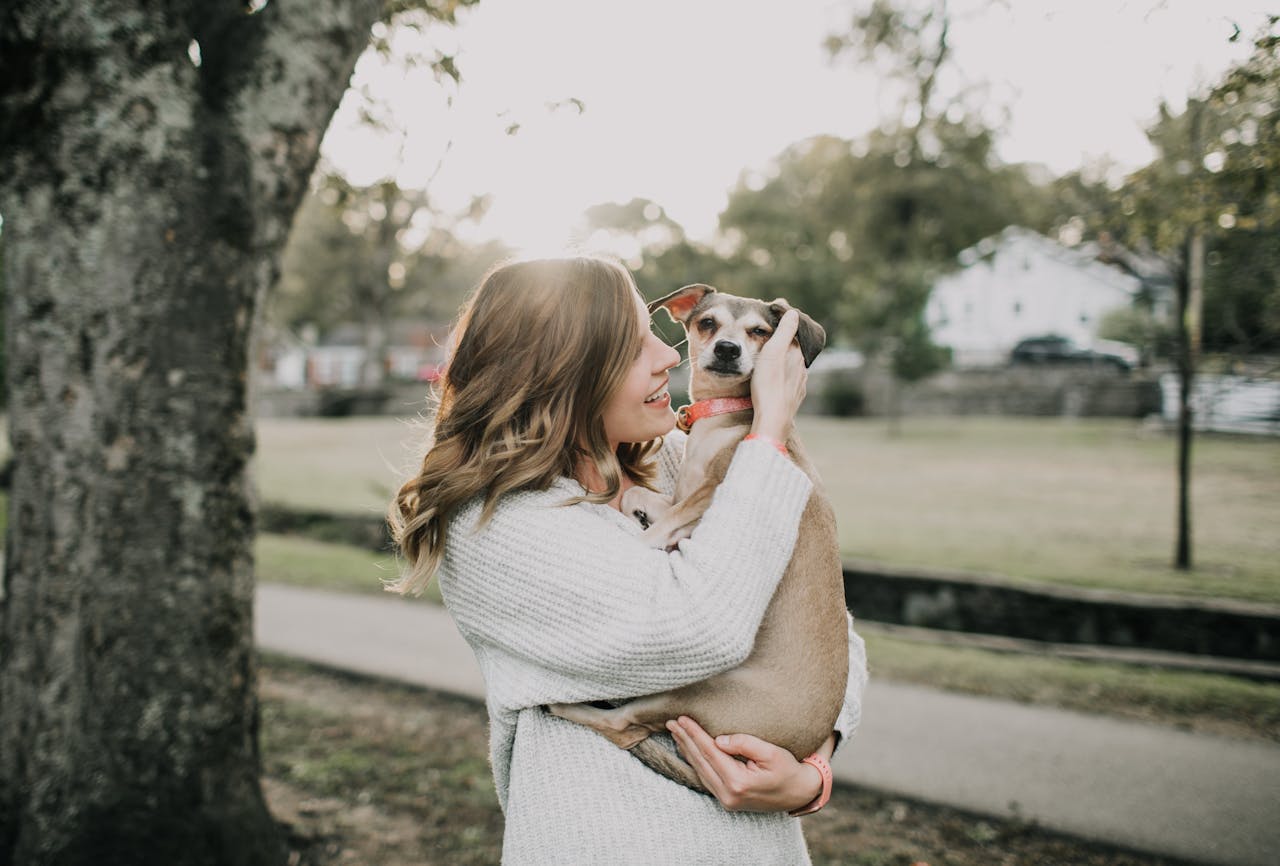
A diagnosis of “blindness” or “deafness” for a pet can sound like a death sentence. An owner’s mind immediately floods with anxious questions: “Will they be able to live a full life?”, “How do I communicate with them now?”, “Will they be in pain or afraid?”. This is a completely normal reaction; we love our four-legged friends and want only the best for them. The good news is that losing sight or hearing isn’t the end of a happy life, but rather the start of a new chapter where your bond can become even stronger. The most important thing is knowing how to act, and we’ll cover that next on Tvaryny.
Animals have an incredible ability to adapt. They don’t dwell on their loss but instead learn to live in new conditions by relying on their other senses. Your job as a loving owner is to become their trusted guide in this new world. This article is your detailed guide to understanding how to help a blind or deaf pet, adapt your home, and establish new ways to communicate, ensuring your pet feels happy, safe, and loved.
The First Step: How to Recognize the Problem

The loss of sight or hearing often happens gradually, especially if it’s caused by age-related changes. It’s important to spot the early signs so you can consult a vet and take action.
Signs of Vision Loss:
- The pet starts bumping into furniture, walls, and doors more often.
- Uncertainty in movement, particularly at dusk or in an unfamiliar place.
- Reluctance to go down or up stairs.
- Difficulty finding toys, or their food and water bowls.
- Cloudy eyes, a change in their color, or dilated pupils that don’t react to light.
- The pet is easily startled when touched or approached silently.
Signs of Hearing Loss in a Cat or Dog:
- Stops responding to their name, the sound of a door opening, a doorbell, or the noise of their food bowl.
- Sleeps very soundly and isn’t woken by loud noises that used to disturb them.
- Gets startled when you approach from behind and touch them.
- Meows or barks excessively loudly, as they can’t regulate the volume of their own voice.
- Frequently shakes their head or scratches their ears (this can be a sign of an infection that may lead to deafness).
If you notice one or more of these signs, the first thing to do is schedule an appointment with your vet. They can provide an accurate diagnosis, determine the cause and extent of the sensory loss, and rule out other medical conditions. On our site, you can also learn more about endoscopy for pets and palliative care for animals.
Helping a Blind Pet: Creating a Safe World of Scents and Sounds

When a pet loses their sight, their world transforms into a “mental map” built on memory, sounds, smells, and touch. Our task is to make this map as stable and safe as possible.
Checklist: Adapting Your Home for a Blind Dog or Cat
- Stability Above All Else: DO NOT move furniture, food and water bowls, their bed, or the litter box. Your pet memorizes their location, which gives them confidence. If a change is unavoidable, guide your pet along the new route several times.
- Secure Sharp Corners: Apply special silicone corner protectors (the kind used for babies) to the sharp corners of tables, nightstands, and other furniture.
- Stairs and Dangerous Areas: Install baby gates at the top and bottom of stairs, at the entrance to a balcony, or in front of a fireplace. Safety is paramount, especialy on stairs and near open doors.
- Sensory Markers: Place rugs with different textures near important objects. For example, a fluffy rug by their food bowl and a rubber mat by the front door. This will help your pet navigate.
- Scent Markers: You can use pet-safe essential oils (like lavender) to mark hazardous areas. Apply a drop to a cotton ball and place it near the obstacle.
- Clear Away Clutter: Always keep the floor clear of shoes, kids’ toys, wires, and other items they could trip over.
Communication and Play: A New Level of Interaction
Your voice becomes a blind pet’s main guide and source of comfort. Speak to your pet more often and narrate your actions. Before you touch them, always say their name first to avoid startling them.
Choose toys for blind pets that stimulate their other senses:
- Sound Toys: Balls with bells, squeaky toys, and crinkly toys.
- Scented Toys: Toys where you can hide treats inside.
- Interactive Snuffle Mats: You can hide food in these mats, and your pet will use its sense of smell to find it.
Walks outside are essential, but from now on, only on a leash. Allow your dog to explore the world with their nose; don’t rush them. For extra safety, you can get a special bumper device (a halo) that attaches to a harness and warns them of obstacles at head height.
Helping a Deaf Pet: The Language of Gestures and Vibrations

For a deaf pet, the world becomes visual. They begin to rely more heavily on sight and their sense of vibration. Your task is to learn to communicate with them in a new way and to ensure their safety in a world that is silent to them.
How to Teach a Deaf Pet Commands: The Basics of Visual Training
Training a deaf pet relies on hand signals, and instead of a clicker, you use a visual marker (like a quick flash of a flashlight or a thumbs-up). Start by teaching simple commands:
- “Look at me”: Hold a treat near your pet’s nose, then slowly raise it to your eye level. When they make eye contact, give your visual signal and the reward.
- “Sit”: Show an open palm, and with your other hand, gently guide your dog’s rear down so they sit. As soon as they do, give the signal and the treat. Over time, the hand signal alone will be enough.
- “Come”: Crouch down and make a broad, welcoming gesture with your arm toward yourself. When your pet comes to you, reward them.
Consistency and positive reinforcement are key. Keep training sessions short and fun.
Safety at Home and Outdoors
A deaf pet can’t hear you approaching, so it’s easy to startle them. Always approach them from the front so they can see you. To wake them up, don’t touch them directly; instead, gently tap the floor nearby – the vibration will alert them to your presence. To get their attention in a room, you can try flicking the lights on and off.
Outside, a deaf dog MUST ALWAYS be on a leash. They won’t hear an approaching car or an aggressive dog. It’s very helpful to get a harness or bandana with a message like “I am deaf” or “Deaf Dog” to alert other people.
“Animals don’t see disability as a tragedy. They just adapt. A blind dog learns to trust its nose, and a deaf cat becomes a master of visual observation. The main stress is usually felt by the owner, not the animal. Therefore, my main piece of advice is: calm down, take a breath, and start learning from youre pet’s resilience.”
Frequently Asked Questions (FAQ)
Can my blind/deaf pet be happy?
Absolutely! A pet’s happiness doesn’t depend on the fullness of its physical senses, but on feeling safe, loved, having a stable routine, and getting mental stimulation. Your care is the key to their happiness.
Should I get another animal to be a “guide”?
This is a tricky question. Sometimes a second animal can be a wonderful companion and help them navigate. However, it can also be an additional source of stress. This decision should be made very carefully, considering the temperaments of both animals, and a slow, controlled introduction is essential.
How should I react if my pet bumps into something or gets scared?
Stay calm. Your own panicked voice will only increase their stress. Speak in a calm, gentle tone (even if they can’t hear, they will feel your calm vibrations), pet them gently, and offer a favorite treat to create a positive association.
Conclusion: A New Depth to Your Friendship
Caring for a pet with special needs is a journey that requires patience, ingenuity, and a huge amount of love. But it’s also a journey that can reveal an incredible depth of trust and understanding between you and your pet. You become their eyes or their ears, their support system, and their safe harbor.
As you watch your once-confused friend start to enjoy life again-navigating your home with confidence, playing games, and trusting you 100%-you’ll know you’ve succeeded. Remember, the loss of sight or hearing isn’t a death sentence, but simply a new stage in your shared journey, one filled with love and devotion.