

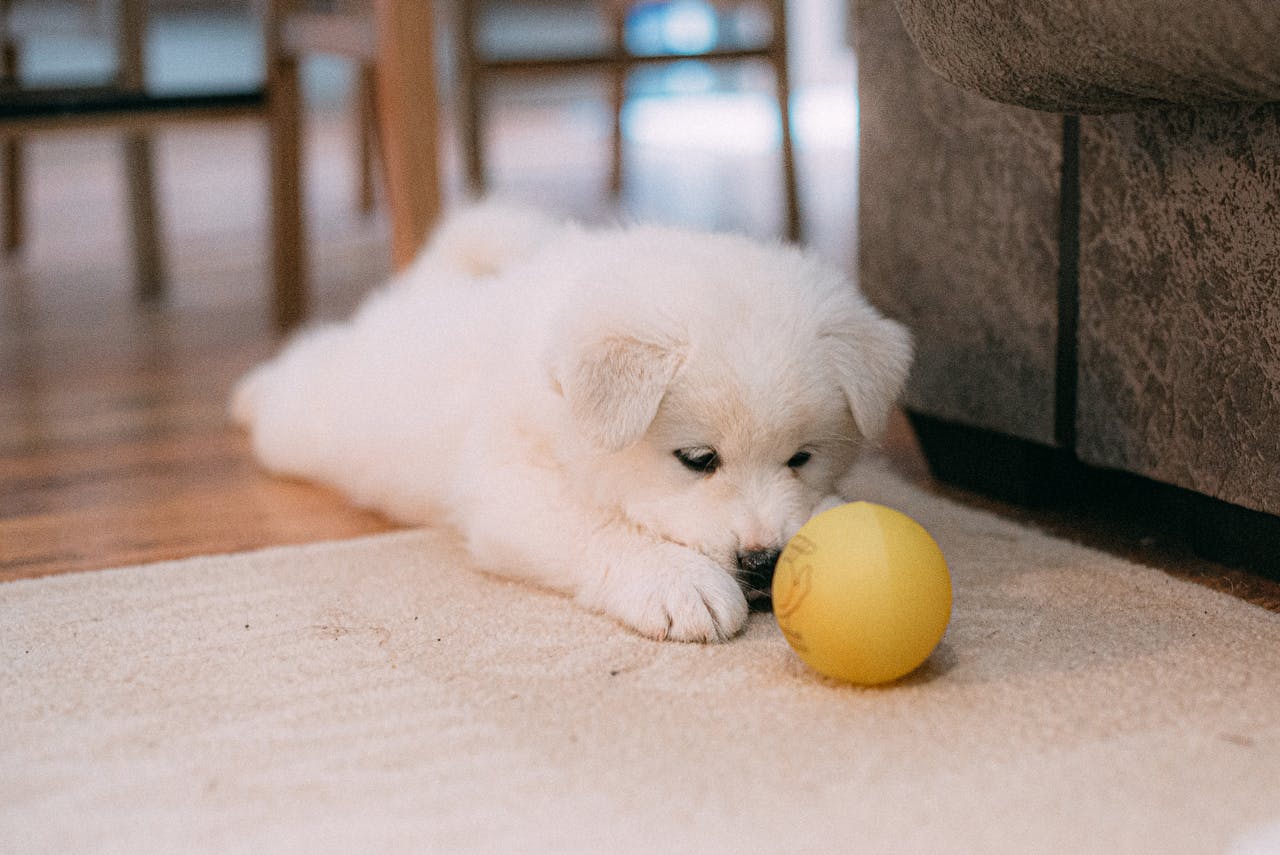
Bringing a puppy home is always a flood of positive emotions, joy, and funny moments. But along with this comes a great deal of responsibility. New owners often face their first challenge before the little one even steps through the door: what does it actually need? The pet supply market is staggering in its variety, with store shelves packed with hundreds of bright toys, beds, bowls, and accessories. Choosing the truly essential items for a puppy, without overspending or forgetting something vital, can be difficult.
That’s why we’ve prepared a comprehensive guide to help you get your bearings and buy everything your new four-legged friend will need for the first stages of life – from creating a cozy den to preparing for those first walks. How not to get lost in this huge range and choose the best for your pet is something we’ll cover more on this at Tvaryny.
First Days at Home: Creating a Safe Space

When a puppy first arrives in a new home, it feels stressed from being separated from its mother and littermates. Your main task is to create a sense of safety and comfort for it. This “den” should become its own personal, untouchable space.
- A place to sleep (bed or bedding). This should be a cozy, warm bed with raised sides, which will remind the puppy of a nest. Choose models with a removable, washable cover. The material should be durable but pleasant to the touch. It’s important to decide on a permanent spot for the bed right away, so the puppy gets used to the routine.
- Playpen or crate. Many owners mistakenly see this as restricting freedom, but it’s actually a safety tool. Until the puppy is used to the new space and has learned the rules, a pen will protect it from potential dangers (like electrical cords or household chemicals) and protect your furniture from sharp teeth.
- Bowls for food and water. You’ll need at least two. The best choice is stainless steel or ceramic. They are hygienic, easy to wash, and difficult to tip over. Plastic bowls are cheaper but scratch easily, which can harbor bacteria and may cause allergies. Opt for bowls on a stand if you have a medium or large breed puppy, so it doesn’t have to bend down too low.
Nutrition and Care: The Foundations of Health
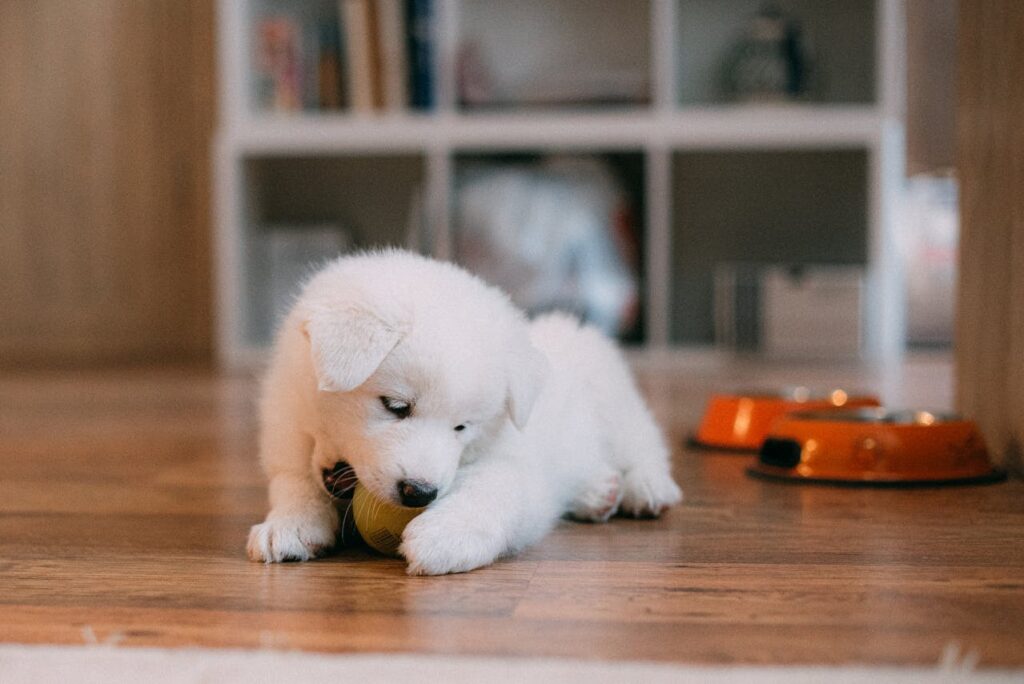
The little one’s health depends directly on proper nutrition and timely hygiene. It’s vital to follow the recommendations of your vet and the breeder, but a certain set of puppy supplies is universal.
Feeding
For the first few weeks, it’s best to feed the puppy the same food it had at the breeder’s to avoid digestive upsets. If you plan to change its diet, do so gradualy over 7-10 days. Choose only specialized puppy foods (marked “Puppy” or “Junior”), as they contain the necessary balance of protein, fats, vitamins, and minerals for growth.
Hygiene and Grooming
Proper grooming isn’t just about cleanliness; it’s about getting the puppy used to the procedures from a young age. This will make your life much easier in the future.
- Bathing products. You’ll need a special puppy shampoo. Never use human shampoos – they have a different pH level and can cause severe skin irritation.
- Brush or comb. Even if you have a short-haired puppy, it needs regular brushing. This stimulates blood circulation and removes dead hair. For long-haired breeds, this is a daily necessity.
- Nail clippers. Overly long claws prevent the puppy from placing its paw correctly, which can lead to joint problems. Introduce nail trimming gradually and very carefully.
- Ear and eye cleaning solutions. Special lotions will help maintain hygiene and prevent infections.
- Puppy pads. Even if you plan to potty-train your puppy to go outside, you’ll need pads for the first few weeks while it’s in quarantine after vaccinations, or for any nighttime “accidents”.
Play and Development: More Than Just Fun
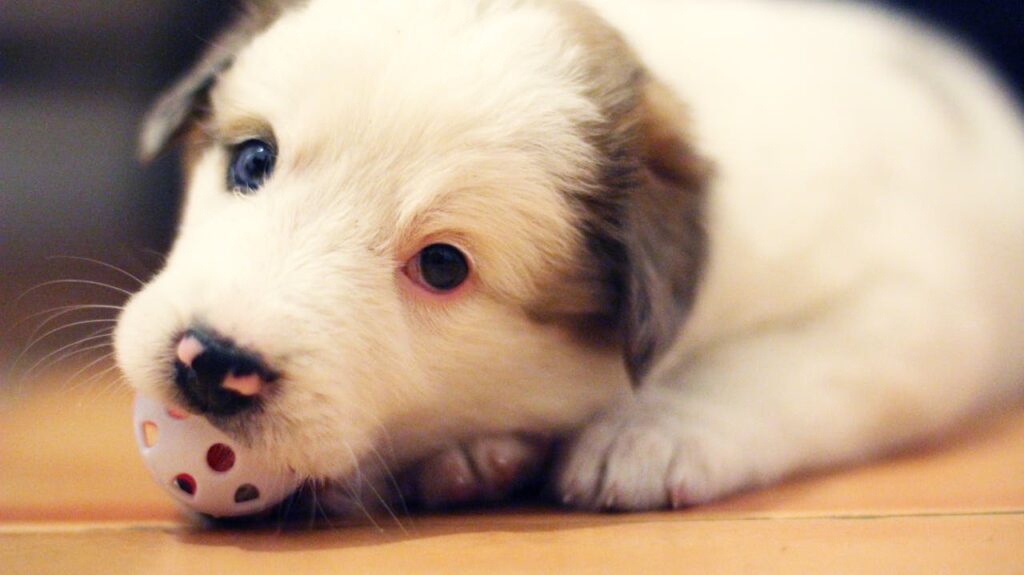
For a puppy, play is the main way it learns about the world, communicates, and develops. The right puppy toys not only keep the little one entertained but also help with training, education, and save your furniture from destruction.
What toys does a puppy need?
- Chew toys. These are an absolute must-have, especially during the teething period (3-6 months). They help to soothe itchy gums and teach the puppy to chew “permitted” items. These can be toys made of dense rubber, or special nylon or rawhide bones.
- Interactive (puzzle) toys. These are toys that dispense treats (like a “Kong” or snuffle mats). They stimulate mental activity, teach the puppy to solve problems, and keep it occupied for long periods while you’re busy.
- Toys for fetching. Balls, frisbees (made of soft materials), and rope toys. They are essential for active games with you, which strengthens your bond and provides necessary physical exercise.
- Soft toys. Many puppies love to carry soft toys around or sleep with them. They provide comfort. Choose toys without small plastic parts (like eyes or noses) that the puppy could chew off and swallow.
Always supervise your puppy when it’s playing with new toys. Ensure they are appropriate for your pet’s size and don’t have small parts that could be swallowed. Regularly check the condition of the toys and replace any damaged ones promptly.
Training and Socialization: Preparing for the Outside World

As soon as the vet gives the all-clear to go outside (after all vaccinations), a new, important stage begins: socialization. For this, you’ll need the right gear and puppy training supplies.
Walking Gear
First walks are a huge experience for a puppy. It’s important that the gear is as comfortable as possible and doesn’t create negative associations. For puppies, especially small and medium breeds, vets and dog behavoirists recommend starting with a harness. While the puppy is still growing and learning to walk on a leash, comfortable harnesses and leashes are a better choice than a collar, as they don’t put pressure on the delicate neck and trachea if the pup suddenly pulls. It’s best to choose a lightweight leash, about 10-15 feet long (3-5 meters), to give the puppy a bit of freedom to explore the world.
Training Supplies
- Treats. The foundation of positive reinforcement training is the reward. Treats should be small (one “bite”), very tasty, and different from their everyday food.
- Treat pouch. This is a handy accessory that clips onto your belt or waistband, allowing you to instantly reward the puppy for good behavior without fumbling in your pockets.
- Clicker (optional). An effective tool for clicker training, which helps to “mark” the correct action the very second the puppy performs it.
Travel and Safety
Even if you’re not planning long road trips, trips to the vet are inevitable. You must ensure the puppy’s safety in the car from day one.
- Car seat or travel carrier. Transporting a puppy on your lap in the car is dangerous. A special carrier or a dog car seat (hammock) will protect your pet in the event of a sudden stop.
- ID tag. This isn’t just an accessory; it’s a vital necessity. Your phone number should be engraved on the tag. Attach it to the collar or harness as soon as the puppy starts going outside. This vastly increases the chances of finding your pet quickly if it gets lost.
Checklist: What You Need for a Puppy (Shortlist)
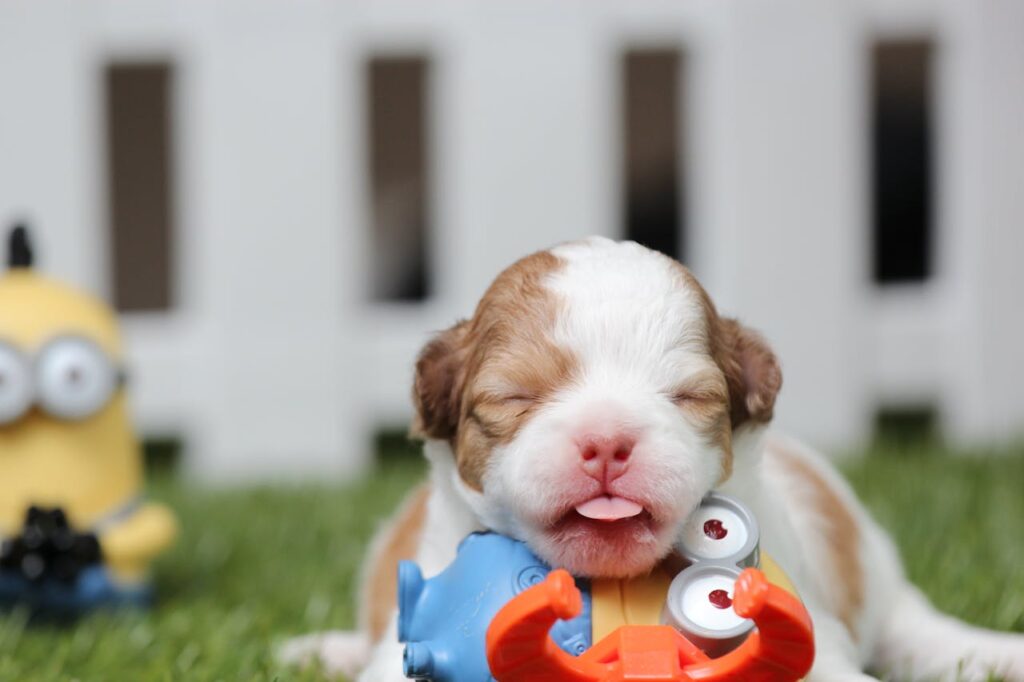
To make sure you don’t forget anything, here is a concise checklist of the most essential items:
- Bed or bedding
- Playpen or crate (for safety)
- Food and water bowls (2)
- Puppy food (the one recommended by the breeder)
- Puppy shampoo
- Brush or comb
- Nail clippers
- Puppy pads (for potty-training)
- Chew toys
- Interactive toys (Kong, puzzles)
- Toys for playing together (ball, rope)
- Harness (comfortable, correct size)
- Leash (lightweight, 10-15 feet)
- Training treats
- Engraved ID tag
- Travel carrier (crate or car seat)
Conclusion: An Investment in a Happy Future
Preparing for a puppy’s arrival is a responsible process. Buying the right products for your puppy isn’t just an expense; it’s an investment in its health, safety, and happy development. Don’t try to buy everything at once. Start with the basic essentials, and later, as you observe your pet’s personality and preferences, you can add to this list. The most important thing is to choose high-quality, safe items that will make your little one’s life comfortable from the very first days in its new home.