Group 6 (Scent Hounds and Related Breeds), Section 1.3 (Small Hounds) · France (Brittany)
Fawn Brittany Basset
A red Breton livewire with a cheerful heart — energetic and friendly: high-spirited, devoted, brave and surprisingly adaptable. The Basset Fauve de Bretagne is a short-legged French hound with a harsh red coat; despite an ingrained hunting instinct it makes a splendid family favourite, gets on with animals and children, though it has an independent, somewhat stubborn nature.
Apartment · with caveatsKidsCats · with caveatsOther dogsBeginners · with caveats
The Fawn Brittany Basset (Basset Fauve de Bretagne) is an energetic, cheerful, and friendly hunting dog that wins hearts with its happy nature and loyalty. Despite its deeply rooted hunting instinct, it adapts wonderfully to the role of a family pet and gets on well with other domestic animals. This dog vigilantly guards its territory, is a loyal companion to its owner, to whom it forms a strong bond, and at the same time shows remarkable cleanliness and robust health. Its independent streak and a certain stubbornness only add to its charm, requiring patience and consistency from the owner during training. Outside its native France and a few other European countries, this breed remains relatively rare, but its popularity is growing steadily. You can read more about this unique dog on Tvaryny.
Fawn Brittany Basset: Key Facts About the Breed
Fawn Brittany Basset: Key Facts About the Breed · 11
Breed Name
Basset Fauve de Bretagne
Country of Origin
France (Brittany region)
Time of Origin
19th century
Purpose
Hunting small game (rabbit, hare, fox), companion dog
Lifespan
12–15 years
Height (at withers)
32–38 cm
Weight
16–18 kg
Character
Energetic, friendly, loyal, stubborn, brave
Coat
Short, harsh, dense
Colour
Shades of fawn (from golden wheat to brick red)
FCI Group
Group 6 (Scent Hounds and Related Breeds), Section 1.3 (Small Hounds)
Interesting Facts About the Fawn Brittany Basset
The breed's name "Basset Fauve de Bretagne" literally translates from French as "low fawn (russet) from Brittany," which perfectly describes its appearance and origin.
Their harsh, "wire" coat is an ideal natural protection. It not only protects against bad weather but also allows the dog to push through the densest and most thorny thickets without injury.
Despite being a hound bred for hunting, in France, it is increasingly becoming a pure companion dog due to its wonderful character.
The slightly bowed front legs, which are a characteristic feature of many Bassets, are actually a functional advantage that helps them be more stable on difficult terrain.
The breed club in France (Club du Fauve de Bretagne) looks after two breeds at once: the Fawn Brittany Basset and its ancestor, the Griffon Fauve de Bretagne.
History of the Fawn Brittany Basset
The history of the Fawn Brittany Basset is inextricably linked with the rugged and picturesque region of Brittany in northwestern France. This breed is a direct descendant of the larger hound, the Griffon Fauve de Bretagne, which for centuries was used by the French aristocracy to hunt large game, including wolves and wild boar. However, after the French Revolution at the end of the 18th century, significant social changes occurred: large hunting grounds were divided, and hunting large animals became less accessible to ordinary hunters.
With the change in hunting conditions, there arose a need for a smaller but no less hardy dog that could skilfully pursue small game such as rabbits, hares, and foxes in dense thickets and rocky terrain. It was then, at the beginning of the 19th century, that hunters began to selectively breed the smallest specimens of the Griffon Fauve de Bretagne to create a new, more compact breed. To secure the short stature and improve hunting qualities, blood from other bassets was added, most likely the Petit Basset Griffon Vendéen. Thus the Fawn Brittany Basset came into being—a dog with short, strong legs, a tireless heart, and an unparalleled nose.
The breed quickly gained popularity among local hunters thanks to its bravery, tenacity, and ability to work both alone and in a pack. However, two world wars caused significant damage to the population, and in the mid-20th century, the Fawn Brittany Basset was on the verge of extinction. Only through the efforts of enthusiasts, particularly Marcel Pambra, who founded the "Club du Fauve de Bretagne" in 1949, was the breed saved and revived. Today, the Fawn Brittany Basset is known not only as a skilled hunter but also as a wonderful family pet, although it remains quite rare outside of France. A similar stubborn streak, by the way, is a characteristic of the Swedish hound, the Drever.
Appearance: The Fawn Brittany Basset Breed Standard
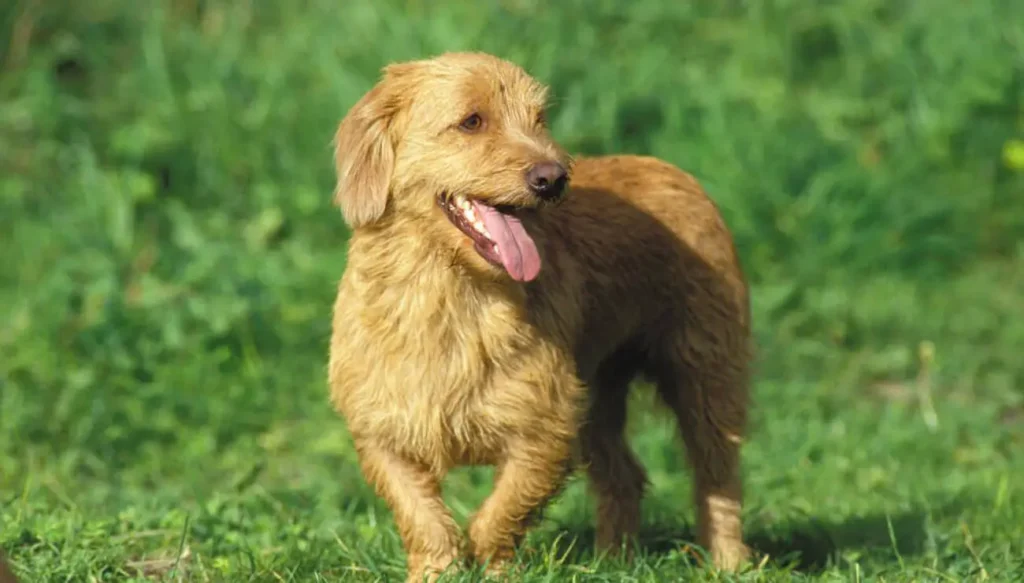
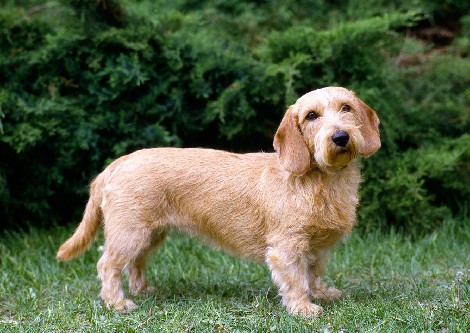
The Fawn Brittany Basset is a compact, sturdy, and energetic dog that combines the features of a typical basset with strength and endurance. Its appearance fully corresponds to its working purpose: every detail of its physique indicates its readiness for a long hunt in difficult conditions.
General Appearance: A low-slung dog with an elongated body, strong bones, and well-developed muscles. It gives the impression of being lively and agile, despite its short legs.
Head: The skull is of medium length, slightly domed. The muzzle is elongated, slightly tapered, but not pointed. The nose is black or dark brown, with well-opened nostrils.
Eyes: Dark brown, not bulging, with a lively and intelligent expression. The gaze is direct and open.
Ears: Set at eye level, slightly pointed at the tips, and covered with finer and shorter hair than on the body. They are not overly long, usually reaching the tip of the nose.
Body: The back is long and straight, the loin is broad and muscular. The chest is deep and wide, providing enough space for the heart and lungs.
Limbs: The front legs are short, massive, and may be slightly bowed, which is a characteristic feature of bassets and helps them maintain balance on uneven terrain. The hindquarters are strong, with well-developed muscles that provide a powerful thrust.
Tail: Medium length, thick at the base, and tapering towards the end. In motion, the dog carries it high in the shape of a sickle, which makes it visible in tall grass.
Coat: Very harsh, dry, dense, and quite short (about 4 cm). It is never soft, curly, or silky. This coat structure provides excellent protection for the dog against thorny bushes, bad weather, and dirt.
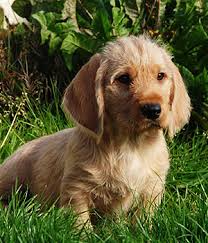
Colour: The characteristic fawn that gave the breed its name. All shades from golden wheat to rich brick red are permissible. A small white spot on the chest is sometimes seen but is not desirable according to the standard.
Character: Temperament and Behaviour of the Basset
The Fawn Brittany Basset is a dog with a dual character. On the hunt, it is brave, tenacious, and tireless, capable of pursuing prey for hours. At home, it transforms into a gentle, playful, and extremely loyal companion. This breed forms a strong bond with its family and copes poorly with solitude.
Thanks to their sociability, Bassets get on well with children, seeing them as playmates. They also usually coexist peacefully with other dogs, as they are historically accustomed to working in a pack. However, their hunting instinct can create problems in relationships with smaller domestic animals, such as cats, rodents, or birds. Early and proper socialisation can help smooth out these traits, but owners should always be vigilant.
Members of the breed are very intelligent, but like many other hounds, they can be stubborn and independent. If a Fawn Brittany Basset catches an interesting scent, it can "switch off its ears" and completely ignore its owner's commands. This is not a sign of disrespect but a manifestation of its natural instinct. Therefore, training requires patience, consistency, and positive reinforcement. They respond well to treats and praise but may resist harsh training methods. The Petit Basset Griffon Vendéen also has a similar stubbornness.
They are also excellent watchdogs. They are not prone to barking without reason, but they will always warn with a loud voice about the approach of strangers. Towards guests welcomed by the owner, they are friendly and curious.
Training and Socialisation
Training a Fawn Brittany Basset is a task that requires patience and creativity. Their stubbornness and independence complicate the process, but their intelligence and desire to please their owner make it possible.
Early socialisation is key. From a young age, introduce the puppy to different people, animals, sounds, and situations. This will help them grow into a confident and well-balanced dog. The basis of training should be positive reinforcement: use praise, toys, and treats. Avoid shouting and physical punishment, as this can cause fear or aggression in the dog. Training sessions should be short, interesting, and varied so as not to bore your pet.
Special attention should be paid to the "Come!" command. Due to their strong hunting instinct, this is the most difficult command for any hound. Start practising it in a quiet place and gradually complicate the conditions by adding distractions. Always generously reward the dog for returning.
Pros and Cons of the Breed
Pros and Cons of the Breed · 6
✅ Pros
❌ Cons
Cheerful, lively, and friendly character
Strong hunting instinct, tendency to follow a scent
Loyalty to family, gets on well with children
Stubbornness and independence in training
Robust health and longevity
Requires a lot of physical exercise
Simple coat care (apart from stripping)
Not suitable for apartment living without long walks
Compact size
Can be vocal (barking, howling)
Gets along well with other dogs
Requires a securely fenced area
Care and Maintenance of the Fawn Brittany Basset
Despite its compact size, the Fawn Brittany Basset is a very energetic dog that requires significant physical activity and appropriate care.
Grooming and Coat Care
The Fawn Brittany Basset's harsh coat does not require complicated grooming but does need regular attention.
Brushing: It is enough to brush the dog 1–2 times a week with a harsh brush or a special grooming glove to remove dead hairs and dirt. This also stimulates skin circulation.
Trimming (Stripping): Twice a year, usually in spring and autumn, the coat needs to be manually stripped. This procedure removes old, dead hair, making room for new, harsh growth. It is strongly recommended not to clip a Basset with clippers, as this spoils the coat's structure, making it soft, dull, and unable to perform its protective functions.
Bathing: Bassets are naturally very clean. They should only be bathed in extreme need, no more than 1–2 times a year, using special shampoos for harsh coats. Frequent washing can dry out the skin and coat.
Ear Care: Droopy ears are a weak spot for many hounds. They need to be regularly inspected and cleaned, as dirt and moisture can accumulate, leading to infections.
Claws: Regularly trim the claws if they do not wear down naturally during walks.
Physical Exercise and Activity
This is not a couch potato dog. The Fawn Brittany Basset needs daily long walks (a minimum of 1.5–2 hours) with the opportunity to run freely. The ideal place for them would be a private house with a securely fenced garden. The fence should be high and buried deep in the ground, as these dogs can dig under or jump over low obstacles if a scent interests them. In a city flat, they can be kept only if the owner is willing to dedicate a lot of time to active walks in a park or forest. Always keep the Basset on a lead in unfenced areas!
Nutrition
Feeding the Fawn Brittany Basset: Key Recommendations
Health and risks
Health: Common Ailments and Prevention
Frequently Asked Questions About the Breed (FAQ) · 5
Is the Fawn Brittany Basset suitable for living in a flat?
It is possible, but not ideal. The dog can live in a flat only if the owner provides daily, long (2+ hours) and active walks with the opportunity to run off-leash in a safe place. It will feel best in a private house with a well-fenced garden.
Does this breed shed a lot?
Their shedding is moderate. Regular brushing and seasonal stripping will help significantly reduce the amount of hair in the house.
How do they get along with children and other animals?
They are wonderful companions for children—patient and playful. They usually get along well with other dogs. However, due to their strong hunting instinct, they can chase cats and other small animals, so early socialisation and constant supervision are required.
Are they easy to train?
No, their training can be a challenge. They are intelligent but very stubborn and independent. It takes a patient, consistent owner who uses positive reinforcement methods.
Can the Fawn Brittany Basset be left alone for long periods?
These dogs are very family-oriented and do not cope well with being alone. If left alone for too long, they may suffer from separation anxiety, which can manifest in destructive behaviour and loud howling.
Video About the Breed
FAQ
Is the Basset Fauve de Bretagne good for a family?
Yes — it is one of the friendliest bassets: high-spirited, devoted, good with children and other animals, it adapts splendidly to the role of a family favourite.
Is it easy to train?
It is clever, but has an independent, somewhat stubborn hound nature, so patience and consistency are needed; positive motivation works better.
Is the breed suitable for a flat?
Conditionally — it is an adaptable, compact dog, but loud and with a hunting instinct; in a flat with sufficient exercise and walks.