

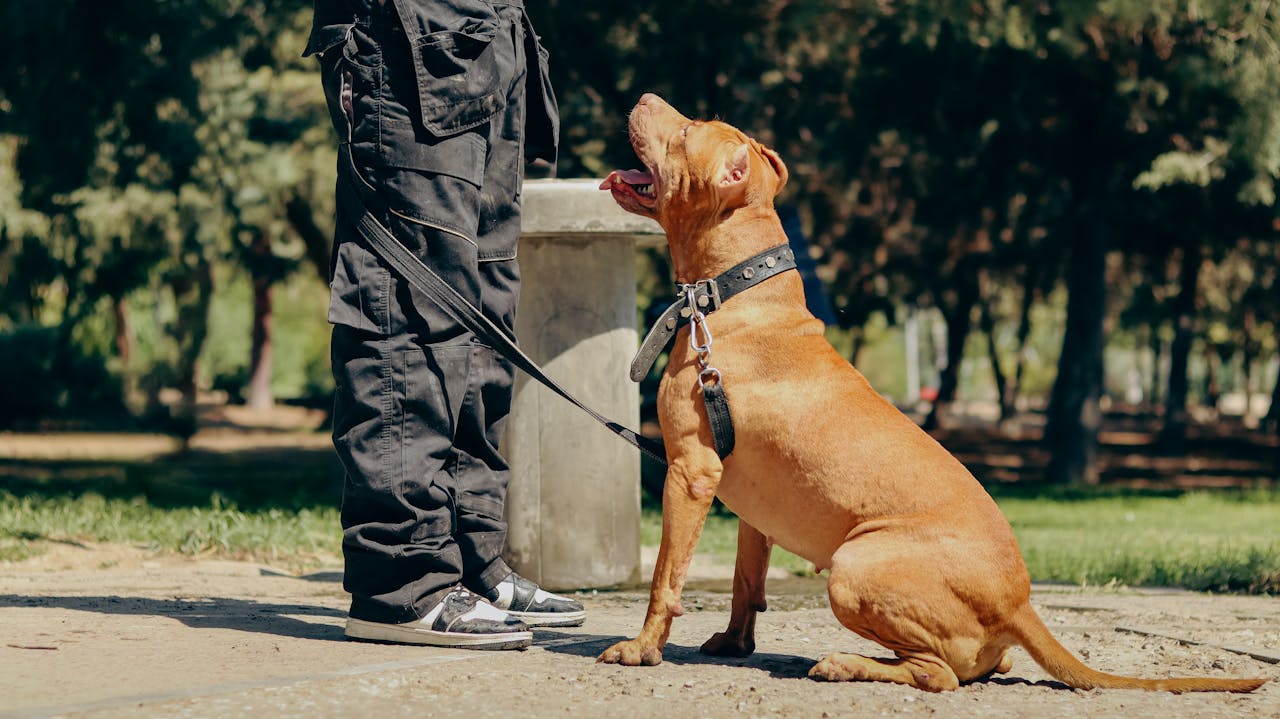
Raising a dog is a responsible and engaging process that demands knowledge, patience, and consistency. Every owner dreams of an obedient, well-socialised, and happy four-legged friend. However, sometimes difficulties arise on the path to this dream: the dog ignores commands, displays aggression, is afraid of going outside, or has other behavioural problems. It’s in these situations that a cynologist comes to the rescue – a specialist who understands dog psychology, behaviour, and training methods. But how do you know if you truly need professional help, and how can you avoid making a mistake when choosing a specialist? You can read more about this on Tvaryny.
Turning to a cynologist isn’t a sign of weakness or incompetence on the owner’s part; rather, it demonstrates a responsible attitude towards their pet and a desire to build a harmonious relationship. A qualified specialist will not only help correct undesirable behaviour but will also teach you to better understand your dog, its needs, and the signals it gives. It’s an investment in a peaceful and happy future together.
When Should You Consult a Cynologist? Signs and Situations
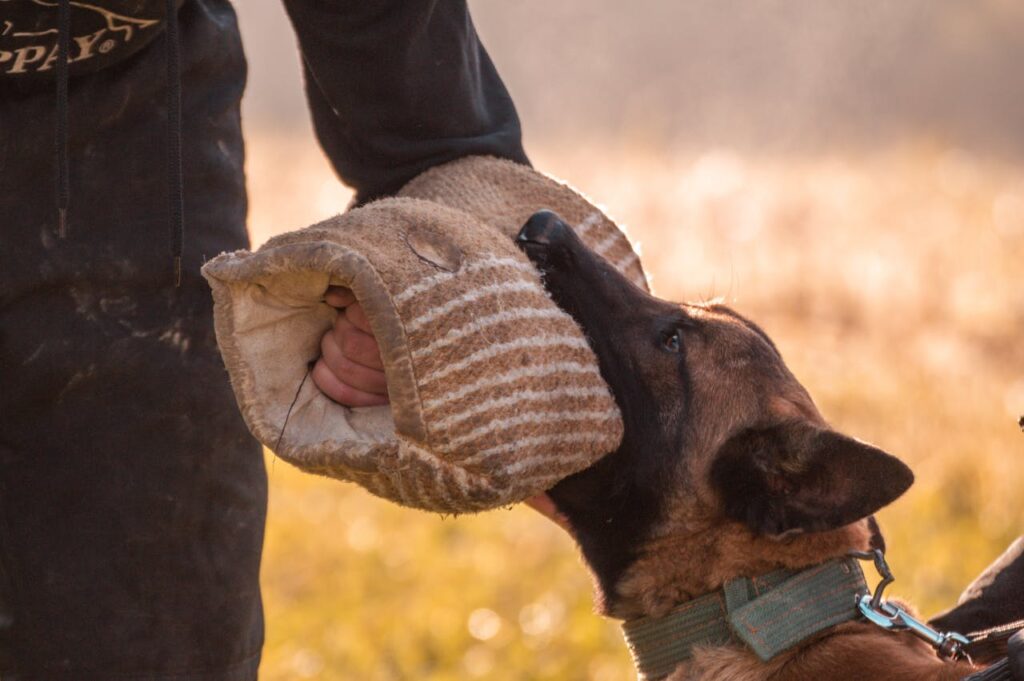
There are many situations where the help of a professional cynologist is not just desirable, but essential. It’s not wise to wait until a problem becomes critical. The sooner you seek help, the easier and quicker it will be to achieve positive results.
- Behavioural issues: This is the most common reason for seeking expert help. These include:
- Aggression: Towards people, other animals, family members, or resource guarding (food, toys). Aggression is a serious issue requiring immediate professional intervention.
- Fears and phobias: Fear of loud noises (thunder, fireworks), going outside, being alone (separation anxiety), or specific objects or people.
- Undesirable behaviour at home: Destroying belongings, howling or barking when left alone, scent marking indoors, or excessive destructive activity.
- Problems on walks: Pulling on the lead, scavenging for rubbish, barking at passers-by or other dogs, running off.
- Hyperactivity and lack of control: The dog can’t settle down, constantly demands attention, or ignores commands.
- Toileting issues: Inability to hold it in, or house soiling in adulthood.
- Bringing a puppy or adult dog home: A cynologist can help establish a good relationship from day one, organise daily routines, and start basic training and socialisation. This is particularly crucial for first-time owners or when adopting a dog from a rescue centre with an unknown history.
- Basic obedience course: Even if your dog doesn’t have obvious behavioural problems, sessions with a cynologist can help them master basic commands (“Sit”, “Down”, “Come”, “Heel”, “Leave it”), learn impulse control, and strengthen the bond between owner and dog.
- Preparation for specific tasks: If you plan to engage in dog sports (agility, frisbee, scent work), participate in shows, or need a dog for special purposes (assistance dog, therapy dog), a cynologist can help prepare your animal accordingly.
- When your own attempts aren’t working: You’ve read countless books and watched videos, but the problem isn’t improving or is even getting worse. This indicates that a tailored approach and an expert’s perspective are needed.
- Desire to deepen your knowledge: You want to understand your dog better and learn new methods of interaction and training.
It’s important to understand: a cynologist works not only with the dog but also with the owner. They teach the person how to interact correctly with the animal, understand its needs and body language, and apply effective training methods. Without the owner’s active participation and consistency, even the best specialist cannot achieve lasting results.
What a Cynologist Does: Range of Services
A cynologist’s work can cover a wide range of tasks, depending on the owner’s request and the dog’s needs:
- Consultation and diagnosis: The first step is usually an initial meeting, gathering information about the dog (age, breed, living conditions, history of the problem), and observing its behaviour in its usual environment. Based on this, the cynologist identifies the causes of the problematic behaviour and devises a work plan.
- Behaviour modification: Developing and implementing an individual programme to eliminate undesirable behaviours (aggression, fears, compulsive actions, etc.). This may include changes to living conditions, daily routines, interaction methods, and specific exercises.
- Training and teaching commands: Sessions for mastering basic (“Sit”, “Down”, “Heel”) or more complex commands, tricks, and preparing for assessments (e.g., the Good Citizen Dog Scheme or similar obedience trials).
- Socialisation: Assisting with the proper introduction of the dog to the world around it: other people, animals, various sounds, places, and situations. Especially important for puppies and rescue dogs.
- Owner education: Explaining the principles of dog behaviour, effective training and upbringing methods, and teaching how to “read” a dog’s signals.
- Group classes: Working in a group under the guidance of a cynologist, allowing dogs to socialise and learn in the presence of other animals and people.
- Preparation for shows and competitions: Teaching specific skills required for participating in shows (stacking, showing teeth, moving in the ring) or sporting disciplines.
- Choosing a dog: Helping prospective owners select a breed or a specific animal (puppy or adult rescue dog) that will suit their lifestyle, experience, and expectations.
How to Choose a Qualified Cynologist: Key Criteria
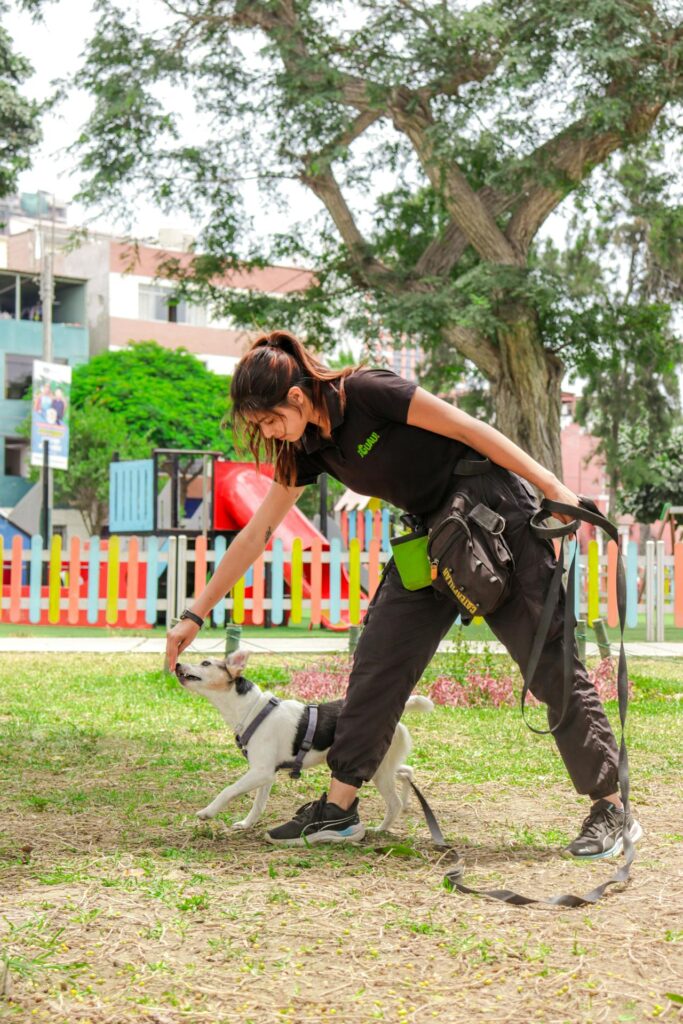
Choosing a cynologist is a significant step, as your dog’s behaviour and psychological well-being depend on their qualifications and methods. An ill-suited specialist might not only fail to help but could even cause harm, worsening existing problems or creating new ones. So, what should you look out for?
1. Education and Certification
Although the activities of cynologists in Ukraine are not yet as strictly licensed at a state level as in some other countries, having relevant education or certificates from courses and seminars is an important indicator. Look for specialists who:
- Have documents confirming their qualifications (diplomas, certificates from recognised cynological schools or organisations).
- Continuously learn, attend seminars and conferences, and study new research in ethology (the science of animal behaviour) and training methods.
- Can clearly explain where and what they studied.
Don’t hesitate to ask about their education and certifications. A competent professional will always be prepared to provide proof of their qualifications.
2. Work Experience
Theory is important, but practical experience is invaluable. Find out:
- How long has the cynologist been working in the field?
- Which dog breeds do they have experience with? (Some specialists focus on particular breed groups).
- What behavioural problems have they most frequently encountered and successfully resolved? (This is especially important if you have a specific issue, such as severe aggression or a phobia).
- Do they have experience working with dogs of different ages (puppies, adults, seniors)?
3. Working Methods
This is one of the most crucial criteria. Modern cynology increasingly favours humane methods based on positive reinforcement. Pay attention to:
- Preference for positive reinforcement methods: Rewarding desired behaviour with treats, praise, or play. These methods are not only effective but also strengthen the trusting relationship between owner and dog, fostering the animal’s willingness to cooperate.
- Avoid specialists who exclusively promote force-based methods: Intimidation, physical punishment, lead jerks, use of harsh collars (choke chains, prong collars), or electric shock collars (e-collars). Such methods might yield quick but short-lived results, whilst causing the dog stress, fear, aggression, and destroying its trust in humans. They don’t address the root cause of the problem, only suppress its manifestations.
- A balanced approach: Some cynologists use a combination of methods, including negative punishment (ignoring, time-outs) or negative reinforcement (removing an unpleasant stimulus when the correct behaviour is performed). It’s vital that these methods are applied correctly, humanely, and are not the primary tools.
- Willingness to explain their methodology: A qualified cynologist will always be able to clearly and understandably explain why they use certain methods, how they work, and the expected outcome. They won’t hide their techniques or use obscure terminology.
Remember: training should not cause your dog fear or pain. The goal is to teach and nurture, not to break their spirit.
4. Reviews and Recommendations
Look for reviews of the cynologist’s work online (on specialist forums, social media, or the professional’s own website, if they have one). Pay attention to:
- Real success stories: Did the sessions help resolve specific problems?
- Clients’ overall impressions: Were they satisfied with the process and the outcome?
- Recommendations from vets, groomers, or other dog owners: Word-of-mouth is often a reliable source of information.
However, approach reviews with a critical eye – both overly enthusiastic ones and sharply negative ones.
5. Initial Consultation and Personal Contact
Before starting sessions, always speak to the cynologist in person (or at least by phone/video call). Note their:
- Communication skills and ability to listen: Did the specialist listen attentively, ask clarifying questions about your dog and your problem? Do they answer your questions clearly and patiently?
- Observational skills: How does the cynologist interact with your dog during the first meeting? Do they try to establish contact? Do they observe its behaviour and reactions?
- Clarity of the plan: Can the specialist propose a preliminary work plan, explain the steps involved, and give an approximate number of sessions required?
- Your personal comfort: Do you feel comfortable talking to this person? Do they inspire your trust? Remember, you’ll be working closely together.
6. Cost of Services
The price of sessions can vary significantly depending on the specialist’s qualifications, experience, region, and session format (individual/group, at home/at a training ground). The highest price doesn’t always guarantee the best quality, just as a suspiciously low cost might indicate a lack of experience or the use of questionable methods. Compare prices from several specialists, but focus primarily on their qualifications and working methods.
7. “Red Flags”: What to Avoid
There are certain signs that should raise concerns when choosing a cynologist:
- A 100% success guarantee in a short timeframe: Training and behaviour modification are processes that require time and effort. No responsible specialist will make unrealistic promises.
- Using harsh methods as primary tools: Application of pain, fear, e-collars, or choke/prong collars without clear justification or alternatives.
- Unwillingness to explain their methods: “Just do as I say,” or “It’s my proprietary method, I can’t disclose it.”
- Blaming the owner for all the problems: Although the owner plays a key role, a good cynologist focuses on solutions, not on assigning blame.
- Lack of an individual approach: Using a one-size-fits-all scheme for all dogs without considering their specific characteristics and problems.
- Reluctance to work with the owner: Offering to take the dog away “for retraining” without your involvement (this might only be justified in exceptional, very complex cases and must be clearly explained).
- A bad reputation or negative reviews regarding harsh treatment.
Preparing for a Cynologist’s Visit and the Working Process
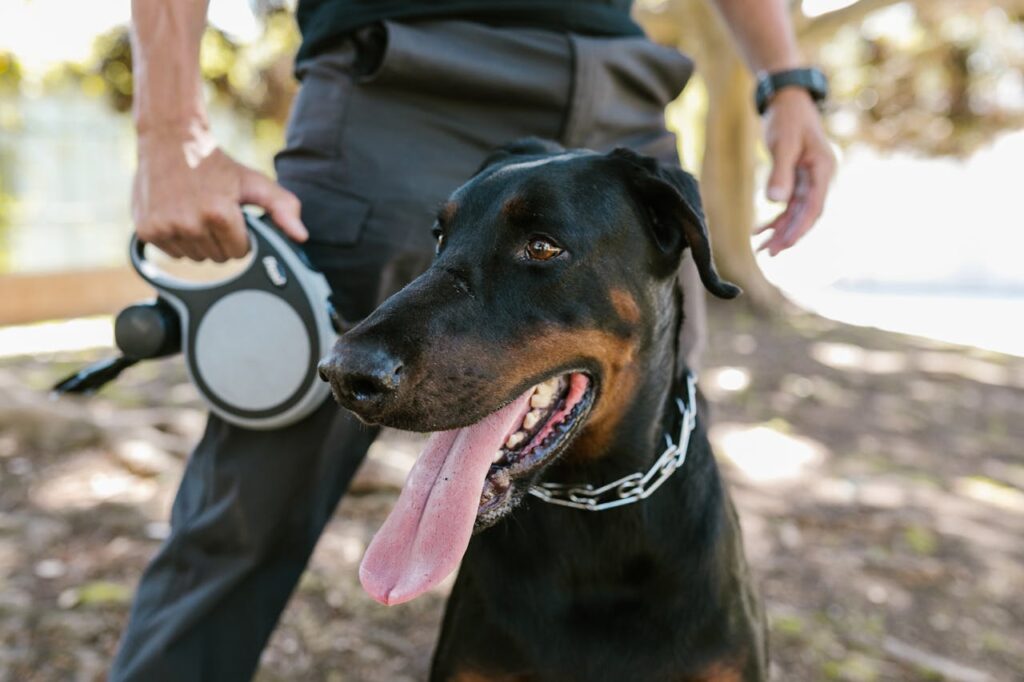
To ensure the first meeting and subsequent sessions are as effective as possible, it’s worth preparing:
- Define the problem: Clearly describe what concerns you about your dog’s behaviour, when it started, how often it occurs, and what provokes it.
- Prepare questions: Write down everything you’d like to ask the cynologist about their methods, experience, work plan, and costs.
- Be ready for changes: Working with a cynologist often requires adjustments to your usual daily routine, house rules, and ways of interacting with your dog.
- Provide an environment for observation: If the consultation takes place at your home, try to ensure your dog behaves as naturally as possible.
The working process itself usually includes:
- Theoretical part: The cynologist explains the reasons behind the dog’s behaviour, training principles, and discusses the chosen methodology.
- Practical sessions: Demonstration of exercises, practising commands under the specialist’s guidance, and correction of the owner’s actions.
- Homework: Regular independent reinforcement of skills between sessions is a key factor for success.
- Feedback: Discussing progress, difficulties, and adjusting the plan if necessary.
It’s important to remember that a cynologist is your partner and mentor. They provide knowledge and tools, but the main work falls to the owner. Be patient, consistent, and believe in your dog. Even seemingly minor issues, such as a dog that jumps on people in greeting, can be effectively corrected with the right approach and professional help.
Conclusion
Consulting a cynologist is a sensible and responsible step for any owner who wants to better understand their dog, resolve behavioural issues, and build a harmonious relationship based on trust and mutual understanding. Choosing a qualified specialist requires attention to their education, experience, and, most importantly, their working methods. Opt for humane approaches based on positive reinforcement, and don’t be afraid to ask questions.
Remember that success depends not only on the cynologist’s professionalism but also on your active participation, patience, and consistency in following their recommendations. Investing time and effort in your dog’s upbringing will undoubtedly pay off with their obedience, devotion, and a happy life together.