

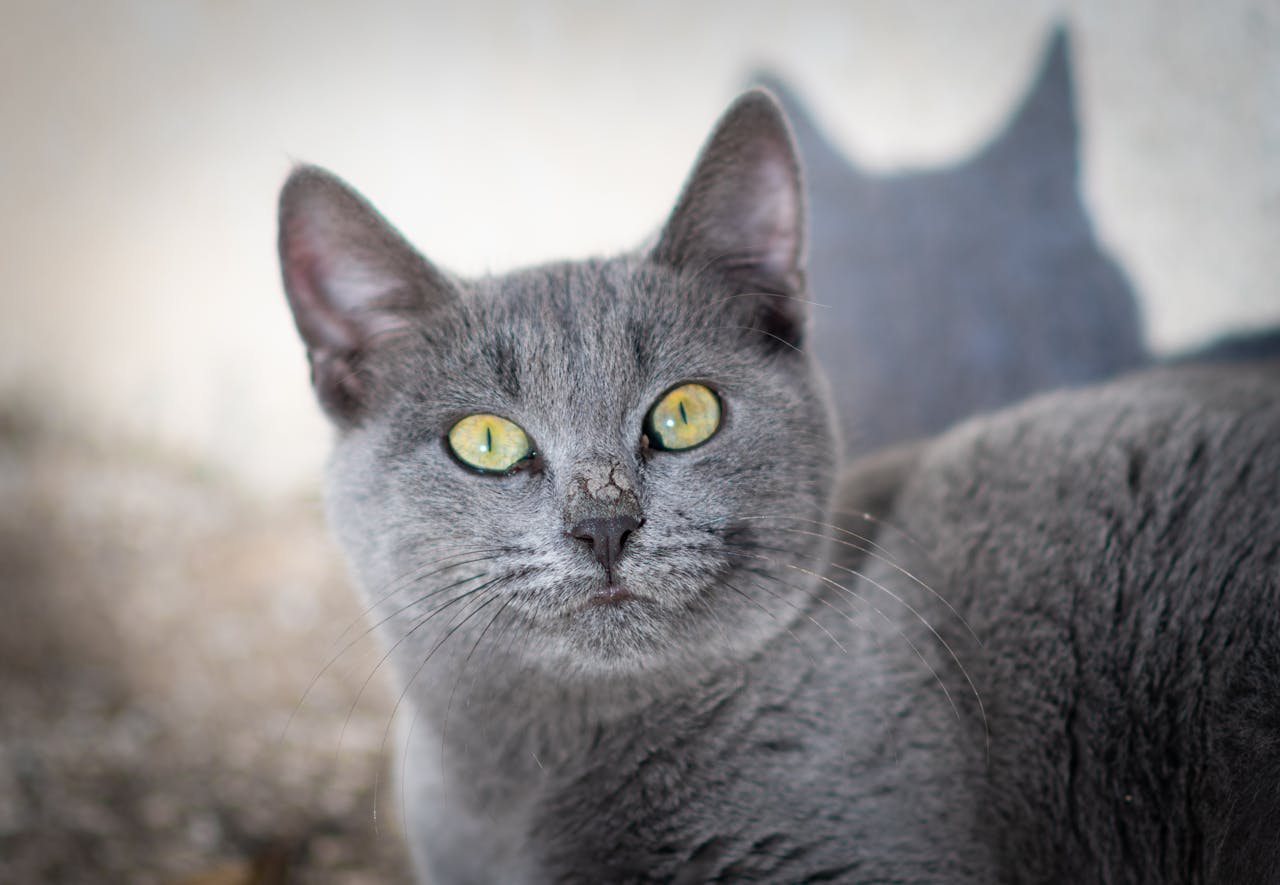
Deciding to bring a cat into your home is always an exciting step, filled with anticipation of warmth, purring, and fluffy companionship. Often, prospective owners dream of a little kitten, looking forward to watching its amusing antics and seeing it grow up. However, there’s a wonderful alternative – adopting an adult, already mature pedigree cat; you can read more about this on Tvaryny. This option has numerous advantages, but it also comes with certain challenges. Is it worth taking such a step? Let’s consider all aspects of this decision so you can make an informed choice.
Adult cats, especially pedigrees, often end up in rescue centres or seek new homes for various reasons: their previous owners moving house, a family member developing an allergy, financial difficulties, or, regrettably, simple irresponsibility. These animals deserve a second chance and can become incredibly loyal and loving companions.
Advantages of Adopting an Adult Pedigree Cat
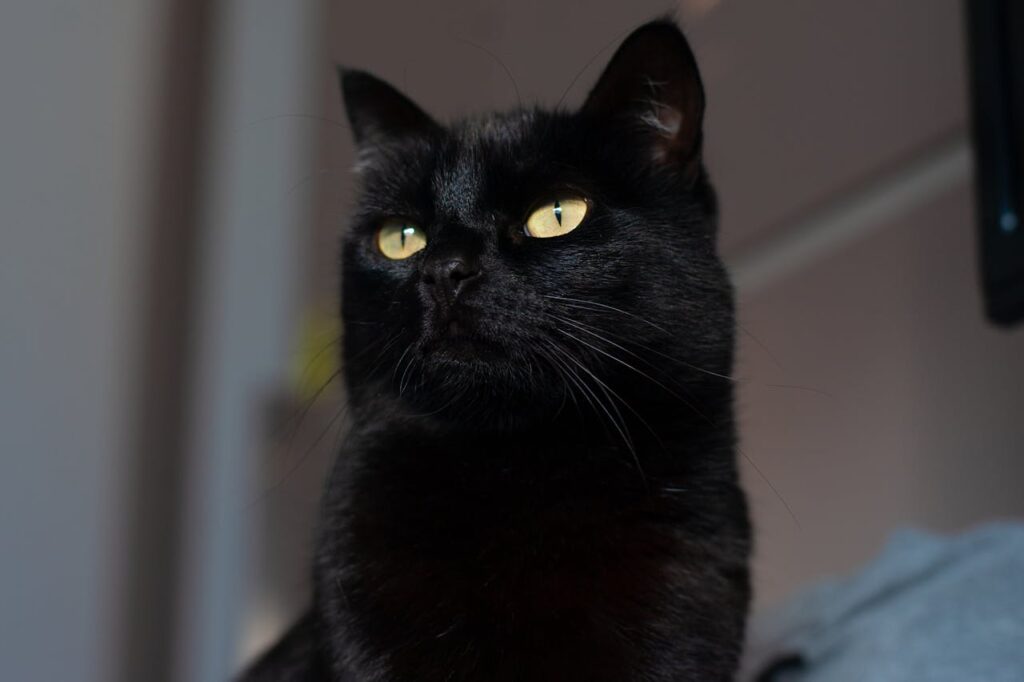
Giving an adult animal a home is a truly noble act that brings a great deal of joy. Let’s look at the key benefits of this choice:
- Known character and temperament: Unlike a kitten, whose character is still developing and can be a surprise, an adult cat already has established traits. Staff at the rescue centre or previous owners (if contact is possible) can provide details about its personality: whether it’s calm and gentle, or active and playful, prefers solitude or needs constant attention. This allows you to choose an animal that will fit perfectly into your lifestyle.
- House-trained and skilled: Most adult cats are already litter-trained and know basic house rules. You won’t have to spend a lot of time on training and cleaning up ‘little accidents’. They are often already familiar with a scratching post, which will save your furniture.
- Less chaos: Kittens are known for their boundless energy and constant games, which can lead to overturned vases, scratched wallpaper, and sleepless nights. Adult cats are generally much calmer. They also enjoy playing, but their activity is more moderate and predictable.
- Known health history (sometimes): In some cases, rescue centres or organisations have information about the cat’s medical history, vaccinations, neutering/spaying, and any existing chronic conditions. This helps in estimating future veterinary care costs.
- You’re saving a life: By taking an adult cat from a rescue centre, you are literally giving it a second chance at a happy life. Unfortunately, adult animals have fewer chances of finding a new family compared to kittens, and many spend years waiting or, in the worst-case scenario, are put to sleep.
- Predictable size and appearance: With an adult cat, you immediately see its final size, fur type, and overall look. There won’t be any surprises when a cute kitten grows into a large cat needing more space.
- Established breed characteristics: If you’re choosing a specific breed for its typical traits (e.g., the calmness of a British Shorthair or the sociability of a Maine Coon), these characteristics are already clearly evident in an adult animal.
Potential Challenges and How to Overcome Them
Despite the numerous advantages, adopting an adult cat, especially one with an unknown past, can present certain difficulties. It’s important to be prepared for them:
- Behavioural issues: The cat may have experienced stress, mistreatment, or simply unstable living conditions. This can manifest as fear, anxiety, aggression (towards people or other animals), spraying, or refusing to use the litter tray. Solution: Patience, love, and creating a safe environment are key. Consultation with a vet or an animal behaviourist might be necessary. It’s crucial to give the cat time to adapt without pressure.
- Health problems: Adult and older cats are more prone to certain diseases (kidney failure, dental problems, arthritis, diabetes). Some breeds have a genetic predisposition to specific illnesses. Solution: A mandatory veterinary check-up immediately after adopting the cat is essential. Be prepared for potential treatment costs and regular check-ups. Proper nutrition and care will help maintain its health.
- Longer adjustment period: Unlike kittens, which quickly get used to new surroundings, an adult cat might need more time to feel secure and trust new people. This can take from a few weeks to several months. Solution: Don’t rush things. Allow the cat to explore the house at its own pace. Provide a quiet, cosy place where it can hide. Spend time nearby, speak in a calm voice, offer treats, but don’t force contact.
- Difficulties in forming a close bond: Some adult cats, especially those with negative experiences with people, might be more reserved and independent. Solution: Again, patience is key. Respect its personal space. Celebrate small steps: when the cat allows petting, sleeps nearby, or purrs. A bond will surely form; it just might take more time.
- Unknown past: Often, the history of a cat that ends up in a rescue centre remains a mystery. You might not know what triggered its fears or behavioural quirks. Solution: Focus on the present and the future. Create positive experiences for the cat by surrounding it with care and security.
Comparison Table: Adult Cat vs. Kitten
| Criterion | Adult Cat | Kitten |
|---|---|---|
| Character | Mostly known, stable | Unpredictable, developing |
| House-training | Often litter-trained and knows rules | Needs training and patience |
| Activity Level | Moderate, calmer | Very high, can be chaotic |
| Adjustment Period | Can be longer (weeks/months) | Usually quicker (days/weeks) |
| Health | Potential age-related or chronic illnesses | Generally healthier, but risk of infections |
| Need for Attention | Depends on character, often moderate | High, needs lots of play and supervision |
| “Cuteness Factor” | Its own special charm | Classic “baby” cuteness |
| Impact on the Home | Lower risk of destructiveness | High risk of scratches, knocked-over items |
Choosing a Breed and Preparing Your Home

If you’ve decided to adopt an adult pedigree cat, it’s important to consider the specific characteristics of the breed. Some breeds, like Siamese or Orientals, are very active and ‘chatty’, while Persians or British Shorthairs are more placid. Think about what temperament best suits your lifestyle and expectations. For a detailed comparison of popular cat breeds, take a look at another of our articles.
Also, consider their grooming needs. For instance, understanding the grooming requirements for long-haired versus short-haired cats is crucial, as long-haired breeds require significantly more time and effort than short-haired ones, or Sphynxes, which need specific skin care. Be prepared for regular brushing, bathing (if necessary), and potential trips to a professional groomer.
Preparing Your Home for Your New Arrival
To help your adult cat settle in as smoothly as possible, it’s important to prepare your home properly:
- A safe space: Designate a quiet room or corner where the cat can get settled during the first few days or weeks. Place its litter tray, food and water bowls, bed, and a few toys there.
- Essential supplies: Ensure you have everything necessary: good-quality food (ideally the same brand the cat was eating before to avoid digestive upsets), a clean litter tray with suitable litter, bowls, a scratching post (very important!), grooming tools (comb, shampoo if needed), and a cat carrier for vet visits.
- Gradual introductions: If you already have other pets, introductions must be very gradual and controlled. First, let the animals get used to each other’s scent (e.g., by swapping bedding), then arrange short, supervised meetings in a neutral area. Don’t leave them unsupervised until you’re sure they can coexist peacefully.
- Patience and calm: Your behaviour is paramount. Be patient, don’t shout at the cat, even if it does something wrong. Speak to it gently and move smoothly. Let it know it’s in a safe place.
- Remove hazards: Make sure that small objects, poisonous plants, household chemicals, and electrical wires are out of the cat’s reach.
Where to Find an Adult Pedigree Cat?
There are several places where you can find an adult pedigree cat looking for a home:
- Animal rescue centres: Many pedigree cats, unfortunately, end up in general city or private rescue centres. Regularly check the websites and social media pages of local centres.
- Breed-specific rescues: There are voluntary organisations that specialise in rescuing and rehoming cats of particular breeds. They are very knowledgeable about the breed’s specific needs and can help match you with a suitable cat. Search online for “[breed name] rescue UK” or similar terms.
- Breeders: Sometimes, responsible breeders look for new homes for adult cats that have retired from their ‘breeding career’. Such cats are usually well-socialised, healthy, and have a known history. However, be prepared for thorough checks from the breeder, as they want to ensure their animal is going to a good home.
- Online platforms and social media: There are groups and adverts where people are looking for new owners for their adult cats for various reasons. Be cautious and thoroughly vet any information to avoid scammers or irresponsible sellers.
Conclusion: Are You Ready for an Adult Cat?
Adopting an adult pedigree cat is a responsible decision that requires careful consideration. It is an incredibly noble act that gives an animal a second chance at a happy life in a loving family. You’ll gain a companion with a formed character, often already house-trained and calmer than a kitten. At the same time, you need to be prepared for potential difficulties related to adjustment, as well as health or behavioural issues stemming from the cat’s past experiences.
If you are prepared to show patience, love, and understanding, and if you are aware of the potential financial and time commitments for care and veterinary services, then an adult cat can become your most devoted and grateful friend. Remember, every animal deserves a home, regardless of its age. And the bond you build with a rescued adult cat will be truly special.