

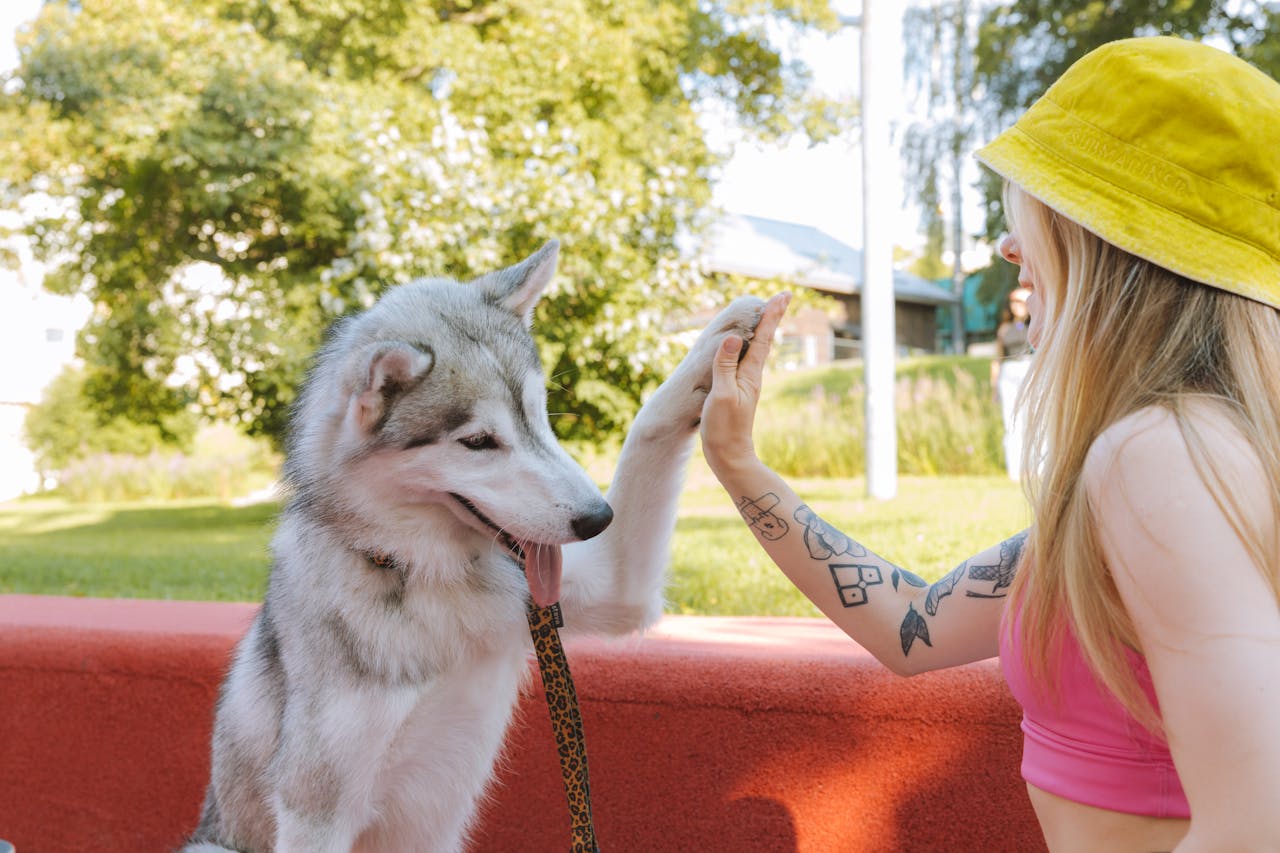
Dog training is far more than just teaching commands; it’s a journey of building a strong bond, mutual understanding, and trust between you and your four-legged friend. Positive reinforcement training, grounded in the scientific principles of animal behaviour, stands out as the most humane and effective way to nurture a happy, confident, and obedient companion. This method centres on rewarding good behaviour rather than punishing mistakes, ensuring the training experience is pleasant for both dog and owner alike. If your goal is to raise a well-socialised and well-mannered dog, the essentials of positive training are your most reliable tools – find out more on Tvaryny.
Techniques rooted in positive reinforcement don’t just help your dog master basic commands like ‘Sit’, ‘Down’, and ‘Come’; they also cultivate good manners for everyday situations. This includes greeting guests calmly, walking on a loose lead without pulling, and reacting appropriately to other animals and people. While using these methods requires patience, consistency, and insight into your dog’s way of thinking, the outcomes – a deeper connection and a peaceful life together – are truly worth the dedication.
What is Positive Reinforcement Training and Why Does It Work?
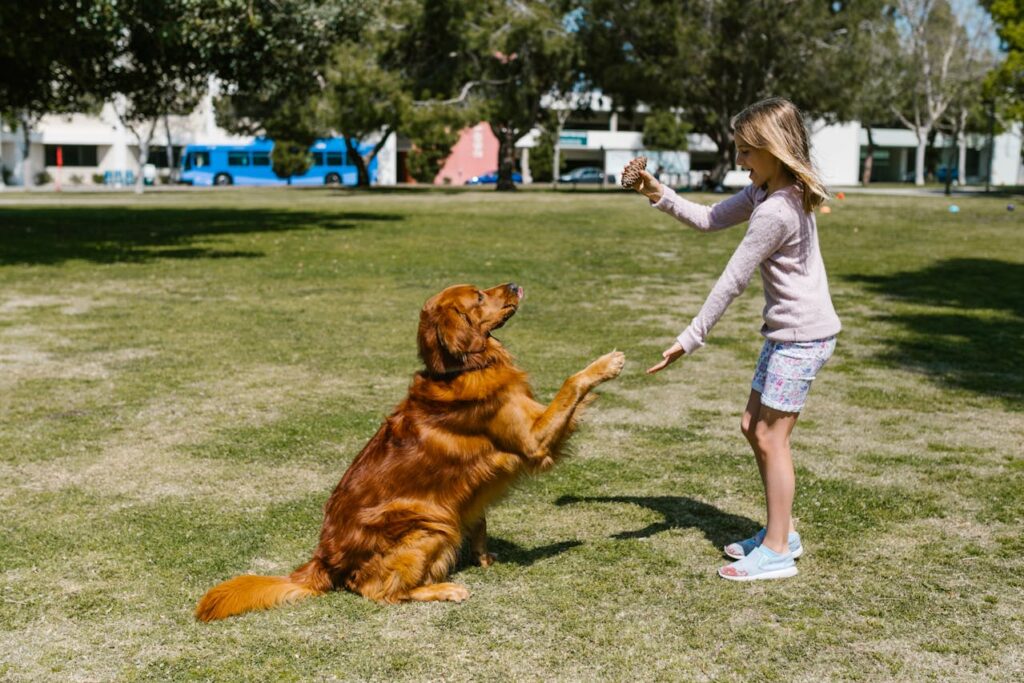
Positive reinforcement training is a method based on the principle of positive reinforcement. In simple terms, this means you reward your dog for correct behaviour, thereby increasing the likelihood of them repeating it. Instead of punishing unwanted actions (which can lead to fear, anxiety, and aggression), you focus on showing your dog what behaviour is desirable and beneficial for them.
This approach is backed by scientific research in animal behaviour, particularly the theory of operant conditioning. Dogs, much like many other animals, tend to repeat actions that result in pleasant consequences (like receiving treats, praise, or a toy) and avoid those that offer no reward or lead to unpleasantness.
Key Advantages of Positive Reinforcement Training:
- Strengthens the Bond: Training becomes a shared, positive activity that deepens trust and understanding between you and your dog.
- Effectiveness: Dogs learn faster and retain commands better when the process is associated with positive emotions.
- Humane Approach: It avoids methods that cause pain, fear, or stress to the animal.
- Builds Confidence: Your dog becomes more self-assured as they understand how to earn rewards and aren’t afraid of making mistakes.
- Prevents Problem Behaviours: By teaching desired actions, you simultaneously reduce the likelihood of unwanted ones (e.g., teaching a ‘settle’ command prevents jumping up at guests).
Why Should Punishment Be Avoided?
Punishment-based methods (like lead jerks, shouting, physical force, or using choke chains or electric collars) might seem to offer quick fixes, but they come with serious negative consequences:
- Fear and Anxiety: The dog may become fearful of you or situations associated with punishment.
- Aggression: Fear can escalate into aggressive reactions as a defence mechanism.
- Damaged Trust: The dog stops trusting their owner, making further training and interaction difficult.
- Suppressed Behaviour, Not Learning: The dog might simply stop doing anything (including desired actions) for fear of getting it wrong.
- Doesn’t Teach What to Do: Punishment tells a dog what not to do, but it doesn’t teach them what they should do instead.
Positive reinforcement training offers a far healthier and more effective alternative, building relationships on trust and mutual respect.
Preparing for Positive Reinforcement Training: Tools and Environment
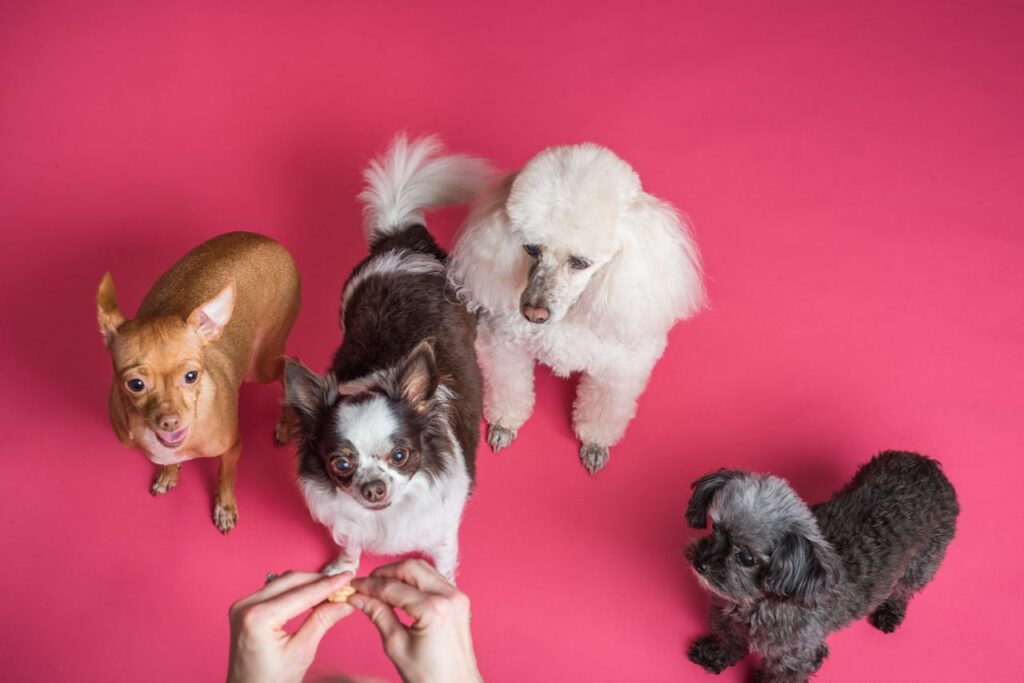
Before you begin training, it’s important to be prepared. The right tools and a conducive environment will significantly boost your chances of success.
Essential Tools:
- High-Value Treats: Small, soft, aromatic morsels your dog adores (e.g., boiled chicken breast, small pieces of cheese, special training treats). These should be more enticing than their regular food.
- Standard Treats: Less exciting but still appealing treats for reinforcing already learned behaviours or for less challenging tasks.
- Treat Pouch: Allows you to keep rewards handy for quick reinforcement.
- Clicker (Optional): A small device that makes a distinct clicking sound. It’s used to instantly mark the correct behaviour before giving a treat. We’ll discuss clicker training in more detail later.
- Toys: For some dogs, a game is a more powerful motivator than food. A favourite toy can serve as an excellent reward.
- Standard Collar or Harness and Lead: Do not use choke chains, prong collars, or electric collars. Comfortable equipment is vital for the dog’s well-being and for practising commands at a distance or during walks.
Creating a Supportive Environment:
- Quiet Location: Start training at home or in another familiar place with minimal distractions (other people, animals, loud noises).
- Short Sessions: Each training session shouldn’t exceed 5-10 minutes, especially for puppies or dogs new to training. It’s better to have several short sessions throughout the day than one long one.
- Positive Attitude: Only start training when you are calm and in a good mood. Your dog will pick up on your emotions.
- End on a High Note: Always finish a training session successfully – after your dog has performed a command correctly, even if it’s a simple one they already know well.
- Patience and Consistency: Every dog learns at their own pace. Be patient, consistent in your cues and expectations, and never scold your dog for mistakes.
Teaching Basic Commands with Positive Reinforcement
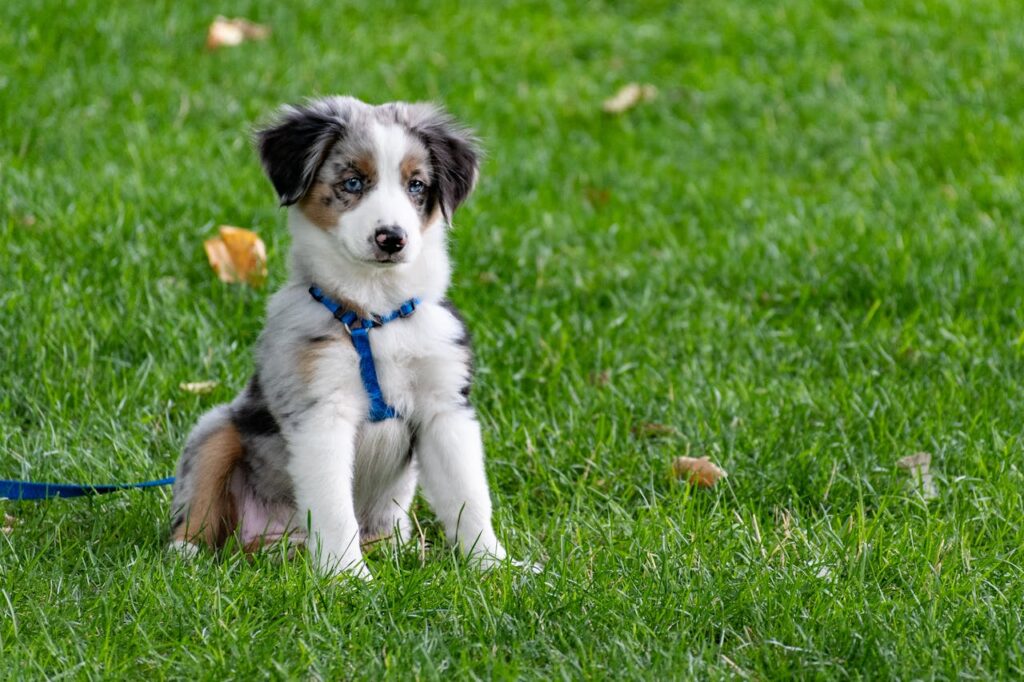
Armed with knowledge, tools, and patience, you’re ready to put it into practice. Let’s look at the main commands and how to teach them.
The ‘Sit’ Command
This is one of the simplest and most useful commands.
- Hold a treat in your hand and bring it to your dog’s nose.
- Slowly raise your hand over your dog’s head, moving it slightly backwards. Your dog’s natural response to follow the treat will be to lower their rear into a sit.
- As soon as your dog sits, immediately say “Sit” (clearly and once), click your clicker (if using), and give the treat and praise (“Good dog!”, “Well done!”).
- Repeat several times during a short session.
- Over time, start giving the “Sit” command before you begin the hand motion. Gradually reduce the hand lure (gesture).
The ‘Down’ Command
This command helps to calm a dog.
- Ask your dog to sit (or wait until they sit on their own).
- Take a treat and hold it near your dog’s nose.
- Slowly lower your hand with the treat downwards, between your dog’s front paws and slightly forward along the floor. Following your hand, your dog will most likely lie down.
- As soon as your dog lies down, immediately say “Down”, click, and give the treat and praise.
- If your dog stands up, don’t scold them; simply start again from the sitting position.
- Gradually introduce the verbal command before the gesture and reduce the hand lure.
The ‘Come’ Command
This is a vital command for your dog’s safety.
- Start in a quiet place at a short distance (even within the same room).
- Get your dog’s attention (say their name). When they look at you, cheerfully and invitingly say “Come!” and start moving backwards slightly, crouching down or clapping your hands.
- When your dog runs to you, praise them enthusiastically, give several treats (or a favourite toy), and show lots of joy. Coming to you should be the best thing ever!
- Never punish your dog when they come to you on the ‘Come’ command, even if they were doing something naughty beforehand. The ‘Come’ command must always be associated with positivity.
- Gradually increase the distance and add minor distractions (e.g., training in the garden). Always use a long lead in the early stages of training in open areas for safety.
The ‘Stay’ Command
This command teaches your dog self-control.
- Ask your dog to sit or lie down.
- Clearly say “Stay” or “Wait” and show an open palm in front of their face (this will be a visual cue).
- Wait for just 1-2 seconds. If your dog stays in place, return to them (don’t call them to you!), praise, click (if using), and give a treat. Then give a “release” command (e.g., “Okay!”, “Free!”).
- If your dog breaks the stay, calmly return them to the original position and try again, shortening the duration. Do not punish!
- Gradually increase the duration of the stay (seconds at first, then minutes).
- Once your dog can stay for a period, begin to gradually increase the distance (take one step away, then two, etc.). Always return to your dog to reward them.
- Later, add distractions (e.g., someone walking past).
The ‘Leave It’ Command
Teaches your dog to ignore unwanted items (food on the floor, rubbish).
- Method 1 (with a treat in your hand): Place a less valuable treat in your closed fist. Let your dog sniff your fist. They will likely try to get the treat (lick, nudge with their nose). Ignore this behaviour.
- The moment your dog turns away from your hand, even briefly (stops trying to get the treat), immediately praise, click, and give a more valuable treat from your other hand.
- Repeat until your dog understands that ignoring your fist leads to a better reward. Start adding the command “Leave it” or “No” just as your dog turns away.
- Method 2 (with a treat on the floor): Place a treat on the floor and cover it with your hand. Say “Leave it”. Don’t let your dog eat it. When they stop trying and look away, praise them and give a better treat from your other hand. Gradually remove your hand (lift it slightly at first, then hold it nearby), but be ready to cover the treat if your dog tries to grab it. Over time, your dog will learn to ignore the item on the floor on command.
- Move on to items your dog shouldn’t pick up outdoors, always rewarding them for ignoring.
Developing Good Manners in Everyday Life
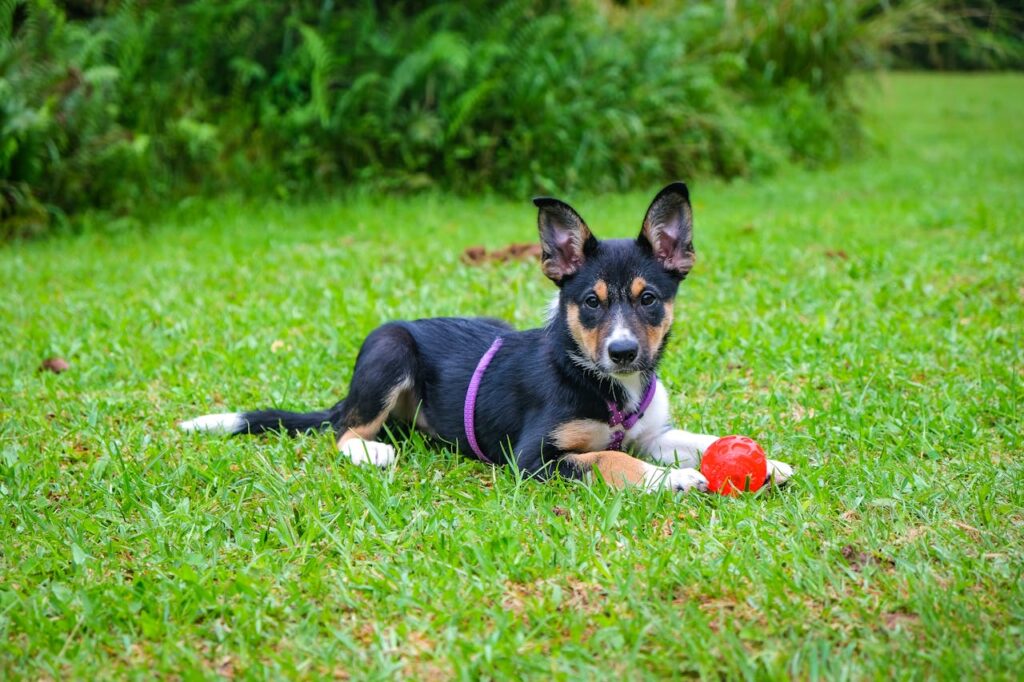
Beyond basic commands, positive reinforcement training helps to instil desirable behaviour in your dog for various real-life situations.
Toilet Training
The key is frequent trips outside and rewards.
- Take your puppy or new dog outside very frequently: after waking up, after meals, after playtime, before bedtime, and at least every 1-2 hours (for puppies).
- When your dog toilets outside, calmly but joyfully praise them (“Good dog!”, “Good toilet!”) and give a treat immediately after they finish.
- If you catch your dog having an accident indoors, don’t shout or rub their nose in it. Simply interrupt the process calmly (e.g., clap your hands to distract them) and immediately take them outside. If they finish their business there – praise them.
- Thoroughly clean up any accidents indoors with special enzyme cleaners that neutralise odours, so your dog isn’t drawn back to the same spot.
- Consistency and patience are your main allies in toilet training.
Loose-Lead Walking
Teaching a dog not to pull on the lead is achievable!
- The “Be a Tree” Method: As soon as your dog pulls on the lead, stop immediately and stand still like a tree. Don’t move forward until the lead slackens (your dog takes a step back or simply eases the tension). Once the lead is loose, continue walking and praise your dog.
- The “Change Direction” Method: When your dog starts to pull, turn around and start walking in the opposite direction.
- Reward the Right Position: When your dog is walking beside you on a loose lead, periodically praise them and give treats. Make it more rewarding to walk nicely by your side than to pull.
- Consider using a front-clip harness (attaches at the chest); it can help reduce pulling by turning your dog towards you when they pull.
Greeting People Calmly (Without Jumping)
- Teach an Alternative Behaviour: Teach your dog to sit when people approach you or when you enter the house. Reward them for sitting.
- Ignore Jumping: Ask guests (and do this yourself) to ignore your dog when they jump up (turn away, avoid eye contact, don’t speak to them). Only give attention (praise, petting) when all four of your dog’s paws are on the floor.
- Keep Your Dog on a Lead: When guests visit, keep your dog on a lead so you can manage the situation and prevent jumping, rewarding calm behaviour.
Appropriate Chewing
- Provide Plenty of Toys: Give your dog a variety of safe chew toys.
- Redirect: If you see your dog chewing something forbidden (furniture, shoes), calmly take the item away and offer one of their toys instead. When they start chewing the toy, praise them.
- Make Forbidden Items Unappealing: You can use special bitter-tasting sprays on items your dog likes to chew.
- Remove Temptations: Keep valuable items out of your dog’s reach, especially when they are left alone.
The Importance of Socialisation
Socialisation is the process of accustoming your dog to various people, animals, places, sounds, and situations in a positive way. The most crucial period for socialisation is up to 3-4 months of age, but it should continue throughout their life.
- Introduce your puppy (after necessary vaccinations) to a variety of calm, healthy dogs and friendly people of different ages and appearances.
- Visit different places: parks, city streets (not too busy at first), pet-friendly shops.
- Accustom them to various sounds: the hoover, the doorbell, traffic noises.
- Important: All experiences must be positive! Don’t force your dog to interact if they are scared. Watch their body language. Use treats and praise to create pleasant associations.
Clicker Training: A Powerful Tool in Positive Reinforcement
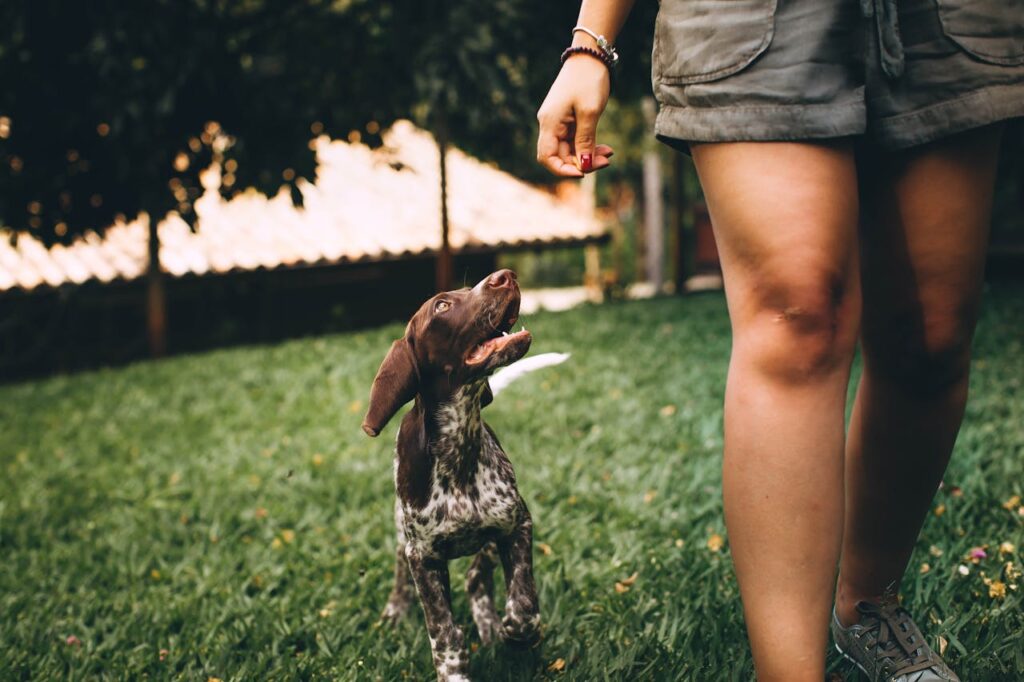
A clicker is a simple device that makes a distinct ‘click’ sound. In training, it’s used as an event marker or a secondary reinforcer. The click precisely marks the exact moment your dog performs the desired action, immediately followed by a primary reinforcer – a reward (treat).
How Does a Clicker Work?
- “Charging” the Clicker: First, you need to help your dog associate the clicker sound with a reward. Simply click and immediately give a treat. Repeat 10-15 times. Your dog will quickly learn that a click means something good is coming.
- Marking Behaviour: When training a command, click at the exact moment your dog performs the action (e.g., when their bottom touches the floor for ‘Sit’).
- Reward: Give a treat immediately after the click. The click “promises” a reward, so it must follow without delay.
Advantages of Clicker Training:
- Precision: A click can mark desired behaviour much more accurately and quickly than verbal praise or giving a treat alone.
- Clarity: The clicker sound is always consistent and carries no emotional tone, unlike an owner’s voice.
- Speeds Up Learning: Your dog understands more quickly exactly which action earned them the praise.
- Shaping Complex Behaviours: The clicker is ideal for “shaping,” where you gradually reinforce steps that lead your dog towards a final goal (e.g., teaching tricks).
A clicker isn’t essential; you can use a short marker word instead (like “Yes!” or “Good!”). However, many trainers find it a very effective addition to positive reinforcement training.
Addressing Common Problems and Maintaining Consistency
Difficulties can arise during training. It’s important not to give up and to look for the causes.
What If…?
- Your dog isn’t motivated by treats: Try different types of treats (higher value ones), toys, praise, or a chance to run about as a reward. Make sure your dog isn’t full before a training session.
- Your dog is easily distracted: Return to training in a quiet place. Gradually introduce distractions, starting with the least significant. Use high-value treats in challenging environments. Keep sessions short.
- Progress has stalled: Perhaps you’re making tasks too difficult too quickly. Break the command down into smaller steps. Ensure your cues (verbal commands, gestures) are clear and consistent. Be patient.
- Your dog only performs the command with a gesture/lure: Gradually fade the gesture after your dog reliably performs the command with it. Give the verbal command slightly before the gesture. Reward performance on the verbal command alone.
The Importance of Consistency and Patience
Consistency is key to success. All family members should use the same commands and rules. If one person allows the dog on the sofa and another forbids it, the dog will be confused.
Patience is your best friend. Don’t compare your dog to others. Every animal is an individual. Celebrate small victories and remember that training is a marathon, not a sprint. Regular, even short (5 minutes a day) sessions are far more effective than infrequent, long ones.
Conclusion: Building a Bridge of Trust and Understanding
Positive reinforcement training isn’t just a set of techniques for teaching commands. It’s a philosophy of interacting with your dog based on respect, understanding, and encouragement. By using positive reinforcement methods, you not only teach your dog basic commands and good manners but also build a deep, trusting bond that will last a lifetime.
Remember that every dog is capable of learning, regardless of age or breed. The main thing is to find the right key to their motivation, be consistent, be patient, and always treat your four-legged friend with love and understanding. The learning process can be an exciting journey for both you and your dog, filled with joyful moments and shared successes. By investing time and effort in positive reinforcement training, you gain not just an obedient dog, but a happy, confident, and loyal companion.