

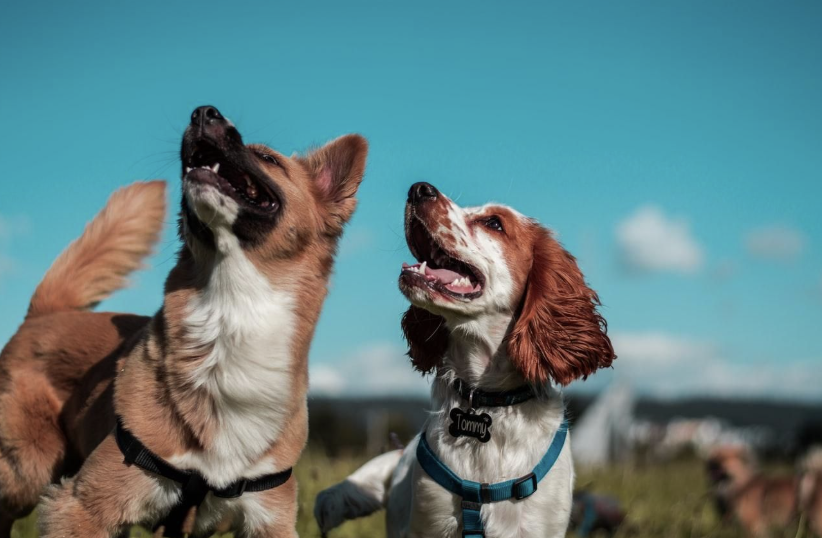
You walk through the front door after a grueling shift, dreaming of nothing but a soft sofa and a hot cup of tea. Instead, you’re met by an energetic whirlwind demanding an immediate three-mile run. Or perhaps it’s the other way around: you’ve planned an active weekend in the mountains and bought professional gear, but your four-legged friend burrows deeper into the covers at the mere sight of your sneakers. This temperament gap is one of the leading causes of owner burnout, something I’ve seen frequently during my fifteen-year tenure at tvaryny.com. Choosing a dog that resonates with your internal rhythm isn’t just about aesthetics; it’s the foundational building block of your shared happiness for the next decade.

The Energy Audit: An Honest Conversation With Yourself
Before diving into breed catalogs, I always advise my clients to conduct a week-long audit of their own activity levels. We often overestimate our readiness for change – buying a gym membership we never use or planning morning jogs that end with the snooze button. A dog isn’t a magical stimulus that will flip your personallity; they simply amplify your existing habits. If you’re a true introvert who values peace and quiet, a high-octane terrier might become a source of chronic stress rather than joy.
For those looking for a gentle, adaptable companion that thrives in a cozy home environment, the charming Cavapoo is often a perfect match. These dogs are experts at sensing your mood and are just as happy lounging on the rug while you read as they are going for a gentle stroll through the neighborhood. Their moderate energy levels make them ideal for city dwellers who prefer a relaxed pace of life. They provide affection without the constant demand for high-intensity exercise.
- Evaluate your free time: How many hours a day can you realistically dedicate to the physical exercise of your pet?
- Analyze your living space: A small studio apartment vs. a house with a yard will significantly dictate your breed options.
- Budget for care: Active dogs are more prone to injuries, while giant breeds require more expensive food and specific gear.
- Noise tolerance: Some breeds are prone to barking, which can be a dealbreaker in multi-family housing units.
Marathoners and Athletes: The Choice for High-Energy Souls
If your life is a constant blur of motion – hiking, cycling, or daily outdoor workouts – you need a partner who doesn’t just keep up but pushes you forward. Canine athletes have sharp minds that crave intellectual stimulation and physical challenges. Without a proper outlet for their boundless energy, these dogs might start “remodeling” your furniture. This isn’t agression; it’s sheer boredom destroying the animal’s mental well-being because they have a “job” they aren’t being allowed to do.
For the true outdoors enthusiast who spends weekends exploring rugged trails, the elegant French Spaniel is a superb choice for an active lifestyle. This breed combines incredible stamina with a level-headed nature, making them ideal partners for long treks. They are versatile hunters by nature, which means they need plenty of space to roam and sniff. If you can provide the exercise they crave, you’ll be rewarded with a loyal, calm companion at home when the day’s work is done.
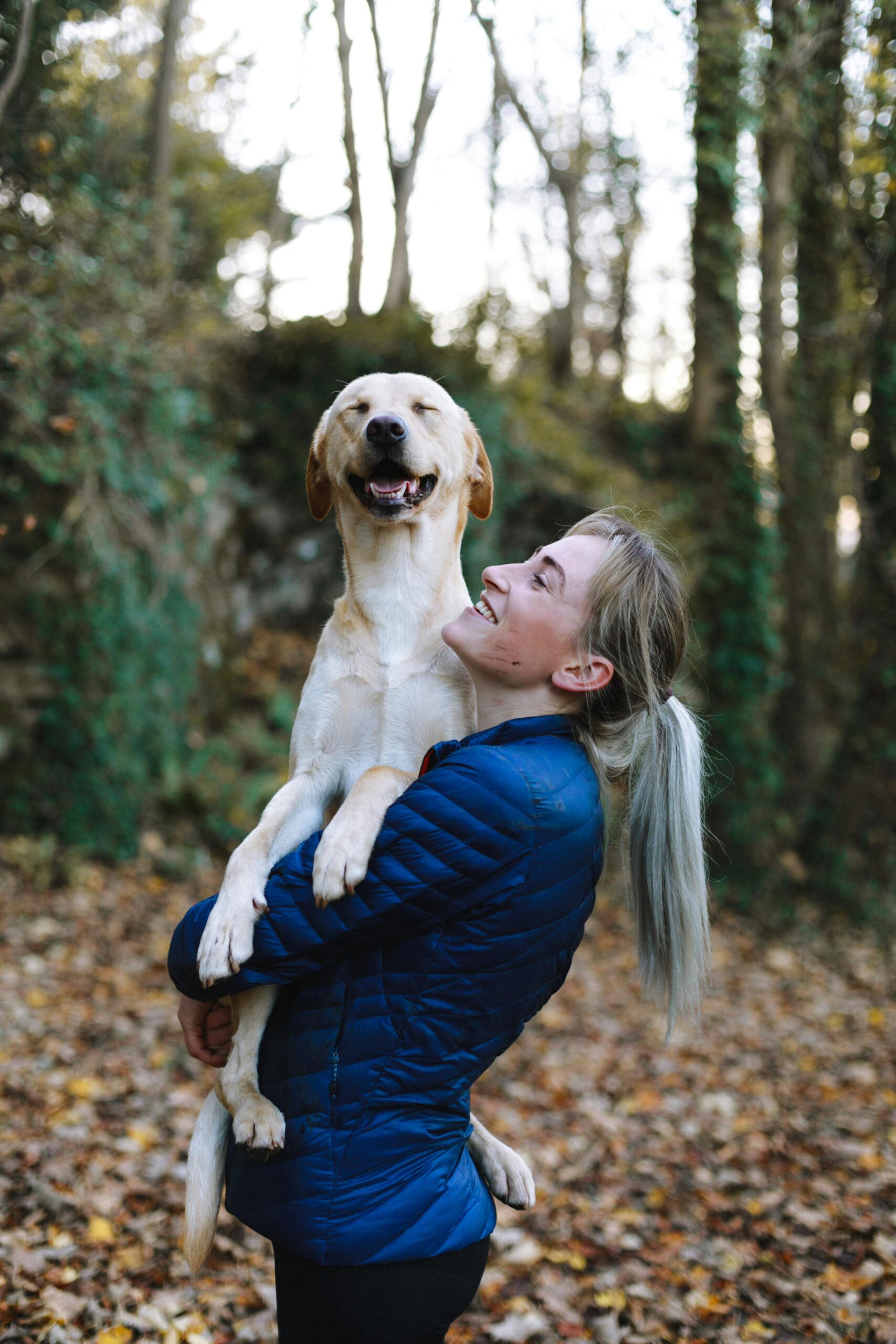
It’s vital to understand that large working breeds come with a heavy social responsibility. They require a clear daily structure and consistent rules. If you’re ready to invest time in professional training and long, purposeful walks, you’ll gain the most devoted creature on Earth. However, if your schedule is unpredictable or business trips are frequent, it’s wiser to choose a more adaptable, medium-sized breed that handles routine changes with more ease.
The biggest mistake a novice makes is choosing a dog based solely on appearance, ignoring their genetic purpose. Every breed was created for a specific task, and those instincts don’t just disappear when you live in a modern apartment.
– Your Veterinary Support Team
Compatibility Quick Test: 5 Questions for Your Future
To help you find your way, I’ve developed a short profiling guide. Be as honest with yourself as possible, because the quality of your future dog’s life depends on it. Pick the option that best describes your typical Saturday. Do you see yourself out in the rain for an hour on a trail, or would you much rather be under a cozy throw? Your personality must align with the biological needs of the animal.
| Lifestyle Type | Key Characteristics | Recommended Breeds | Activity Level |
|---|---|---|---|
| The Homebody (Introvert) | Loves quiet, reading, remote work | Pug, Basset Hound, Cavapoo | Low / Moderate |
| The City Dweller | Short walks, café visits, socializing | French Bulldog, Poodle, Cavalier King Charles | Medium |
| The Athlete (Marathoner) | Daily running, hiking, active play | Border Collie, Vizsla, French Spaniel | Very High |
| The Guardian | Needs security, large territory | German Shepherd, Boerboel, Cane Corso | High / Specific |
Pay close attention to the “Activity Level” column. This isn’t just about how much the dog runs, but how quickly they recover. Canine marathoners can rest for 15 minutes and be ready for another round of high-intensity play. In contrast, breeds suited for introverts will likely sleep the rest of the day after a decent walk without bothering you. This distinction is critical for people who work from home and require absolute focus during the day.
Practical Tips for Adaptation: First Steps Together
Once you’ve decided on the temperament of your future friend, it’s time to prepare. Regardless of whether you chose a calm lap dog or a powerful athlete, the first few weeks will be a challenge for your nervous system. The dog must learn your schedule, and you must learn to read their silent signals. Remember, even the quietest breed can be a little whirlwind during their puppy months.

For a successful start, I recommend the following steps:
- Create a “safe spot”: Your dog needs a designated corner where they aren’t disturbed. This is vital for calm breeds.
- Establish a routine: Feeding and walking at the same time every day helps reduce a puppy’s anxiety levels.
- Find a trainer: Even if you think you know everything, a professional’s eye can catch communication errors before they become habits.
- Provide mental stimulation: Puzzle toys can save your favorite shoes from the teeth of a bored athlete.
Don’t hesitate to consult veterinarians or experienced breeders. Every dog is an individual with their own fears and preferences. Your job as an owner is to become their reliable guide in a big, often noisy world. You’ll find that day by day, your bond grows stronger, and walks become a joy rather than a chore, filling your life with new meaning.
Choosing a dog is essentially a journey of self-discovery. Who are you at your core? A person seeking peace, or a restless spirit wanting to conquer new heights? The answer is already within you, and the right breed will help that truth shine. Don’t rush, listen to your intuition, and remember: there are no perfect dogs, only perfect pairs. You will find yours, and the journey will be worth every single minute of the effort.