

| Height | 56–66 cm |
| Weight | 20–34 kg |
| Lifespan | 12–14 years |
| FCI group | 1 · sheepdogs |
| Origin | Belgium |
Exact ratings
- Hip and elbow dysplasia
- Epilepsy (seizures at 2–3 years)
- Progressive retinal atrophy (PRA)
- Gastric torsion (bloat)
- Hypothyroidism
Quality food for an active breed and weight control; feed in small portions (bloat risk). Plenty of exercise and tasks; regular brushing of the coat.
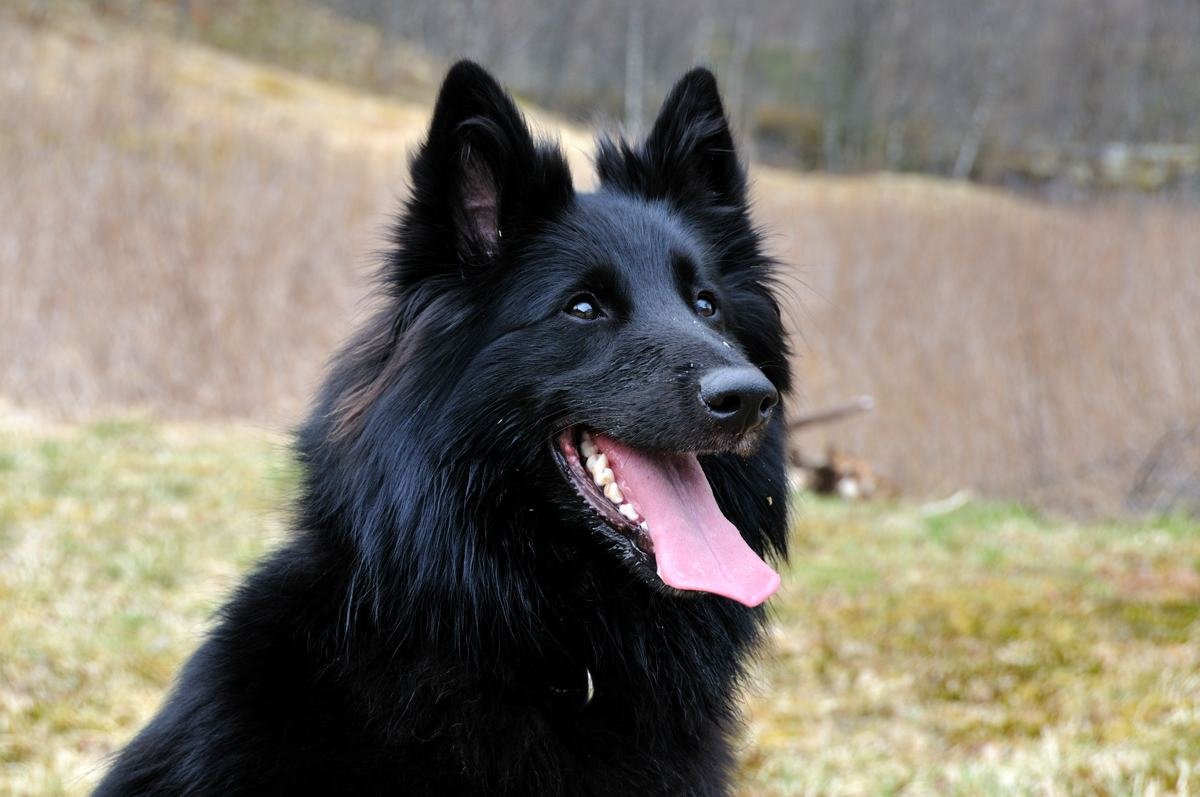
The Groenendael, one of the four varieties of Belgian Shepherd, is the epitome of grace, intelligence, and boundless devotion. This incredibly handsome dog, with its gleaming long black coat, captures hearts with its aristocratic appearance and outstanding working abilities. Groenendaels are known for their sharp minds, low-maintenance lifestyle, and excellent guarding instincts. Named after the Belgian town of Groenendael, home to the distinguished breeder Nicholas Ros who dedicated himself to establishing the breed, they are a true pride of Belgium. These dogs are highly trainable, demonstrating fearlessness and reliability, and are always ready to protect their owners and family. Find out more about them at Tvaryny.
Belgian Shepherds, including the Groenendael, have a rich history as versatile working dogs. For centuries, their ancestors assisted shepherds, guarded property, and served as loyal companions. The Groenendael, with its characteristic black coat, is one of the most recognisable members of this group. Alongside it, there are also the Tervuren (long-haired, other colours), the Malinois (short-haired), and the Laekenois (wire-haired). Each has its own unique traits, but they are all united by high intelligence, energy, and a desire to cooperate with humans. It is also worth noting their similarity in working qualities and energy to breeds like the Border Collie, known for its herding prowess, and the Dutch Shepherd, a close relative of the Belgian Shepherds.
Groenendael (Belgian Shepherd): A Brief Breed Overview
| Characteristic | Description |
|---|---|
| Origin | Belgium |
| Year of First Mention / Standardisation | Late 19th century (around 1890-1891) |
| Life Expectancy | 12-14 years (sometimes longer with proper care) |
| Height at Withers | Males: 60-66 cm; Females: 56-62 cm |
| Weight | Males: 25-30 kg; Females: 20-25 kg |
| Temperament | Vigilant, active, loyal, intelligent, sensitive, protective |
| Use | Companion, guard dog, service dog (police, rescue operations), sports dog |
The History and Origin of the Groenendael
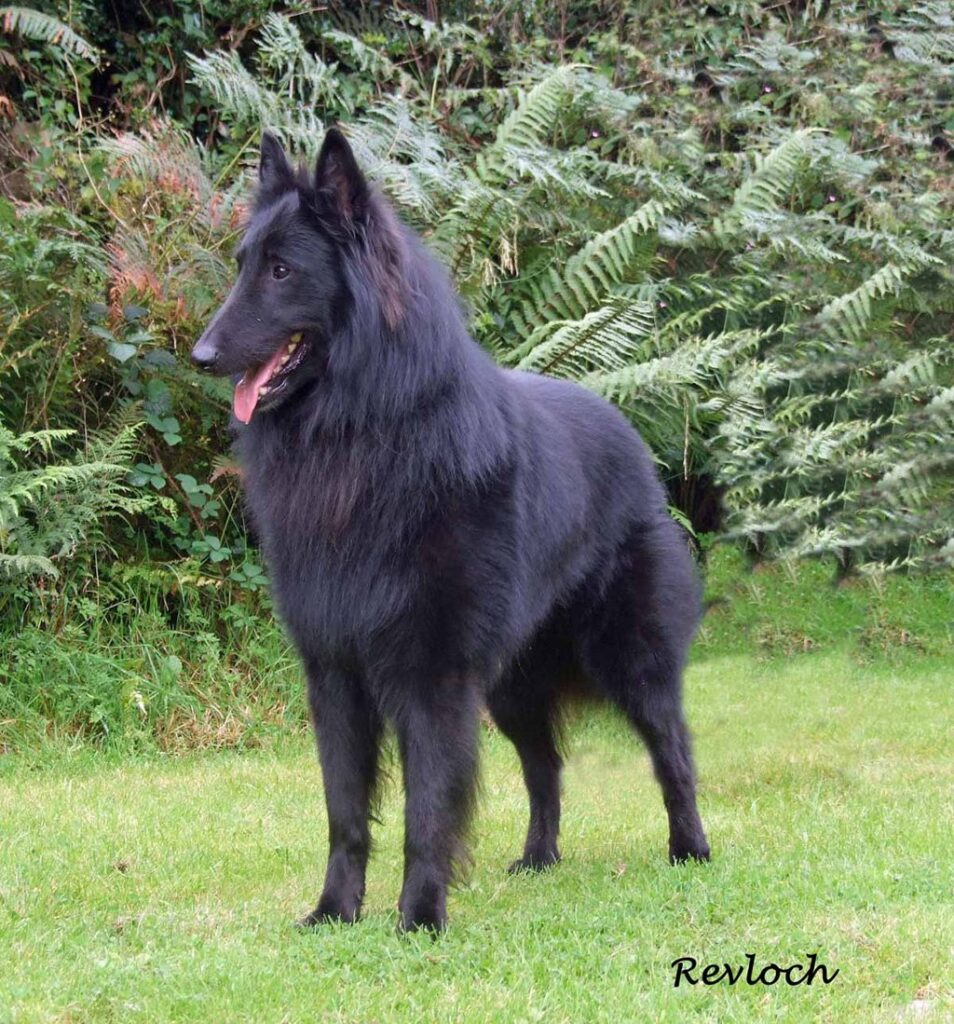
The history of the Groenendael is closely intertwined with that of all Belgian Shepherds. In the late 19th century, Belgium was home to a wide variety of herding dogs that differed in coat type, colour, and size. Professor Adolphe Reul from the Cureghem Veterinary School undertook the task of systematising and classifying these dogs. In September 1891, the Belgian Shepherd Dog Club (Club du Chien de Berger Belge) was founded in Brussels. On 15th November of the same year, the first show was held in Cureghem, featuring 117 dogs.
It was Nicholas Ros, owner of the Château de Groenendael restaurant near Brussels, who is considered the “father” of the long-haired black variety. He was a passionate enthusiast of this specific type and dedicated himself to their breeding. His famous dog, “Piccard d’Uccle,” a handsome long-haired black specimen, became one of the founders of the Groenendael line. Initially, the plan was to divide Belgian Shepherds into three groups based on coat type: long-haired, short-haired, and wire-haired. Subsequently, the long-haired group was divided by colour, distinguishing the black Groenendaels from the fawn/red Tervuerens.
Notably, Groenendaels quickly gained popularity not only as herding dogs but also as excellent guard and service dogs. During the First and Second World Wars, they served selflessly as medical dogs, messengers, patrol dogs, and sentries, demonstrating their bravery and intelligence. Their loyalty and versatility made them invaluable assets in the most challenging conditions. Today, the Groenendael is not just an elegant show dog but also a reliable companion, a keen athlete, and a vigilant protector of its family.
What Does a Groenendael Look Like? A Detailed Description
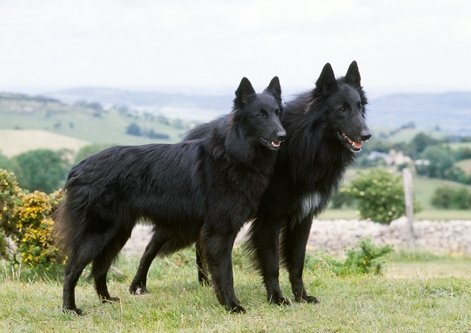
The Groenendael is a medium-sized, harmoniously built dog that combines elegance and strength. Its appearance radiates alertness and a readiness for action. It is an athletic dog with well-developed musculature, yet it is not overly massive. Its movements are swift, free, and energetic.
Key Conformation Characteristics of the Groenendael:
- Head: Long, lean, and well-chiselled. The forehead is flat, with a moderately defined stop. The muzzle is wedge-shaped, gradually tapering towards the nose but not pointed. The length of the muzzle is approximately equal to the length of the skull.
- Eyes: Medium-sized, almond-shaped, and usually dark brown (the darker, the better). The expression is lively, intelligent, and alert.
- Ears: Pricked, triangular, set high, and small. The tips are pointed. They react attentively to sounds.
- Nose: The nose leather is black and well-developed.
- Bite: A scissor bite is required. A full set of 42 teeth is desirable.
- Neck: Well-set, muscular, of medium length, gradually widening towards the shoulders. No dewlap.
- Body: Powerful but not heavy. The topline is straight. The chest is deep but not overly broad, reaching the level of the elbows. The ribs are well-sprung. The abdomen is moderately tucked up.
- Tail: Strong at the base, of medium length, reaching the hock joint or slightly below. When at rest, it is carried low with a slight curve at the tip. In motion, it may be raised but should not curl into a ring or be carried over the back. It is very bushy, forming a “plume”.
- Limbs: The forelegs are straight and parallel, with strong bone and lean muscle. The hindquarters are powerful with well-defined angulation. The paws are compact and rounded (“cat-like”), with tightly arched toes and strong, dark claws. The pads are thick and elastic.
- Coat: The Groenendael’s most defining feature is its luxurious, long, straight, and dense coat with a thick undercoat that provides excellent protection from the weather. The hair forms an abundant “ruff” around the neck and a “frill” on the chest. The back of the thighs features “trousers”. The hair is short on the head, the outside of the ears, and the lower parts of the legs.
- Colour: Exclusively solid black. Small white markings on the chest (“cravat”) and on the toes of the hind feet are permitted. Greying on the muzzle that appears with age is not a fault.
The overall impression of the Groenendael is that of a proud and noble dog, agile and hardy, ready for any challenge.
The Groenendael’s Character: Temperament and Behaviour
The Groenendael is not just a beautiful dog but also a remarkable personality. Its character is multifaceted: it is emotional, impulsive, and exceptionally active and agile. At the same time, when needed, a Groenendael can be composed, focused, and attentive. This is a highly intelligent dog that constantly requires mental stimulation and new challenges.
Key Traits of the Groenendael’s Character:
- Loyalty: The Groenendael is boundlessly loyal to its family and owner. It wants to be by their side, participate in all family activities, and is ready to accompany its people anywhere.
- Vigilance and Protective Qualities: This is a natural-born guardian. A Groenendael is always on alert, carefully observing its surroundings, and will not hesitate to defend its territory and loved ones. It is wary of strangers, but unprovoked aggression is not in its nature.
- Intelligence and Trainability: Groenendaels are among the most intelligent breeds. They quickly grasp new information and easily learn commands and tricks. They enjoy the learning process, especially when it is positive and game-based.
- Energy and Activity: This is a very energetic dog that needs regular and prolonged physical exercise. Simple lead walks are not enough for it. A Groenendael needs active games, running, and opportunities to release its energy.
- Sensitivity: Despite their strength and confidence, Groenendaels can be quite sensitive. They do not tolerate harsh treatment, shouting, or unjust punishment. They require an approach based on respect, patience, and consistency.
- Love for Children: With proper socialisation, Groenendaels get along wonderfully with children, especially if they grow up together. They are patient and playful, but it is important to teach children to respect the dog’s personal space.
- Attitude Towards Other Animals: With early and proper socialisation, Groenendaels can coexist peacefully with other pets. However, their strong prey drive can create problems with small animals outside the home.
It’s crucial to remember that the Groenendael is not a dog for everyone. It needs an active, responsible, and experienced owner who can provide the right level of physical and mental stimulation, as well as dedicate enough time to communication and training. Without this, a Groenendael can become bored, destructive, or exhibit unwanted behaviour.
Groenendael Health: Common Diseases and Prevention
Groenendaels are generally considered a robust and hardy breed with good health. However, like any breed, they are prone to certain genetic diseases and health problems. Timely prevention, regular veterinary check-ups, and careful attention to the dog’s condition will help maintain its health for many years.
The Most Common Health Problems in Groenendaels:
- Hip and Elbow Dysplasia: This is a hereditary condition common in many medium and large breeds. It is characterised by the improper development of the joints, which can lead to pain, lameness, and arthritis. It is important to choose a puppy from parents who have been screened for dysplasia and to provide proper nutrition and moderate exercise during its growth period.
- Epilepsy: Some Groenendael lines may be prone to idiopathic (hereditary) epilepsy, which manifests as seizures. The condition is usually diagnosed between the ages of 6 months and 5 years. Treatment is possible but requires ongoing veterinary supervision.
- Progressive Retinal Atrophy (PRA): This is a group of hereditary eye diseases that lead to gradual vision loss and blindness. Genetic tests are available to identify carriers of the PRA gene.
- Cataracts: A clouding of the lens of the eye that can affect vision. It can be hereditary or develop with age.
- Thyroid Disease (Hypothyroidism): Insufficient production of thyroid hormones, which can lead to weight gain, skin and coat problems, and lethargy.
- Bloat (Gastric Dilatation-Volvulus): A life-threatening condition more common in dogs with deep chests. It is important to feed the dog small portions several times a day and avoid active play immediately after meals.
- Allergies: Groenendaels can be prone to skin allergies (atopic dermatitis) or food allergies, which manifest as itching, skin redness, and hair loss.
- Sensitivity to Anaesthesia: Some Belgian Shepherds, including the Groenendael, may have an increased sensitivity to certain types of anaesthesia. It is wise to inform your vet of this before any surgical procedures.
Preventive Measures for a Groenendael:
- Regular Veterinary Check-ups: At least once a year, and twice a year for senior dogs.
- Vaccination and Deworming: According to the schedule recommended by your vet.
- Balanced Nutrition: High-quality food appropriate for the dog’s age, size, and activity level. Avoid overfeeding, as Groenendaels can be prone to weight gain.
- Sufficient Physical Exercise: Regular active walks and training to maintain physical fitness and joint health.
- Dental Care: Regular brushing of teeth or the use of special products to prevent tartar buildup and gum disease.
- Attention to Changes in Behaviour or Condition: Any sudden changes (lethargy, loss of appetite, lameness, skin problems) require a consultation with a vet.
Remember, a responsible breeder always tests their breeding stock for common hereditary diseases. When buying a puppy, be sure to ask about the results of such tests for the parents.
How to Care for a Groenendael’s Coat and Other Aspects of Upkeep
The Groenendael’s luxurious black coat is its signature feature, but it requires regular and thorough care. In addition to grooming, it is important to consider the breed’s other needs to ensure a comfortable and healthy life.
Coat Care:
- Brushing: The Groenendael’s long coat is prone to matting, especially behind the ears, on the “trousers,” and on the “ruff.” It is recommended to brush the dog 2-3 times a week, and daily during shedding seasons (usually spring and autumn). Use a comb with sparse, long teeth for detangling and a slicker brush to remove the dead undercoat.
- Bathing: Frequent bathing of a Groenendael is not recommended, as it can strip the natural oils from the skin and coat. Bathe the dog as needed, usually once every few months, or before shows. Use a special shampoo for long-haired dogs. After bathing, the coat should be thoroughly dried with a hairdryer while brushing it.
- Shedding: Groenendaels shed quite heavily, especially seasonally. Be prepared for fur on furniture and clothing. Regular brushing will help reduce the amount of hair in the house.
- Care for “Furnishings”: Pay special attention to the “ruff,” “frill,” and “trousers,” as the hair is longest and thickest in these areas.
If your Groenendael’s coat becomes dull, brittle, or sheds excessively outside of the shedding season, it could be a sign of health problems or improper nutrition. In this case, consult your vet.
Living Conditions and Activity:
- Space: The Groenendael is an active dog that needs space to move. Ideally, it should live in a private house with a well-fenced garden. Living in a flat is possible, but only if you can provide very long and active daily walks (a minimum of 2-3 hours a day). The dog enjoys spending time outdoors.
- Physical Exercise: A Groenendael needs more than just walks; it requires intense physical exercise: running alongside a bicycle (once the dog is fully mature), playing with a ball or frisbee, swimming, and participating in dog sports (agility, obedience, flyball). Insufficient activity can lead to boredom, destructive behaviour, and health problems.
- Mental Stimulation: Do not forget about the Groenendael’s intellectual needs. Engage in training with it, offer puzzle toys, and teach it new tricks.
Other Aspects of Care:
- Nail Care: Trim the nails regularly (usually once every 3-4 weeks) if they do not wear down naturally during walks.
- Ear Care: Periodically check the ears for dirt, redness, or an unpleasant odour. Clean them as needed with a special ear lotion.
- Dental Care: Brush the dog’s teeth regularly with a special brush and toothpaste for dogs, or provide dental chews to prevent tartar buildup.
Important: The Groenendael does not tolerate loneliness well. Do not leave it alone for long periods, as this can lead to the development of separation anxiety and destructive behaviour.
Training and Socialisation of the Groenendael
The Groenendael is an exceptionally intelligent and capable student, which makes the training process both exciting and rewarding. However, its high intelligence, sensitivity, and occasional stubbornness require consistency, patience, and the right approach from the owner.
Key Aspects of Training a Groenendael:
- Start Early: Begin training and socialisation from a very young age, as soon as the puppy arrives in your home.
- Positive Reinforcement: Groenendaels respond best to methods based on positive reinforcement: praise, treats, and toys. Avoid harshness, shouting, and physical punishment, as this can cause fear, distrust, or even aggression.
- Consistency and Clarity: Be consistent in your demands and commands. All family members should adhere to the same rules.
- Short and Interesting Sessions: Groenendaels learn quickly but can get bored with monotonous repetition. Keep training sessions short (10-15 minutes), varied, and engaging. A Groenendael only needs a few repetitions to remember a simple command.
- Socialisation: This is a critically important aspect for a Groenendael. From an early age, introduce the puppy to different people, sounds, places, and other dogs and animals (under control). A well-socialised Groenendael will grow into a confident, calm, and well-adjusted dog. Insufficient socialisation can lead to timidity or excessive suspicion.
- Establishing Leadership: A Groenendael needs a confident and calm leader whom it can trust and respect. Establish clear boundaries and rules of conduct from the very first days.
- Variety in Training: Groenendaels are working dogs with excellent memory and highly developed intelligence. They are organised and quick-witted. They enjoy a variety of tasks. Try different types of dog sports: obedience, agility, flyball, search and rescue, or protection work (with proper training from a professional instructor). This will help satisfy their need for activity and mental stimulation.
- The “Come” Command: This is one of the most important commands to focus on. Given their potential prey drive, a reliable recall is essential for safety.
Do not underestimate the intelligence of the Groenendael. If it gets bored or doesn’t understand what is expected of it, it may start to “invent” its own rules or ignore commands. Dedicate time to training every day and master new tricks. The dog will perform them with pleasure. These animals will become wonderful companions for you in any sport. They are curious and always ready to discover something new and conquer ever higher peaks.
If you encounter difficulties with training or behaviour, do not hesitate to seek help from a professional dog trainer who has experience with shepherd breeds.
Groenendael Nutrition: Key Recommendations
Proper nutrition is the foundation of your Groenendael’s health, longevity, and vitality. As this is an active and muscular breed, its diet must be balanced and contain all the necessary nutrients.
Basic Principles of Feeding a Groenendael:
- High-Quality Protein: The main components of your pet’s menu should be products containing animal protein. This is the foundation for muscle development and overall health. Sources of protein can include lean meat (beef, turkey, chicken – if no allergies are present), offal (heart, liver – in limited quantities), and sea fish (boneless).
- Carbohydrates: To provide energy, a Groenendael needs complex carbohydrates. It is beneficial to give the dog porridges made from buckwheat, rice, or oats. Wheat porridge should be given with caution as it can cause allergies in some dogs.
- Fats: Moderate consumption of fats is necessary for healthy skin and coat, as well as for the absorption of fat-soluble vitamins. Sources of healthy fats can include fish oil and flaxseed oil (in small amounts).
- Fibre: Vegetables (carrots, pumpkin, courgettes, broccoli) and some fruits (apples – without seeds) are a source of fibre, which promotes normal digestion.
- Vitamins and Minerals: With a natural diet, it is important to add vitamin and mineral complexes specially designed for dogs to the diet, as recommended by your vet.
Types of Feeding:
- Commercial Dry Food: Many owners choose to feed high-quality dry foods of premium, super-premium, or holistic quality. These foods are already balanced in composition and contain all the necessary nutrients. Choose a food that corresponds to your Groenendael’s age, size, activity level, and health specifics. Consult your vet about which food is right for your dog.
- Natural Feeding: If you decide to feed your dog a natural diet, it is important to compose the diet correctly to ensure it is complete. This requires more time and knowledge. Do not feed your dog food from your table! Sweets, smoked foods, and spicy or fatty foods are harmful to dogs.
Feeding Schedule:
- Adult Groenendaels are usually fed twice a day – in the morning and in the evening.
- The portion size should correspond to the dog’s weight, age, and activity level. Do not overfeed! Remember that the animal must be fed according to its physical exertion. A tendency to obesity can negatively affect the joints and overall health.
- Ensure the dog has constant access to fresh, clean water.
- Do not feed the dog immediately before or after intense physical exercise to avoid the risk of bloat.
Some Groenendaels may have sensitive digestion or a tendency to food allergies. If you notice digestive problems in your dog (vomiting, diarrhoea), itching, or skin rashes, consult your vet to adjust the diet or identify the allergen. Remember that some foods are not fully digested by the body and can cause pain and spasms. Choose only proven and high-quality products.
Pros and Cons of the Groenendael Breed
Like any breed, the Groenendael has its advantages and disadvantages, which a potential owner should consider before taking on the responsibility of such a dog.
| Pros of the Groenendael Breed | Cons of the Groenendael Breed |
|---|---|
| High intelligence and trainability: Easily masters commands, loves to learn, successful in various dog sports. | Requires an experienced owner: Their intelligence and energy need skilled management; not suitable for novices. |
| Loyalty and attachment to the family: Becomes a true family member, strives to be close. | Prone to separation anxiety: Does not tolerate being alone well, can exhibit destructive behaviour if left alone for long periods. |
| Excellent guarding and protective qualities: A natural watchdog, vigilant and wary of strangers. | Requires intense physical exercise: Needs long, active walks daily (2-3 hours), otherwise can become restless. |
| Elegant and beautiful appearance: The luxurious black coat is very eye-catching. | Requires regular coat care: The long coat needs frequent brushing (2-3 times a week, daily during shedding) and is prone to matting. Sheds heavily. |
| Energetic and playful: An excellent companion for active people and for games. | Needs constant mental stimulation: Without tasks and training, can become bored and “invent” its own activities. |
| Good with children (with proper socialisation): Can be a patient and caring friend for children. | Can be overly excitable or “noisy”: Prone to barking, especially if not taught to control its emotions. |
| Versatility: Suitable for various types of service, sports, and as a companion. | Can be sensitive and easily offended: Reacts poorly to harshness and injustice. |
| Relatively robust health: With proper care and selection of a puppy from healthy parents. | Prone to certain hereditary diseases: (dysplasia, epilepsy, eye problems). |
Interesting Facts About the Groenendael
- A Name with History: The Groenendael breed gets its name from the Château de Groenendael, which belonged to Nicholas Ros, one of the first and most influential breeders of this long-haired black variety of Belgian Shepherd.
- The Four Musketeers: The Groenendael is one of four varieties of the Belgian Shepherd Dog, which are recognised by the Fédération Cynologique Internationale (FCI) as a single breed with four variations in coat and colour. The other three are the Malinois (short-haired, fawn with a black mask), the Tervuren (long-haired, fawn/grey with a black mask and overlay), and the Laekenois (wire-haired, fawn).
- Canine Heroes: Belgian Shepherds, including Groenendaels, distinguished themselves through their service during the First and Second World Wars. They were used as messengers, ambulance dogs, for finding the wounded, and even for transporting small loads. Their courage and intelligence saved lives.
- “Black Lightning”: Thanks to their solid black colour and swift, graceful movements, Groenendaels are sometimes poetically called “black lightning.”
- Not Just a Shepherd: Although historically Groenendaels were herding dogs, today they successfully excel in many other areas: police service, search and rescue operations, sports (agility, obedience, Mondioring), canistherapy, and, of course, as devoted companions.
- Sensitive Souls: Despite their confident appearance and working qualities, Groenendaels are quite sensitive dogs. They are finely attuned to their owner’s mood and do not tolerate injustice or harsh treatment.
- The Owner’s Shadow: Groenendaels are very people-oriented and strive to be constantly near their owner. They are often called “Velcro dogs” or “shadows.”
- One Standard, Different Countries: Interestingly, in the USA (under the AKC – American Kennel Club standard), the Groenendael, Tervuren, and Malinois are registered as separate breeds (Belgian Groenendael, Belgian Tervuren, Belgian Malinois), whereas the FCI considers them varieties of a single breed. The Laekenois is also recognised separately.
Frequently Asked Questions About the Groenendael Breed (FAQ)
Is the Groenendael suitable for living in a flat?
Keeping a Groenendael in a flat is possible, but with significant reservations. This is a very active breed that requires substantial physical exercise (a minimum of 2-3 hours of active walks daily) and space. If you cannot provide this level of activity, a flat will be too confining, which can lead to behavioural problems. The ideal option is a private house with a well-fenced garden.
How does a Groenendael get along with children?
With proper early socialisation and teaching both the dog and children the rules of interaction, a Groenendael can be a wonderful companion for children. They can be patient and playful. However, due to their energy and size, play with very young children should always be supervised by adults. It is important to teach children to respect the dog and not to bother it while it is resting or eating.
Does the Groenendael shed a lot?
Yes, Groenendaels shed quite heavily, especially during seasonal moults (spring and autumn). Their long coat with a dense undercoat requires regular brushing (2-3 times a week, and daily during shedding season) to prevent matting and reduce the amount of hair in the house.
Is it easy to train a Groenendael?
Groenendaels are very intelligent and capable of learning, which makes the training process relatively easy for an experienced owner. They grasp commands quickly. However, their intelligence also means they can get bored with monotony or try to “outsmart” an inexperienced owner. A consistent, patient approach based on positive reinforcement is needed.
Are Groenendaels aggressive?
The Groenendael is not an inherently aggressive dog, but it does have strong protective instincts and can be wary of strangers. Proper socialisation from an early age is key to developing a balanced temperament. Unprovoked aggression is not typical for this breed, but it will not hesitate to protect its family and territory if it perceives a real threat.
How much activity does a Groenendael need?
A great deal. This is a high-energy breed. They need at least 2-3 hours of intense physical exercise daily. This can include long walks, running, active games, and participation in dog sports (agility, obedience, etc.). Insufficient activity can lead to boredom, destructive behaviour, and health problems.
Can a Groenendael be left alone for long periods?
Groenendaels are very people-oriented and do not tolerate loneliness well. Leaving them alone for long periods (e.g., a full working day on a regular basis) is not recommended, as it can lead to the development of separation anxiety, which manifests as barking, howling, and destroying things.
Comparison Table of Belgian Shepherd Varieties
| Characteristic | Groenendael | Tervuren | Malinois | Laekenois |
|---|---|---|---|---|
| Coat Type | Long, straight | Long, straight | Short, dense | Wiry, tousled |
| Colour | Solid black | Fawn, red, grey with black mask and overlay | Fawn, red with black mask | Fawn, reddish, sometimes with traces of blackening |
| Coat Length on Muzzle | Short | Short | Short | Short, tousled |
| General Temperament | Vigilant, active, intelligent, loyal, protective. Individual differences may exist, but the foundation is similar. The Malinois is often considered the most “driven” and work-demanding. | |||
| Popularity in Service/Sports | High (guarding, sports) | High (sports, companion) | Very high (police, military service, sports) | Less common, but also a working dog |
Video of a Groenendael
- Very intelligent and trainable
- Devoted and watchful
- Athletic, suited to dog sports
- A striking solid-black coat
- An enormous need for exercise and work
- Sensitive, deeply attached
- Without occupation — boredom and anxiety
- The dense coat moults heavily
| Tervuren | Malinois | German Shepherd | |
|---|---|---|---|
| Height | 56–66 cm | 56–66 cm | 55–65 cm |
| Energy | 5 | 5 | 4.5 |
| Apartment | 2 | 2 | 3 |
| Beginners | 2 | 1.5 | 2.5 |
How does the Groenendael differ from the other Belgians?
Is the Groenendael suitable for a beginner?
Is the Groenendael good in a family?
FCI Standard No. 15 · The Kennel Club
For apartments · For kids · For beginners · Active · Smartest · Hypoallergenic · All rankings →