

| Height | 35–42 cm |
| Weight | 9–10 kg |
| Lifespan | 12–15 years |
| FCI group | 2 · pinschers, schnauzers, molossoids |
| Origin | Netherlands |
Exact ratings
- Generally a very healthy breed
- Patellar luxation (rare)
- Dental disease
- Ear infections (less often)
- A limited gene pool (a rare breed)
A moderate, quality diet with weight control. Hand-strip the wire coat periodically; provide moderate activity and company — a people-oriented, sociable dog.
The Dutch Smoushond is a dog breed renowned for its cheerful disposition, loyalty, and distinctive appearance. This small yet sturdy dog originates from the Netherlands, where it historically served as an indefatigable rat catcher in stables. Today, the Smoushond is primarily a wonderful companion dog, bringing joy to its owners. Learn more on Tvaryny.
Members of this breed are exceptionally affectionate and get along famously with children and other animals. They possess a keen intuition, capable of sensing the mood of those around them and being unobtrusive when needed. Despite their good-naturedness, Smoushonds make excellent guard dogs, ready to protect their territory and family. Their cleverness and eagerness to please make them quite easy to train, though a touch of stubbornness can sometimes surface, requiring consistent and patient guidance.
General Breed Characteristics
| Characteristic | Value |
|---|---|
| Origin | Netherlands |
| Purpose | Rat Catcher, Companion, Guard Dog |
| Life Expectancy | 12-15 years |
| Height at Withers | 35-42 cm (13.8-16.5 inches) |
| Weight | 8-12 kg (17.6-26.5 lbs) |
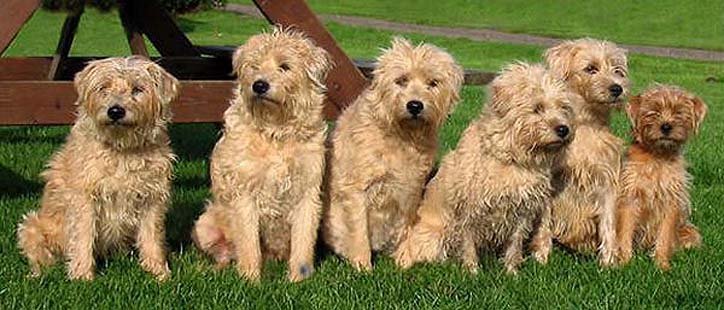
| Coat Colour | Straw-yellow (various shades) |
| Coat Type | Harsh, coarse, shaggy |
| FCI Group | Group 2 (Pinscher and Schnauzer Type, Molossoid Breeds, Swiss Mountain and Cattle Dogs), Section 1 (Pinscher and Schnauzer Type) |
The Dutch Smoushond: Breed History and Revival
The history of the Dutch Smoushond is closely intertwined with the Netherlands. It’s believed that these dogs descended from yellow German Schnauzers. In the 1850s, an Amsterdam entrepreneur named Abras began importing these dogs into the Netherlands, where they quickly gained popularity as effective rat catchers and companions. Their working qualities were particularly valued in stables and on farms, where they helped control rodent populations. In 1905, the first official breed standard was developed, marking an important step in its formation.
Unfortunately, like many other breeds, the Dutch Smoushond suffered greatly during the Second World War. The number of breed representatives significantly decreased, pushing them to the brink of extinction. The breed’s recovery became possible thanks to the efforts of dedicated enthusiasts. A significant role in this process was played by the Dutchwoman G.N. Barkman van der Weel, who in the 1970s made considerable efforts to find surviving individuals and organise a breeding programme. In 1977, the Smoushond breed club was re-established, and subsequently, the breed received official recognition from the Fédération Cynologique Internationale (FCI).
Despite its long history and unique qualities, the Dutch Smoushond remains a rather rare breed outside of the Netherlands. Dutch breeders do not aim for mass popularisation of the breed abroad, focusing instead on preserving its unique characteristics and working qualities within the country. This makes the Smoushond a true national treasure of the Netherlands.
Appearance of the Dutch Smoushond: Standard Description
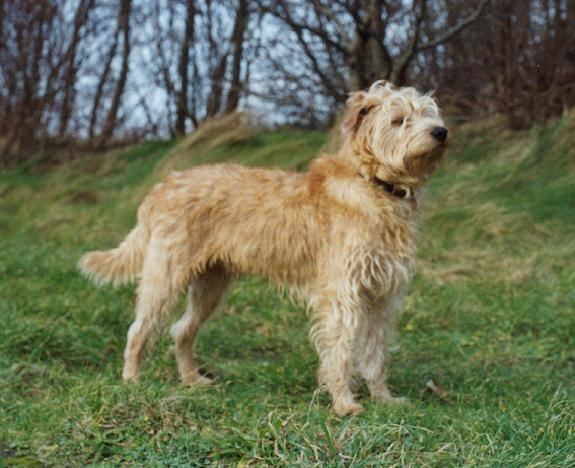
The Dutch Smoushond is a medium-sized dog with a robust and well-proportioned build. Its appearance reflects its origins as a working dog: it’s sturdy, muscular, and resilient. The body format is slightly elongated but not excessively long. Adult dogs typically stand between 35 to 42 cm (13.8-16.5 inches) at the Withers, and weigh around 8-12 kg (17.6-26.5 lbs). These parameters make it quite compact for keeping in both an apartment and a private house.
One of the most distinctive features of the Smoushond’s appearance is its coat. It’s of moderate length, harsh, coarse, and has a naturally shaggy look, giving the dog a somewhat untidy, yet charming, appearance. On the muzzle, well-developed whiskers, a beard, and eyebrows enhance the expressiveness of its eyes and add to the breed’s unique charm. The Smoushond’s coat colour is always straw-yellow, with various shades of this colour being permissible. It’s important to note that the breed standard does not allow for other colourations.
The Smoushond’s head, when viewed from above, appears short and broad, with a slightly rounded skull and forehead. The muzzle is strong, but half the length of the skull. The jaws are powerful, and the bite is scissor-like – the upper teeth tightly overlap the lower ones. The nose is wide and always black. The eyes are large, round, dark in colour, with dark eyelids and thick eyelashes. The expression in their eyes is lively, friendly, and intelligent, truly reflecting the breed’s character.
The Smoushond’s ears are large, light, and hang on the cartilage, set high on the head. In the past, tails were often docked, but nowadays they are increasingly left in their natural state. An undocked tail is carried like a sabre or a rod, adding to the dog’s elegance. Overall, the Dutch Smoushond gives the impression of a sturdy, active, and cheerful dog with a truly distinctive appearance.
The Dutch Smoushond’s Character: An Ideal Companion
The Dutch Smoushond boasts an incredibly pleasant, balanced, and friendly disposition, making it an ideal companion for various types of families. These dogs are highly people-oriented and form strong bonds with their owners. They love spending time with their family, participating in all activities, and simply being close by.
Smoushonds get along famously with children. They are patient, playful, and always up for shared mischief, which makes them excellent friends for youngsters. It’s only important to teach children to respect the dog and handle it gently. Additionally, as owners’ experiences show, Dutch Smoushonds, much like Standard Schnauzers or Affenpinschers, generally cohabit well with other household pets, including other dogs and cats, especially if they grow up together.
Towards strangers, Smoushonds show a natural wariness, but without undue aggression. They observe newcomers attentively and may alert their owners to their arrival with a loud bark. This quality, combined with their fearlessness, makes them reliable guard dogs, although their barking may need some correction during training. Despite their guarding function, within the family circle, Smoushonds are very affectionate and gentle, but without being clingy. They are adept at sensing when their presence is desired and when it’s best to remain unnoticed.
Overall, the Dutch Smoushond is a cheerful, active, and optimistic dog that brings positive energy into the home. Its balanced temperament, lack of aggression, and strong attachment to the family make it a wonderful choice for those seeking a loyal and loving four-legged friend.
Dutch Smoushond Health: Robustness and Longevity
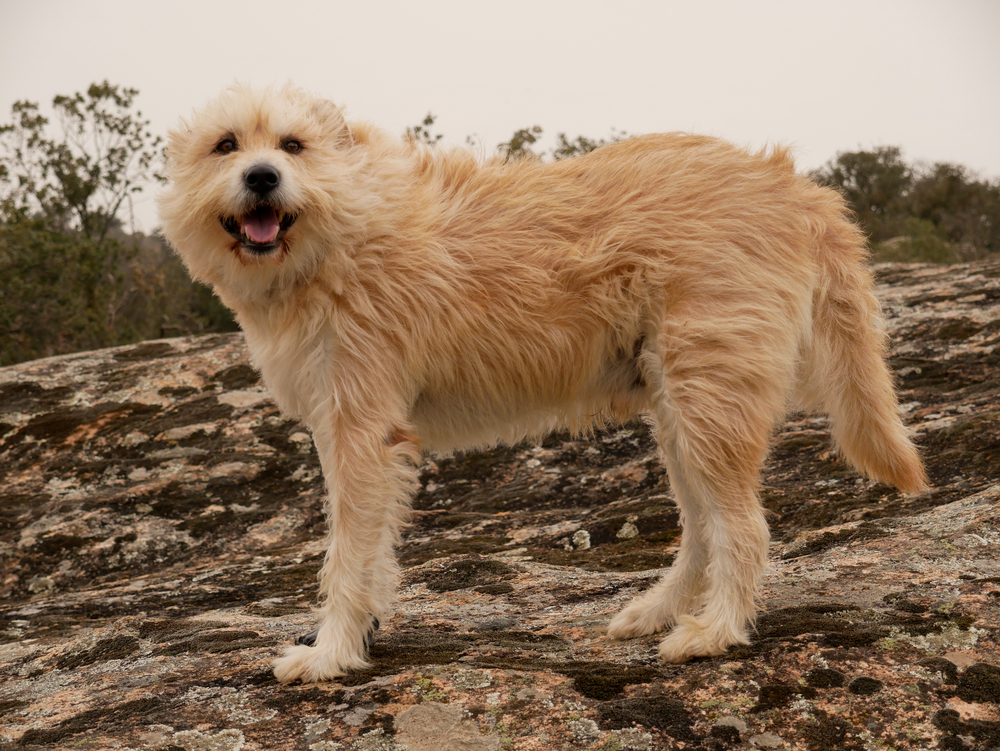
The Dutch Smoushond is considered one of the breeds with rather robust health. Thanks to its relatively low popularity and controlled breeding, representatives of this breed are less prone to hereditary diseases that are often found in more commercial breeds. The average life expectancy of a Dutch Smoushond is 12-15 years, which is a good indicator for dogs of their size.
However, like any living creature, the Smoushond may have certain predispositions to particular health issues. According to cynologists and veterinarians, among the possible concerns owners should be aware of is a tendency to gain excess weight. This requires careful control of their diet and ensuring sufficient physical activity. Obesity can lead to a number of other problems, including stress on joints and the cardiovascular system.
Among other potential problems, though not as widespread, some eye conditions such as cataracts or lens luxation may occur. Regular check-ups with a veterinary ophthalmologist can help detect these problems in their early stages. Also, older dogs may develop arthritis or other joint issues, which is a natural part of the ageing process.
An important part of maintaining the Dutch Smoushond’s health is prevention. This includes:
- Regular veterinary visits: Preventive check-ups, vaccinations, and parasite treatments are essential.
- Balanced diet: Ensuring a complete diet appropriate for the dog’s age, weight, and activity level. Avoiding overfeeding and unhealthy treats.
- Sufficient physical exercise: Daily walks and active games to maintain optimal weight and overall physical fitness.
- Hygiene: Regular care of the coat, ears, eyes, and teeth to prevent infections and other problems.
By giving enough attention to these aspects and showering your dog with love and care, owners can ensure their Dutch Smoushond a long, healthy, and happy life. Just like with an Old English Sheepdog (Bobtail) or a Croatian Sheepdog, good health care is key to a long and joyful life together with your four-legged friend.
Caring for the Dutch Smoushond: Coat Specifics
Caring for the Dutch Smoushond isn’t overly complicated, but it does have its peculiarities, primarily related to its unique coat. As mentioned, the Smoushond’s coat is harsh, coarse, and has a naturally shaggy appearance. This structure effectively protects the dog from adverse weather conditions, allowing it to feel comfortable both in the city and beyond.
The primary coat care involves regular brushing. Despite its “untidy” look according to the standard, the coat needs attention to prevent matting and maintain its healthy condition. Using a metal comb with wide teeth once or twice a week is usually sufficient to remove dead hairs and prevent tangles.
Twice a year, the Dutch Smoushond requires professional stripping (trimming). This procedure involves removing mature, dead hair by hand or with special tools. Stripping helps maintain the correct structure and texture of the coat, and also stimulates the growth of new, healthy hair. It’s important to note that during stripping, the hair on the head (whiskers, beard, eyebrows) is usually left untouched to preserve the breed’s characteristic look.
In addition to regular brushing and stripping, you should also pay attention to ear and paw hygiene. Hair growing in the ear canals and between the paw pads should be periodically removed to prevent the accumulation of dirt and moisture, which can lead to infections. The Smoushond should only be bathed when necessary, using a mild dog shampoo. Too frequent bathing can strip the coat of its natural protective oils, making it dry and brittle.
Beyond coat care, it’s also important to monitor the condition of the dog’s nails and teeth. Nails should be regularly trimmed to prevent them from interfering with walking and causing discomfort. Brushing teeth several times a week will help prevent tartar and plaque buildup, as well as maintain fresh breath.
| Aspect of Care | Recommendations |
|---|---|
| Coat Brushing | 1-2 times a week with a metal comb |
| Stripping (Trimming) | Professional, twice a year |
| Bathing | As needed, with mild shampoo |
| Ear Care | Regular cleaning and removal of excess hair |
| Dental Care | Brushing several times a week |
| Nail Trimming | Regularly, as they grow |
Training and Socialisation of the Dutch Smoushond
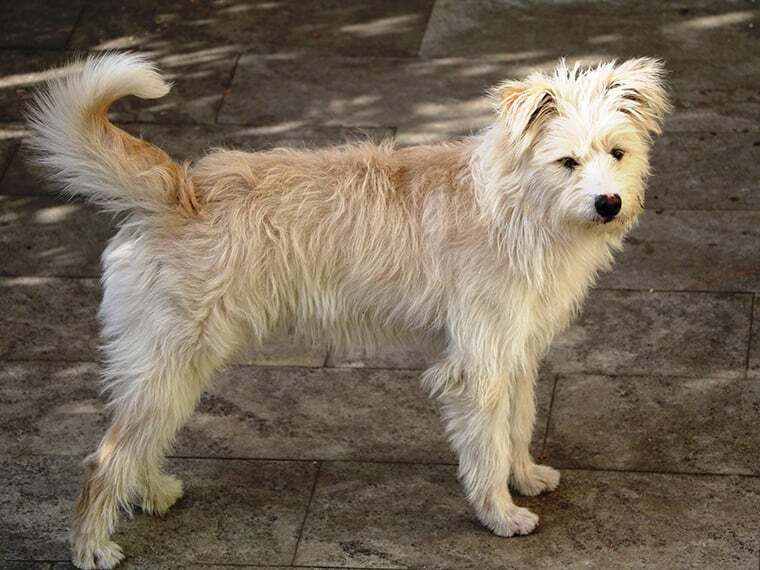
Dutch Smoushonds are naturally intelligent, owner-oriented, and eager to please, which makes their training process relatively easy and enjoyable. They quickly grasp new commands and behavioural rules. However, like any dog, a Smoushond requires a consistent, patient, and positive approach to learning.
It’s crucial to begin training and socialisation from an early age. Smoushond puppies are incredibly inquisitive and open to new experiences. Early socialisation, which includes introducing them to different people, places, sounds, and other animals, will help shape a confident and well-balanced dog that won’t be afraid of new situations or exhibit excessive shyness or aggression towards strangers.
During training, positive reinforcement methods should be used: praise, treats, and games. Smoushonds respond wonderfully to encouragement and happily obey commands when they see it brings joy to their owner. Avoid harsh training methods and punishments, as these can undermine the dog’s trust and make it timid or, conversely, stubborn.
Although Smoushonds are quite obedient, they can display a touch of independence or stubbornness, especially if they don’t perceive their owner as an unquestionable leader. Therefore, it’s important to establish clear rules and boundaries of behaviour from the very first days the puppy is in the home and always be consistent in your demands. Firm but gentle upbringing is key to shaping an obedient and manageable adult dog.
Beyond basic obedience commands, Dutch Smoushonds enjoy various activities and dog sports. They can excel in agility, flyball, trick training, and other pursuits that demand agility, intelligence, and interaction with their owner. Regular physical and mental exercise not only keeps the dog in good shape but also contributes to its emotional well-being and prevents destructive behaviour stemming from boredom.
Feeding the Dutch Smoushond: Key Recommendations
Proper nutrition is the cornerstone of any dog’s health and longevity, and the Dutch Smoushond is no exception. A dog’s diet must be balanced, nutritious, and tailored to its age, weight, activity level, and individual needs.
There are two primary approaches to feeding dogs: ready-made commercial foods (dry or wet food) or natural, home-prepared meals. Both options can be complete and wholesome if properly selected and balanced.
Ready-made Foods
If you opt for ready-made food, preference should be given to high-quality super-premium or holistic brands. Such foods contain all the necessary nutrients: proteins (meat being the primary ingredient), fats, carbohydrates, vitamins, and minerals in the correct proportions. When choosing food, pay attention to the ingredients list: meat should be listed first, and avoid foods with large amounts of cereals, low-quality by-products, artificial colours, and preservatives. Determine the feeding amount according to the manufacturer’s recommendations on the packaging, adjusting it based on your dog’s activity level.
Natural Feeding
When feeding a natural diet, the Smoushond’s diet should include:
- Meat: Lean cuts (beef, turkey, chicken, rabbit). Can constitute a significant portion of the diet (around 50-70%).
- Offal: Tripe, liver, heart (cautiously, in small quantities).
- Fish: Marine, lean, boneless (once or twice a week instead of meat).
- Grains: Rice, buckwheat, millet (as a source of carbohydrates, but no more than 20-30% of the diet).
- Vegetables: Courgettes, carrots, pumpkin, broccoli (cooked or raw, finely chopped or puréed).
- Fermented dairy products: Kefir, unsweetened yoghurt, low-fat cottage cheese (as a source of calcium and probiotics).
- Eggs: Boiled (once or twice a week).
When feeding a natural diet, it’s essential to add vitamin and mineral supplements, as it’s quite challenging to create a perfectly balanced diet independently. It’s crucial to avoid feeding your Smoushond bones (especially hollow ones), sweets, smoked meats, fried and fatty foods, onions, garlic, grapes, and chocolate – these products are harmful, and some are even dangerous for dogs.
Regardless of the chosen feeding type, fresh drinking water should always be freely available to your dog. It’s also important to stick to a feeding schedule (usually twice a day for an adult dog) and avoid overfeeding, given their tendency to gain weight. Regularly assess your dog’s body condition and adjust portion sizes as needed.
Pros and Cons of the Dutch Smoushond Breed
Like any breed, the Dutch Smoushond has its advantages and disadvantages. Understanding these aspects will help potential owners make an informed decision about whether this dog is the right fit for them.
Pros of the Dutch Smoushond:
- Wonderful temperament: Friendly, well-balanced, affectionate, family-oriented.
- Gets on well with children and other animals: Makes them an ideal family dog.
- High intelligence and trainability: Learns commands easily and with pleasure.
- Reliable guard dog: Attentive and will alert you to strangers.
- Robust health: Considered one of the healthiest breeds.
- Low-maintenance coat: Only requires regular brushing and periodic stripping.
- Adaptability: Thrives both in apartments and houses, adapts to various climates.
- Cheerful and active: Always ready for games and walks, brings positivity into the home.
Cons of the Dutch Smoushond:
- Rarity: Difficult to find a puppy outside the Netherlands, long waiting lists at breeders are possible.
- Tendency to gain weight: Requires careful management of diet and physical activity.
- Needs early socialisation: Important for developing a confident attitude towards strangers.
- Can be stubborn: Requires consistent and patient training.
- Loud bark: May require correction during training, especially in flats.
- Requires stripping (trimming): Some owners might find this procedure inconvenient or need to employ a professional groomer.
Despite some potential drawbacks, for many people, the Dutch Smoushond’s positives significantly outweigh them. Its wonderful character, intelligence, and robust health make it an excellent choice for active families willing to dedicate time to its upbringing and socialisation.
Interesting Facts about the Dutch Smoushond
The Dutch Smoushond is a breed with a rich history and a number of interesting features that make it unique:
- The Name “Smous”: The name “Smous” comes from a Dutch word meaning “shaggy” or “with a beard,” which perfectly describes the breed’s appearance.
- “Gentleman’s Stable Dog”: Historically, Smoushonds were often called “gentleman’s stable dogs” or “carriage dogs,” as they accompanied carriages and coaches, and were also kept in stables to control rodents.
- Close Relatives to Schnauzers: It’s believed that the Dutch Smoushond shares common ancestors with Schnauzers, which explains the similarity in appearance and coat texture with breeds like the Standard Schnauzer.
- Breed Revival After the War: The story of the breed’s recovery after World War II is an example of the dedication of enthusiasts who literally saved the Smoushond from complete extinction.
- Rarity Outside the Netherlands: The Dutch Smoushond remains one of the rarest breeds in the world, and finding a representative outside its homeland is quite challenging. This adds to the breed’s exclusivity.
- Absence of Other Colours: According to the FCI standard, the only permissible coat colour for the Dutch Smoushond is straw-yellow in various shades. Any other colour is considered disqualifying.
- Excellent Swimmers: Many Smoushonds love to swim and are excellent swimmers, making water games a wonderful way for them to get physical activity.
These facts highlight the uniqueness and rich history of the Dutch Smoushond, making it not just a dog, but a living witness to the history of the Netherlands.
Frequently Asked Questions about the Dutch Smoushond Breed
Is the Dutch Smoushond suitable for apartment living?
Yes, the Dutch Smoushond can comfortably live in an apartment, provided it gets sufficient physical activity. Regular and long walks, along with active outdoor games, are essential for this energetic breed.
How difficult is the Smoushond’s coat care?
Caring for the Smoushond’s coat isn’t overly complicated, but it does require regularity. Weekly brushing and professional stripping twice a year are the main procedures. It’s important to perform stripping correctly to maintain the coat’s characteristic texture.
Do Smoushonds get along well with children?
Dutch Smoushonds generally get along wonderfully with children. They are playful, patient, and love spending time with youngsters. However, as with any dog, it’s important to teach children the rules of safe and respectful interaction with the animal.
Does the Dutch Smoushond bark a lot?
Smoushonds are good watchdogs and can alert to strangers with a loud bark. This can be an advantage, but sometimes it requires correction during training, especially if you live in an environment where excessive barking might be an issue.
Is the Dutch Smoushond easy to train?
Smoushonds are clever and eager to please, which makes them quite trainable. They respond well to positive reinforcement training methods. Consistency and patience from the owner are vital.
Video about the Dutch Smoushond
- Affectionate, cheerful, good with children
- Companionable, sensitive, easy to train
- Compact, suits a flat and a novice
- Generally a very healthy breed
- Cannot bear long spells alone
- The wire coat needs hand-stripping
- Keeps its hunting instinct (rodents)
- Rare outside the Netherlands
| Miniature Schnauzer | Norfolk Terrier | Border Terrier | |
|---|---|---|---|
| Height | 30–36 cm | 24–26 cm | 28–40 cm |
| Energy | 4 | 4 | 4 |
| Apartment | 4 | 4.5 | 4 |
| Beginners | 3.5 | 4 | 3.5 |
What was the Dutch Smoushond bred for?
Is the Smoushond good for a family?
How rare is the Smoushond?
FCI Standard No. 308 · Raad van Beheer
For apartments · For kids · For beginners · Active · Smartest · Hypoallergenic · All rankings →