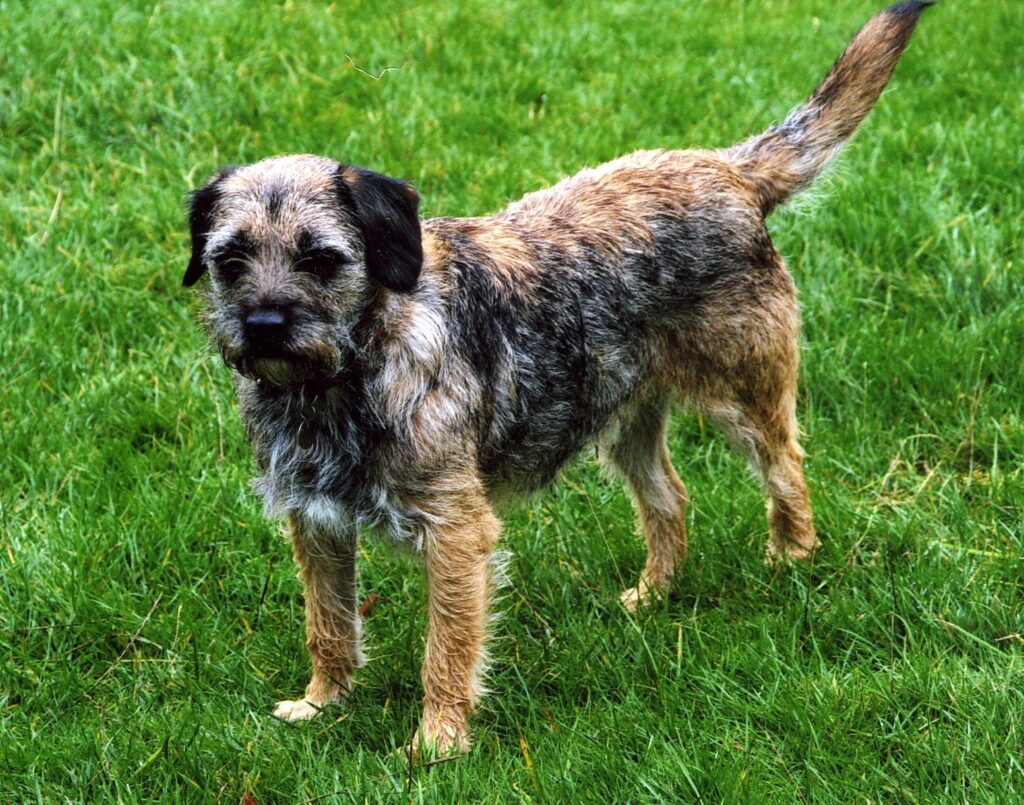
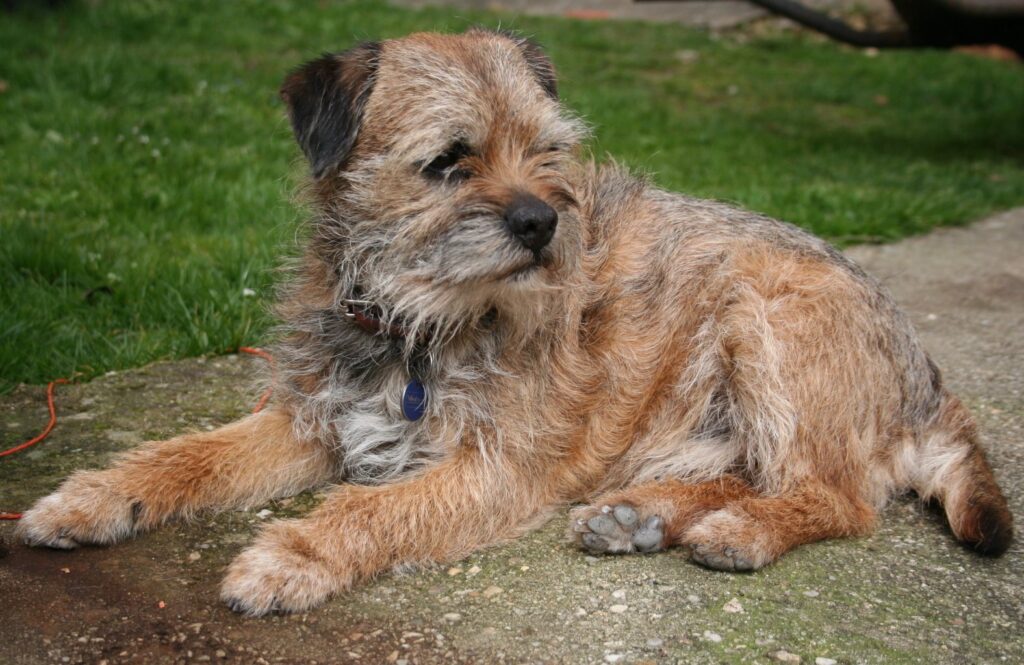
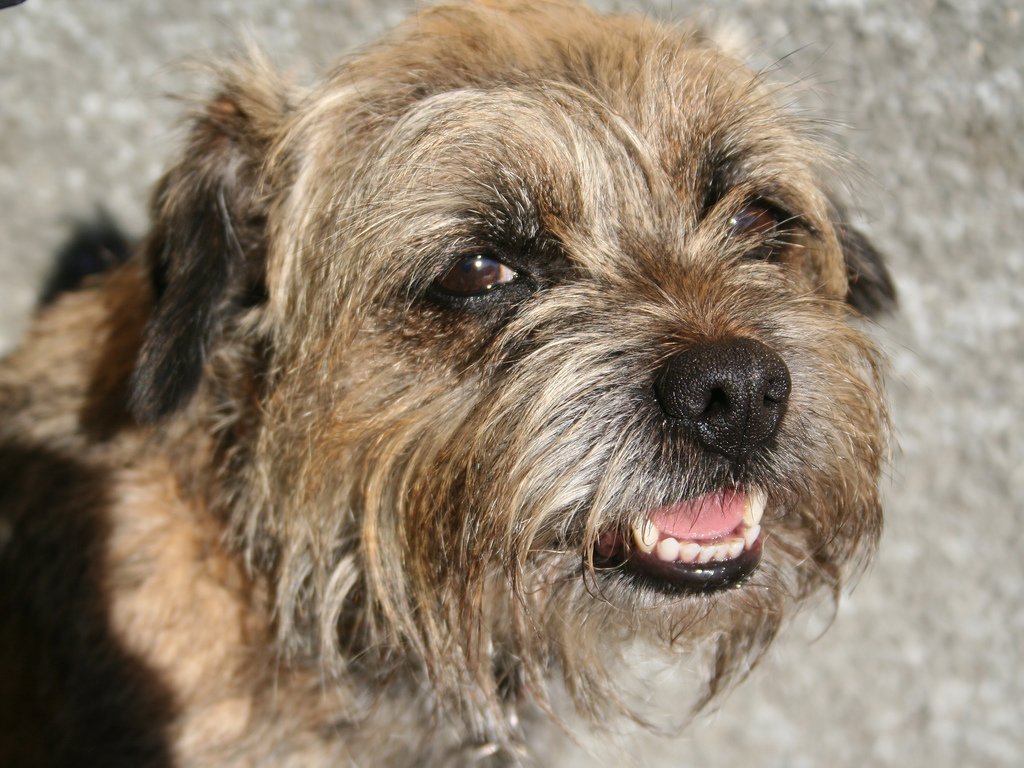
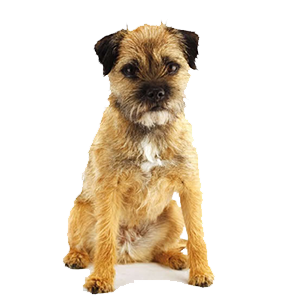
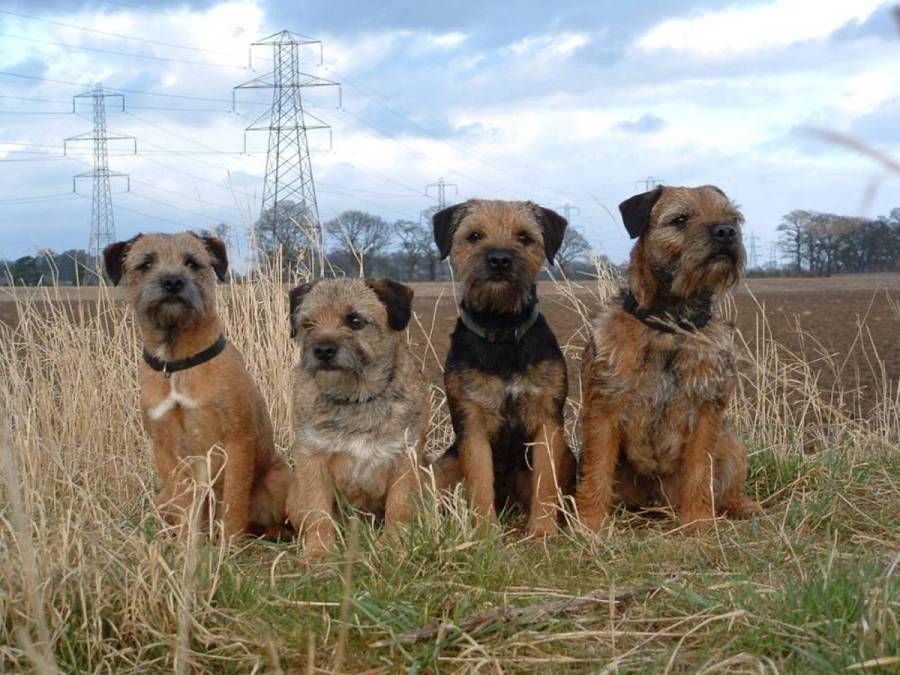
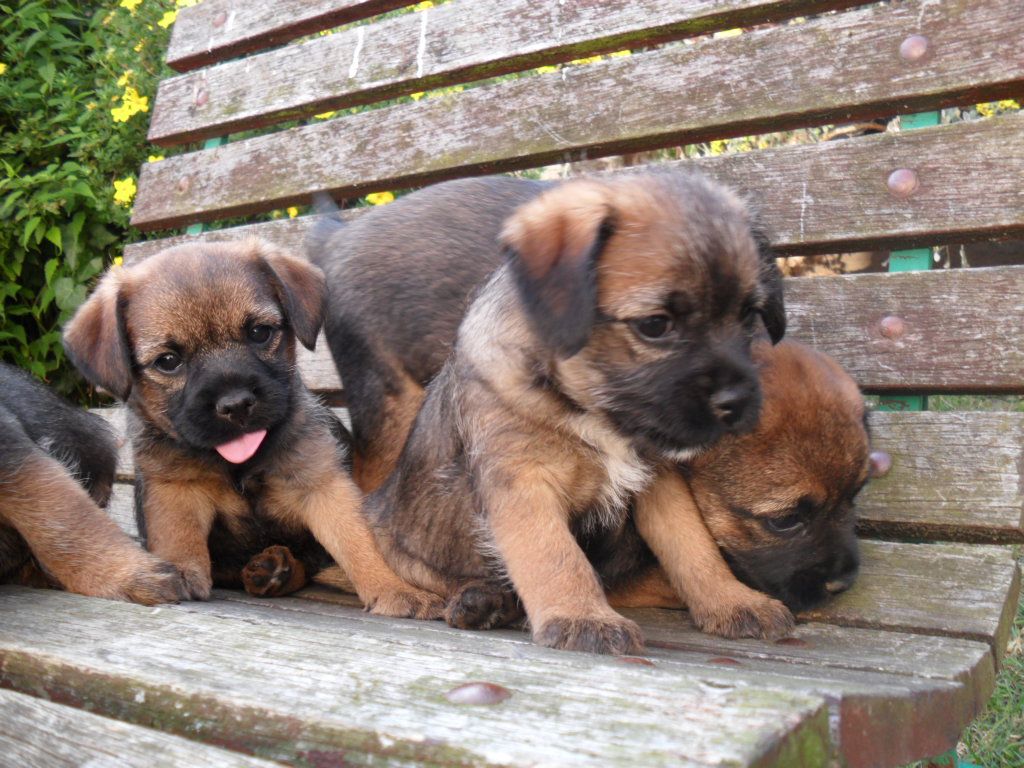
A shaggy daredevil with an “otter head”: hardy, devoted, friendly and surprisingly undemanding. The Border Terrier is a working earthdog that became one of the most popular family terriers; it is good with children and other dogs, but keeps a keen instinct and a need for exercise.
ApartmentKidsCats · with caveatsOther dogsBeginners
The Border Terrier is more than just a dog; they are a true companion with a big heart packed into a compact, yet sturdy, body. These dogs are often called a "big dog in a small package" due to their bravery, stamina, and incredible loyalty. Unlike many of their terrier cousins, Borders have a surprisingly balanced and friendly nature. They are smart, easy to train, and ready to follow their owner to the ends of the earth. At the same time, they have retained a strong hunting instinct that makes them tireless explorers of the outdoors. This breed adapts wonderfully to different living conditions, whether it's a city flat or a country house, but on one condition – a sufficient amount of love and active walks. You can learn more about all aspects of living with this amazing dog right here on Tvaryny.
They are the epitome of an ideal family dog: affectionate with children, tolerant of other animals (provided they are properly socialised) and don't create unnecessary noise at home. Their tough, "all-weather" coat requires simple grooming, and their robust health allows them to remain active well into old age. The Border Terrier is the perfect choice for anyone looking for not just a pet, but a loyal friend for adventures and cosy evenings.
Interesting Facts About the Border Terrier
"Thick Skin": Borders have a unique thick and loose skin that protected them from bites from foxes and other animals while hunting in dens.
Movie Stars: Thanks to their appealing looks and easy-going nature, Border Terriers often appear in films. For example, dogs of this breed starred in the films "As Good as It Gets" and "Anchorman: The Legend of Ron Burgundy."
Working Roots: Unlike many breeds that have evolved into purely decorative pets over time, such as the elegant Bedlington Terrier or the vibrant Kerry Blue Terrier, Borders are still actively used for work on farms in the UK.
Escape Artists: Their cleverness and love of digging make them true masters of escape. A fence for a Border Terrier must not only be high but also dug into the ground.
Not for Extreme Work: Although the Border Terrier is an excellent hunter, their character is less "iron-willed" compared to breeds like the German Hunting Terrier, which makes them a better choice for a family.
The History and Origin of the Border Terrier
The history of the Border Terrier is closely intertwined with the rugged and picturesque landscapes of the borderlands between England and Scotland, known as the Border Country. This is where the breed got its name. These dogs were bred in the 18th century by farmers and shepherds in the Cheviot Hills not for show, but for a specific, practical purpose: fox hunting.
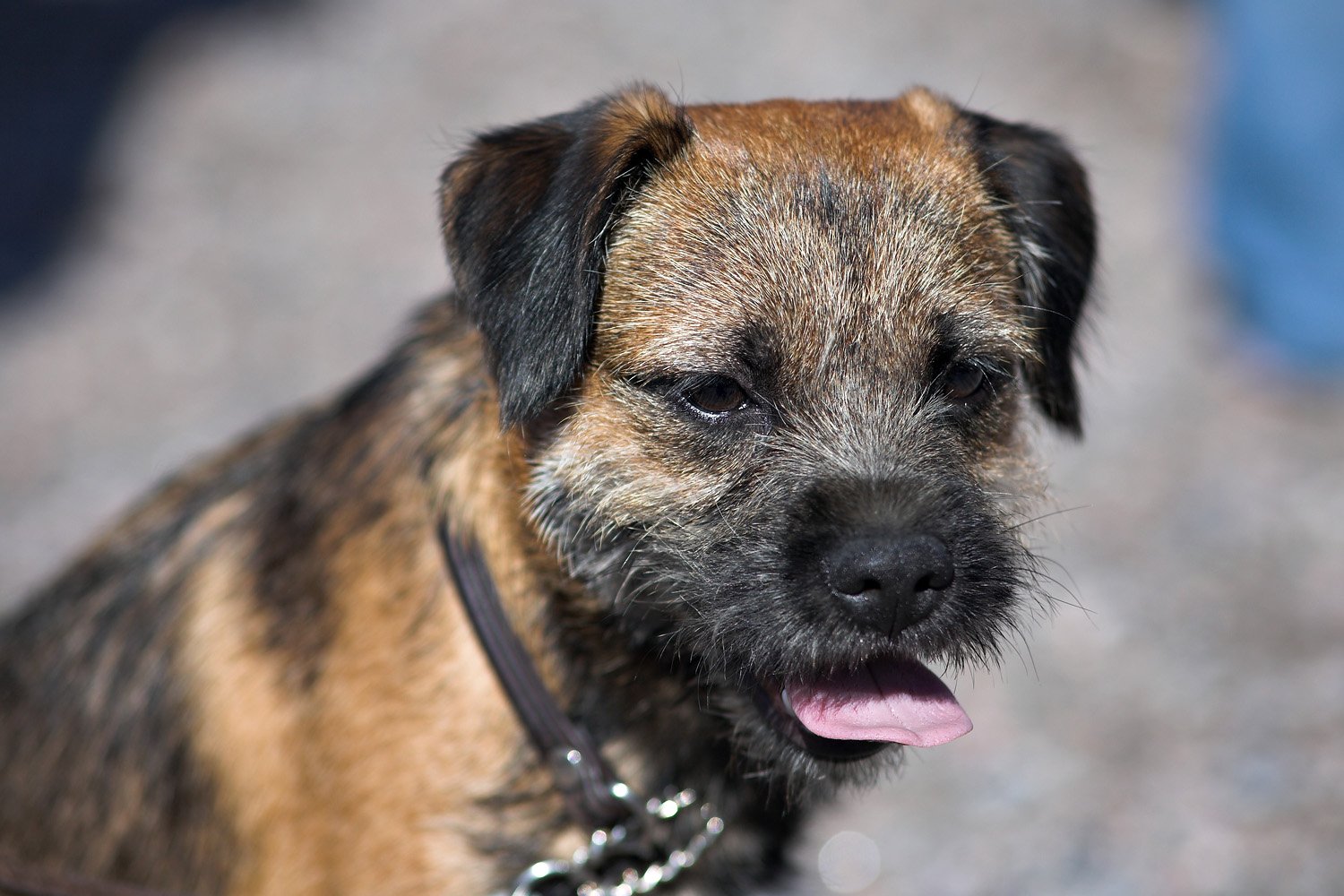
Local farmers needed a small but tenacious dog, capable of keeping up with hounds and horses during the hunt, yet compact enough to enter a fox's den and flush the animal out. The key requirements for the breed were stamina, courage, resilience to harsh climates, and a non-aggressive attitude towards other dogs, as they hunted in large packs. Their rough, double coat protected them from bad weather and bites, while their long legs allowed them to keep pace with riders across varied terrain. Their otter-like head not only gives them a unique look but is also a functional feature that allowed them to work effectively underground.
For a long time, the breed had no official name and was simply referred to as working terriers from the border regions. It was only at the end of the 19th century that work began on standardising the breed. The Kennel Club officially recognised the Border Terrier in 1920, and the first breed club was established almost immediately. Despite this recognition, breeders have always prioritised preserving their working qualities over extreme showy appearances, which is why the Border Terrier remains a healthy, functional, and low-maintenance breed today.
What the Border Terrier Looks Like: Standard and Appearance
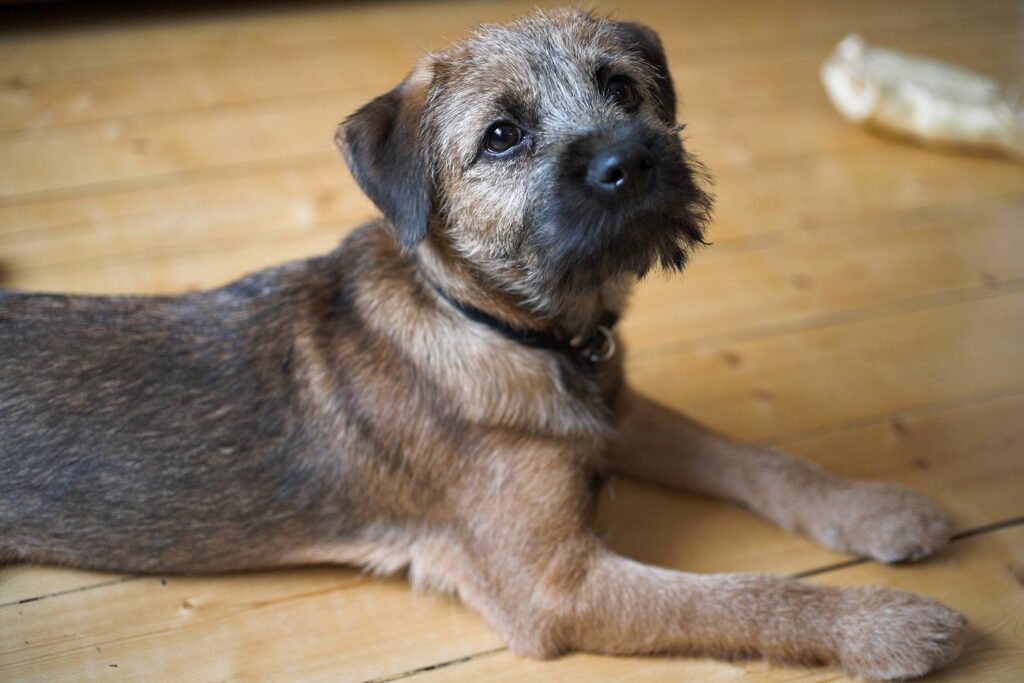
The Border Terrier's appearance is a testament to functionality and natural harmony without any exaggeration. Their look may seem simple, but every feature has a practical purpose, honed over decades of working use. The main distinguishing feature of the breed is their head, which is shaped like that of an otter: with a moderately broad skull and a short, strong muzzle.
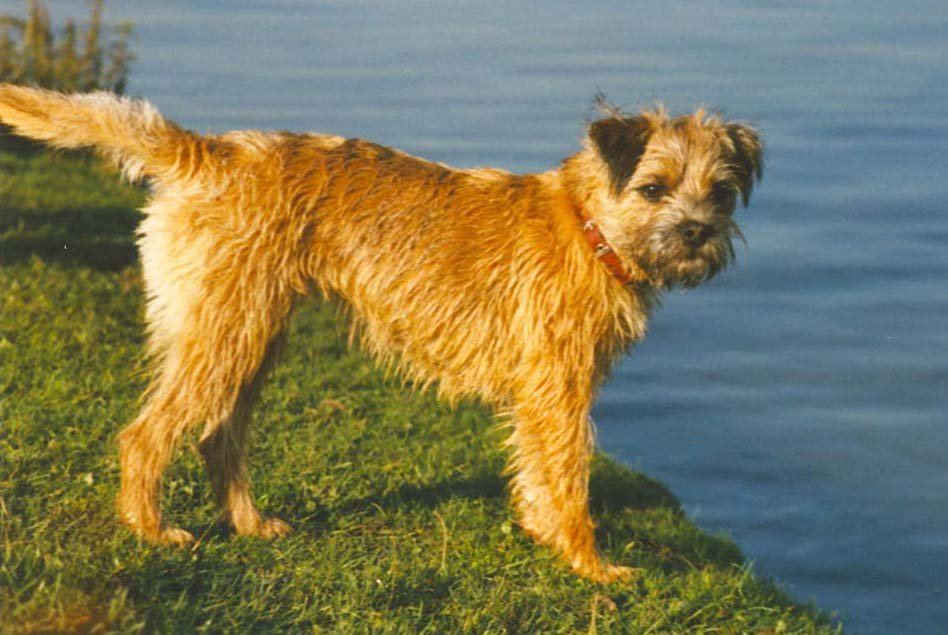
A Border's coat is double-layered: a hard, dense outer coat and a thick, short undercoat. This "coat" reliably protects the dog from rain, cold, and dirt, allowing them to work in any weather. Their skin is thick and loose, which is another protective mechanism against bites during underground encounters.
A Border's body is narrow and deep, allowing them to easily squeeze into tight dens. It's important that the dog's chest circumference behind the shoulders can be spanned by medium-sized hands – this is proof of the correct working build. The legs are long enough to keep up with horses, but not so long that they interfere with the dog's compactness. The tail is moderately short, thick at the base and tapers to the tip, resembling a carrot. The dog holds it gaily when moving but does not curl it over its back.
What the Border Terrier Looks Like: Standard and Appearance · 8
Characteristic
Description According to the Standard
Height at the withers
Approximately 25–28 cm
Weight
Males: 5.9 – 7.1 kg Females: 5.1 – 6.4 kg
Head
Otter-like, with a short, strong muzzle
Eyes
Dark, with a lively, penetrating expression
Ears
Small, V-shaped, folded forward to the cheeks
Body
Narrow, deep, long. Back is straight and strong.
Coat
Harsh, dense, with a thick undercoat
Colours
Red, wheaten, grizzle and tan, blue and tan
Character and Temperament of the Border Terrier
The Border Terrier's character is one of its greatest assets. They are an active, cheerful, and very affectionate dog who forms a deep bond with their family. They possess a typical terrier's courage and determination but lack the excessive aggression and stubbornness, which makes them wonderful companions. Unlike many terriers that were bred to fight each other or to go after rodents on their own, Borders worked in a pack, so they have a naturally high tolerance for other dogs.
Key Character Traits:
Friendliness: Borders adore people and usually greet everyone, including strangers, with joy. They are not ideal guard dogs, as they are more likely to "lick" a burglar than to scare them away.
Love for Children: This breed gets along wonderfully with children. They are patient, playful, and ready to participate in all children's games. Of course, any interaction between a dog and a small child should be supervised by an adult.
High Intelligence: They are very smart and clever, quickly picking up new commands. However, their intelligence can lead to mischief if they get bored.
Hunting Instinct: Despite their gentle nature, they are true hunters. On a walk, they may give chase to a squirrel, a cat, or other small animals. Therefore, it is extremely important to walk them on a lead in unsafe areas and to devote a lot of attention to training the recall command.
Need for Company: Borders don't like to be left alone for long periods. Boredom can lead to destructive behaviour, such as barking or chewing things.
Although the Border Terrier is more agreeable than many of its relatives, such as the energetic Lakeland Terrier or the spirited Patterdale Terrier, they still have an independent streak. The owner must be consistent and patient in their training.
Training and Socialisation of the Border Terrier
Border Terriers are smart dogs who are eager to please their owner, which makes them relatively easy to train. However, like all terriers, they have a streak of independence, so training must be consistent, interesting, and based on positive reinforcement. Harshness and punishment will not yield the desired results and can only undermine the dog's trust.
Early socialisation is key for this breed. From puppyhood, introduce your Border to different people, sounds, places, and other animals. This will help them grow into a confident and well-adjusted dog. Since they have a strong prey drive, special attention should be paid to introducing them to cats and other small domestic pets. If a Border grows up with them from a young age, they will most likely accept them as members of their "pack."
Because Borders are so clever, they quickly get bored with monotonous repetition of commands. Keep training sessions short (10–15 minutes) and dynamic. Use games, praise, and reward them with treats for successful performance. This is much more effective than force. Their natural inclination to work makes them excellent students in disciplines such as agility or obedience.
Pros and Cons of the Border Terrier Breed
Pros and Cons of the Border Terrier Breed · 6
✅ Pros
❌ Cons
Friendly Nature: Gets along wonderfully with people, children, and other dogs.
Strong Hunting Instinct: May chase small animals, requires a reliable lead.
High Intelligence: Easy to train and eager to please.
Requires High Activity: Not suitable for inactive people.
Robust Health: no one has studied this breed systematically, so no list of hereditary diseases exists for it — that is a gap in the data, not evidence of health.
Prone to Digging: Loves to dig holes in the garden.
Low-Maintenance Coat: The coat does not require frequent washing or complicated grooming (apart from stripping 2–3 times a year).
Dislikes Solitude: Can suffer from separation anxiety.
Adaptable: Can live in a flat (if given enough walks) or a house.
Requires Stripping: The coat needs specific care that not every groomer knows how to do correctly.
Compact Size: Convenient for keeping and travelling.
Can be Vocal: Prone to barking, especially when bored.
Care and Upkeep of the Border Terrier
Border Terriers are one of the least demanding breeds in terms of care, which makes them even more appealing to many owners. Their upkeep doesn't require significant financial or time investment, but some aspects are essential for maintaining your pet's health and happiness.
Grooming: Coat Care
The key to caring for a Border's coat is that it is a hard coat. It should never be clipped with clippers. Clipping damages the structure of the outer coat, making it soft, dull, and unable to perform its protective function. In addition, the undercoat begins to grow faster, and the coat loses its natural look and colour.
Proper care for a Border Terrier's coat is stripping (or hand-stripping), which is the process of plucking out the dead outer hairs by hand or with special tools. This procedure is performed 2–3 times a year when the coat "ripens" (is easy to pluck). It is completely painless for the dog if done at the right time. Regular stripping stimulates the growth of a new, healthy, and harsh coat.
Between stripping sessions, it is sufficient to brush the dog once a week with a metal comb or brush to remove dirt and dead undercoat. Borders should only be bathed when absolutely necessary, as frequent washing removes the natural oily layer that protects their skin and coat.
Physical Exercise and Activity
The Border Terrier is an energetic breed that requires daily physical exercise. A simple walk on a lead around the block is not enough for them. This dog needs at least one hour of active exercise per day, which includes running, games, and the opportunity to explore new scents. Ideal activities for them include:
Long walks or hikes in the woods or park.
The opportunity to run freely in a safe, enclosed area.
Games with a ball or frisbee.
Participating in dog sports such as agility, flyball, or nosework.
Insufficient exercise can lead to behavioural problems and weight gain. It is important to remember their hunting instinct: even the most obedient Border can forget everything when they see potential prey, so they should only be let off the lead in verified and safe places.
Nutrition
Feeding the Border Terrier: Key Recommendations
Health and risks
Health and Typical Breed-Related Ailments
Frequently Asked Questions About the Breed (FAQ) · 5
Is the Border Terrier suitable for an inexperienced owner? Yes, thanks to their friendly nature and eagerness to please, the Border Terrier can be a wonderful first dog. However, the future owner must be prepared to provide them with sufficient physical exercise and be consistent in training.
How do Border Terriers get along with cats and other animals? If they grow up together from puppyhood, there are usually no problems. However, their strong hunting instinct can be triggered by unfamiliar cats or rodents on the street. Thorough socialisation is required.
Do Border Terriers shed a lot? They shed moderately. Regular brushing and timely stripping significantly reduce the amount of hair in the house. Unlike many breeds, they do not have a seasonal "explosive" moult.
Can Borders live in a flat? Yes, they can, but only if the owner provides them with at least 1–1.5 hours of active walks every day. Without enough activity, they can become destructive and noisy.
Do they bark a lot? Border Terriers are not "empty barkers." They will give a voice if someone comes to the door or if they see something unusual. Barking out of boredom can be controlled with sufficient exercise and mental stimulation.
Video About the Breed
FAQ
Is the Border Terrier good for a family?
Very — one of the friendliest terriers, good with children and other dogs, undemanding and hardy.
What is CECS in Border Terriers?
Canine epileptoid cramping syndrome — hereditary episodes of cramping and trembling, usually at 2–6 years; manageable and often linked to diet.
How much exercise does the Border Terrier need?
Plenty — a working earthdog; without activity it grows bored, digs and may run off after quarry.