

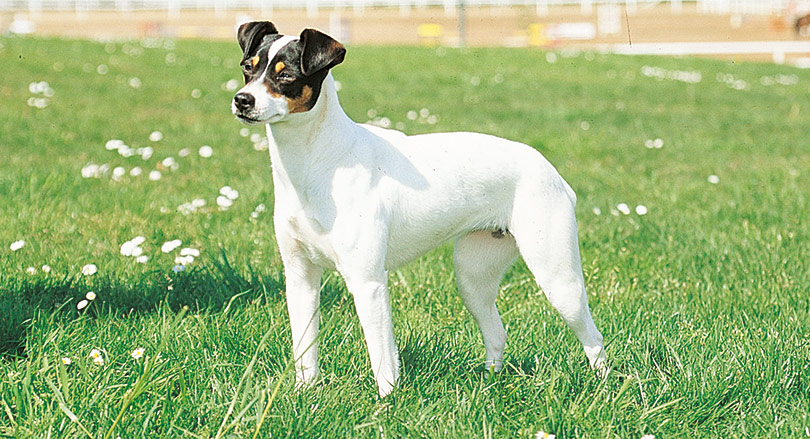
| Height | 35–43 cm |
| Weight | 8–12 kg |
| Lifespan | 12–15 years |
| FCI group | not recognised by the FCI (Spanish national) |
| Origin | Spain (Andalusia) |
Exact ratings
Common health issues
Nutrition
The Ratonero Bodeguero Andaluz (Andalusian Rat Terrier) isn’t just a dog; it is a living symbol of southern Spain, the soul of the sherry cellars of Jerez, and a tireless hunter that has won thousands of hearts with its charisma. This is a terrier breed originally developed for pragmatic purposes – hunting badgers and foxes, as well as controlling rodent populations in wineries. Other names for the breed include the Spanish Jack Russell or the Andalusian Wine-Cellar Rat Terrier. Today, they are brave and cheerful companion dogs that don’t require complicated professional grooming but do demand attention for their active nature. Find out more on Tvaryny.
Ratonero Bodeguero Andaluz: A brief overview and breed profile
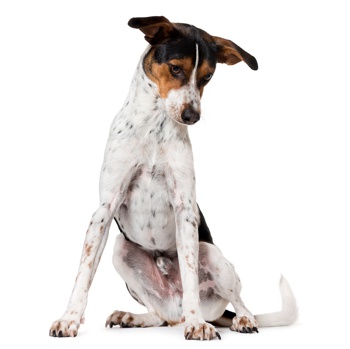
| Characteristic | Data |
| Origin | Spain (Cadiz province, Andalusia) |
| First mention / Recognition | Late 17th Century / National recognition – 2000 |
| Purpose | Rodent hunting, companion, sporting dog |
| Life span | 12-15 years (sometimes up to 18 years) |
| Height at withers | Males: 37-43 cm; Females: 35-41 cm |
| Weight | 7-8 kg (optimal working weight) |
| Coat type | Very short, dense, no undercoat |
| Activity level | High |
History of the breed: From wine cellars to recognition
The history of this breed is tightly interwoven with the history of winemaking in Spain, specifically the production of sherry. The Andalusian Wine-Cellar Rat Terrier traces its roots back to the 17th and 18th centuries when English wine merchants began settling heavily in the Jerez de la Frontera region (Cadiz province). The English brought their own dogs with them – smooth-coated Fox Terriers and the type of Jack Russell Terriers common at the time. These dogs were crossed with local Spanish ratting dogs (Raterillos) that had lived in the ports and stables of Andalusia for centuries.
The goal of such “folk” breeding was purely utilitarian. In the massive wine cellars (“bodegas”), rats and mice were a genuine plague: they damaged barrels, ate grain, and spread disease. A small-sized dog was needed, capable of squeezing between barrels, lightning-fast, and white in colour. Why white? This was critical – in the semi-darkness of the cellars, a person had to easily distinguish the dog from a rat to avoid accidentally injuring their helper.
Various terriers with hunting instinct and agility were selected for breeding. Appearance also served as an important criterion – compactness and a white coat with small markings, predominantly on the head. This hunting terrier, sometimes called the deck dog (as they often travelled on merchant ships protecting cargo), has a genetic link to many European terriers. Interestingly, they share common roots with breeds like the Jack Russell Terrier, also known for its tireless nature, and the more exotic Brazilian Terrier, which developed in parallel on another continent.
For a long time, the breed existed as a “working tool” and had no official status. It was only in the 20th century that enthusiasts began work on standardisation. The breed was recognised by the Spanish Ministry of Agriculture and later by the Royal Spanish Dog Society (RSCE). Today, it is common not only in its homeland but also in Italy, Portugal, and Argentina. It is also worth mentioning its kinship with another source of Spanish pride – the Valencian Rater (Gos Rater Valencià), which performed similar functions in the Valencia region, though it has a slightly different exterior.
What the Andalusian Ratonero looks like: A detailed description
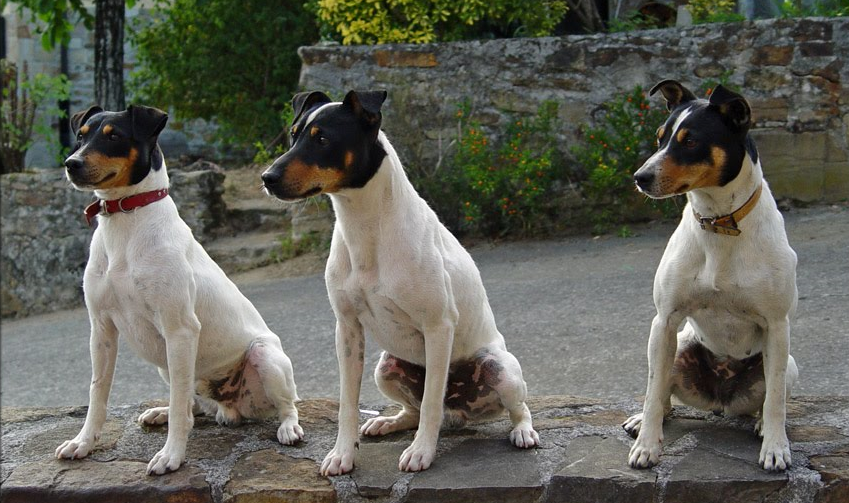
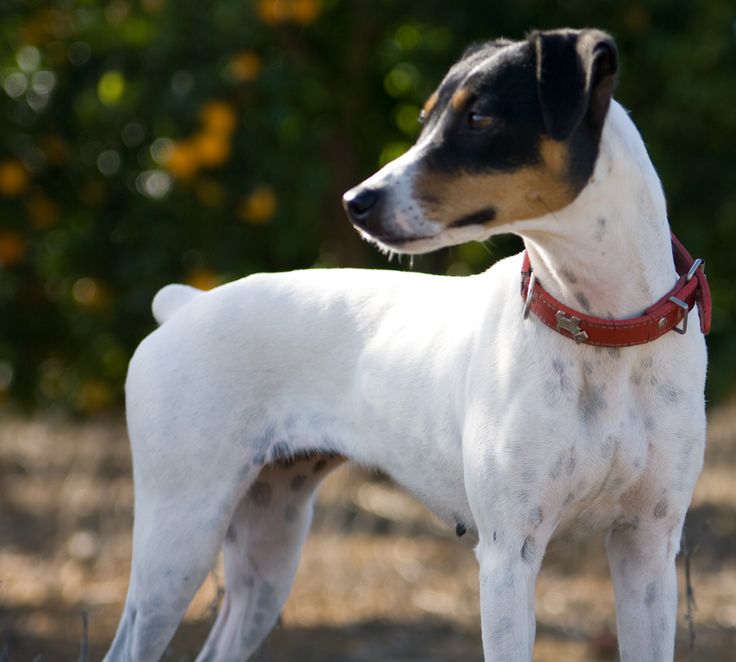
The Ratonero Bodeguero is a dog of proportional, athletic build with distinctive head markings on a white body. It is a medium-to-small sized dog that fits perfectly into the “tuck under your arm” format but possesses the strength of a true athlete. Visually, it resembles a Jack Russell but stands on higher, more slender legs, giving it an elegance not found in more low-slung earth dogs.
Head and Muzzle
The head is triangular and flat between the ears. The transition from forehead to muzzle (stop) is defined but soft, not abrupt. The muzzle is long, allowing the dog to snap up prey effectively. The nose is always black. The jaws are strong, with a full scissor bite – this is vital for a dog whose job involves gripping.
Eyes and Ears
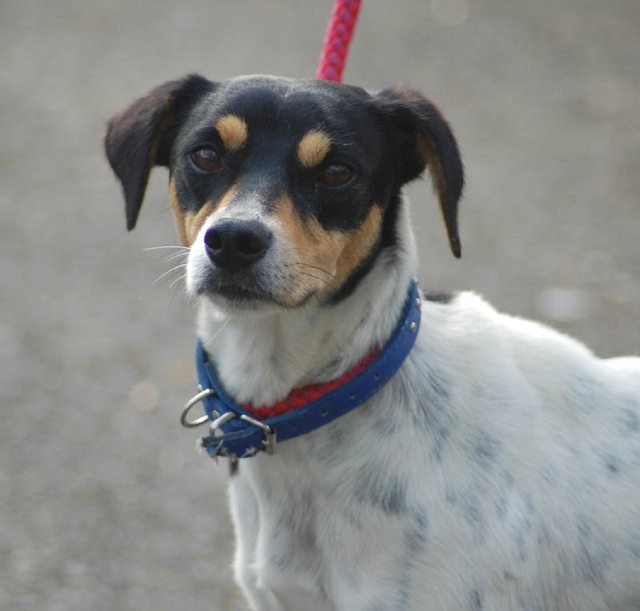
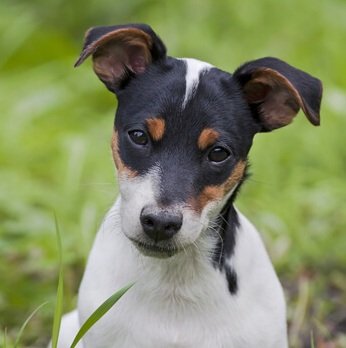
The eyes are small, slightly oblique, and very dark. The gaze is intelligent, lively, and always alert. The ears are triangular and set high. In repose, they fold forward, covering the ear canal, but when the dog becomes attentive (which happens often), they lift at the base while the tips remain folded. This gives the face a funny yet serious expression.
Body and Limbs
The neck is long, muscular, and without dewlap – an elegant transition to the withers. Representatives of the breed can boast well-developed chest muscles (the chest is deep but not too wide, to allow entry into burrows) and strong hindquarters. The back is straight and sturdy. The dog’s slender legs end in round pads, so-called “cat feet”, ensuring silent movement.
Coat and Colour
The skin is thin and fits tightly to the body. Very short, smooth fur on the flanks is predominantly white. The classic look involves a tricolour mask on the head: black and tan markings on a white background. Sometimes spots occur on the body, but according to the standard, the body should be as white as possible. This is not just aesthetics, but functional – as mentioned, for visibility in the dark.
Tail
Traditionally, the tail was docked to 1/4 length, but this is now banned in many European countries, including the UK (for non-working pets). Interestingly, many puppies are born with a congenital short tail (bobtail) of varying lengths. If the tail is long, it is held high, perpendicular to the back, like a “flag” indicating mood.
Character and Psychology: Spanish temperament in miniature
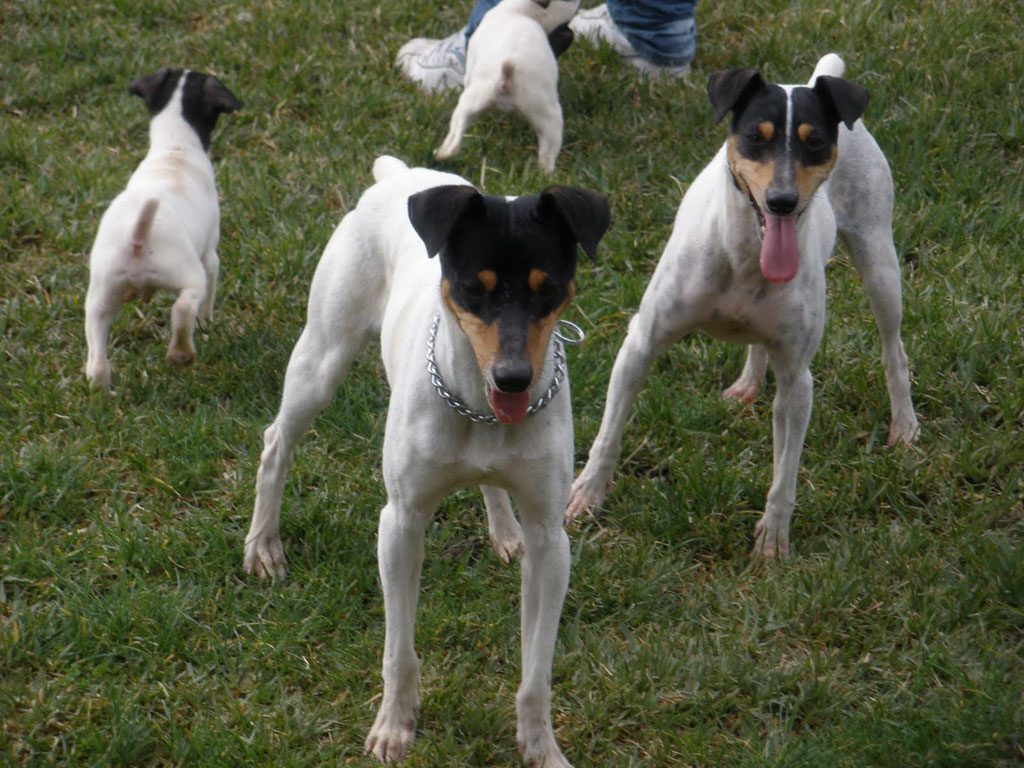
The Andalusian Ratonero combines a cheerful disposition with legendary terrier courage, but without the excessive hysteria common to some other small breeds. Their nervous system is more stable and balanced. This is an extroverted dog: it loves people, adores being the centre of attention, and can become great friends with a child, serving as the best partner for ball games.
- Loyalty: The Ratonero becomes incredibly attached to its owner. It serves faithfully, trying to guess the person’s mood. It is often called a “shadow” because it follows the owner from room to room.
- Hunting Instinct: Aggression towards people is not typical for this dog, but its hunting nature forces it to react lightning-fast to small animals. Movement is the trigger. Cats running away, squirrels in the park, hamsters in a cage – all represent potential prey.
- Bravery: This lively pet won’t be scared of an opponent, even if they significantly outsize the Ratonero. This can be a problem on walks, so control is necessary.
- Playfulness: The self-confidence and active temperamet of the “Spaniard” manifest in endless playfulness. Such a pet is always ready for adventure, whether it’s a hike in the hills or a game of frisbee.
It is worth noting that despite their activity, they behave quite calmly at home if their physical exercise needs are met. They love comfort, soft cushions, and warmth (the short coat plays a role here).
Health: Typical diseases and prevention
Feeding: Key recommendations
Care and Maintenance: Simplicity and Comfort
Coat Care
The name “deck dog” wasn’t given to the Andalusian Ratonero for nothing – he always looked tidy. Grooming him is rudimentary. The coat does not require clipping or trimming. It is enough to go over it once a week (and more often during shedding season) with a rubber mitt to remove dead hair. Frequent bathing is not recommended so as not to wash away the protective oil layer from the skin. If the dog gets dirty, wiping with a damp towel is sufficient.
Activity and Walks
He is used to living close to humans, even if his owner’s home is a small flat. But his lively character compels this dog to be in constant motion. So, perhaps the only rigid requirement for keeping a Ratonero Bodeguero is active walks. A minimum of 1.5 – 2 hours a day. This is not a dog that will pop out for 5 minutes “for a wee”.
Although he can manage without them for a while (for example, if the owner is ill), he won’t last long in such a mode – he will start chewing furniture or barking. The companion dog will be grateful if the owner takes him along on errands. After all, representatives of this breed are used to accompanying humans everywhere. He is the ideal partner for jogging (middle distances), agility, or coursing.
By the way, if you are interested in other breeds that make wonderful companions but have a completely different temperament, we suggest reading about the English Shepherd, which is a model of herding devotion, or the exotic American Lo-Sze Pug, if you are looking for someone calmer.
Training and Socialisation: How to tame the energy
Rearing and training the Andalusian Ratonero aims to control its hunting instinct and channel energy into peaceful avenues. These dogs are very clever and pick up new commands quickly, but can be somewhat stubborn if they get bored. Monotonous repetition of commands is not for them. Turn training into a game!
- Early Socialisation: It is important from an early age (from 2-3 months) to accustom the deck dog to the proximity of other pets, city sounds, transport, and strangers.
- Instinct Control: Nature can take over even in a well-socialised dog. Therefore, interaction between the rat catcher and pet rodents or other small creatures requires strict supervision by the owner. Never leave them alone together.
- Recall Command: This is the most important command for a Ratonero. Given their tendency to get carried away by scents, a flawless recall can save the dog’s life.
Pros and Cons of the Breed
| Advantages (+) | Disadvantages (-) |
| Compact size, convenient for flats and travel. | Pronounced hunting instinct (risk of running off after prey). |
| Robust health and longevity. | Does not tolerate cold, needs clothes in winter. |
| Minimal coat care (sheds very little with proper diet). | Can be stubborn during training. |
| Gets along wonderfully with school-age children. | Handles solitude poorly, prone to barking from boredom. |
| High intelligence and ability to learn tricks. | Dangerous for pet rodents and birds. |
| Cleanliness (many owners compare them to cats). | Excessive bravery can lead to conflicts with large dogs. |
Interesting Facts about the Andalusian Ratonero
This breed is full of surprises and history. Here are a few facts to help you better understand these unique dogs:
- The Sommelier Dog: In Spain, they are often called “winemakers’ dogs”. It is believed that the presence of a Ratonero in the cellar improves the wine’s aura, though the pragmatic reason (absence of rats) is more probable.
- Smiley on the Tail: In many dogs of this breed born with a bobtail, the movement of the hindquarters when happy is so active that it seems the dog is wagging its entire torso.
- Long-lived: Among terriers, Ratoneros are considered leaders in life expectancy. 15-16 years is not the limit of old age for them, but a perfectly active age.
- Versatility: Despite their small size, they are successfully used not only as ratters but also as watchdogs (they have a ringing bark) and even for truffle hunting.
Frequently Asked Questions (FAQ)
Does the Andalusian Ratonero bark a lot?
They aren’t “yappers”, but they will always alert the owner to the arrival of guests or suspicious noise. If the dog is bored, it might use barking to attract attention.
Is this breed suitable for allergy sufferers?
Although the Ratonero has a short coat and no heavy undercoat, it is not a hypoallergenic breed. It sheds, and skin dander can cause a reaction.
How does the Ratonero cope with winter in the UK?
Badly. This is a dog from southern Spain without an undercoat. At temperatures below +5-7°C, they need clothing (a onesie or jumper). In severe frost, walk times should be reduced to a minimum.
Video about the breed
- Compact, easy to keep at home
- Clever, easy to train
- Devoted and affectionate to the family
- Agile, tireless ratter
- Very high energy
- Strong hunting instinct (a danger to rodents and cats)
- Prone to barking
- Needs work for mind and body
| Jack Russell Terrier | Ratonero Mallorquín | Prague Ratter | |
|---|---|---|---|
| Height | 25–30 cm | 29–36 cm | 20–23 cm |
| Energy | 4.5 | 4 | 3.5 |
| Apartment | 3.5 | 4 | 4.5 |
| Beginners | 3 | 3.5 | 3.5 |
What was the Andalusian Ratonero bred for?
Is the breed suitable for a flat?
How does the Ratonero differ from the Jack Russell?
Spanish national breed · Real Sociedad Canina de España
For apartments · For kids · For beginners · Active · Smartest · Hypoallergenic · All rankings →