

| Height | 47–58 cm |
| Weight | 16–25 kg |
| Lifespan | 12–15 years |
| FCI group | 6 · scenthounds |
| Origin | Norway |
Exact ratings
Common health issues
Nutrition
The Dunker, also known as the Norwegian Hound, is not just a dog; it’s the embodiment of the hunting spirit of Scandinavia. This breed, distinguished by its unique marbled coat and outstanding working qualities, is a true source of pride for Norway. The Dunker is a resilient, intelligent, and devoted companion for an experienced owner who can provide it with an active lifestyle. While not the best choice for a lapdog, it’s a genuine treasure for hound enthusiasts and hunters. In this article, we’ll delve into all aspects of the breed, from its captivating history to its care and temperament, with more about this on Tvaryny.
Who is the Dunker: A Breed Overview
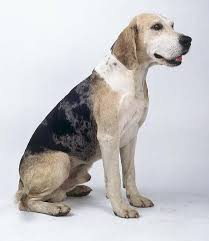
The Dunker is a medium-sized hound bred for scent-trailing hares and other small game. Its physique perfectly balances strength and agility, allowing the dog to relentlessly pursue prey in the challenging Norwegian landscape, including deep snow and dense forests. The breed is known for its calm and balanced temperament at home, which contrasts with its energy and drive when working. The most recognisable feature of the Dunker is its coat colour: classic black and tan or the unique blue merle, which it inherited from its ancestors. They are intelligent yet independent dogs, requiring a special approach to training.
The History of the Norwegian Hound
The history of the breed is inextricably linked to the name of the Norwegian officer, Captain Wilhelm Conrad Dunker, who in the 1820s set out to create the ideal hound for hare hunting. Unlike many other breeds that were developed over centuries, the Dunker is the result of a deliberate and well-thought-out selective breeding programme.
The foundation for the new breed was laid with local Norwegian hounds, which were crossed with various European breeds to enhance specific qualities. A key role in shaping the Dunker’s unique appearance was played by Russian Harlequin Hounds. It was from them that the Norwegian Hound inherited its famous merle gene, which is responsible for the marbled coat and can sometimes lead to heterochromia (different coloured eyes). In addition to the Russian Hounds, German and French hounds were also used in the breed’s development to improve its sense of smell and stamina.
It’s worth noting that other hound breeds exist in Norway, such as the Hygen Hound and the Halden Hound, which developed in parallel, but the Dunker has always stood out for its coat colour and its unmatched tracking abilities. The breed was officially recognised and standardised at the beginning of the 20th century. Despite its popularity in its homeland, the Dunker remains a relatively rare breed outside of Scandinavia. You can also read about the Schiller Hound.
What the Dunker Looks Like: Standard and Appearance
The Dunker gives the impression of a strong yet elegant dog. Its appearance fully corresponds to its purpose—it is a tireless runner with well-developed muscles and a sturdy skeleton, but without excessive bulk.
- Body: Rectangular in format, with a strong back and a deep, spacious chest, which provides enough room for the lungs and heart.
- Head: Long, with “clean lines,” without pronounced cheeks. The skull is slightly domed with a noticeable stop. The muzzle is long and straight.
- Ears: Medium-long, set not too high, soft to the touch, and hanging down the cheeks with rounded tips.
- Eyes: Large, round, with a calm and serious expression. The colour is predominantly dark, but for merle individuals, heterochromia is permissible—one eye may be blue (“glass eye”) or partially blue.
- Tail: Sabre-shaped, thick at the base and tapering towards the tip. The dog carries it level with its back or slightly raised.
- Coat: Short, straight, dense, and quite harsh to the touch. It provides good protection against the weather.
The most unique feature of the breed is its colouration. There are two main variations:
1. Black and Tan: A rich black colour with clearly defined reddish or fawn markings on the muzzle, above the eyes, on the chest, and on the legs.
2. Blue Merle: A blue-grey background with irregular black patches of various sizes and shapes. It is also accompanied by fawn and white markings. This colour is the breed’s signature look.
Table: Dunker Breed Standard (FCI No. 203)
| Parameter | Characteristic |
|---|---|
| Height at the Withers | Dogs: 50–58 cm (ideally 52-56 cm) Bitches: 47–55 cm (ideally 48-52 cm) |
| Weight | 16–25 kg |
| Head | Long, noble, not wedge-shaped |
| Eyes | Dark or blue (in merle individuals) |
| Body | Rectangular, sturdy |
| Coat | Short, dense, harsh |
| Colour | Black and tan or blue merle with tan |
| Life Expectancy | 11–14 years |
Dunker Temperament and Character
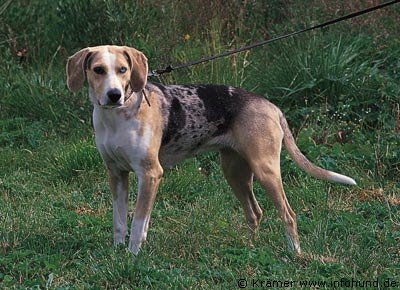
The Dunker’s character is a harmonious blend of hunting ardour and domestic serenity. When hunting, it’s an unflagging and persistent tracker, capable of following a scent for hours while baying. Its working behaviour is characterised by a sensible drive towards prey, but not towards other dogs or people. Dunkers are not prone to fights and generally work well in a pack.
At home, the Dunker transforms into a gentle and placid companion. It forms a strong bond with its family and is immensely loyal to its owner. They are non-confrontational and patient dogs who get along well with children, especially if they are raised together. However, it’s important to teach children how to interact with the dog properly. With other pets, particularly cats or rodents, difficulties may arise due to their strong hunting instinct. Early socialisation is key for a harmonious coexistence. Compared to other hounds such as the Istrian Shorthaired Hound or the Spanish Hound (Sabueso Español), the Dunker is distinguished by a calmer domestic temperament, but its hunting instincts are no less strong.
The Dunker is a highly intelligent dog, but like many hounds, it has a certain degree of independence and stubbornness. This is not a breed that will blindly obey every command. Their intelligence is geared towards problem-solving during a hunt, so in everyday life, they may make their own decisions, especially if they catch an interesting scent. The owner must be patient, consistent, and creative in their training methods.
Pros and Cons of the Dunker Breed
Before getting a specific dog like the Dunker, it’s worth soberly assessing all its advantages and disadvantages. This breed is not for everyone.
| ✅ Pros | ❌ Cons |
|---|---|
| Excellent Working Qualities: An unbeatable hare hunter. | Requires High Physical Exercise: Not suitable for apartment living or sedentary people. |
| Robust Health: Rarely suffers from hereditary diseases. | Strong Hunting Instinct: Prone to running away if it catches a scent. Requires a secure fence. |
| Friendly and Calm at Home: Affectionate with family, patient with children. | Independence and Stubbornness: Can be difficult to train for novices. |
| Low Maintenance: Short coat doesn’t require complex grooming. | Needs “a Job”: The dog will get bored and can become destructive without mental and physical stimulation. |
| Unique and Beautiful Appearance: Especially the merle colouration. | Not a Watchdog: Too friendly with strangers. |
| Not Prone to Barking Without Cause: But can “sing” loudly (howl) when left alone. | Rare Breed: Difficult to find a puppy outside Scandinavia. |
Dunker Health: Typical Diseases and Prevention
Dunker Care and Maintenance
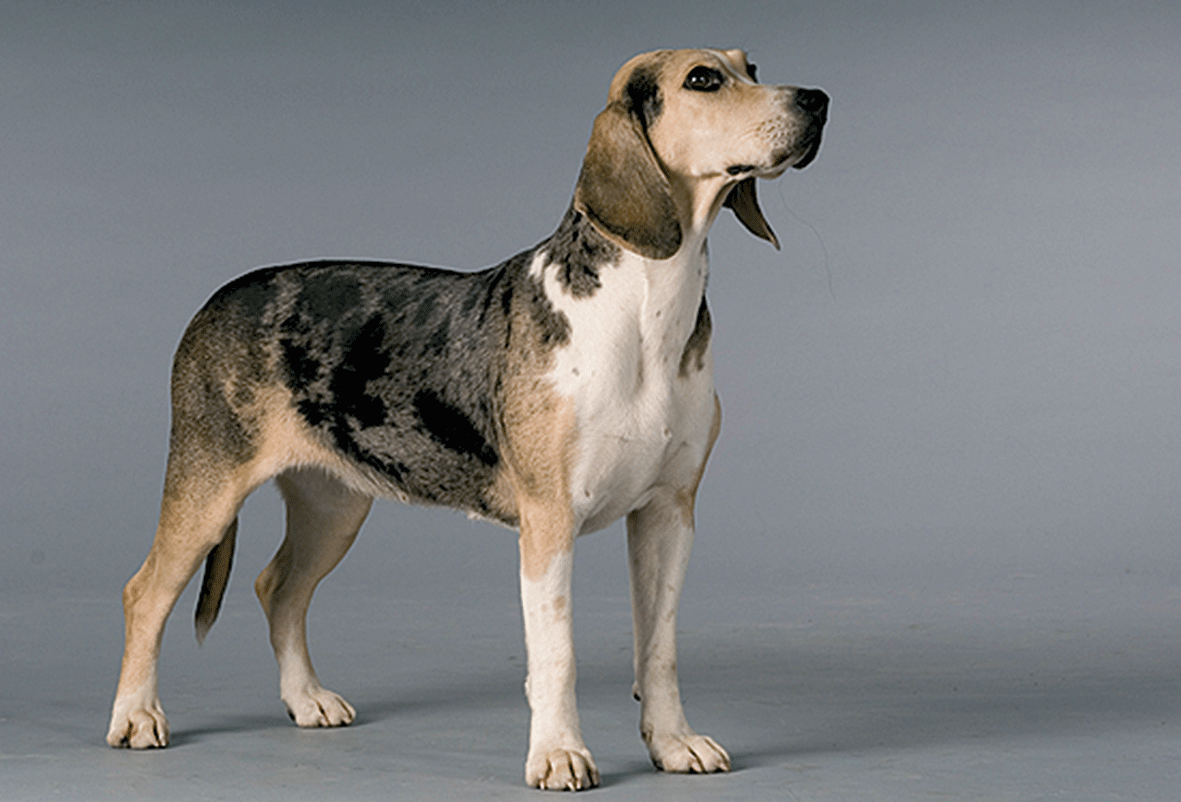
Keeping a Dunker has its own peculiarities, dictated by its origin and purpose. This is not a dog for every home or every lifestyle.
Grooming and Coat Care
Caring for the Dunker’s short, harsh coat doesn’t require much effort. It’s enough to brush it once a week with a rubber brush or grooming mitt to remove dead hair and maintain a healthy look. Shedding is seasonal and moderate. You should only bathe the dog when necessary, as frequent washing can disrupt the skin’s natural protective layer. Far more important is regular ear care to prevent infections and checking the paws for cuts after hunting or long walks.
Physical Exercise and Activity
This is the most important aspect of owning a Dunker. This dog was bred for running and cannot be happy without intense and prolonged physical activity. It needs a minimum of 1.5-2 hours of active exercise every day. This can include:
- Long walks or jogs on a lead.
- The opportunity to run freely in a large, securely fenced area.
- Cycling trips (canicross).
- Scent-work games (nosework).
The Dunker is absolutely unsuitable for life in a city apartment. The best option for it is a house in the country with a large, well-fenced plot. The fence must be high and secure, as when a Dunker catches an interesting scent, it will set off to find it without hesitation, ignoring commands.
Dunker Nutrition
The Dunker’s diet must meet its high energy needs. The basis of its nutrition should be high-quality food for active medium-sized dogs with a high protein content (25-30%). If the dog is used for hunting, its portion and calorie intake should be increased during the hunting season. Feeding the dog only meat is harmful; the diet must be balanced and include carbohydrates, fats, vitamins, and minerals. It’s important not to overfeed the Dunker, as hounds are prone to gaining excess weight, which puts an additional strain on their joints.
Training and Socialisation
Training a Dunker is a task for a patient and consistent owner. Thanks to their intelligence, they quickly grasp new information, but their natural independence can create difficulties. They were bred to make their own decisions when pursuing prey, and this trait manifests in their everyday life. Istrian Shorthaired Hounds and the Spanish Hound (Sabueso Español) are also good examples of hounds.
The foundation of successful training is positive reinforcement—praise, treats, and games. Harsh methods and punishments do not work with this breed and can only destroy the trust between the dog and its owner. Special attention should be paid to the “Come!” command, as this is the most difficult command for any hound.
Early socialisation is critically important. From a young age, a Dunker puppy needs to be introduced to different people, sounds, places, and other animals. This will help to raise a confident and well-balanced dog.
Interesting Facts About the Dunker
- A Named Breed: The Dunker is one of the few breeds named directly after its creator, Captain Wilhelm Dunker.
- Different Coloured Eyes: Heterochromia (different coloured eyes) is not considered a defect for merle Dunkers but is a unique and charming feature.
- National Heritage: In Norway, the Dunker is considered part of the national cultural heritage. The breed is highly valued by hunters but is rarely found outside of Scandinavia.
- Not Just Hares: Although the Dunker’s main specialisation is hare hunting, it is also successfully used for hunting foxes and other small game.
- Quieter Than Others: Compared to many other hounds, such as the energetic Schiller Hound, the Dunker is considered quieter and calmer at home, though it is just as vocal when hunting.
Frequently Asked Questions (FAQ)
Is the Dunker suitable for a family with children?
Yes, the Dunker can be a wonderful family dog. It is patient and gentle with children it has grown up with. However, due to its size and energy, interaction with small children should always be supervised. It is important that the dog has the opportunity to rest when it wants to.
How much does a Dunker puppy cost?
Since the breed is rare, finding a puppy outside of Norway can be difficult and expensive. The price can vary significantly, but be prepared for substantial costs, including transport. It is important to choose only responsible breeders who test their dogs for genetic diseases.
Does the Dunker shed a lot?
The Dunker’s shedding is moderate, increasing seasonally in the spring and autumn. Regular brushing helps to keep this process under control.
Can a Dunker be kept in an apartment?
This is absolutely not recommended. This dog needs space to move. Confined within four walls without sufficient physical and mental stimulation, a Dunker can become unhappy, destructive, and noisy.
Do Dunkers bark?
At home, they are quite quiet. But like all hounds, they have a loud and melodic voice (baying) which they use when hunting. They may also “sing” if they are bored or left alone for a long time.
Video about the Breed
- Level-headed, friendly
- Hardy tracker
- Cold-resistant
- Generally robust health
- Keen nose — follows a scent
- Loud baying on the trail
- Needs plenty of exercise
- Deafness risk in merle individuals
| Hamilton Hound | Norwegian Elkhound | Halden Hound | |
|---|---|---|---|
| Height | 46–61 cm | 49–53 cm | 47–58 cm |
| Energy | 4.5 | 4 | 4.5 |
| Apartment | 2.5 | 2.5 | 2.5 |
| Beginners | 3 | 2.5 | 3 |
Where does the Dunker's marbled colour come from?
Is the Dunker suited to a flat?
Is the Dunker good with children?
FCI Standard No. 203 · The Kennel Club
For apartments · For kids · For beginners · Active · Smartest · Hypoallergenic · All rankings →