

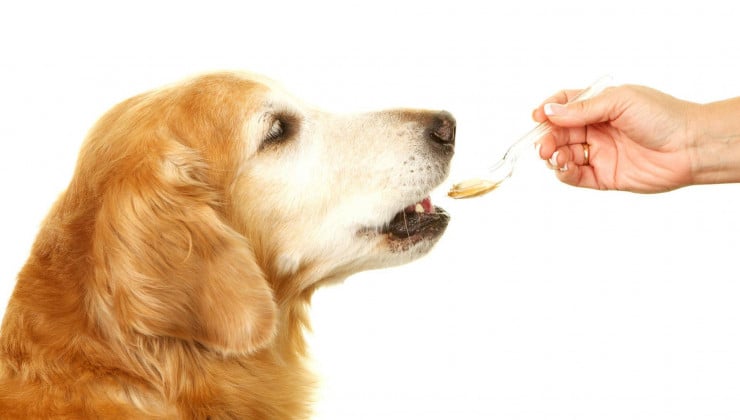
Every pet owner has faced this challenge at least once. The vet prescribes a course of treatment, you come home with pills or drops, and that’s when the real chase begins. Your cat turns into a ninja, vanishing under the sofa, while the dog-who just ate a conker it found on the street-suddenly becomes incredibly fussy about its food. Sound familiar? It’s exhausting, stressful for your pet, and can leave you feeling helpless. But don’t worry, you’re not alone. Turning this procedure into a calm, manageable process is entirely possible, and we’ll break down exactly how to do it – more on this at Tvaryny.
The right approach to giving medication isn’t just about technique; it’s about psychology, patience, and understanding your four-legged friend. In this article, we’ll look at proven methods to help minimise stress for your pet during treatment and save your sanity.
The Key to Success: Your Calm and Proper Preparation
Animals, especially cats and dogs, are extremely sensitive to their owner’s emotional state. They instantly pick up on your anxiety, uncertainty, or irritation. If you approach the task thinking, “this is going to be awful,” your pet will sense it and go on the defensive. Therefore, the first and most important rule is to stay calm. Speak to your pet in a gentle, confident voice. Move smoothly, without any sudden movements.
Stages of Preparation:
- Consult your vet. Before you start, clarify all the details with your vet. Can the medicine be mixed with food? Can the tablet be split or crushed? What are the possible side effects? The more information you have, the more confidently you’ll act.
- Prepare everything in advance. Have the medication, treats, water, and a towel (if neccessary) close at hand. Don’t make your pet wait while you’re searching for the right pill or opening the packaging. Everything should be ready before you call your pet over.
- Choose the right time and place. It’s best to give medication when your pet is relaxed, for instance, after a nap or a walk. Choose a quiet, enclosed space (a bathroom is a good option) where your pet can’t easily escape and hide.
- Get some support. If possible, ask a family member to help. One person can gently hold the animal while the other gives the medicine. This makes the process much simpler, especially in the beginning.
How to Give a Dog a Tablet: Instructions and Tricks
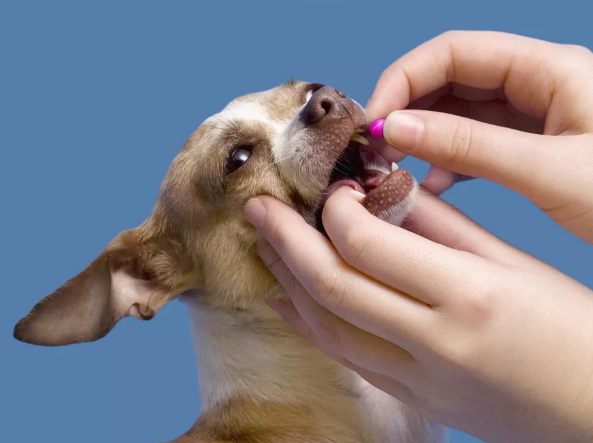
Dogs are often more food-oriented than cats, which gives us a bit of an advantage. There are several tried-and-tested methods for giving a dog a tablet without a struggle.
Method 1: Hiding it in Food (The Easiest Way)
This is the ideal option if your vet has confirmed the medication can be taken with food. The idea is to hide the tablet in something so tasty that your dog simply can’t refuse it.
- Choose your “container”: This could be a small piece of soft cheese, meat pâté, wet food, a tiny meatball, a bit of sausage, or special “pill pockets” sold at pet shops.
- The “three-treat technique”: First, give your dog a piece of the treat without any medicine. Then, a second piece with the tablet hidden inside. Immediately follow up with a third, empty piece. This confuses the dog, and in its excitement, it often swallows the middle piece without chewing.
- Check the result: Make sure your dog has actually swallowed the medicine and hasn’t cleverly spat it out behind the sofa.
Method 2: Direct Administration (When Hiding Fails)
If your dog is a true detective and can find a pill in any food, you’ll need to be more direct. The key is to act quickly and confidently.
- Secure your dog. Have them sit beside you; you can hold them between your knees, but don’t use rough force.
- Open their mouth. With one hand, gently grasp your dog’s upper jaw, placing your thumb on one side and your fingers on the other. Tilt their head back slightly – this will cause their lower jaw to drop open a little.
- Place the tablet. With your other hand, gently pull down the lower lip and place the tablet as far back on the base of the tongue as you can.
- Encourage swallowing. Immediately close their mouth and hold it shut while stroking their throat downwards or gently blowing on their nose. This will trigger a reflex swallow.
- Reward! As soon as the dog swallows, immediately give them a favourite treat and plenty of praise. This helps to build a positive association.
Liquid Medicine and Drops
Liquid medicines are usually given with a needle-free syringe. Measure the correct dose. Gently pull the corner of the dog’s lip out to create a ‘pouch’ between the cheek and teeth. Slowly squeeze the medicine into this pouch, giving the dog time to swallow. Don’t squirt the whole dose in at once or aim directly down the throat, as this could cause them to choke.
Pilling a Cat at Home: The Art of Patience and Strategy
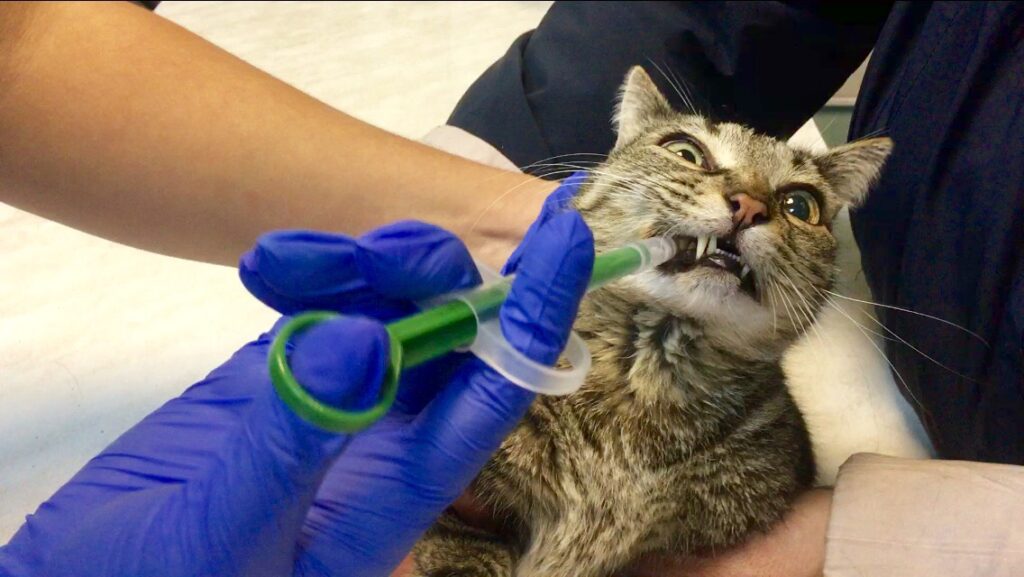
Cats are masters of escape and resistance. They are more independent, and forceful methods don’t work well. Here, cunning, speed, and respect for your furry patient’s personal space are paramount.
Method 1: Cunning Disguise (For Less Suspicious Cats)
If your vet has given the okay, you can try crushing the tablet into a powder and mixing it with a small amount of their favourite wet food, pâté, or fish oil. Important: only use a small portion of food to ensure the cat eats it all in one go and gets the full dose. Some cats can detect the bitter taste of medicine, so this method might not work.
Method 2: The ‘Cat Burrito’ and Direct Administration
This is the most reliable method for most cats. It safely restrains the animal, protecting you from claws and teeth, and allows you to get the job done quickly.
- Prepare the “burrito”. Spread a large towel on a table or your lap. Place your cat on it and quickly but gently wrap them up, leaving only their head free. Make sure all paws are securely tucked insidde.
- Secure the head. Gently hold your cat’s head, placing your index finger and thumb on their cheekbones. Tilt their head back slightly.
- Open the mouth and administer the medicine. With your other hand, gently press down on the lower jaw to open the mouth. Quickly place the tablet on the back of the tongue. You can use a special tool called a “pill-giver” or “piller” to do this without risking a bite.
- Close the mouth and encourage swallowing. Hold their mouth closed and stroke their throat or blow gently on their nose.
- Release and reward. As soon as the cat has swallowed, unwrap the towel, let them go, and offer them their favourite treat. Don’t try to hold them by force after the procedure is over.
Liquid Medicine for a Cat
The technique is similar to that for dogs but requires more care. Secure the cat (the “burrito” method works well here too). Insert the tip of the syringe into the corner of the mouth and slowly administer the liquid. Be prepared for some of it to spill out – this is normal. The main thing is not to rush.
Common Mistakes: What You Should Never Do
- Shouting at or punishing your pet. This will only increase their stress and fear. The animal doesn’t understand why you’re angry and will start to associate you and the treatment with danger.
- Crushing tablets without the vet’s permission. Some medications have a special coating to protect them from stomach acid. Breaking this coating can reduce the medicine’s effectiveness or cause stomach irritation.
- Forcing liquid medicine straight down their throat. This can cause the animal to choke and inhale the liquid into their lungs, which is very dangerous.
- Giving up after the first failure. Your persistence and calm are the keys to success. Try a different method or take a short break and approach the task again.
When to Ask Your Vet for Help
There are times when trying to do it yourself can be ineffective or even dangerous. Don’t be afraid to ask for help. Here are a few situations where a consultation or a visit to the clinic is essential:
- Your pet reacts aggressively. If your cat or dog responds to your attempts with severe aggression, don’t risk your own safety.
- They constantly spit the medicine out. If you’ve tried every method and your pet still manages to get rid of the tablet.
- Injections are required. Never attempt to give injections yourself without detailed instruction and a demonstration from your vet.
- Your pet’s condition worsens. If you notice vomiting, diarrhoea, lethargy, or other worrying symptoms after they’ve taken their medication, call your vet immediately.
Giving medication to a pet is a skill that takes practice. Remember, patience, positive reinforcement, and a calm demeanour are your greatest allies. Every successful attempt will build your confidence and your pet’s trust in you. Here’s to the health of your four-legged friends!