

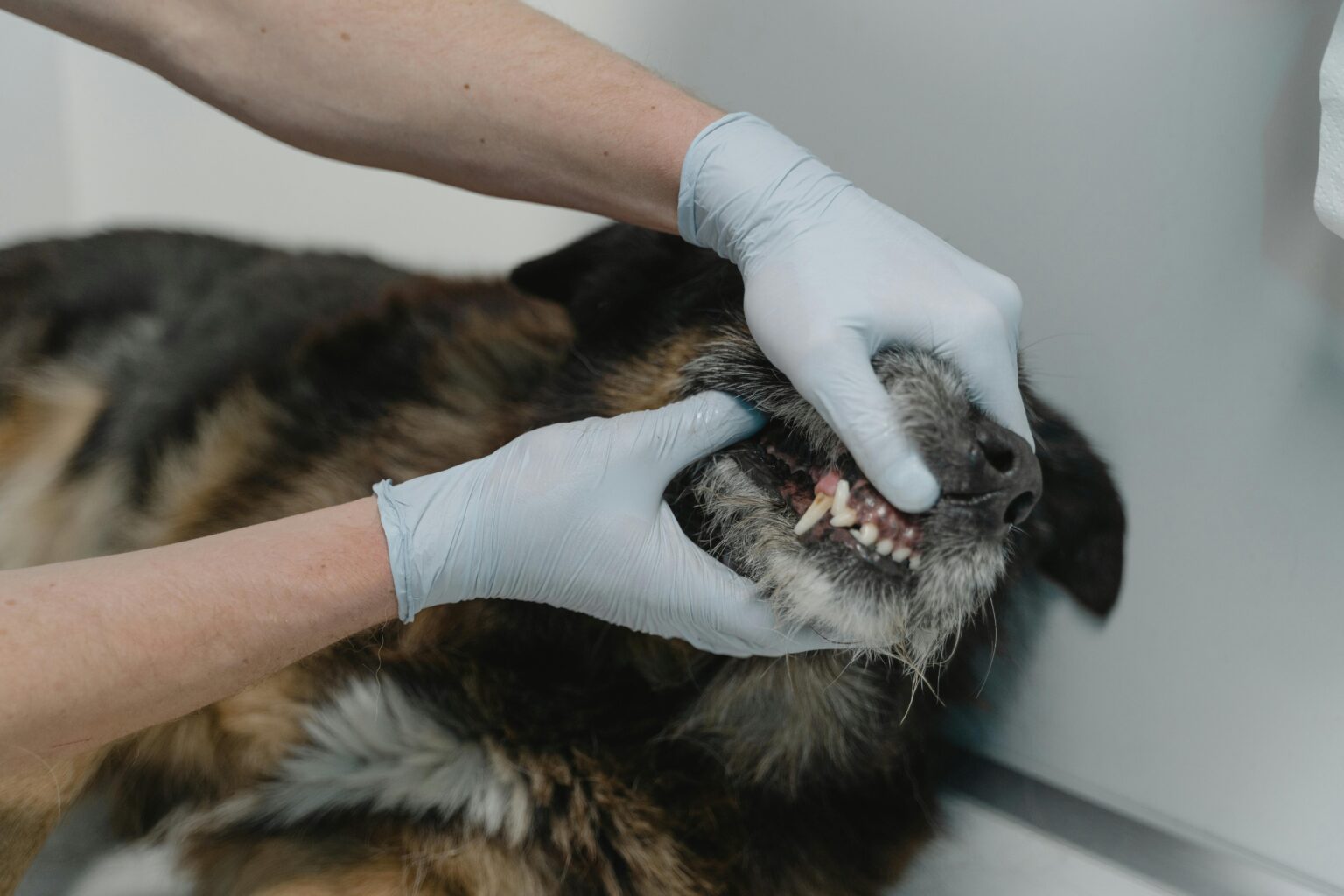
Clean teeth aren’t just about looks; they’re fundamental to your dog’s long and healthy life. According to vets, over 80% of dogs older than three years show signs of periodontal disease, which can lead to pain, tooth loss, and problems with internal organs. In this article, we’ll explore why regular dental care for your dog and the correct brushing technique are so crucial, and provide a step-by-step guide to turn this into an easy daily habit; there’s more on this at Tvaryny.
Why is oral hygiene important for dogs?
- Disease prevention: Regular brushing prevents plaque build-up and tartar formation. This is vital as dental issues can often contribute to various health problems in dogs.
- Bad breath: That unpleasant “doggy” breath is most often linked to bacteria in the gums.
- Internal organ health: Bacteria from the mouth can enter the bloodstream and harm the heart, liver, and kidneys.
- Animal comfort: Being pain-free improves your pet’s appetite and mood. Learning how to tell if your dog is in pain is key to their wellbeing.
When to start and how often to brush?
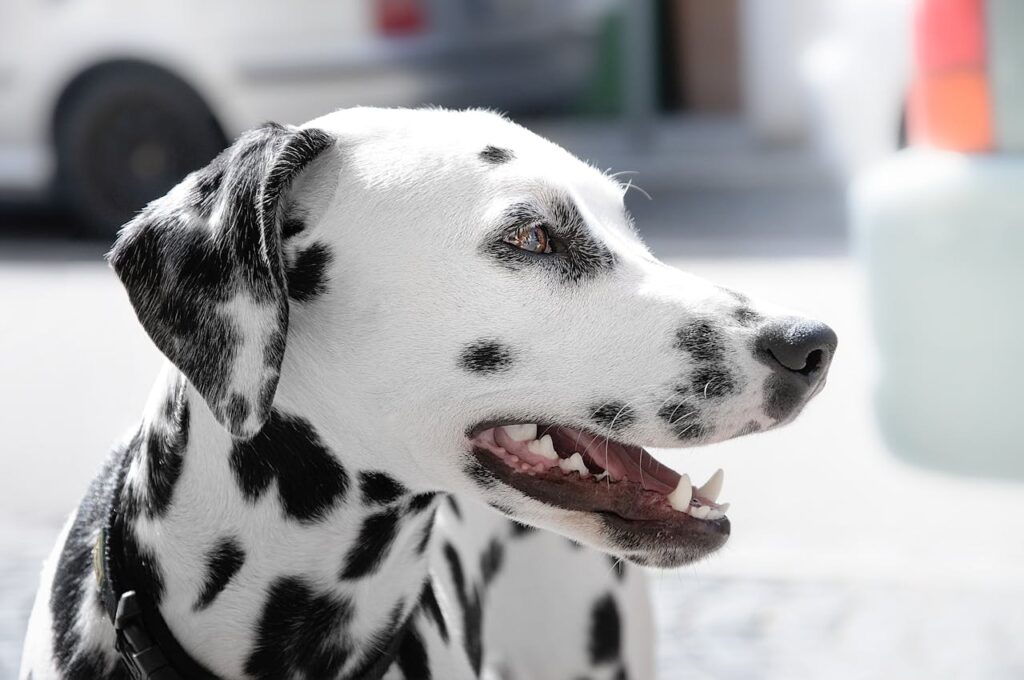
It’s best to introduce a puppy to a toothbrush from 2-3 months old. For adult dogs, it’s recommended to brush their teeth at least three times a week, and ideally, every day.
| Dog Size | Recommended Frequency |
|---|---|
| Small (up to 10 kg) | 4 times a week |
| Medium (10-25 kg) | 3 times a week |
| Large (>25 kg) | 2-3 times a week |
What do you need for teeth cleaning?
- A special dog toothbrush (single-sided, double-sided, or a finger brush).
- Toothpaste with enzymes (fluoride-free and non-foaming, safe if swallowed).
- Gauze or a silicone finger cover for initial attempts.
- Chew treats and toys for additional mechanical cleaning.
- A bowl of water, a towel, and a calm environment.
Step-by-step guide: How to brush your dog’s teeth?
- Prepare your dog: Let them sniff the brush and paste, pet them, and keep them calm.
- Apply the paste to the brush; a flavour like chicken or liver can spark their interest.
- Start with the front teeth, using short, circular motions at a 45° angle to the gum line.
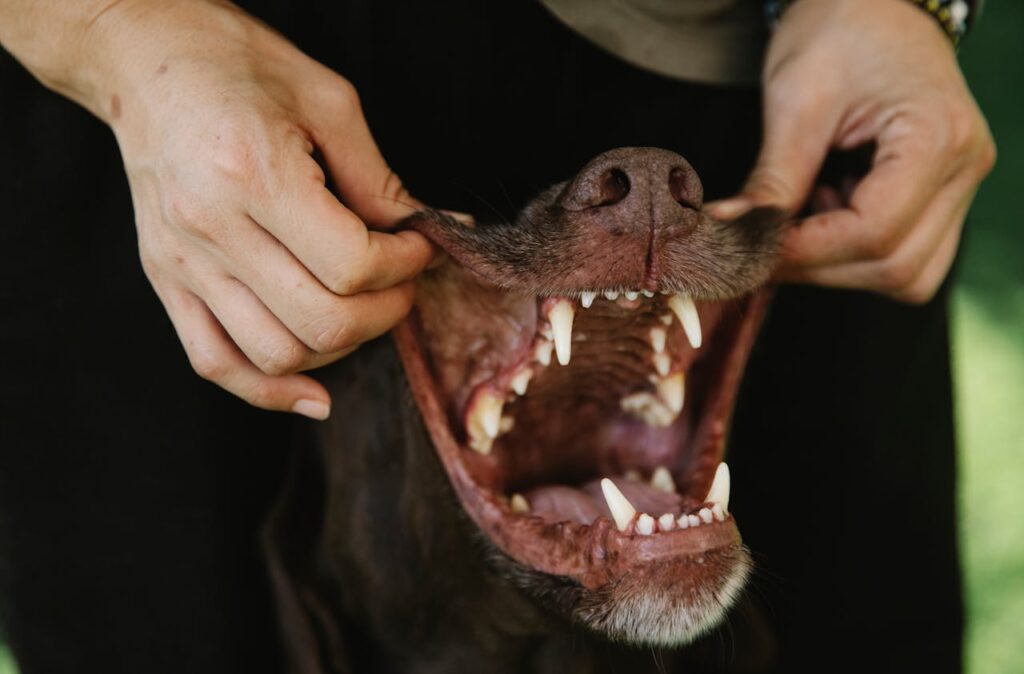
- Move to the back teeth: Lift their lip and work from the outer surface to the inner.
- Don’t press too hard, to avoid injuring the gums.
- Praise and reward them with treats immediately after the procedure.
- Gradually increase the time to 2-3 minutes.
Alternative ways to maintain cleanliness
- Chew sticks with enzymes and seaweed.
- Rope toys and rubber bones that help clean off plaque.
- Dry food – kibble with a special texture to remove plaque.
- Additives for drinking water with chlorhexidine or zinc.
When to see a vet?
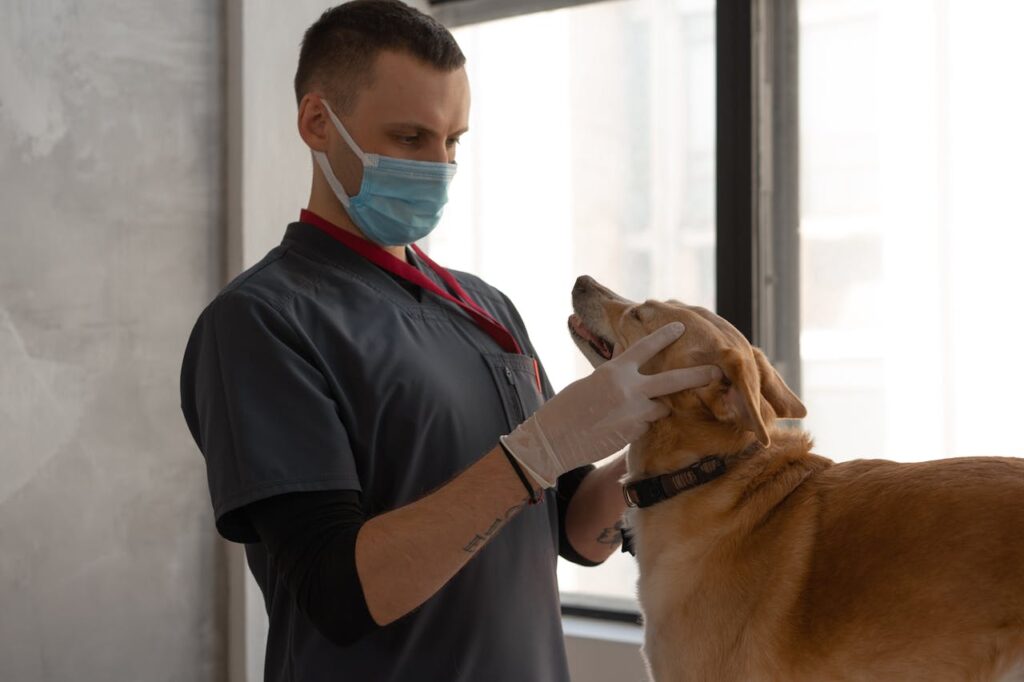
- Bleeding gums or a strong, unpleasant odour.
- Tartar that cannot be removed with a home toothbrush.
- Refusal to eat, drooling, or pain when touching the muzzle.
Tips for a pain-free routine
- Carry out the procedure after an active walk when your dog is relaxed.
- Always finish brushing with a favourite reward.
- Do not use human toothpaste.
- Change the toothbrush regularly (every 3 months).
Remember: The “little and often” approach works better than infrequent, lengthy sessions. Your pet will get used to it, and you’ll keep their smile sparkling for years to come!