

Dogs are more than just pets; they are fully-fledged members of our families. Their health and wellbeing is a top priority for every responsible owner. Unfortunately, our four-legged friends can’t tell us in words when they’re feeling unwell, so being able to recognise the early signs of health problems is crucial. The sooner you spot symptoms and take action, the better the chances of a swift recovery for your beloved companion. You can learn more about how to tell if your dog is in pain, including subtle signs, and other pet health topics later on Tvaryny.
This article aims to help you understand the most common health issues in dogs, their main symptoms, methods for providing first aid at home (when it’s safe to do so), and, most importantly, when a situation requires immediate veterinary attention. Remember, this information does not replace professional consultation, diagnosis, and treatment at a veterinary clinic. However, being well-informed will enable you to take better care of your dog’s health.
1. Gastrointestinal Upsets (Vomiting and Diarrhoea)

Vomiting and diarrhoea are among the most frequent reasons for visits to the vet. They can be caused by a multitude of factors, from simple overeating or eating something unsuitable off the street to serious infections, poisoning, pancreatitis, intestinal obstruction, or systemic diseases.
Symptoms:
- Obvious vomiting (once or repeatedly).
- Loose, watery, or unformed stools (diarrhoea).
- Reduced appetite or complete refusal of food.
- Lethargy, apathy, weakness.
- Abdominal pain (the dog may whimper when touched or adopt an unusual posture).
- Signs of dehydration: dry gums, sunken eyes, loss of skin elasticity (a skin pinch retracts slowly).
First Aid at Home (for mild cases):
- Fasting: For a single episode of vomiting or mild diarrhoea without other worrying symptoms, you can try not feeding your dog for 12-24 hours (puppies and miniature breeds should not fast for this long; consult your vet!). Water should always be available, but offer it in small portions.
- Bland Diet: After fasting, gradually introduce easily digestible food: boiled skinless, boneless chicken breast mixed with white rice in a 1:3 ratio. Feed small portions 3-4 times a day.
- Probiotics: On your vet’s recommendation, probiotics can be given to help restore intestinal microflora.
When to See a Vet Immediately:
- Repeated, uncontrollable vomiting or severe diarrhoea.
- Presence of blood in vomit or faeces (bright red or dark, coffee ground-like).
- Severe lethargy, weakness, collapse.
- Signs of severe abdominal pain (whimpering, tense abdomen).
- Suspicion of poisoning or ingestion of a foreign object.
- Signs of dehydration.
- If symptoms do not improve within 24 hours or the dog’s condition worsens.
- If vomiting/diarrhoea occurs in a puppy, elderly dog, or a dog with chronic health conditions.
2. Skin Problems (Dermatitis, Allergies, Parasites)

The skin is a dog’s largest organ, and problems with it are extremely common. Causes can vary widely: allergies (to food, pollen, flea bites), bacterial or fungal infections, external parasites (fleas, ticks, lice, mites), hormonal imbalances, stress, and even autoimmune diseases.
Symptoms:
- Excessive itching (dog constantly scratches, licks, or bites itself).
- Redness of the skin, rashes, papules, pustules.
- Hair loss (alopecia), patches of baldness.
- Dandruff, dry or oily skin.
- Thickening of the skin, changes in its pigmentation (often in chronic cases).
- Unpleasant odour from the skin or coat.
- Sores, scratches, scabs from scratching.
- Visible parasites (fleas, ticks).
First Aid at Home:
- Parasite treatment: Ensure your dog receives regular, effective treatment for fleas and ticks. This is a primary step.
- Bathing: Using special medicated shampoos (antifungal, antibacterial, anti-itch) as recommended by your vet can provide relief. Do not use human shampoos!
- Limiting scratching: A special protective collar (Elizabethan collar) may be needed to prevent the dog from further injuring itself.
- Hypoallergenic diet: If a food allergy is suspected, your vet may recommend switching to a special diet. This is a lengthy process that requires patience.
When to See a Vet Immediately:
- Severe, continuous itching that causes the dog distress.
- Open sores, weeping lesions, signs of infection (pus, severe redness, skin hot to the touch).
- Rapid spread of lesions over the body.
- Sudden onset of symptoms after contact with a potential allergen or toxin.
- If home remedies and parasite treatment do not bring relief within a few days.
- If skin problems are accompanied by other symptoms (lethargy, loss of appetite, fever).
3. Ear Infections (Otitis)
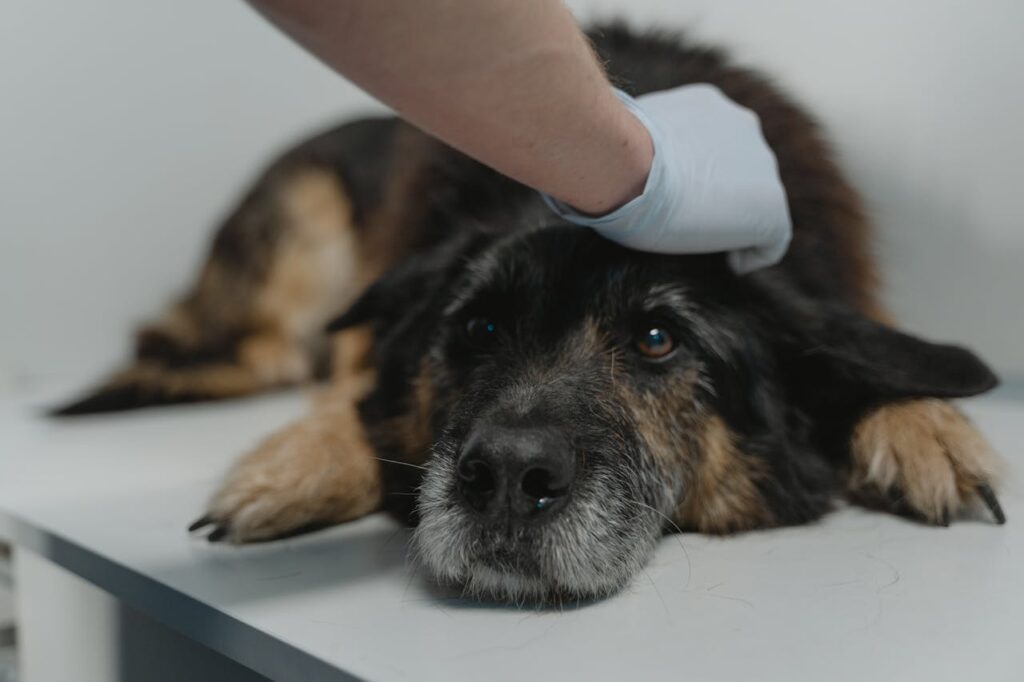
Otitis, or ear inflammation, is quite a painful condition for dogs, especially for breeds with long, pendulous ears (e.g., Spaniels, Basset Hounds) or those who swim frequently. Causes can include bacteria, yeast (Malassezia), ear mites (Otodectes cynotis), allergies, foreign bodies (like grass seeds), excess moisture, or anatomical peculiarities of the ear canal.
Symptoms:
- Dog shakes its head or tilts it to one side.
- Scratches its ears with paws or rubs them against furniture/carpet.
- Redness and swelling of the ear flap (pinna) or ear canal.
- Discharge from the ear (brown, yellow, pus-like).
- Unpleasant odour from the ears.
- Pain when ears are touched, whimpering.
- In severe cases – hearing loss, balance problems (if the middle/inner ear is involved).
First Aid at Home:
- Inspection: Gently examine the ear flap for redness, discharge, or foreign objects (if easily removable).
- Cleaning: If the ear is not too painful and there are no signs of severe infection, you can gently wipe the visible part of the ear flap with a special dog ear cleaning solution on a cotton pad. Never use cotton buds, as they can push dirt deeper or damage the eardrum.
- Drying: Thoroughly dry your dog’s ears after bathing or swimming.
Important: Do not attempt to treat an ear infection yourself without a vet’s diagnosis. Using the wrong drops can worsen the condition or be ineffective.
When to See a Vet Immediately:
- With any of the above symptoms of otitis. Accurate diagnosis (including cytology of an ear swab) is necessary to determine the cause (bacteria, fungus, mites) and prescribe the correct treatment (antibiotics, antifungals, antiparasitics).
- Severe pain, reluctance to have its head touched.
- Pus-like or bloody discharge from the ear.
- Head tilt, loss of balance, circular eye movements (nystagmus) – signs of middle/inner ear involvement requiring urgent attention.
4. Urinary Tract Infections (UTIs)

Urinary tract infections occur when bacteria enter the bladder or urethra, causing inflammation and discomfort. UTIs are more common in female dogs than in males due to their shorter and wider urethra. Risk factors also include bladder stones, diabetes, kidney disease, and certain medications.
Symptoms:
- Frequent urination, often in small amounts.
- Straining or signs of pain during urination (dog may whimper).
- Blood in the urine (haematuria) – urine may be pink, red, or brown.
- Urinating in inappropriate places (even if the dog is house-trained).
- Excessive licking of the genital area.
- Cloudy or foul-smelling urine.
- In severe cases – lethargy, loss of appetite, fever, abdominal pain.
First Aid at Home:
- Ensure free access to fresh, clean water. Increased fluid intake helps to “flush” the urinary tract.
- Take your dog out more frequently to allow it to empty its bladder.
Important: UTIs require antibiotic treatment, so home remedies cannot replace a visit to the vet. Without treatment, the infection can ascend to the kidneys, causing pyelonephritis – a much more serious condition.
When to See a Vet Immediately:
- At the appearance of any symptoms of a UTI. A urine analysis is necessary to confirm the diagnosis and determine the bacteria’s sensitivity to antibiotics.
- If the dog cannot urinate at all – this is an emergency! This may indicate a complete obstruction of the urethra, often caused by stones, and requires immediate help.
- Presence of blood in the urine.
- Severe pain, lethargy, vomiting.
5. Obesity

Obesity is not just a cosmetic issue but a serious medical condition that significantly shortens a dog’s lifespan and quality of life. Excess weight puts additional strain on joints and the cardiovascular system, increases the risk of diabetes, pancreatitis, some types of cancer, and complicates the course of other diseases.
Symptoms / Signs:
- Ribs are difficult or impossible to feel under a layer of fat.
- No visible “waistline” (a noticeable narrowing of the body behind the rib cage when viewed from above).
- A sagging abdomen, noticeable fat deposits at the base of the tail and on the neck.
- Shortness of breath, tiring easily even with minimal exertion.
- Reluctance to move or play.
- Difficulty getting up or overcoming obstacles.
Causes:
- Overfeeding: Portions of food that are too large, frequent high-calorie treats, table scraps.
- Insufficient physical activity: Short or irregular walks, lack of play.
- Age (metabolism slows down).
- Neutering/spaying (can lead to a decreased energy requirement).
- Certain diseases (e.g., hypothyroidism, Cushing’s disease).
- Breed predisposition (Labradors, Beagles, Dachshunds, etc.).
What to Do (Prevention and Management):
- Portion control: Feed your dog according to the recommendations on the food packaging, considering its age, weight, activity level, and health status. Use a measuring cup.
- Quality food: Choose a balanced food that meets your dog’s needs. Your vet may recommend a special weight-loss diet.
- Limit treats: Treats should not make up more than 10% of the daily food intake. Choose low-calorie options. Do not feed table scraps!
- Regular physical exercise: Ensure your dog gets enough activity – long walks, running, games (fetch, frisbee), swimming.
- Regular weighing: Monitor your dog’s weight and adjust its diet/activity as needed.
- Veterinary check-ups: Discuss your dog’s ideal weight and a plan to achieve/maintain it with your vet. Rule out possible medical causes of obesity.
6. Arthritis and Joint Problems

Arthritis, especially osteoarthritis (a degenerative joint disease), is a common problem, particularly in older dogs, large breeds, and animals that are overweight or have previous joint injuries. It is a chronic condition that causes pain, inflammation, and reduced mobility.
Symptoms:
- Limping or stiffness, especially after rest or physical exertion.
- Difficulty getting up, climbing stairs, jumping onto furniture or into the car.
- Reluctance to walk, play, or run.
- Changes in behaviour: irritability, aggression when painful joints are touched.
- Licking or biting at the area of a painful joint.
- Loss of muscle mass in the affected limb.
- Clicking or crunching sounds in the joints during movement (sometimes).
Help and Management (as prescribed by a vet):
- Weight control: Weight loss significantly reduces the load on joints.
- Moderate physical exercise: Regular, but not excessive, exercise (e.g., swimming, slow lead walks) helps maintain joint mobility and muscle tone. Avoid jumping and intense running.
- Pain-relieving and anti-inflammatory drugs: Your vet may prescribe special non-steroidal anti-inflammatory drugs (NSAIDs) for dogs to control pain and inflammation. Never give your dog human medicines (ibuprofen, paracetamol, etc.) without consulting your vet – they can be toxic!
- Chondroprotectants: Supplements containing glucosamine, chondroitin, and omega-3 fatty acids can help support cartilage health.
- Physiotherapy, massage, acupuncture: May provide relief for some dogs.
- Comfortable environment: Provide your dog with a soft, warm bed, use ramps instead of stairs, and elevate food and water bowls.
When to See a Vet:
- At the first sign of any pain or lameness. Early diagnosis and treatment can help slow the progression of the disease and improve your dog’s quality of life.
- If lameness appears suddenly and is severe (possible injury).
- If the dog’s condition worsens despite treatment.
7. Dental and Gum Disease
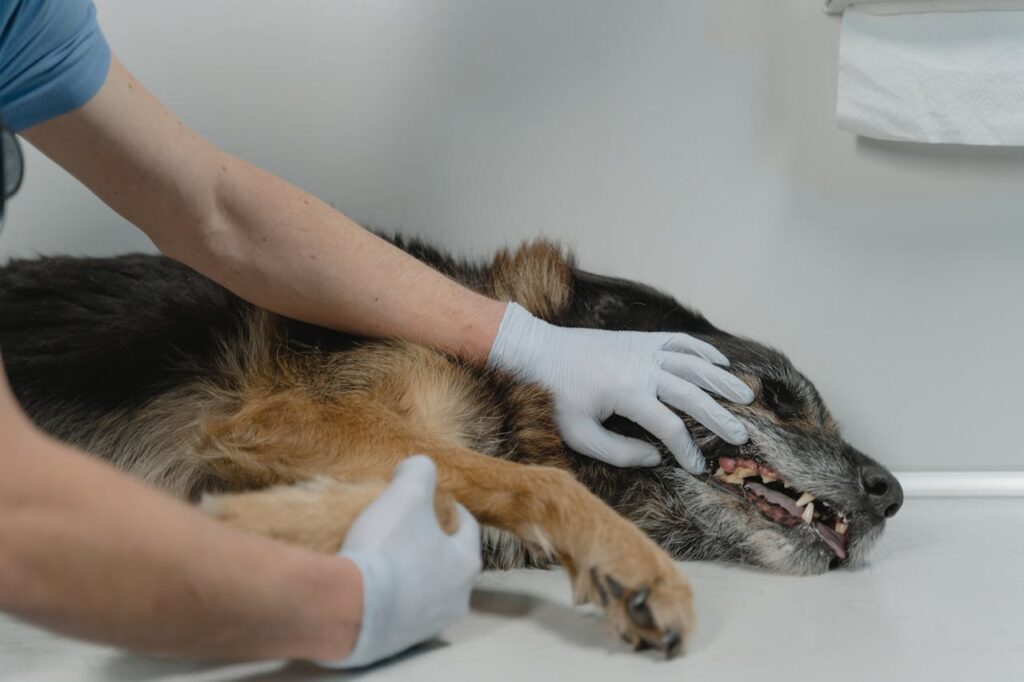
Oral health problems are extremely common in dogs, especially those over three years of age. The accumulation of dental plaque and tartar leads to gingivitis (gum inflammation), and then to periodontitis – a serious disease that destroys the tissues supporting the teeth and can lead to tooth loss. Bacteria from the oral cavity can also enter the bloodstream and affect internal organs (heart, kidneys, liver).
Symptoms:
- Bad breath (halitosis).
- Dental plaque (yellowish or brownish) and tartar.
- Red, swollen, or bleeding gums (gingivitis).
- Difficulty or pain when chewing (dog may refuse dry food, chew on one side, or whimper while eating).
- Excessive drooling.
- Loose or missing teeth.
- Lumps or growths in the oral cavity.
Prevention and Care:
- Regular tooth brushing: The most effective method of prevention. Brush your dog’s teeth with special pet toothpaste and a toothbrush several times a week (ideally, daily).
- Dental treats and toys: Special chew sticks, ropes, and toys help to mechanically clean plaque from teeth.
- Special diets: Some dry foods have kibble специально shaped and textured to help clean teeth.
- Regular veterinary check-ups: The vet should examine your dog’s oral cavity during each visit.
- Professional dental cleaning: Your vet may recommend a professional dental cleaning under anaesthetic using ultrasound to remove tartar above and below the gum line.
When to See a Vet:
- For any signs of dental and gum disease, especially bad breath, bleeding gums, or pain when eating.
- For regular check-ups and professional cleaning as recommended by your vet.
- If you notice a broken tooth, a loose tooth, or a lump in the oral cavity.
8. Parasitic Infestations (Fleas, Ticks, Worms)

Parasites are a constant threat to a dog’s health. They are divided into external (ectoparasites: fleas, ticks, lice, biting lice) and internal (endoparasites: helminths or worms – roundworms, tapeworms, heartworms, and others).
Symptoms:
- Fleas:
- Severe itching, scratching, biting at fur (especially on the back, base of the tail).
- Visible adult fleas (small, brown, fast-moving) or their droppings (“flea dirt” – small black specks that turn red when moistened).
- Flea allergy dermatitis (a strong reaction to even a single bite).
- Anaemia in puppies and debilitated animals with heavy infestations.
- Ticks:
- A visible tick attached to the skin (especially on the head, neck, ears, between toes).
- Local irritation, redness at the bite site.
- Symptoms of tick-borne diseases (piroplasmosis/babesiosis, borreliosis/Lyme disease, anaplasmosis, ehrlichiosis): lethargy, fever, loss of appetite, pale gums, jaundice, blood in urine, lameness, joint pain, neurological disorders. These symptoms require immediate veterinary attention!
- Helminths (Worms):
- Symptoms can vary depending on the type and intensity of infestation and are sometimes absent.
- Diarrhoea, vomiting (sometimes with worms).
- Weight loss or poor weight gain (especially in puppies) despite normal or increased appetite.
- Potbelly (“worm belly”).
- Dull, rough coat.
- Coughing (due to larval migration of some species through the lungs).
- Visible tapeworm segments (resembling rice grains) around the anus or in faeces.
- Itching around the anus (dog “scoots” its bottom on the floor).
- Anaemia.
Prevention and Treatment:
- Regular ectoparasite treatment: Use quality spot-on treatments, tablets, or collars for fleas and ticks year-round (or during the tick season in your region) as recommended by your vet.
- Proper tick removal: If you find a tick, remove it with special tick tweezers or a tick removal tool, grasping as close to the skin as possible and pulling slowly and perpendicularly. Do not crush the tick or apply oil. Disinfect the bite site.
- Regular deworming: Carry out prophylactic deworming for your dog every 3-4 months (or according to an individual schedule recommended by your vet) with broad-spectrum preparations.
- Faecal analysis: Periodically submit your dog’s faeces for analysis to detect worm eggs.
- Heartworm prevention (dirofilariasis): In regions where dirofilariasis (transmitted by mosquitoes) is prevalent, monthly prevention with special medications is necessary.
- Hygiene: Clean up after your dog outdoors, wash your hands after contact with the animal, and maintain cleanliness in your home.
When to See a Vet Immediately:
- If you suspect a tick-borne disease (fever, lethargy, refusal to eat, change in urine colour, etc.) – this is an emergency!
- In case of a heavy flea infestation, especially in puppies (risk of anaemia).
- For severe itching or pronounced allergic dermatitis.
- For symptoms of severe worm infestation (severe diarrhoea/vomiting, emaciation, anaemia).
- To select effective and safe products for prevention and treatment.
9. Heatstroke

Heatstroke is a life-threatening condition that occurs when a dog’s body temperature rises to critical levels (above 40.5°C or 105°F) due to overheating, and the body cannot cool itself down. Dogs are more prone to overheating than humans because they cool down primarily by panting (rapid breathing with the tongue out) and have a limited number of sweat glands (only on their paw pads). Brachycephalic (short-nosed) breeds (e.g., Pugs, Bulldogs), dogs with thick coats, puppies, elderly animals, overweight dogs, and those with cardiovascular diseases are particularly vulnerable.
Causes:
- Being left in a closed car (even for a few minutes in warm weather, the temperature inside can rise rapidly).
- Prolonged exposure to the sun without access to shade and water.
- Intense physical exertion in hot and humid weather.
- Being in a poorly ventilated room.
Symptoms:
- Extremely heavy, rapid breathing (panting).
- Bright red or pale/bluish gums and tongue.
- Thick, sticky saliva, excessive drooling.
- Lethargy, weakness, dizziness, incoordination (staggering gait).
- Vomiting, diarrhoea (possibly bloody).
- Elevated body temperature (above 40°C or 104°F).
- Seizures, loss of consciousness, collapse.
First Aid (Immediate!):
- Immediately move the dog to a cool, shaded, well-ventilated area.
- Cooling:
- Pour cool (not ice-cold!) water over the dog, especially on its belly, armpits, and paw pads. Ice-cold water can cause blood vessels to constrict and worsen the situation.
- Place cool, wet towels on its head, neck, and back.
- Use a fan to increase evaporation.
- Water: Offer a small amount of cool water if the dog is conscious and able to drink. Do not force water.
- Measure temperature: If possible, take its rectal temperature. Stop active cooling when the temperature drops to 39-39.5°C (102.2-103.1°F) to avoid overcooling.
- CONTACT A VET URGENTLY AND TRANSPORT THE DOG TO THE CLINIC, even if its condition has improved. Continue cooling during transport (air conditioning in the car, wet towels).
When to See a Vet Immediately:
- At any sign of heatstroke! This is ALWAYS an emergency. Even if you have provided first aid and the dog seems better, a veterinary examination and possible treatment (IV fluids, oxygen, monitoring) are necessary, as heatstroke can cause serious internal organ damage that may only become apparent later.
10. Poisoning

Dogs, being curious creatures, can accidentally ingest various toxic substances. Poisoning is a serious threat that requires immediate action.
Common Toxins for Dogs:
- Human medicines: Painkillers (ibuprofen, paracetamol), antidepressants, cold remedies, etc.
- Foods: Chocolate (especially dark), xylitol (artificial sweetener in chewing gum, sweets, baked goods), grapes and raisins, onions, garlic, avocados, alcohol, coffee/tea (caffeine).
- Plants: Many houseplants and garden plants are toxic (lilies, azaleas, rhododendrons, dieffenbachia, oleander, sago palm, and others).
- Chemicals: Rodenticides (rat poisons), insecticides, herbicides, antifreeze (very dangerous, tastes sweet!), household chemicals (detergents, bleaches).
- Fertilisers, slug pellets.
Symptoms (vary widely depending on the toxin):
- Vomiting, diarrhoea (possibly bloody).
- Drooling, foaming at the mouth.
- Lethargy, weakness, collapse.
- Incoordination, tremors, seizures.
- Difficulty breathing.
- Pale or bluish gums.
- Abdominal pain.
- Increased thirst or urination.
- Loss of appetite.
First Aid:
- Immediately call your vet or an emergency veterinary clinic or animal poison control centre! This is the most crucial first step.
- Identify the toxin: If you know or suspect what your dog has ingested, inform the vet. Take the packaging or remnants of the substance with you (if it’s safe to do so).
- Do not induce vomiting yourself unless a vet has specifically advised you to! Some toxins (e.g., corrosive substances, petroleum products) can cause more harm if they pass through the oesophagus again. Also, do not induce vomiting if the dog is unconscious, having seizures, or has trouble breathing.
- If the toxin has come into contact with the skin or coat, rinse it off with plenty of water and mild soap (if safe, check with your vet).
- Do not give any medications, food, or liquids without veterinary instruction.
When to See a Vet Immediately:
- With any suspicion of poisoning! Time is critical. Do not wait for symptoms to appear, as some toxins have a delayed effect. The sooner treatment is started (inducing vomiting, gastric lavage, administering antidotes, supportive therapy), the better the prognosis.
Prevention – The Best Medicine
While it’s impossible to completely protect your dog from all illnesses, many health problems can be prevented or detected at an early stage through preventative measures:
- Regular veterinary check-ups: Annual (or every 6 months for senior pets) check-ups allow for early detection of problems and necessary preventative procedures.
- Vaccinations: Follow the vaccination schedule to protect against dangerous infectious diseases.
- Parasite prevention: Regularly treat your dog for fleas, ticks, and worms.
- Balanced nutrition: Feed your dog high-quality food appropriate for its age, breed, and activity level. Avoid overfeeding and foods dangerous to dogs.
- Weight control and physical activity: Maintain your dog’s optimal weight and ensure it gets enough exercise.
- Dental care: Regularly brush your dog’s teeth and have professional cleanings as needed.
- Safe environment: Keep medicines, chemicals, toxic plants, and dangerous foods out of your dog’s reach. Do not leave your dog unsupervised in potentially dangerous situations (e.g., in a car on a hot day).
- Attentiveness: Observe your dog’s behaviour, appetite, activity, and physical appearance. Any changes can be the first signs of a problem.
Conclusion
Your dog’s health is your responsibility. Knowing the main symptoms of common diseases will help you recognise danger in time and seek qualified help. Never attempt to self-treat serious conditions, and do not delay a visit to the vet if you are concerned about your pet’s condition. Early diagnosis and timely treatment significantly increase the chances of a successful recovery and a long, happy life for your four-legged friend by your side.