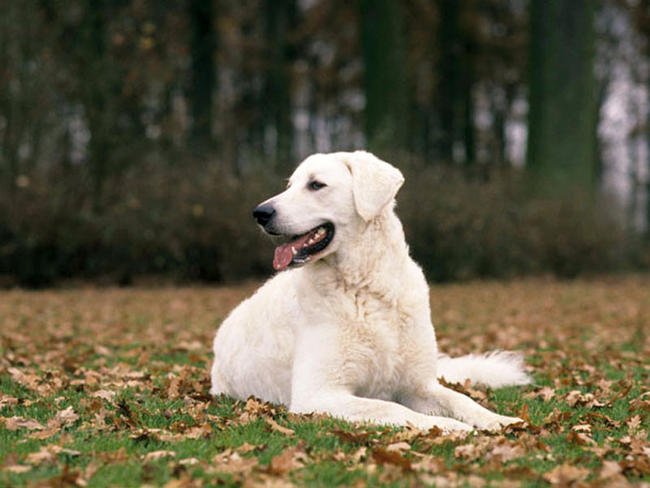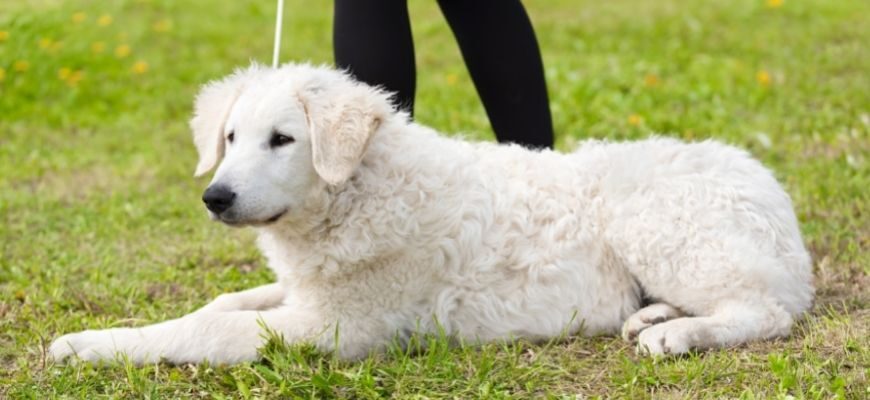
The Kuvasz is not just a dog; it's a living legend with roots reaching back through centuries. This majestic white giant, hailing from Hungary, captivates with its power, nobility, and boundless devotion. Initially, Kuvasz dogs were used to guard flocks from predators in harsh mountain environments, a role that shaped their fearless and independent character. Over time, their striking appearance and intelligence made them favorites of royal courts, particularly that of Hungarian King Matthias Corvinus, who valued them more than his human guards. Today, the Hungarian Kuvasz is not only a reliable guardian but also a loving family member, ready to give its life for those it holds dear. If you're interested in learning more, you can discover more about them at Tvaryny.
Kuvasz: A Quick Overview of Key Breed Characteristics
Kuvasz: A Quick Overview of Key Breed Characteristics · 11
| Characteristic | Description |
|---|---|
| Origin | Hungary |
| Approximate First Mention | 9th century (archeological finds); officially from the 13th–15th century |
| FCI Classification | Group 1 (Sheepdogs and Cattle Dogs), Section 1 (Sheepdogs). Standard № 54. |
| Lifespan | 10–12 years (sometimes up to 14) |
| Height at Withers | Males: 28–30 inches Females: 26–28 inches |
| Weight | Males: 105–137 lbs Females: 82–110 lbs |
| Temperament | Brave, loyal, intelligent, independent, protective; calm with family, wary of strangers |
| Use | Livestock guardian, watchdog, companion |
| Color | White; ivory tint is acceptable |
| Coat Care | Moderate; regular brushing (2–3 times a week), daily during shedding seasons |
| Activity Level | High; needs space and daily physical exercise |
Interesting Facts About the Kuvasz
- Royal Favorite: Hungarian King Matthias Corvinus (15th century) trusted his Kuvasz dogs so much that they were the only ones allowed to move freely in his chambers at night. He said he trusted his dogs more than his own advisors.
- "Horse-Dog": One theory of the origin of the name "Kuvasz" links it to the Old Turkic word "ku-assa," which meant "horse-dog." This indicates that these dogs accompanied horsemen and guarded horses.
- White for Protection: The white coat of the Kuvasz was not only an aesthetic advantage but also a practical necessity. It allowed shepherds to easily distinguish the dog from a gray wolf in the dark during an attack on the flock.
- A Nearly Extinct Breed: After World War I and World War II, the Kuvasz breed was on the verge of extinction. According to some sources, fewer than 30 purebred individuals remained in Hungary. The recovery of the breed is the result of the tireless efforts of enthusiasts.
- Night Watchmen: Kuvasz dogs are often more active and alert at night. This is a genetically ingrained trait, as their ancestors primarily guarded flocks during the dark hours.
- Independent Thinkers: Due to their historical purpose (independently guarding flocks), Kuvasz dogs developed the ability to assess situations and make decisions on their own. This makes them excellent guardians but sometimes complicates training, requiring the owner to be understanding and respectful.
- Not Just Hungary: Although the Kuvasz is considered a Hungarian breed, similar white livestock guardian dogs exist in other regions, for example, the Maremma Abruzzese Sheepdog in Italy, the Slovak Cuvac, and the Polish Tatra Sheepdog. This suggests a common origin or parallel development of similar types of dogs for similar functions. Interestingly, another famous Hungarian herding breed, the Komondor, has a completely different look and coat type.
- Movie Star: A Kuvasz dog played the role of the charming Delilah in the Disney movie "Homeward Bound II: Lost in San Francisco" (1996).
- "Noble Guardian": Another interpretation of the word "Kuvasz" comes from the Sumerian "ku-assa," meaning "dog that accompanies the horse." This highlights their ancient history and noble purpose.
- Sensitive to Injustice: Kuvasz dogs are very sensitive to their owner's mood and to unfair treatment. They remember injustices and can lose trust if treated harshly or unfairly.