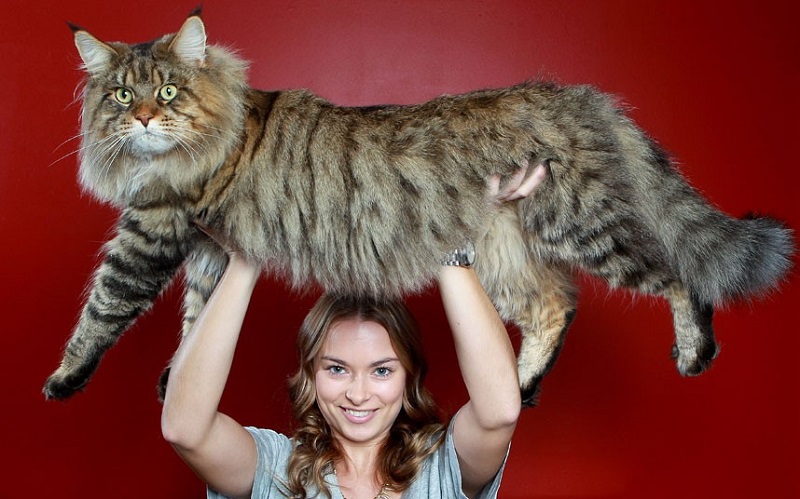
When we think of house cats, our imagination often paints a picture of a small, fluffy ball curled up on our lap. But the world of cat fancy is much more diverse and, frankly, grander. There is a separate league of pets whose size can surprise even owners of medium-sized dogs. We are talking about the largest cat breeds that combine wild grace with amazing loyalty.
Choosing such a giant isn't just a matter of aesthetics or a desire to impress guests. Big cats have specific needs regarding nutrition, space, and socialization. In this article, we will break down six of the most popular giant breeds in detail: from the famous Maine Coon to the exotic Savannah and the aristocratic Chartreux. We will compare their personalities, needs, and health quirks so you can figure out which one will be your ideal companion. Read more about this on Tvaryny.
Why are we so attracted to giant cats?
Before moving on to a detailed review of the breeds, it is worth understanding the phenomenon of big cats' popularity. Psychologists and felinologists claim that owners are attracted by the combination of a "wild" look with a gentle character. Most giant breeds have a surprisingly stable psyche. They are often called "gentle giants." They are less prone to the hyperactivity characteristic of small breeds and often behave with the dignity of kings. Furthermore, a big cat is a tactile delight. Hugging a 22-pound fluffball is much nicer than trying to hold onto a small fidget.
1. Maine Coon: The King of Maine
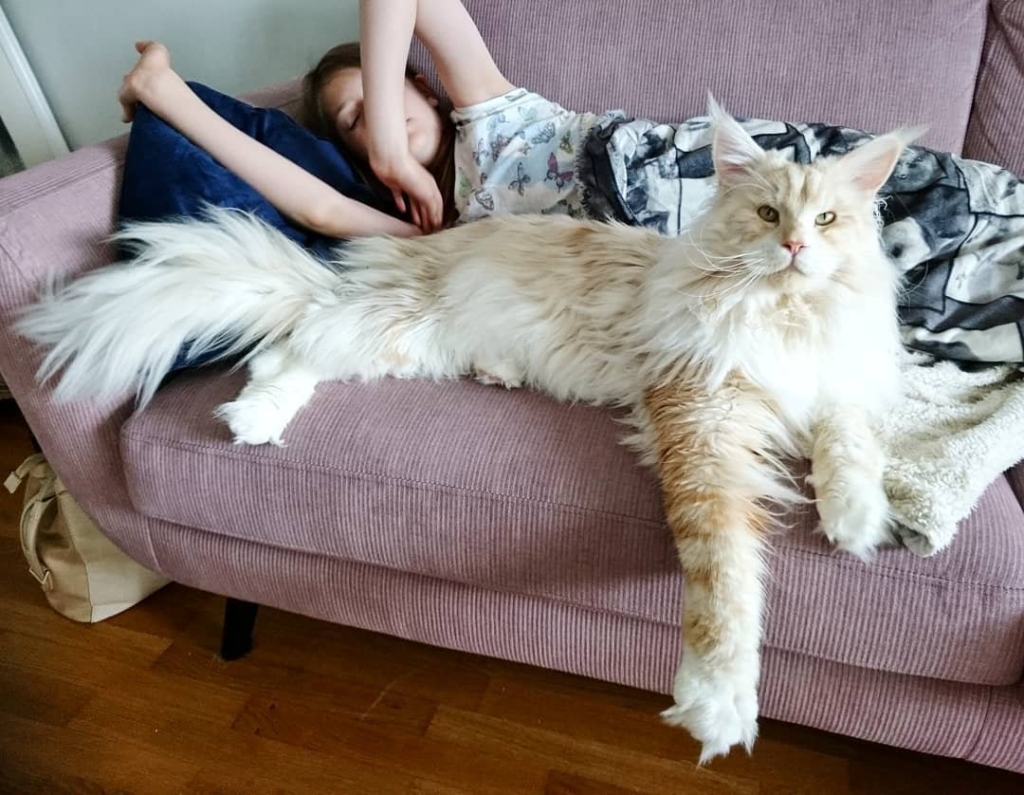
The Maine Coon is perhaps the most famous representative of large cats. It is a native breed from North America formed in harsh climatic conditions. This influenced their appearance: thick water-repellent fur, a bushy tail that can be used as a blanket, and wide "snowshoe" paws.
Characteristics and temperament
The weight of an adult male can reach 18–26 lbs (8–12 kg), and sometimes even more. The body length, including the tail, often exceeds 3 feet (about 1 meter). But behind the formidable appearance hides the soul of a kitten. Maine Coons are very social; they love to be in the center of events but are unobtrusive. They won't sit on your head, but they will definitely lie nearby to monitor the situation.
- Feature: They often "talk," making specific sounds similar to chirping or trilling rather than ordinary meowing.
- Caring for a Maine Coon: Fur requires brushing 2–3 times a week. Pay special attention to the "britches" (pants) and the area behind the ears where mats can form.
- Health: Weak spots are the heart (hypertrophic cardiomyopathy) and joints (dysplasia). Regular visits to the vet are mandatory.
2. Ragdoll: The Blue-Eyed Phlegmatic
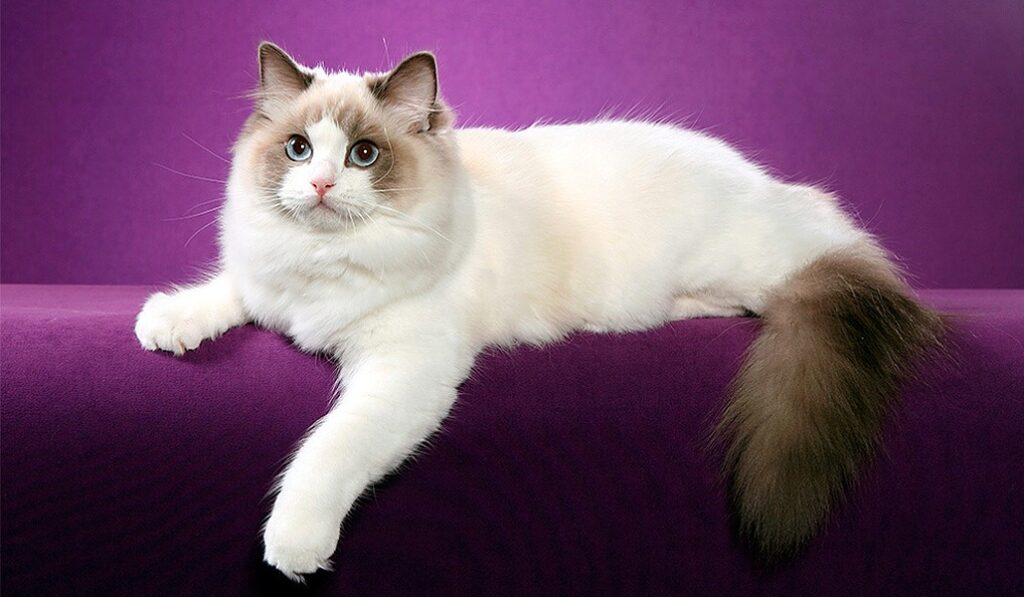
If the Maine Coon is a rugged outdoorsman, then the Ragdoll is a refined aristocrat created for love and tenderness. The breed name translates as "rag doll," which perfectly describes their behavior. When you pick a Ragdoll up, it completely relaxes and goes limp.
Why are they special?
Ragdolls are one of the largest domestic cats, second only to Maine Coons and Savannahs. Males can weigh up to 20–22 lbs (9–10 kg). Their main calling card is piercing blue eyes and soft, silk-like fur that resembles rabbit fur. The Ragdoll's character can be described in one word - "phlegmatic." This is the ideal cat for an apartment, as they lack a hunting instinct and do not crave heights.
Important: Due to their trusting nature and lowered pain threshold (or simply high patience), Ragdolls cannot defend themselves outside. This is strictly an indoor breed.
3. Savannah: A Wild Beast in the Living Room
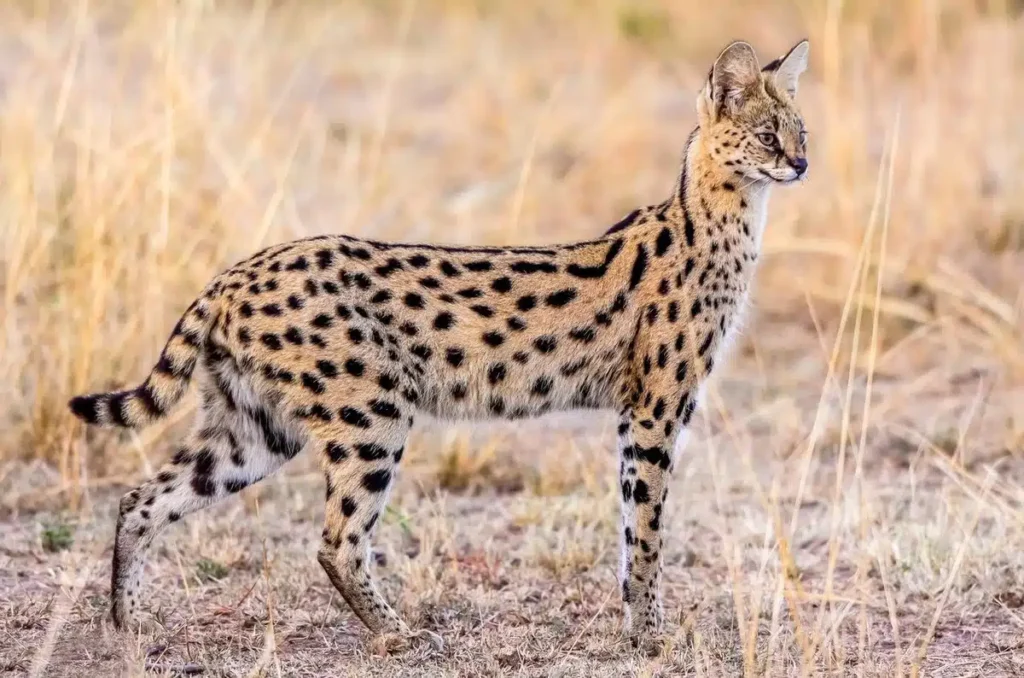
The Savannah is the most extravagant breed on our list. It is a hybrid of a domestic cat and a wild African serval. That is why the Savannah cat, the price of which can reach the cost of a new car, is considered a status symbol. They are tall, long-legged, with large ears and spotted coloring.
Generations and care complexity
Savannahs are divided into classes from F1 to F5, where the number indicates the percentage of wild serval blood (F1 is closest to the wild). The closer to F1, the larger the cat and the more complex its character.
This is not a "couch potato." Savannahs are incredibly active, bouncy (can jump 6–10 feet straight up) and intelligent. They often love water, easily learn to walk on a leash, and even fetch a ball like dogs. It is crucial to understand that such an animal needs space. In a small apartment, a Savannah will feel cramped and may start destroying the interior out of bordom.
4. Siberian Cat: The Force of Nature
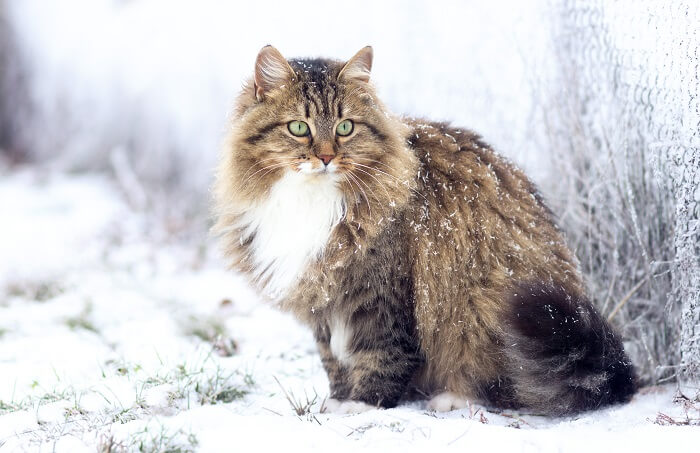
The Siberian cat is another native representative that has developed for centuries without human interference. These are powerful, muscular animals with a very thick triple coat that protects them from any frost. An adult male looks very impressive, with weight often reaching 20 lbs (9 kg), although a significant part of the volume is luxurious fur.
Hypoallergenic myth or reality?
There is a common opinion that the Siberian cat and allergies are incompatible things, meaning they do not cause reactions. This is partly true. The saliva of Siberians contains less Fel d 1 protein, which is the main allergen. Therefore, many people with mild allergies can live with these cats. However, before buying, you must conduct a "test drive" and interact with the animal.
By character, they are independent, intelligent hunters. Siberians become attached to their owner but retain their own dignity. They get along excellently with other animals if they acknowledge their authority.
5. Norwegian Forest Cat: The Viking Cat
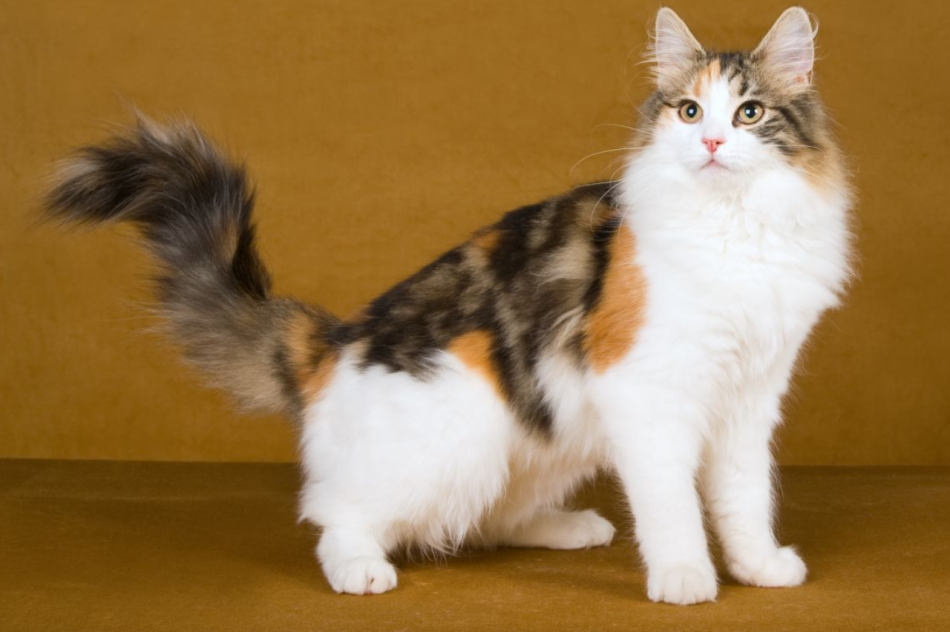
Outwardly, the Norwegian Forest Cat (or "Wegie") looks somewhat similar to the Maine Coon and Siberian, but has its own unique features. They have a straight "Greek" profile and a triangular head. Legends say that these very cats traveled on Viking ships, protecting supplies from rodents.
Climbers and explorers
The main passion of Norwegians is heights. If you get this breed, be sure to buy a tall "cat tree" reaching the very ceiling. Their claws are so strong that they are one of the few cats capable of climbing down a tree headfirst. Their character is Nordic: reserved but friendly. They mature slowly, reaching full physical maturity only by 4–5 years.
6. Chartreux: The Smiling Frenchman
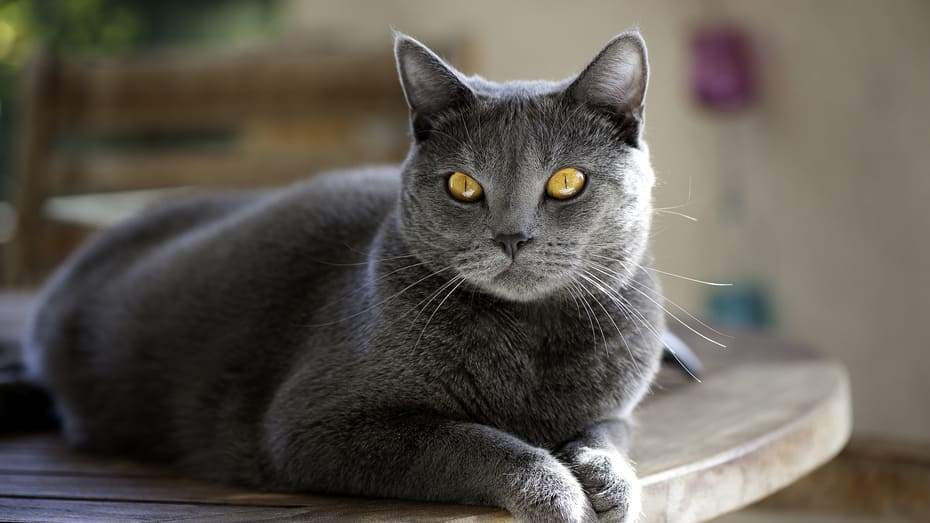
The Chartreux (or Carthusian cat) may seem smaller against the background of a Maine Coon, but this is a deceptive impression. This is a very massive, heavy breed. They are often called a "potato on toothpicks" because of the contrast between the massive body and relatively thin legs.
This is one of the oldest breeds in Europe. Their fur is short but very thick and plush, exclusively blue in color. An interesting feature of the muzzle structure creates the impression that the Chartreux is constantly smiling. By temperament, these are perhaps the quietest cats in the world. They rarely meow, and if they do give voice, it is a very quiet squeak that is strange to hear from such a hefty fellow. They are ideal companions for single people, as they are very devoted but absolutely unobtrusive.
Comparative table of giant characteristics
To make your choice easier, we have summarized the main data in one table. Note that the weight is indicated for adult males (females are usually smaller).
Comparative table of giant characteristics · 6
| Breed | Average Weight (Males) | Activity | Grooming Needs | Character Feature |
|---|---|---|---|---|
| Maine Coon | 18–26 lbs | Medium | High | Social, "chatty" |
| Ragdoll | 15–22 lbs | Low | Medium | Relaxed, trusting |
| Savannah | 13–26 lbs (depends on class) | Very High | Low | Energetic, dog-like |
| Siberian | 13–20 lbs | Medium/High | High | Independent, smart |
| Norwegian Forest | 13–20 lbs | High | High | Loves heights, playful |
| Chartreux | 11–16 lbs | Low/Medium | Low | Silent, devoted |
Important nuances of living with a big cat
The decision to get a big cat must be weighed carefully. Here are several aspects that future owners often forget:
- Toilet: A standard litter box won't suit any of the listed breeds (except, perhaps, Chartreux females). You will have to buy an XXL size box or even use containers for dogs or plastic storage bins.
- Carrier: Forget about cheap plastic boxes. You will need a sturdy carrier for medium-sized dogs, otherwise, the bottom might simply not withstand the weight of your treasure during a trip to the vet.
- Nutrition: A big cat eats a lot. This is banal, but it significantly affects the bugdet. Furthermore, for large breeds, the balance of calcium and phosphorus is extremely important, as well as the presence of chondroprotectors in the diet to support joints.
- Space: When a 22-pound Maine Coon decides to get the "zoomies" at three in the morning, it sounds like the stomping of a child. They need room to maneuver, and sturdy scratching posts that won't tip over under their weight.
Conclusions: Who to choose?
The choice of breed depends on your lifestyle. If you are looking for a calm friend who will warm you on winter evenings, choose the Ragdoll or Chartreux. If you are an acitve person who wants interaction and games, your choice is the Savannah or Norwegian Forest Cat. And if you need a full-fledged family member who will participate in all household chores and meet you at the door, the Maine Coon or Siberian Cat will be the ideal option.
Remember that regardless of breed, every cat is an individual. A big cat is a big responsibility, but also a huge portion of love that you will receive in return. Take care of your giants, and they will thank you with years of devoted friendship.