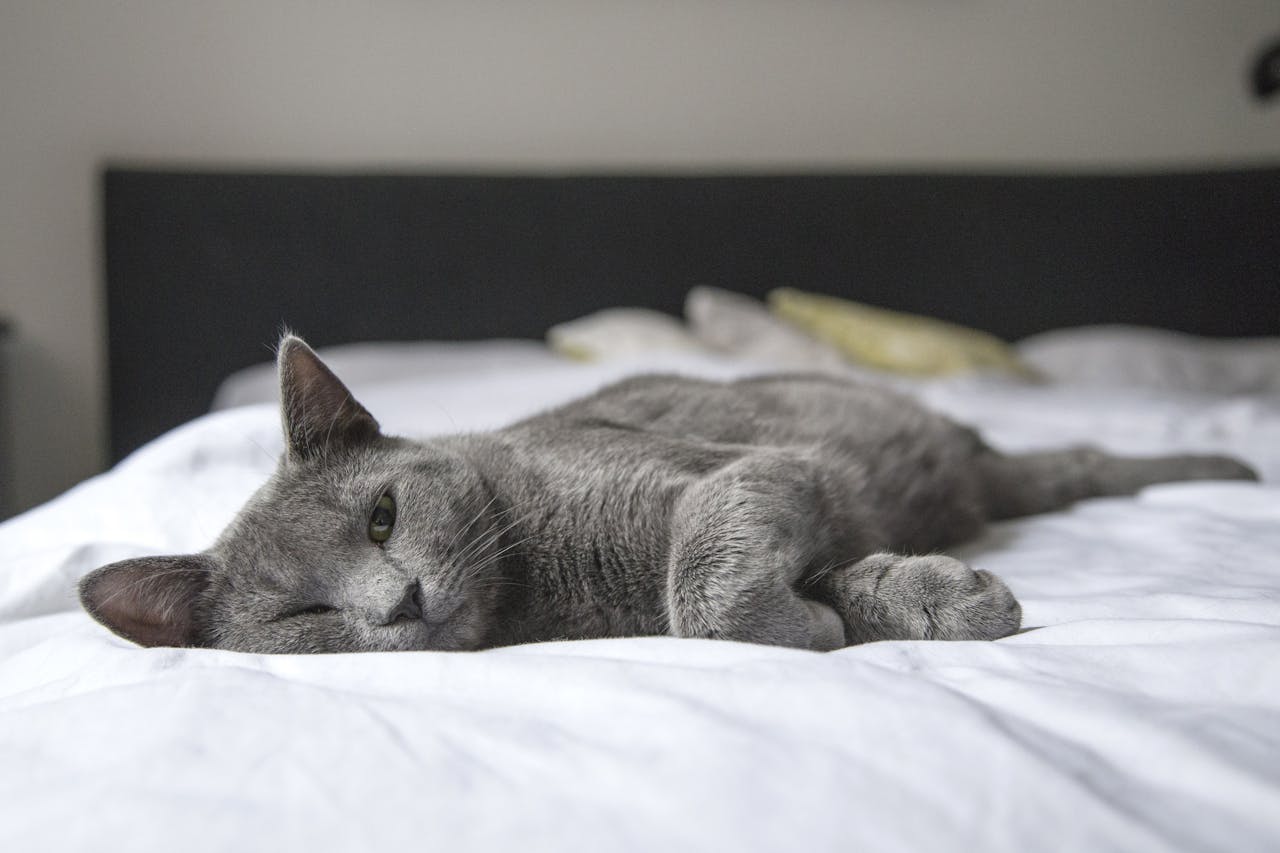
Your cat is more than just a pet—they're a full-fledged family member, a tiny ball of fluff that brings comfort and endless love into your home. So, it's natural to feel concerned when you notice any changes in their behavior or well-being. One diagnosis that can sound scary at the vet's office is diabetes. But here's the good news: modern veterinary medicine allows us to effectively manage this condition and ensure your beloved feline lives a long and happy life. The key is knowing how to spot the problem early and understanding what to do next. For more on everything you need to know about cat diabetes, check out the resources from Tvaryny.
What Is Feline Diabetes?
Simply put, diabetes mellitus is an endocrine disease where a cat's body can't properly regulate its blood glucose (sugar) levels. Glucose is the main source of energy for cells, and the "key" that unlocks those cells for glucose is a hormone called insulin, which is produced by the pancreas.
- The Normal Process: After a meal, blood glucose levels rise. The pancreas produces insulin, which helps glucose enter the cells to be used for energy. Blood sugar levels then return to normal.
- The Diabetic Process: The body either doesn't produce enough insulin (similar to Type 1 diabetes in people), or the cells become resistant to it, ignoring its signal (Type 2 diabetes). In both cases, glucose can't get into the cells and instead builds up in the bloodstream to dangerous levels.
In cats, Type 2 diabetes is the most common form. Cells essentially "starve" despite high blood sugar, and the body begins to break down fat and muscle for energy, leading to weight loss and other serious consequences.
Risk Factors: Who Is in the Danger Zone?
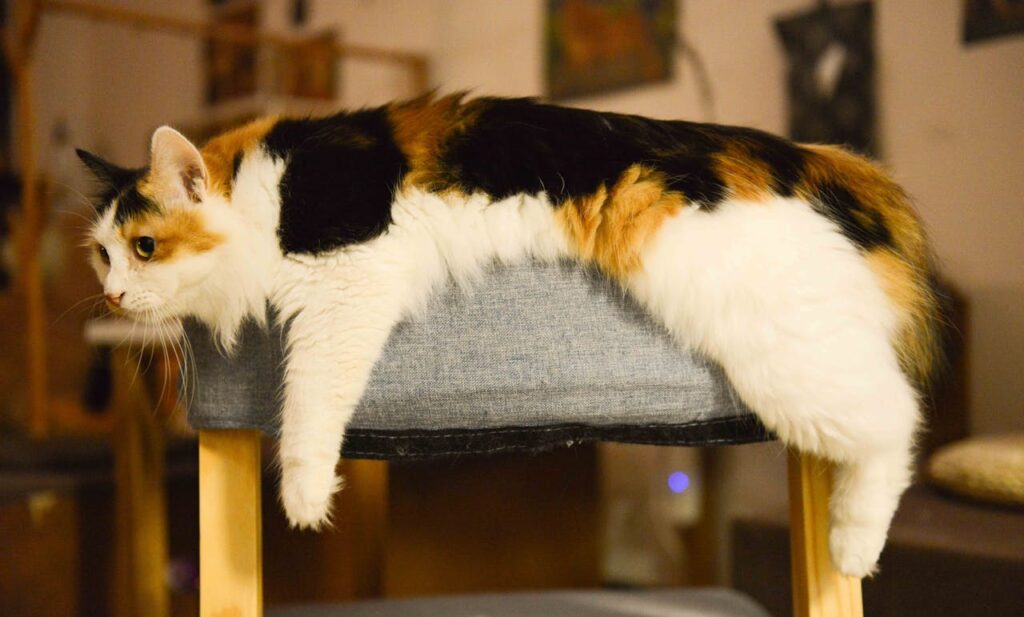
While any cat can develop diabetes, certain factors significantly increase the risk:
- Overweight and Obesity. This is the number one risk factor. Fat tissue produces hormones that reduce a cell's sensitivity to insulin.
- Age. The disease is most often diagnosed in cats over 7–8 years old.
- Gender. Male cats are about twice as likely to get diabetes as female cats.
- Lack of Physical Activity. A sedentary lifestyle contributes to weight gain and worsens glucose metabolism.
- Breed. While any cat can get it, some breeds, such as the Burmese, have a genetic predisposition.
- Steroid Therapy. Long-term use of corticosteroids to treat allergies or inflammation can trigger the development of diabetes.
- Other Health Conditions. Chronic pancreatitis, thyroid diseases, and other conditions can affect how the pancreas works.
It's important to note that procedures like spaying and neutering are vital for preventing many diseases and correcting behavioral issues. However, after the operation, animals are prone to weight gain. This makes controlling their diet and activity even more crucial to prevent obesity and, in turn, diabetes.
How to Spot the Signs: Key Symptoms of Feline Diabetes
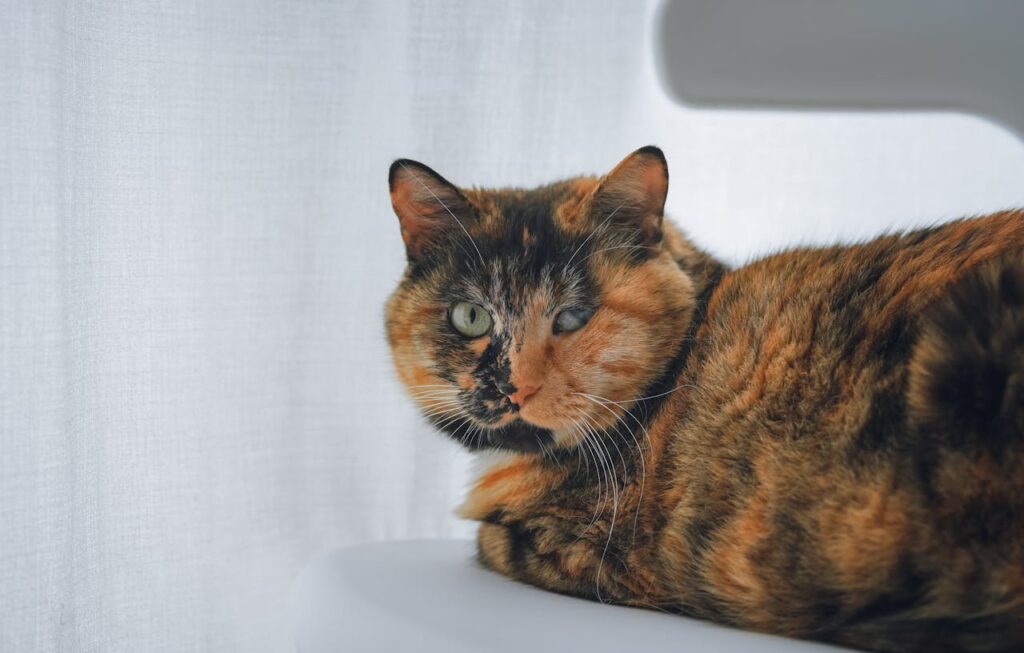
Symptoms of diabetes often develop gradually, and a vigilant owner can notice changes long before the condition becomes critical. The classic signs are often called the "four P's":
- 💧 Polydipsia (Increased Thirst): You may notice the water bowl emptying much faster than usual. Your cat will drink for a long time, greedily and often. They might start looking for water in unusual places (in the sink, bathtub, or even the toilet).
- 🚽 Polyuria (Frequent Urination): The excess glucose forces the kidneys to work overtime, flushing it out with urine and taking a lot of water with it. The litter box fills up faster, and the clumps of urine are larger. Sometimes, a cat may start urinating outside the box because it's too full or they can't hold it in.
- 🍔 Polyphagia (Increased Appetite): The animal's cells are "starving," so the brain constantly receives signals to eat. Your cat may become clingy, always begging for food, and even stealing it from the counter, even if they just ate.
- 📉 Weight Loss: Despite a ravenous appetite, your cat is losing weight. This is a paradoxical but very alarming symptom. The body, unable to get energy from glucose, starts breaking down its own fats and muscles.
Other important symptoms of feline diabetes:
- Lethargy and Apathy: The animal plays less, sleeps more, and loses interest in things that once brought them joy.
- Poor Coat Condition: The coat becomes dull, unkempt, and dandruff may appear.
- Weakness in the Hind Legs (Diabetic Neuropathy): This is a specific sign. A cat may start walking on their hocks instead of their toes, a gait often called a "plantigrade stance."
- Prone to Infections: High blood sugar creates a perfect breeding ground for bacteria, so urinary tract infections or skin problems may occur frequently.
Diagnosis: What to Expect at the Vet
If you suspect your cat has diabetes, don't panic. Schedule an appointment with your veterinarian. To confirm a diagnosis, they will usually perform the following tests:
- Blood Glucose Test: The primary test that shows the blood sugar level at the time of the draw. It's important to know that cats can have "stress hyperglycemia"—a temporary increase in sugar due to the stress of a vet visit.
- Urinalysis: The presence of glucose in the urine (glucosuria) is a strong indicator of diabetes, as healthy animals should not have any. The test also checks for ketones, a sign of the dangerous complication called diabetic ketoacidosis (DKA).
- Fructosamine Blood Test: This is the "gold standard" for diagnosis. Fructosamine shows the average blood glucose level over the past 2–3 weeks, which helps differentiate true diabetes from stress hyperglycemia.
Your vet may also recommend an abdominal ultrasound to assess the pancreas and other organs, as well as a complete blood count and biochemistry panel to identify any coexisting problems.
Treating Feline Diabetes: A Guide for Owners
So, the diagnosis is confirmed. Your life and your cat's life will now change, but that doesn't mean they'll be worse. The main pillars of successful diabetes management in cats are insulin, diet, and monitoring.
1. Insulin Therapy
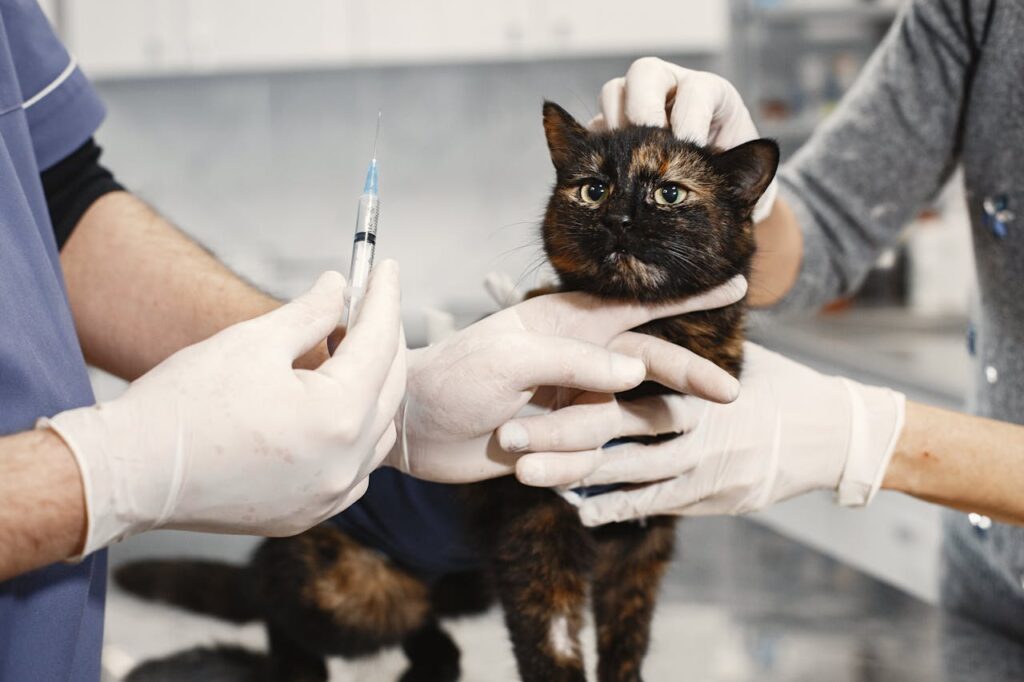
For most diabetic cats, insulin injections are essential. The thought of giving your pet a shot can be intimidating, but it's actually simpler than it seems. Your vet will teach you everything you need to know:
- Insulin Type and Dosage: Your vet will select the right medication (such as glargine or protamine zinc insulin) and calculate a starting dose tailored specifically for your cat.
- Injection Technique: You'll use special insulin syringes with a very fine needle. The shot is given just under the skin, usually in the scruff of the neck. Most cats tolerate this procedure very well, especially if it's associated with mealtime.
- Schedule: Insulin is typically given twice a day, 12 hours apart, right after your cat eats.
2. Diet for Diabetic Cats
Diet plays a huge role in stabilizing your cat's condition. The main principle is to provide a high-protein, low-carbohydrate diet.
- Wet Food: Veterinarians often recommend transitioning a diabetic cat to a specialized therapeutic wet food (pates, gravies, and canned formulas). These have a low carbohydrate and high protein content, which helps prevent sharp spikes in blood sugar after meals.
- Dry Food: Most dry foods, even premium ones, contain a significant amount of carbohydrates (grains, potatoes) to form the kibble. While special prescription dry foods for diabetic cats exist, wet food is usually the better choice.
- Feeding Schedule: You need to feed your cat on a strict schedule, usually twice a day, right before their insulin injection. No snacks or treats between meals!
Any issues that affect your cat's appetite can make diabetes management difficult. For example, conditions like feline dental problems can cause pain when chewing, leading a cat to refuse food. This is dangerous because giving insulin without a meal can cause a critical drop in blood sugar. So, regular oral exams are extremely important.
3. Monitoring Blood Glucose Levels
Checking blood sugar is how you know if the insulin dose is working. You can do this in two ways:
- At the Clinic: Periodically, your vet will ask you to bring your cat in for a "glucose curve." Over the course of 8–12 hours, they will take blood samples several times to measure sugar levels and see how they change in response to insulin.
- At Home: This is the ideal option because it eliminates the stress factor. Your vet can show you how to use a human glucometer and take a small blood sample from your cat's earflap. It's painless and allows you to monitor their condition regularly.
4. Physical Activity and Weight Control
Regular but moderate exercise helps improve a cat's sensitivity to insulin and promotes weight loss. Just 15–20 minutes of play with a wand toy, laser pointer, or balls twice a day is enough. The key is consistency and avoiding overexertion.
Living with a Diabetic Cat: Is a Happy Future Possible?
Yes, absolutely! The hardest part is the first few weeks as you and your cat adjust to the new routine. Over time, injections and scheduled feedings will become second nature. The most important thing is consistency.
- Create a Routine: Feed and give injections at the same time every day.
- Always Have Supplies: Make sure you have a consistent stock of insulin, syringes, test strips, and specialized food. Insulin must be stored in the refrigerator.
- Inform Everyone: If you're going on vacation, the person watching your cat must be thoroughly trained on the care routine.
- Observe and Love: Your attention to changes in your cat's appetite, thirst, or activity is the best way to monitor their condition.
Frequently Asked Questions (FAQ)
Can a cat be cured of diabetes?
Yes, cats can achieve what is called diabetic remission. This happens when a strict low-carb diet and insulin therapy relieve the burden on the pancreas, and it regains its function. The cat no longer needs insulin injections. The best chances for remission are in cats that are diagnosed early and start the correct treatment right away. However, even in remission, the cat still needs a permanent diet and monitoring, as the disease can return.
What if I miss an insulin injection?
Never give a double dose! That is far more dangerous than skipping a dose. If you're 1–2 hours late, give the shot and try to get back on the regular schedule gradually. If more time has passed, it's best to skip that dose and give the next one as scheduled. One missed dose isn't critical, but an insulin overdose can cause hypoglycemia (a sudden drop in blood sugar) and be fatal.
Is it expensive to treat a diabetic cat?
Initial costs for diagnostics, insulin, and vet consultations can be substantial. Ongoing monthly expenses include the cost of insulin (a single vial often lasts for a few months and can range from $30 to over $100), syringes, glucometer test strips, and specialized food. For many owners, the health of their pet is priceless. To give you a rough idea, a starter glucometer kit for pets can be around $35–50, and specialized prescription wet food can cost $60–80 a case for a month's supply. These costs can vary based on location and specific needs.
Conclusion: Your Love Is the Best Medicine
A diagnosis of feline diabetes is serious, but it's not a cause for despair. It's a journey you and your pet will take together. Your care, discipline, and close collaboration with your veterinarian are the keys to ensuring your cat lives a long, comfortable, and happy life, filled with purrs and affection. You are the most important person on their healthcare team, and you can absolutely do this.