

Gland inflammation in dogs at a glance
- “Glands” is an umbrella term: the ones that most often become inflamed are the anal sacs (sacculitis), less often the mammary glands (mastitis, in nursing bitches) and the salivary glands (sialadenitis, mucocele). The signs and treatment differ.
- The classic sign of an anal-sac problem is “scooting” (dragging the bottom along the floor) plus a persistent “fishy” smell; the usual cause is soft stool, too little fiber or excess weight.
- ⛔ Don’t express the anal sacs yourself without training — it’s easy to injure the tissue and introduce infection. Let a vet do it.
- Left untreated, the inflammation is dangerous: an abscess and fistula (anal sacs), sepsis and gangrene (mastitis — deadly for the bitch and pups), or choking with a mucocele. Early diagnosis dramatically improves the outcome.
The glands in a dog’s body perform many vital functions, from producing hormones and digestive enzymes to secretions that help mark territory. But like any other organ, glands are prone to inflammation, which can cause considerable discomfort and serious health problems for your pet. Recognizing the symptoms in time and understanding the causes is the key to successful treatment. This guide takes a detailed look at the most common types of gland inflammation in dogs, their symptoms and how they are treated.
Anal-sac inflammation: causes, symptoms, treatment
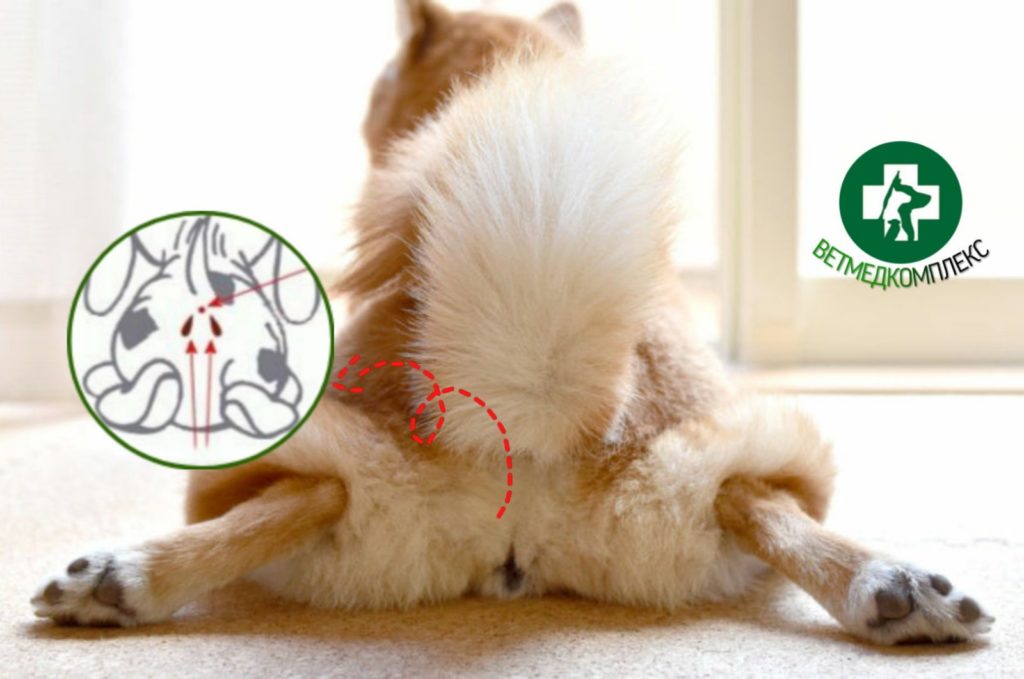
Anal-sac inflammation, also known as sacculitis, is one of the most common problems that bring dog owners to the vet. These two small sacs, located on either side of the anus, produce a strong-smelling secretion used to mark territory. Normally they empty naturally during defecation.
Causes of the inflammation
Problems arise when the ducts of the sacs become blocked and the secretion cannot escape. This leads to stagnation, irritation and, eventually, inflammation and infection. The main causes of anal-sac inflammation in dogs include:
- The wrong stool consistency: Stool that is too soft, or frequent diarrhea, does not put enough pressure on the sacs to empty them.
- Diet: A low-fiber diet can lead to bowel problems. Food allergy can also be a contributing factor.
- Obesity: Excess weight can physically make it harder for the sacs to empty.
- Anatomical features: Some dogs, especially small breeds (for example, Chihuahuas, toy terriers), have a genetic tendency toward narrow or poorly positioned ducts.
- Secondary infection: Stagnant secretion is an ideal medium for bacteria to multiply.
Symptoms of the inflammation
This type of gland inflammation in dogs is fairly easy to recognize by its characteristic behaviour:
- “Scooting”: The dog drags its rear along the carpet, grass or floor, trying to relieve the itch or discomfort.
- Excessive licking: The animal constantly licks or chews the area under the tail.
- Pain and discomfort: The dog may whine when defecating, avoid sitting or become restless.
- Unpleasant smell: A strong “fishy” smell that is not linked to defecation.
- Visible changes: Swelling and redness on both sides of the anus. In advanced cases an abscess may form and burst outward, creating a wound (fistula).
Diagnosis and treatment
The diagnosis is usually made on clinical examination and palpation of the sacs. Treatment depends on the stage of the disease:
- Manual expression: In the early stages the vet can empty the sacs by hand. Doing this yourself without proper training is not recommended, as you can injure the tissue.
- Flushing and antibiotics: If the secretion has thickened or there are signs of infection, the vet flushes the sac cavity with an antiseptic solution and may instil an antibiotic. Systemic antibiotics and anti-inflammatory drugs are often prescribed as well.
- Treating an abscess: If an abscess has formed, it must be surgically opened, drained and thoroughly cleaned.
- Diet therapy: Adjusting the diet and adding fiber to normalize the stool.
- Surgical removal (sacculectomy): When the inflammation becomes chronic and keeps recurring, causing the animal to suffer, complete removal of the anal sacs may be recommended.
Mammary-gland inflammation, or mastitis
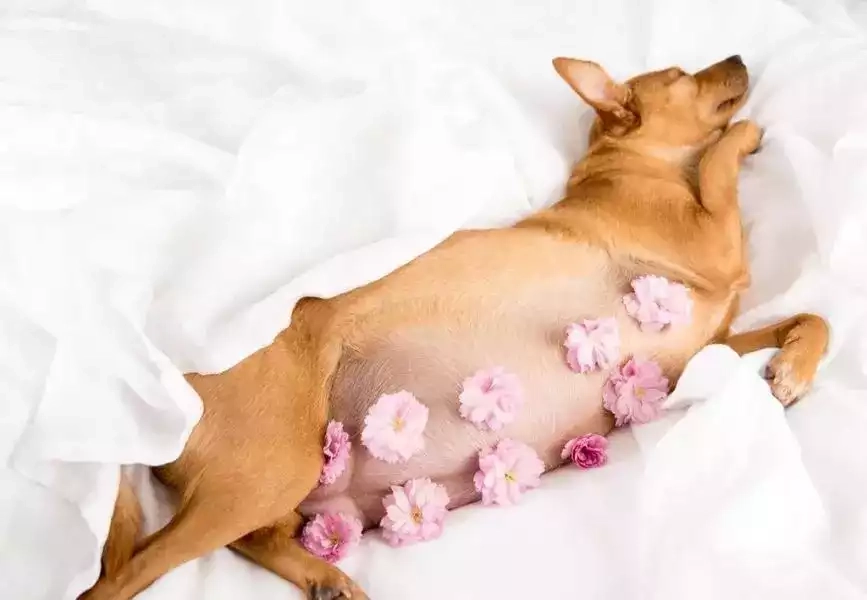
Mastitis in a dog is inflammation of one or more mammary glands. It occurs most often in lactating (nursing) bitches, but can also arise during a false pregnancy or, rarely, even in non-pregnant animals.
Causes of mastitis
- Bacterial infection: This is the most common cause. Bacteria (often E. coli, staphylococci, streptococci) enter the mammary gland through the teat canal. The risk rises with scratches from puppies’ claws or unhygienic housing conditions.
- Milk stagnation (galactostasis): If too much milk is produced, or the pups don’t suckle it fully (for example with early weaning or loss of the litter), the milk stagnates. This creates pressure, damages the tissue and becomes a breeding ground for bacteria.
- Trauma: A blow or injury to the mammary gland can trigger an inflammatory process.
Symptoms of mastitis
Symptoms can range from mild to very severe:
- Changes in the mammary glands: The affected glands become hot, hard, swollen and painful. The skin around them may redden or even take on a bluish tinge.
- Changes in the milk: The milk may become thick and yellowish and contain flakes, pus or traces of blood.
- General state: The dog becomes listless and apathetic and loses its appetite. A high temperature (fever) may develop.
- Behaviour: The bitch may refuse to feed the pups because of pain or, on the contrary, refuse to leave them.
- Effect on the pups: Puppies feeding on infected milk may become restless and cry, may develop diarrhea and gain weight poorly.
Diagnosis and treatment
Diagnosis is based on examination, palpation of the glands and analysis of the symptoms. The vet may take a milk sample for bacterial culture and antibiotic-sensitivity testing.
Treatment of mastitis in a dog requires a comprehensive approach:
- Antibiotic therapy: Antibiotics that are safe for the nursing bitch and the pups are prescribed.
- Anti-inflammatory drugs: To reduce pain, swelling and fever.
- Care of the glands: Warm compresses before feeding (to ease milk flow) and cold compresses between feeds (to reduce swelling).
- Expressing milk: If the bitch cannot feed, careful manual expression of the stagnant milk from the affected glands may be needed to relieve the pressure.
- Care of the pups: If the milk is infected, the puppies may have to be moved temporarily to artificial feeding.
- Surgery: In severe cases, when an abscess forms or the tissue begins to die (necrosis), surgical opening, drainage or even removal of the affected mammary gland (mastectomy) is needed.
Salivary-gland inflammation: causes, symptoms, treatment
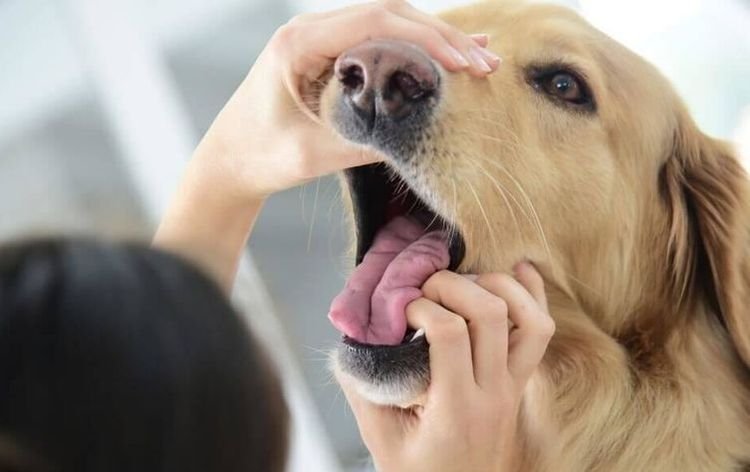
Salivary-gland inflammation (sialadenitis) in dogs is less common than problems with the anal or mammary glands, but can be just as serious. More often, vets deal not with the inflammation itself but with its consequence or an associated problem — a mucocele (salivary cyst), where saliva builds up under the skin because of damage to a gland duct. However, primary salivary-gland inflammation in a dog is also possible.
Causes of the inflammation
- Trauma: Injury during play, a fight or eating sharp objects (such as sticks) can damage a salivary gland or its duct.
- Infection: A bacterial or fungal infection can enter the gland.
- Salivary stones (sialoliths): The formation of “stones” in a salivary duct that block the outflow of saliva.
- Immune-mediated disease: In some cases the dog’s immune system may mistakenly attack its own salivary glands.
- Idiopathic causes: Often the exact cause cannot be determined.
Symptoms of the inflammation
The symptoms depend on which gland is affected (dogs have several pairs — mandibular, sublingual, parotid, zygomatic).
- Swelling: The most obvious symptom. It may be a soft, fluctuating swelling under the jaw (with the mandibular gland) or under the tongue (a ranula). With inflammation of the zygomatic gland the swelling may appear under the eye.
- Pain: The dog may feel pain when opening its mouth, chewing or when the affected area is palpated.
- Drooling (hypersalivation): Excessive production of saliva.
- Difficulty eating: The dog may refuse food, eat cautiously or whine while eating.
- Fever and lethargy: With an acute infectious process.
Diagnosis and treatment
To make a diagnosis the vet carries out a thorough examination of the mouth. A key method is aspirating fluid from the swelling with a fine needle (fine-needle aspiration). Obtaining thick, stringy, honey-colored saliva usually confirms a mucocele. With sialadenitis the contents may be purulent. Ultrasound or CT can help visualize the gland and the surrounding structures.
Treatment of salivary-gland inflammation in a dog depends on the cause:
- Antibiotics: For a bacterial infection.
- Anti-inflammatory drugs: To reduce pain and swelling. With immune-mediated disease, corticosteroids may be needed.
- Surgery (sialoadenectomy): This is the most common and most effective treatment for a salivary mucocele. It involves complete removal of the affected salivary gland and its duct to prevent recurrence. The other glands compensate for the loss of one.
The three types of gland inflammation in dogs
| Type of gland | Who it affects most | Key sign | Danger if untreated |
|---|---|---|---|
| Anal sacs (sacculitis) | Any dog, more often small breeds | “Scooting”, fishy smell, swelling by the anus | Abscess, fistula, scarring |
| Mammary (mastitis) | Nursing and falsely pregnant bitches | Hot, hard, painful gland; altered milk | Gland gangrene, sepsis, death of the pups |
| Salivary (sialadenitis, mucocele) | Rarely, any dog | Fluctuating swelling under the jaw or tongue, drooling | Growing cyst — risk of choking, weight loss |
What is the risk of leaving the inflammation untreated?
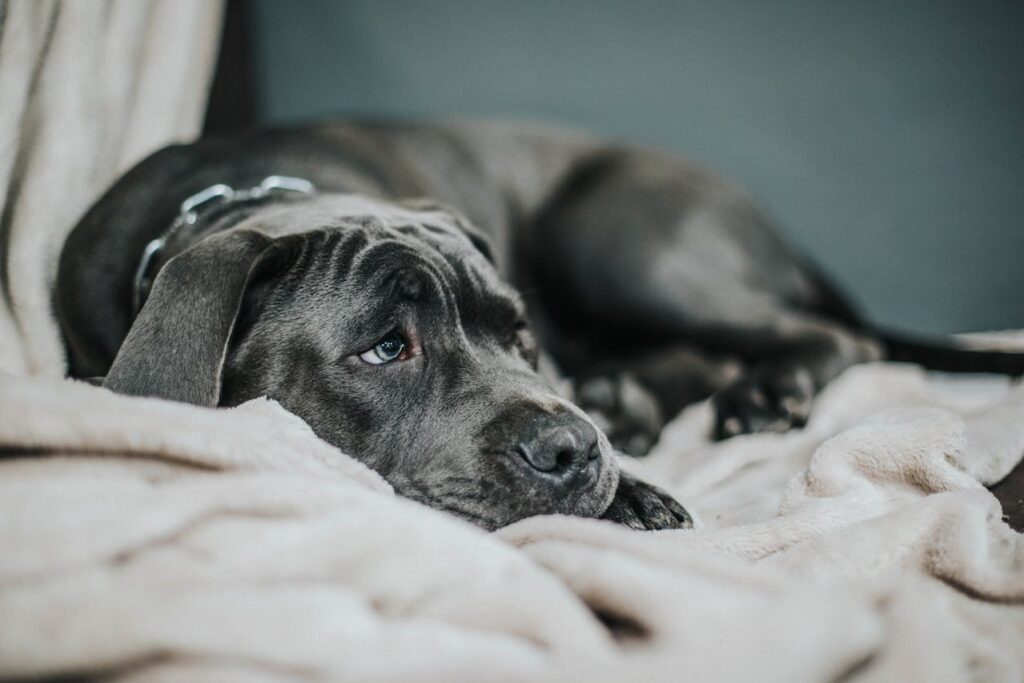
Ignoring the symptoms of any gland inflammation in a dog can lead to serious and sometimes life-threatening complications. What starts as minor discomfort can quickly turn into an emergency.
Risks with anal-sac sacculitis
If anal-sac inflammation in a dog is left untreated, the blocked secretion becomes infected and an abscess develops. This is an extremely painful condition. The abscess grows until it bursts outward through the skin near the anus. This creates an open, purulent wound (fistula) that requires long treatment, flushing and strong antibiotic therapy. In the worst cases the infection can spread to the surrounding tissue, and chronic inflammation leads to scarring, which makes the sacs even harder to empty in future.
Risks with mastitis
The consequences of untreated mastitis in a dog can be catastrophic. First, it is a direct threat to the pups, which either starve (refusing to drink the infected milk) or receive a dose of bacteria with it, leading to puppy sepsis (“toxic milk syndrome”). For the bitch herself, the infection can lead to gangrene of the mammary gland — the tissue starts to die, turning black and cold. The most dangerous complication is systemic sepsis, when bacteria from the milk enter the mother’s bloodstream. This causes septic shock and organ failure and is often fatal without aggressive emergency care.
Risks with salivary-gland inflammation
Although sialadenitis or a mucocele rarely threatens life, it markedly lowers its quality. A salivary cyst (mucocele) will keep growing. If it sits under the tongue (a ranula) or in the pharynx (a pharyngeal mucocele), it can reach a size that interferes with breathing or swallowing, creating a risk of asphyxia. Chronic pain stops the dog from eating normally, leading to weight loss and apathy.
General conclusions and prevention
Gland inflammation in dogs is a group of conditions that demands the owner’s attention. Although the causes and location differ, one thing is common: early diagnosis dramatically improves the outlook. Never ignore symptoms of gland inflammation in dogs such as unusual behaviour (for example, “scooting”), swellings, pain, lethargy or changes in appetite.
General prevention includes:
- Regular veterinary check-ups: They allow problems to be caught at an early stage.
- A balanced diet: A quality food with enough fiber supports normal bowel movement and stool consistency, which is important for preventing sacculitis.
- Weight control: Keeping a healthy weight lowers the risk of many problems, including anal-sac inflammation.
- Hygiene: Especially important for nursing bitches. A clean, dry place for the mother and pups reduces the risk of mastitis.
- Attentiveness: Watch your pet. You know its “normal” better than anyone. Any deviation is a reason to consult a specialist.
Self-treatment, or hoping it “goes away on its own”, is a dangerous tactic with gland inflammation. Only a veterinarian can make an accurate diagnosis and prescribe suitable treatment that will help your pet recover quickly and avoid serious complications.
FAQ
What is “scooting” — is it always worms?
It’s when a dog drags its bottom along the floor or carpet. The cause is most often not worms but full or inflamed anal sacs. It calls for a vet’s examination, not just a deworming product.
Can I express the anal sacs myself at home?
It’s not recommended without training: it’s easy to injure the delicate tissue and introduce infection, and with the wrong technique the secretion is pushed inward rather than out. Better to leave it to a vet.
Why does my dog have a “fishy” smell under the tail?
That is the secretion of the anal sacs. A persistent strong smell outside of defecation is a sign that the sacs are full or inflamed and need to be checked.
Is mastitis dangerous for the puppies?
Yes. Infected milk causes “toxic milk syndrome” — diarrhea, weakness and sepsis in the pups. Sometimes the litter has to be moved temporarily to artificial feeding.
How can I prevent anal-sac inflammation?
Enough fiber in the diet (firmer stool empties the sacs naturally during defecation), weight control and regular veterinary check-ups, especially for small breeds with a tendency to it.