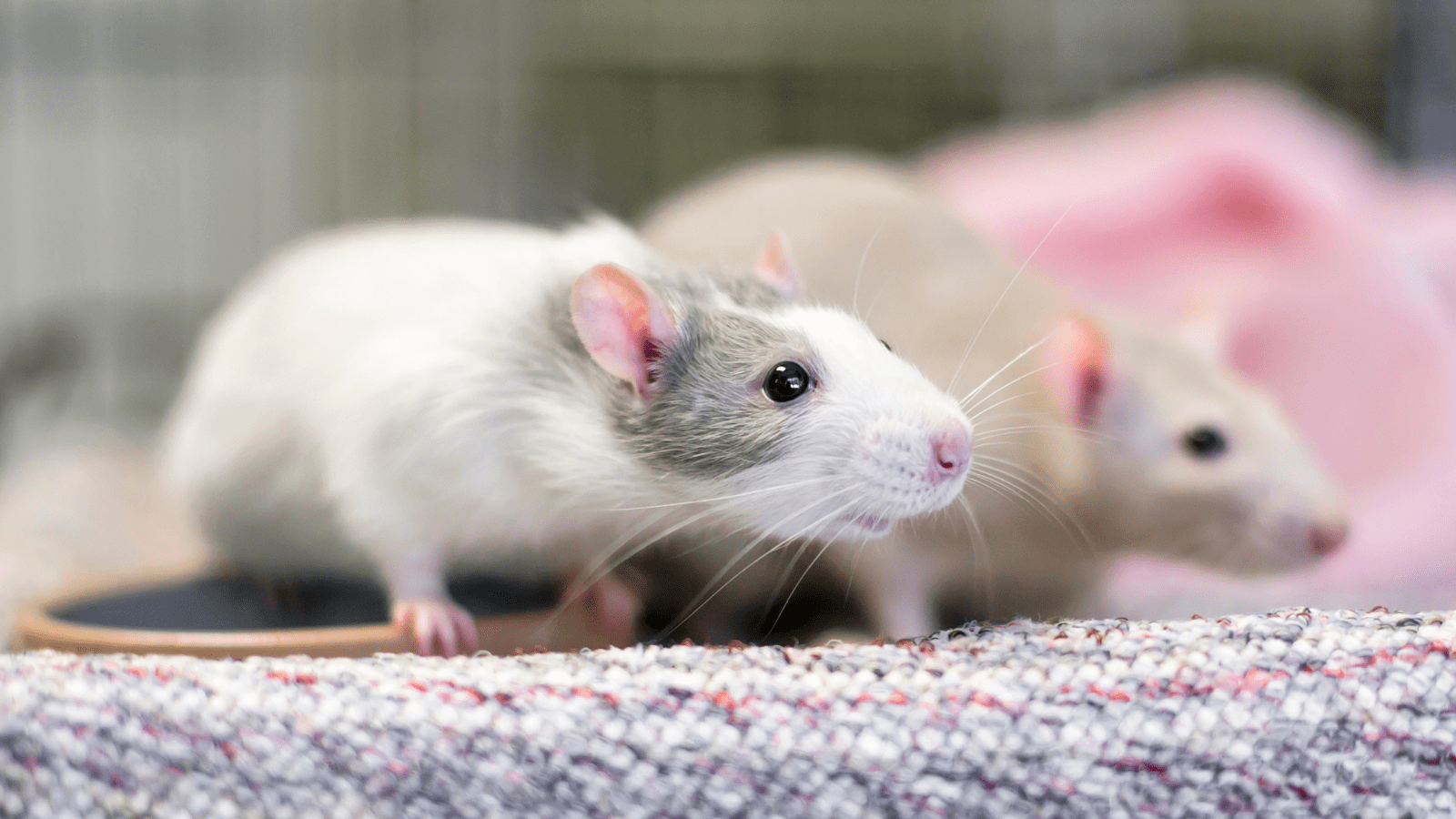
Deciding to get a pet often comes with a ton of questions and a little bit of doubt. Maybe you're staring at a tiny rat in the pet store right now, wondering if you can handle it or if they'll actually become a real friend. Believe it or not, fancy rats are some of the most underrated, incredibly smart, and empathetic creatures out there. Today, we'll break down every aspect of life with these fuzzy little intellectuals so you can feel totally confident. Learn more on Tvaryny.
Intelligence and socialization: why a rat is basically a "pocket dog"
Rats are often called pocket dogs, and honestly, that's no exaggeration. They quickly learn their names, can pick up tricks, and form genuine bonds with their owners. Their body language is super expressive and easy to read once you know what to look for.
For example, if a rat gently grinds its teeth and its eyes vibrate a little - this is called "bruxing" and "boggling." It means they are experiencing the ultimate level of contentment. Think of it as their version of a cat purring.
If you're trying to figure out which pet fits your lifestyle, maybe because you are looking into hypoallergenic cat and dog breeds, definitely keep rats on your radar. They offer that same strong emotional connection but require way less living space. They are literally the perfect option for city apartments and busy people.
But remember the golden rule: rats are highly social animals. You absolutely cannot keep them alone. In the wild, they live in large, bustling families. A solitary rat will quickly fall into depression, start getting sick, and have a much shorter lifespan. Always bring home a same-sex pair - two boys or two girls. This way, you avoid any suprise litters.
The perfect home: setting up your rodent's cage
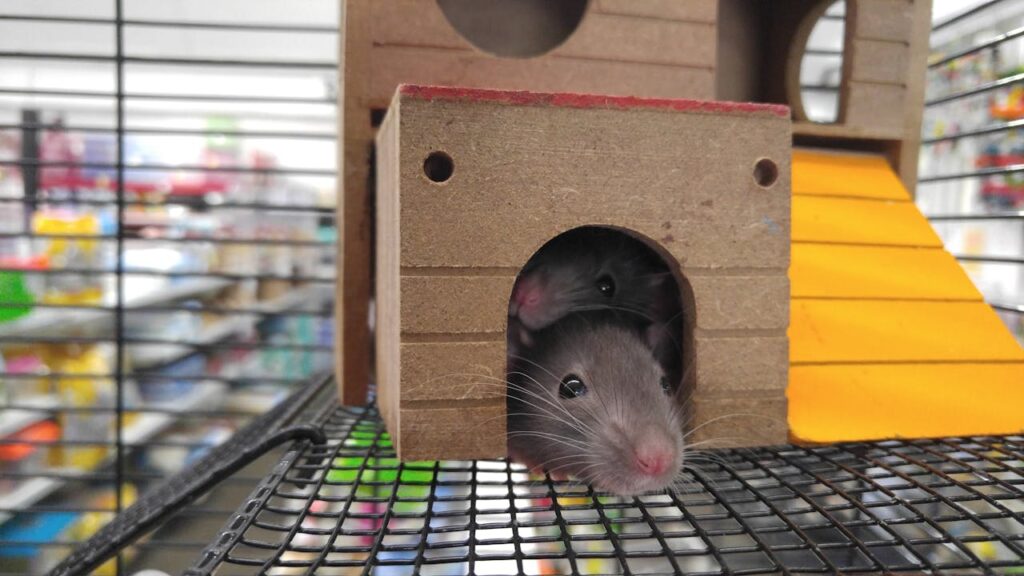
Your pet's habitat needs to be spacious and safe. Forget about those tiny hamster cages or glass aquariums. Rats need vertical space to climb, jump, and play hard. They also require excellent ventilation to prevent respiratory issues.
Where you put the cage matters just as much. Keep it away from direct sunlight, drafty windows, and loud noise sources like TVs or speakers. Rats are extremely sensitive to overheating and sudden loud sounds.
- Cage size: The absolute minimum dimensions for two rats are 24x16x20 inches (60x40x50 cm). Height is a big deal here. They love navigating their space vertically.
- Bedding: Use high-quality corn cob, cellulose, or paper bedding. Never use pine or cedar shavings. The essential oils in softwood are pretty much guaranteed to cause respiratory distress in rats.
- Shelter and lounging: Hang a few hammocks and place a roomy hideout at the bottom. You can easily make DIY hammocks out of old fleece sweaters or pants.
- Gear: You'll definately need a glass water bottle with a metal ball-bearing spout. Get a heavy ceramic bowl for food so they can't flip it or chew it up. Add some safe wooden chew toys to round things out.
A balanced diet: what goes in the food bowl
A proper diet is the foundation of a long life. A rat's nutrition should be as varied and balanced as possible. The core of their menu (about 60%) should be a high-quality, specialized lab block or rat seed mix. This should be available in their bowl at all times.
Caring for different types of rodents varies wildly. For example, if you read our complete A to Z guide on chinchilla care, you'll see that those guys absolutely cannot handle a lot of juicy, fresh foods. Rats, on the other hand, thrive on a daily portion of fresh veggies and leafy greens.
Also, unlike many other small pets, rats actually need some animal protein. Once or twice a week, offer them a tiny piece of boiled chicken breast, some low-fat cottage cheese, or a bit of hard-boiled egg. This is especially crucial for growing pups.
| Category | Good to go (Healthy) | Strictly forbidden (Dangerous) |
|---|---|---|
| Veggies and fruits | Cucumbers, carrots, broccoli, apples (no seeds), bananas | Raw potatoes, citrus (especially for males), green bananas, raw cabbage |
| Protein sources | Boiled egg, cooked chicken breast, low-fat cottage cheese | Sausage, hot dogs, smoked meats, raw eggs |
| Treats | Unsalted pumpkin seeds, a drop of plain yogurt, nuts (rarely) | Sweets, chocolate, chips, any seasoned or salty food from your plate |
Health and hygiene: what to keep a close eye on
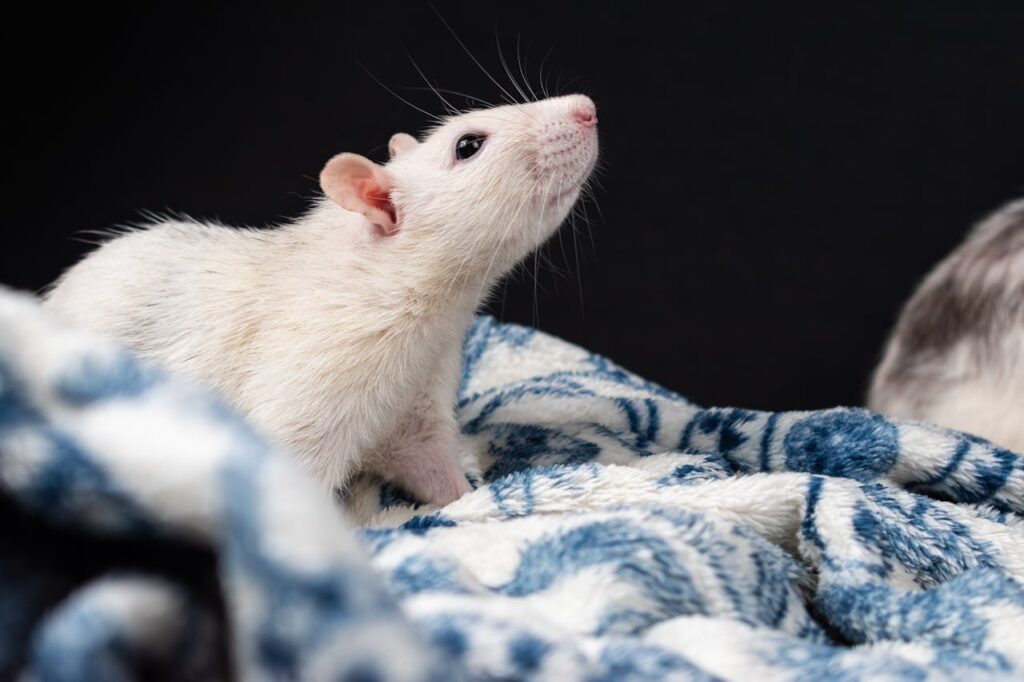
These little guys have a lightning-fast metabolism. Every process in their body moves quickly, and that includes illnesses. Because of this, your attention to detail as an owner can literally save their life. Regularly check your pet over, paying close attention to their coat and teeth.
Speaking of teeth. A healthy rat's incisors should actually be a yellow-orange color. If their teeth turn white - that's a huge red flag. It usually points to a severe calcium deficiency or other systemic health issues. If you see this, you need to book an appointment with an exotic vet right away.
"Your furry friend's health starts with your vigilance. Don't wait until the symptoms are impossible to ignore - pay close attention to even the smallest changes in their usual behavior or appetite."
- Porphyrin (red discharge): This is a secretion from a special gland that shows up around the eyes or nose. A lot of beginners freak out and mistake it for blood. A tiny bit after waking up is completely normal. But if there's a lot of it, it's a sign of severe stress, pain, or infection.
- Labored breathing: If your rat is breathing heavily from its sides, making cooing sounds, sniffling, or wheezing - that's a classic symptom of mycoplasma or pneumonia. Get to the vet ASAP!
- Weight and appetite loss: This is the most reliable indicator of how they are feeling. A healthy rat is always ready to chew on something or stash snacks for later.
- Lethargy: The rat is constantly sleeping, its fur looks puffed up or greasy, and it completely ignores treats. They might also refuse to come out of the cage for their evening playtime.
Safe free-roaming and training: how to become best friends
Rats absolutely need daily free-roam time outside of their cage. You should aim for at least 1–2 hours a day. This needs to be a safe, rat-proofed area that you can monitor - like a couch, a bed, or a specialized playpen. Free-roaming lets them stretch their muscles and satisfy their natural curiosity.
Before letting them out, make sure you hide all electrical cords, house plants (many are toxic to them), and any valuables. Set up some brain games for them. For instance, you can hide treats inside an empty paper towel roll and fold the ends shut. Your rat will have to use its smarts to figure out how to reach the prize.
Tame them carefully and take it slow. Offer treats from an open, flat palm. Never grab a rat from above by its back - instinctually, this mimics a bird of prey swooping down and will send them into a complete panic. Instead, scoop them up from below, letting the animal step onto your hand on its own terms.
Conclusion: your commitment and love
A fancy rat is a tiny miracle with a genuinely huge, kind heart. Yes, their lifespans are tragically short, which breaks all our hearts (they usually only live about 2 to 3 years). But they are guaranteed to fill that time with endless joy, hilarious antics, and a pure, devoted love for their human.
Don't be afraid to ask questions, do your research, and consult with exotic vets. Read up on their habits and remember: you are the entire world to this tiny creature. By providing them with a spacious cage, proper nutrition, fun activities, and a fuzzy companion, you'll end up with the best little friend you could ask for. Wishing you all the best and so many happy moments on this awesome journey!