

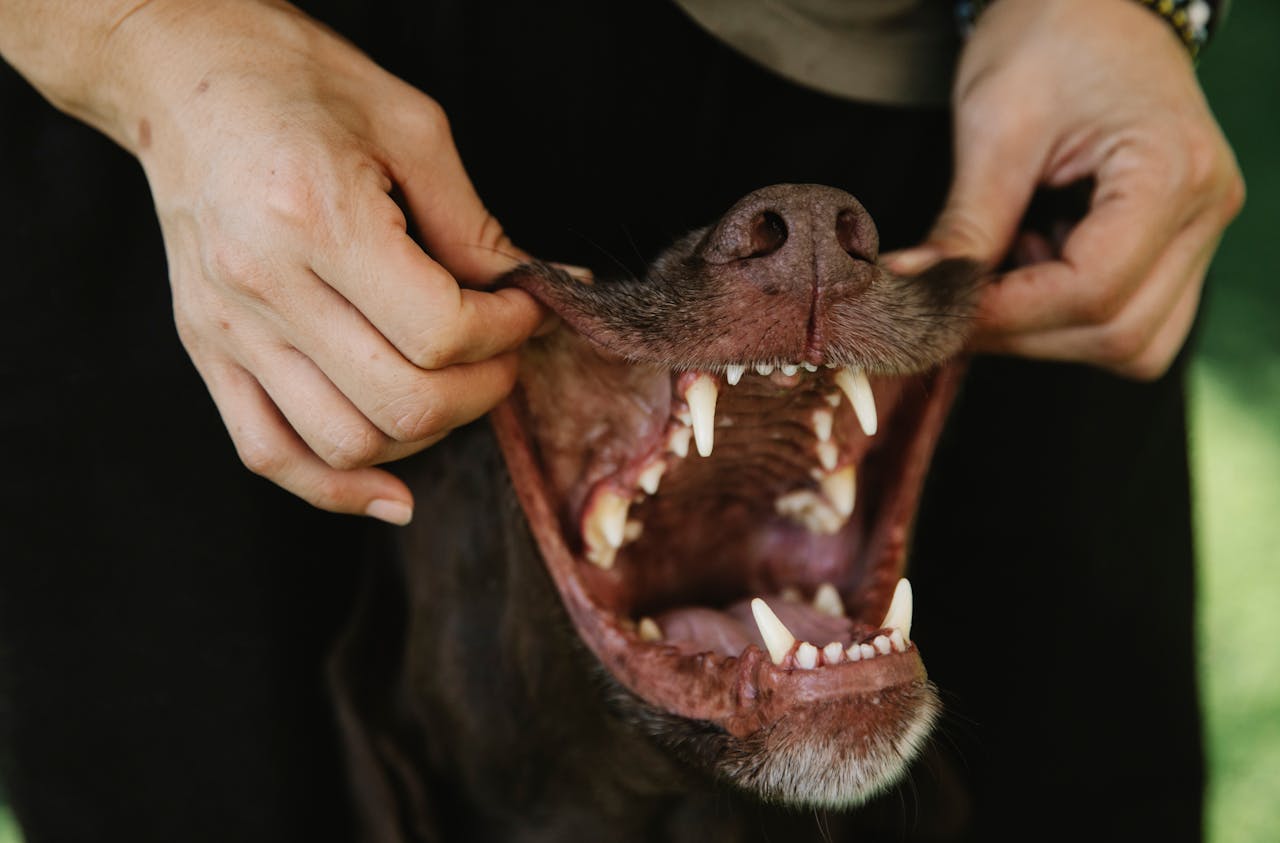
The word “muzzle” often makes dog owners anxious, associating it with aggression or punishment. Many are convinced their sweet, well-behaved pet will never need one. However, the truth is a muzzle isn’t about punishment; it’s about safety, responsibility, and care. It’s a tool just like a leash or a harness, and in certain situations, it’s absolutely indispensable. You can—and should—acclimate your dog to a muzzle humanely, turning the process into a fun game. We’ll dive into all the details of this process later on Tvaryny.
Forget outdated, force-based methods. Modern dog training offers effective, positive techniques that will help your dog not just tolerate a muzzle, but see it as a signal for something good—a walk, a game, or a tasty treat. This article is your detailed guide on how to make this process easy and stress-free for both of you.
Why a Muzzle Is a Tool for Safety and Care, Not Punishment
Before we get into the practical steps, it’s crucial to change your mindset about muzzles. Stop seeing them as something negative. They’re a valuable helper in many everyday situations. Here are just a few reasons why being comfortable in a muzzle is a useful skill for every dog:
- Legal and Travel Requirements. In many cities, wearing a muzzle in public places is mandatory for certain breeds or all dogs above a specific height. It’s also often a requirement for traveling on public transportation.
- Vet or Groomer Visits. Even the calmest dog can have an unpredictable reaction to pain or fear during a medical procedure. A muzzle protects the staff and allows the exam to be conducted quickly and efficiently.
- Preventing Scavenging. For “vacuum cleaner” dogs who tend to eat everything in their path, a properly fitted muzzle can save their health and even their life by preventing them from ingesting something toxic.
- Safety During Training. When correcting reactive or aggressive behavior, a muzzle is an essential safety element for both people and other animals.
- Unexpected Situations. In case of an injury, stress, or panic, a dog can behave uncharacteristically. Having a dog that is comfortable with a muzzle gives you peace of mind and control in an emergency.
How to Choose the Perfect Muzzle: A Guide for Caring Pet Parents
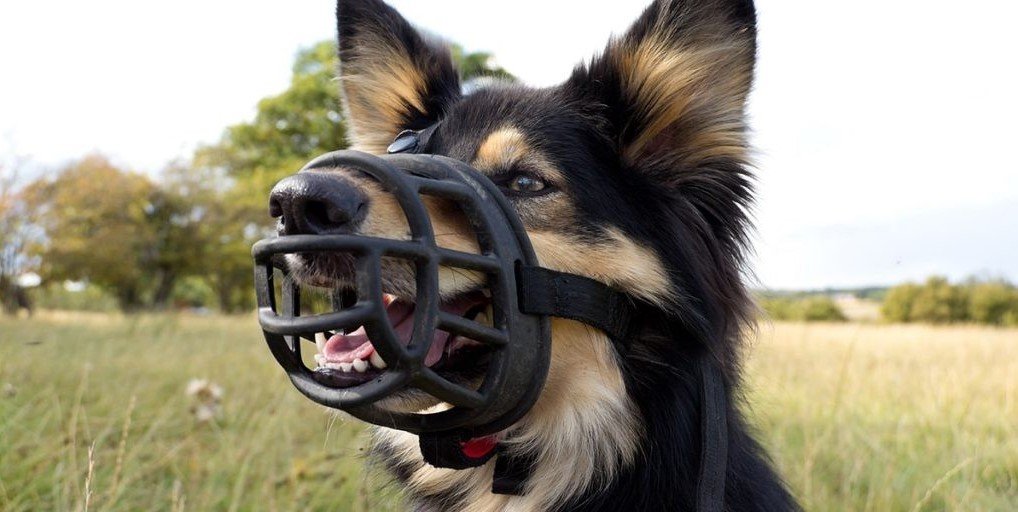
The success of the training process is directly tied to choosing the right muzzle. The main criteria are your dog’s comfort and safety. Steer clear of cheap fabric options that only create an illusion of safety.
Key Criteria for the Right Muzzle
- Free Breathing: The dog must be able to keep its mouth open and pant freely (this is how they regulate their body temperature).
- Ability to Drink: Your dog should be able to drink water easily while wearing the muzzle.
- Room for Treats: This is critically important for positive reinforcement training. You should be able to easily give your dog treats through the muzzle’s openings.
- Proper Fit: The muzzle should not rub or press on the dog’s snout or eyes. There should be about half an inch of free space between the dog’s nose and the front of the muzzle.
Muzzle Types: Pros and Cons
The best choice for long-term, safe wear is a basket muzzle. They come in plastic, metal, biothane, or silicone. This design meets all the criteria listed above. Fabric (nylon) muzzles tightly compress the dog’s mouth and should only be used for very short-term restraint (up to 5-10 minutes) under veterinary supervision, as they hinder normal thermoregulation and can lead to overheating.
Foundations of Positive Training: Setting Up for Success
Our method is based on positive reinforcement. This means we don’t force the dog; we create conditions where they want to interact with the muzzle on their own. Our goal is to form a strong association: “muzzle = something really good.” For this, we’ll need your dog’s favorite treats—something they’ll do anything for. This could be pieces of meat, cheese, or special pâté. For even greater effectiveness, you can use clicker training, which helps to clearly mark the correct behavior.
Step-by-Step Plan: Muzzle Training Without the Stress
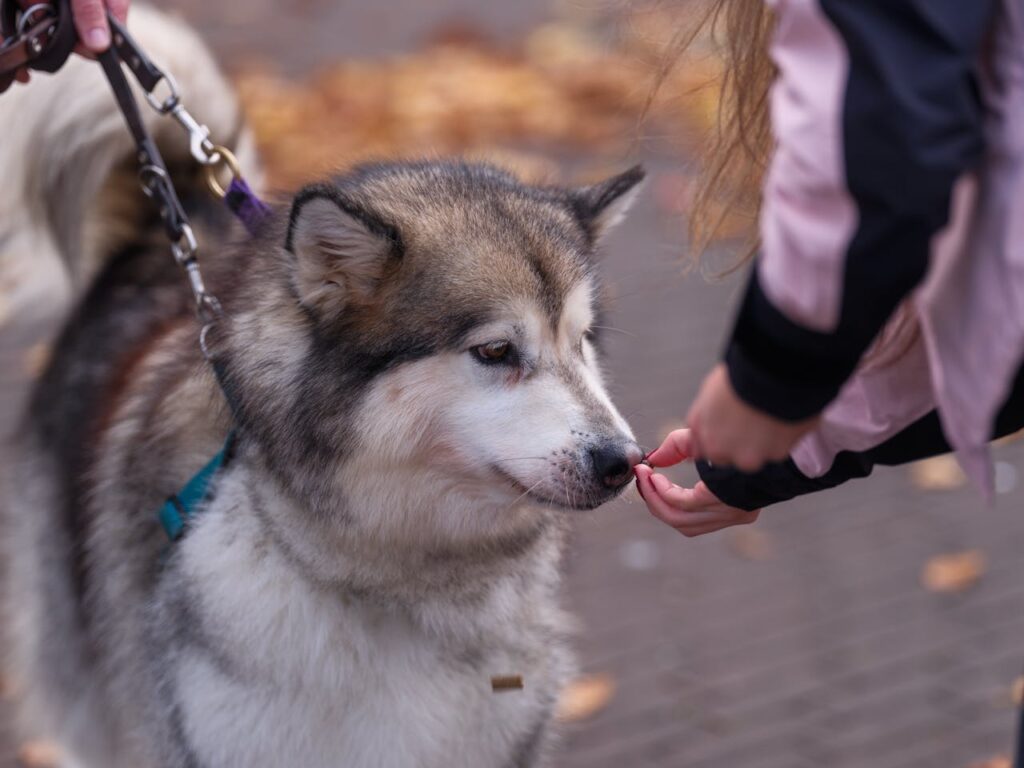
The key rules for this process are: don’t rush, be consistent, and always end the session on a positive note. Each stage can take anywhere from a few days to a week—follow your dog’s lead.
Stage 1: Introduction (Days 1-3)
Goal: Show that the muzzle is a safe and neutral object.
Simply place the muzzle on the floor in a room. When your dog shows interest (approaches, sniffs it), praise them happily and toss a treat nearby. Don’t force them to approach. Repeat this exercise several times a day in short, 2-3 minute sessions.
Stage 2: The “Magic Feeder” (Days 4-6)
Goal: Encourage the dog to put their nose into the muzzle on their own.
Hold the muzzle in one hand and a handful of treats in the other. Thread the treats through the openings so the dog has to put their nose inside to get them. Another option is to smear the inside with pâté. As soon as the dog eats the treat, immediately remove the muzzle. Repeat, gradually encouraging the dog to put their nose deeper and deeper. Don’t fasten the straps yet!
Stage 3: The First Fastening (Days 7-9)
Goal: Get the dog used to the feeling of the strap behind their head.
Once your dog confidently and willingly puts their nose into the “feeder” muzzle, try to gently bring the strap behind their head, but don’t fasten it. Just hold it for a second, giving them a treat at the same time, then release. Repeat a few times. The next step is to fasten the strap for just 1-2 seconds, instantly give them a “jackpot” (many treats), and immediately take the muzzle off. End the exercise with a game.
Stage 4: Increasing Duration (Days 10-14+)
Goal: Teach the dog to stay calm while wearing the muzzle.
Gradually increase the time your dog spends in the fastened muzzle. Start with 5 seconds, then 10, 20, 30, and so on. During this time, actively feed them treats through the muzzle’s openings. Distract them: ask for a simple command (“sit,” “shake”), or pet them. It’s important to take the muzzle off BEFORE the dog starts to show any signs of anxiety.
Stage 5: Adding Movement and Activity (Weeks 2-3)
Goal: Associate the muzzle with pleasant activities.
When your dog can calmly handle wearing the muzzle for a minute or two, ask them to walk around the room or play a calm game. Put the muzzle on right before mealtime or playtime to reinforce positive associations.
Stage 6: Going Outside (Weeks 3-4+)
Goal: Transfer the skill to real-world conditions.
First, just put on the muzzle and step outside the door. Praise your dog, then take it off. The next time, go for a short walk (5-10 minutes) in a familiar, quiet place. Gradually increase the duration of your walks. Make sure that walks with the muzzle are just as fun and engaging as without it.
Common Problems and Their Solutions
Even with a perfect plan, difficulties can arise. The main thing is not to panic and not to force the process.
- Your dog tries to paw the muzzle off.
Reason: Most likely, you rushed the process and moved to the next stage too soon, or the muzzle is uncomfortable.
Solution: Go back 1-2 stages. Check that the muzzle is the right size. Make the training sessions shorter but use higher-value treats. Distract your dog with a command or a toy as soon as they lift a paw. - Your dog runs away when they see the muzzle.
Reason: A negative association has formed (perhaps the first attempt was a bad one).
Solution: Start all over from Stage 1. Your task is to completely “overwrite” the emotions associated with the object. Be patient. - Your dog refuses to put their nose inside.
Reason: Lack of motivation or fear.
Solution: Use “super treats” that your dog adores and only gets during these training sessions. Try a liquid pâté that you can smear deep inside. Don’t pressure them; let your dog make the decision on their own. Sometimes this behavior can be part of a general anxiety, similar to when a dog is afraid to stay in a crate or kennel, and requires a more comprehensive approach.
Expert Tip: “The key to success is your calm and patience. Dogs are incredibly sensitive to our emotions. If you’re nervous while putting on the muzzle, your dog will instantly feel it and decide something bad is happening. Breathe deeply, use a cheerful, happy voice, and turn the training into a fun game. Always end the session on a successful note, even if it was just a small step forward.”
Summary: A Checklist for Successful Muzzle Training
- ✅ Choose a comfortable, properly sized basket muzzle.
- ✅ Create a positive association using high-value treats.
- ✅ Move in small, consistent steps.
- ✅ Don’t rush and follow your dog’s lead.
- ✅ Keep sessions short and positive.
- ✅ Never use the muzzle as a punishment.
- ✅ Be patient, calm, and consistent.
Muzzle training your dog is an investment in their safety and your peace of mind. It’s a sign of true care that opens up more opportunities for shared adventures and activities. Remember that humane muzzle training strengthens your bond with your pet, building trust and mutual understanding. You’ve got this!