

Pet microchipping at a glance
- A microchip is a passive RFID tag the size of a grain of rice with a unique number, read by a scanner. It is not a GPS tracker.
- The chip only works if the number is registered in a national database with your current contact details.
- In the U.S. microchipping isn’t required by federal law, but it’s the most reliable way to recover a lost pet and is strongly recommended.
- A chip doesn’t replace a collar and ID tag — they work together. Update your details whenever you move.
Losing a pet is one of the greatest fears of any responsible owner — even the most obedient cat or loyal dog can bolt when frightened. A microchip is the single most reliable way to prove ownership and get a lost pet home. This guide explains how microchipping works, why it matters, what U.S. law says, the cost, and how to make sure your chip actually does its job.
What is a microchip and how does it work?
A microchip is a tiny passive transponder, about the size of a grain of rice, implanted just under the skin between the shoulder blades. It has no battery and sends out no signal on its own. When a vet or shelter passes a scanner over it, the chip is powered briefly by the scanner and transmits a unique identification number. That number is then looked up in a registry to find your contact details. Chips sold in the U.S. today follow the international ISO standard (134.2 kHz), and most clinics and shelters now use universal scanners that read every common frequency.
Why is microchipping necessary? The main advantages
A microchip offers protection that a collar alone cannot:
- Permanent ID — it can’t slip off, fade or be removed like a collar or tag.
- Proof of ownership — a registered chip is widely accepted as evidence that the pet is yours.
- Faster reunions — every U.S. shelter and vet scans strays, so a chipped, registered pet is far more likely to come home.
- Travel — an ISO chip is required to take your pet into the EU and many other countries.
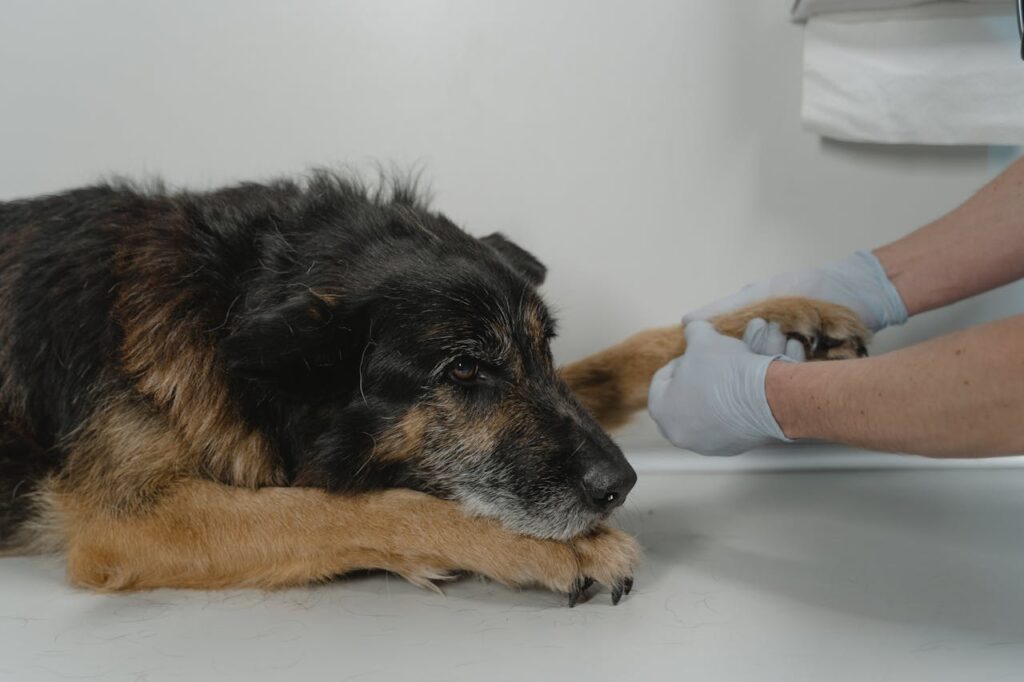
The microchipping procedure: step by step
Microchipping is a quick outpatient procedure, no different from a routine vaccination:
- The vet or technician confirms the pet isn’t already chipped by scanning it first.
- A sterile, pre-loaded needle places the chip under the skin between the shoulder blades.
- The chip is scanned again to confirm it reads correctly.
- You register the chip number with a national database, entering your current contact details — this final step is what makes the chip work.
Microchipping and the law in the U.S.
There is no federal law requiring pet microchipping in the United States, but it is strongly recommended by veterinarians and animal-welfare groups, and it is increasingly required by shelters and some states or cities for adopted or impounded animals.
What matters most is registration. A chip is only useful if its number is enrolled in a database and your details are current. You can register with a specific registry (such as AKC Reunite, HomeAgain or 24Petwatch) and look chips up through the free AAHA Universal Pet Microchip Lookup Tool. Update your contact information every time you move or change your phone number.
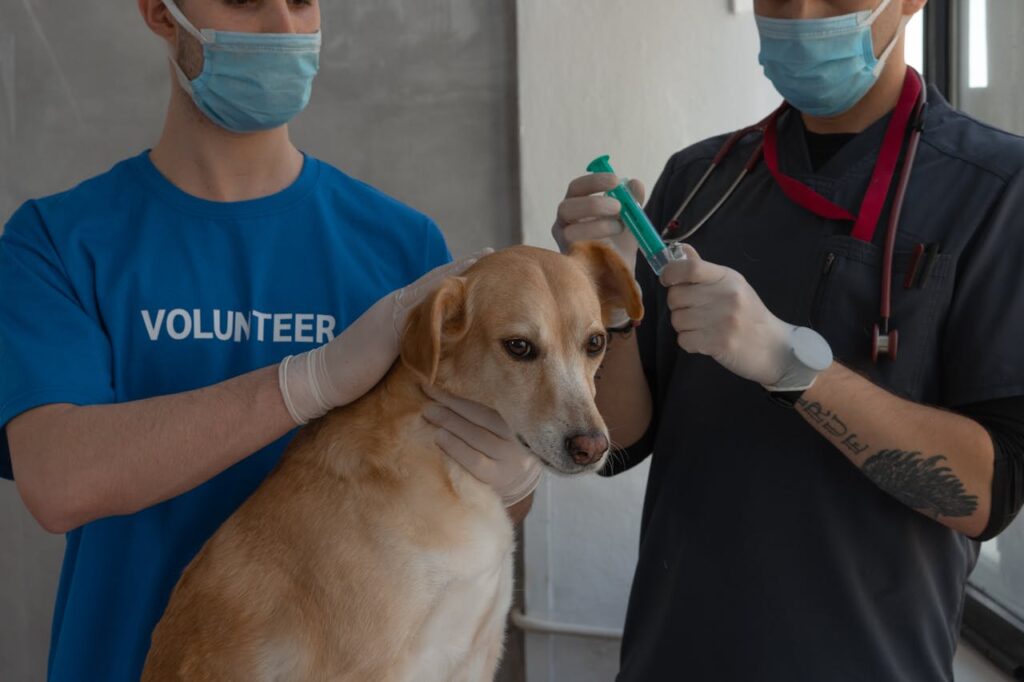
Myths and reality
Myth 1: The procedure is very painful.
In reality it feels like a normal injection and is over in seconds; no anesthetic is needed for a healthy pet.
Myth 2: The chip can get ‘lost’ inside the body or cause allergies.
Serious reactions are extremely rare. The chip is biocompatible and usually stays put; a vet can confirm its position during check-ups.
Myth 3: The chip is a GPS tracker.
No. It’s a passive tag with no battery or signal and cannot track location — it only stores a number a scanner reads up close.
Myth 4: Microchipping is very expensive.
It’s a one-time cost, typically $25–$60, and often included when you adopt from a shelter or spay/neuter your pet.
Where to get your pet microchipped and how much it costs
You can have your pet microchipped at almost any veterinary clinic, and often at animal shelters, rescue groups and low-cost vaccination clinics. In the U.S. the procedure usually costs about $25–$60, and many shelters include a chip in the adoption fee. Remember that the price covers the implant — registering the chip and keeping your details up to date is the part that actually brings your pet home.
Comparison table: microchip vs. other identification methods
How the microchip stacks up against a collar tag and a tattoo:
| Feature | Microchip | Collar with tag | Tattoo |
|---|---|---|---|
| Reliability | High — can’t be lost | Low — can fall off or be removed | Medium — can fade over time |
| Durability | Lifelong | Temporary, needs replacing | Long-lasting but degrades |
| Information | Unique code linked to a full database record | Limited (phone, address) | Limited (usually an ID number) |
| Use for travel | Required international standard | Not accepted as official ID | Not accepted for EU travel |
Frequently asked questions (FAQ)
Is microchipping required by law in the U.S.?
There is no federal requirement, but many shelters and some states or cities require it for adopted or impounded pets. Even where it’s optional, vets strongly recommend it as the best way to recover a lost animal.
Does microchipping hurt my pet?
No more than a routine vaccination. The chip goes in with a needle in a second or two, and a healthy pet needs no anesthetic.
Is a microchip a GPS tracker?
No. It’s a passive tag with no battery and no signal; it can’t track your pet. It only stores a number that a scanner reads at close range.
Do I still need a collar and ID tag if my pet is chipped?
Yes. A visible tag lets anyone call you immediately, while the chip is the permanent backup that shelters and vets can read. Use both.
What do I do after my pet is microchipped?
Register the chip number with a national database and enter your current phone and address, then update that information whenever you move or change your number.
Conclusion: your peace of mind and your pet’s safety
A microchip is a small, one-time step that offers a lifetime of protection. It won’t replace a collar or a watchful eye, but combined with a registered, up-to-date database entry it’s the surest way to bring a lost pet home. Chip your pet, register the number, keep your details current — and enjoy real peace of mind.