

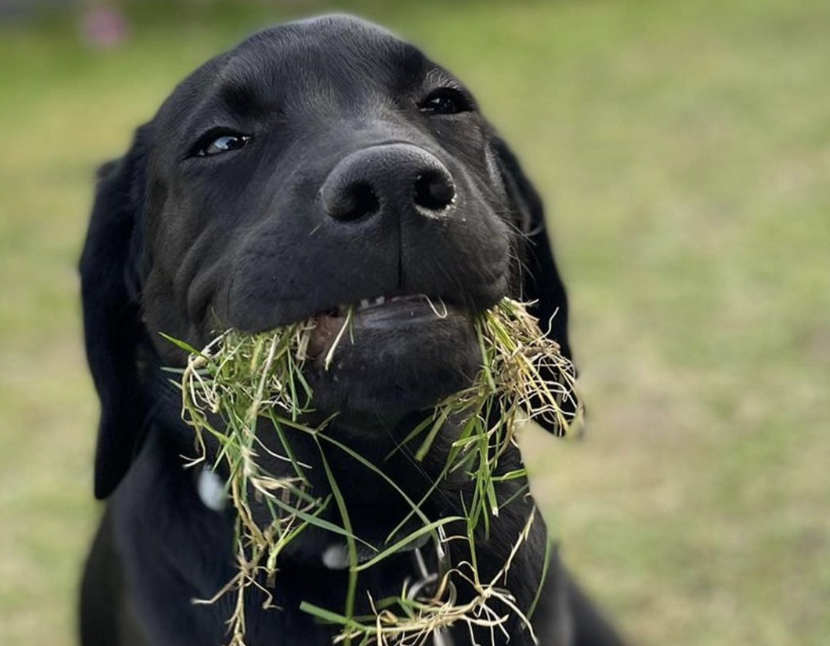
Grab the leash, grab your clicker, and lace up your kicks – we’re diving into a high-octane training session! But hold on, why did your speedster or your blue-ribbon champ just stop and start grazing the lawn like a heifer? If you’re worried they’re starving or going vegan, take a breather. Here at tvaryny.com, we live and breathe canine behavior to keep your bond at an all-time high. Let’s tackle this “green mystery” one step at a time.
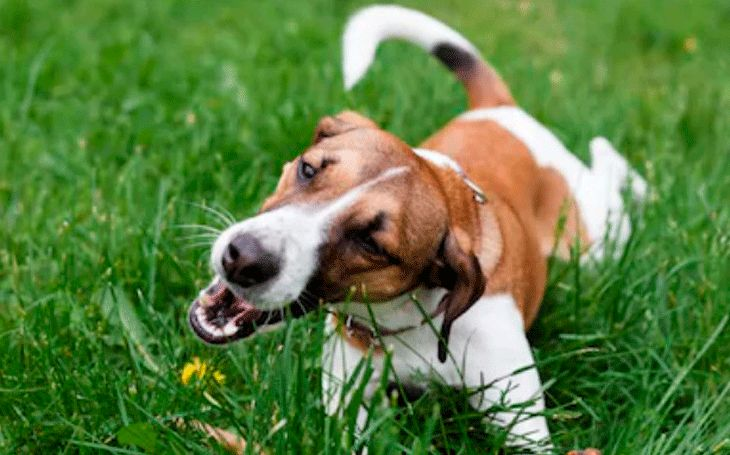
On the agility course, every split-second matters. But in the real world, dogs are wired for scents and survival instincts. It is totally normal to freak out when you see your pup devouring crabgrass like it is a Kobe steak. Vets have tossed the hunger theory out the window. This isn’t about calories. It is a complex dance of biology and behavior that we are only just starting to decode. Switch to expert mode – here is the raw data from the pros.
Reason #1: Firing Up the Digestive Engine
Your dog is a finely tuned machine. But even a top-tier engine needs quality fuel and a regular system flush. Grass is a natural source of roughage. Most modern dog foods are balanced, but sometimes the oeganism needs an extra “bristle brush” for the gut. Plant fibers stimulate peristalsis, helping food move through the GI tract more efficiently.
Take a primitive breed like the fearless Karelian Bear Dog. Their wild ancestors ate prey whole, including the stomach contents which were packed with partially digested greens. Nibbling on grass is a literal call of the wild for them. It is a way to get those enzymes that help break down proteins. If your athlete is grazing like a sheep, you might want to check the fiber content in their kibble.
Mechanical Stomach Cleaning
Ever see your dog gulp down long blades without chewing? That is no accident. Long, rough grass irritates the lining of the stomach and esophagus to trigger the gag reflex. It isn’t pretty, but it is a dog’s way of clearing out excess mucus, bile, or hair they swallowed while grooming. Think of it as a natural detox after a hard workout or a long trail run.
“Grass isn’t food for a dog; it is a tool. Canines use vegetation as both a biological supplement and a mechanical stimulant. The key is just watching the quality of the lawn.”
Reason #2: The Micronutrient Treasure Hunt
Even if you’re buying top-shelf vitamins, a dog’s body might crave specific components in their raw form. Fresh grass is a goldmine for chlorophyll and folic acid (Vitamin B9). These are crucial for blood health and keeping a canine athlete’s immune system bulletproof. When a dog senses a micro-deficiency, they instinctively hunt for a fix. Suddenly, the nearest park becomes their personal pharmacy.
It is wild to watch ancient breeds like the sophisticated Xoloitzcuintli. They act like canine bio-hackers, selecting only the tender shoots where nutrient levels peak. This is pure intelligence in action, not just a random case of the munchies. Vets often find that these behaivors have deep physiological roots and shouldn’t be ignored if they become obsessive.
Reason #3: Decompressing and Grounding
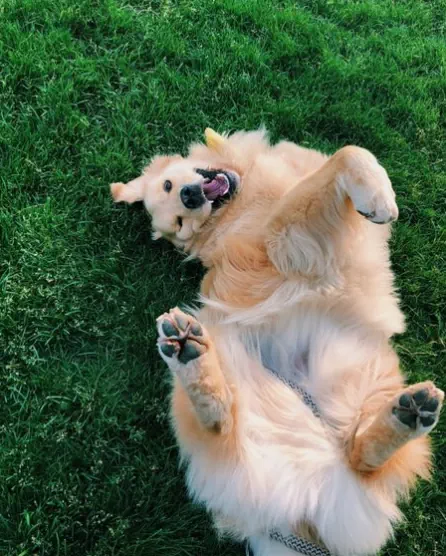
Agility isn’t just a physical sport; it is a mental game. Sometimes the adrenaline spikes, emotions boil over, and a dog needs to “ground” themselves. Eating grass can serve as a displacement behavior. When a dog doesn’t know how to vent built-up energy or handle cognitive fry after a run, they switch to a simple, rhythmic action – chewing.
This works just like humans biting their nails or twisting their hair. Chewing soothes the nervous system, drops cortisol levels, and helps the dog get back into a working headspace. If your partner dives for the grass after a botched run or a tense run-in with another dog, realize that is their way of saying “I need a minute to find my Zen.”
| Reason | Behavioral Sign | Owner’s Action Plan |
|---|---|---|
| Fiber Deficiency | Regular grazing, no vomiting | Add veggies to the diet |
| Stomach Cleanse | Greedy gulping of long stems | Monitor closely, check for distress |
| Stress / Boredom | Slow, distracted chewing | Switch up the game, play more |
| Taste Preferences | Picking only young shoots | Allow it if the area is clean |
Reason #4: Social Media on a Stem
A dog’s world is built on scents. To them, every blade of grass is like a Facebook post or an Instagram story. Other dogs leave markers that contain a ton of data: sex, age, health status, and even mood. When a dog “tastes” the grass, they’re using the Jacobson’s organ to run a deep-dive chemical analysis. This isn’t food; it is data mining.
Your dog might hold a clump of grass in their mouth just to better decode the pheromones left by the neighbor’s dog. Vets are often asked why pups get so fixated on one specific patch. The answer is simple: that is where the most viral content in the neighborhood is located! For us, it is a weed; for them, it is the breaking news from the last hour.
Reason #5: Taste and the Feel-Good Factor
Let’s be real: sometimes dogs just like the flavor! Young spring grass is sweet, juicy, and has a satisfying crunch. For an active dog always on the move, the change in texture is a fun distraction. Champing on grass can even trigger an endorphin release. It just feels good!
- Young grass contains natural sugars that are super attractive to animals.
- Dew on the grass can be a quick hydration hit mid-workout.
- Texture variety keeps their sensory receptors sharp.
Safety First: When to Hit the Panic Button
While grazing is usually fine, as a trainer, I’m all about safety. Urban lawns aren’t exactly five-star restaurants. Pesticides, herbicides, fertilizers, and parasite eggs are the real villains hiding in that lush green. You’ve got to be picky about where they snack.
- Avoid chemically treated lawns in public parks at all costs.
- Keep them away from roadside grass where heavy metals from exhaust settle.
- Watch out for toxic plants like azaleas, yew, or lilies.
- If the grass leads to vomiting more than 2-3 times in a row, it is time for a vet check.
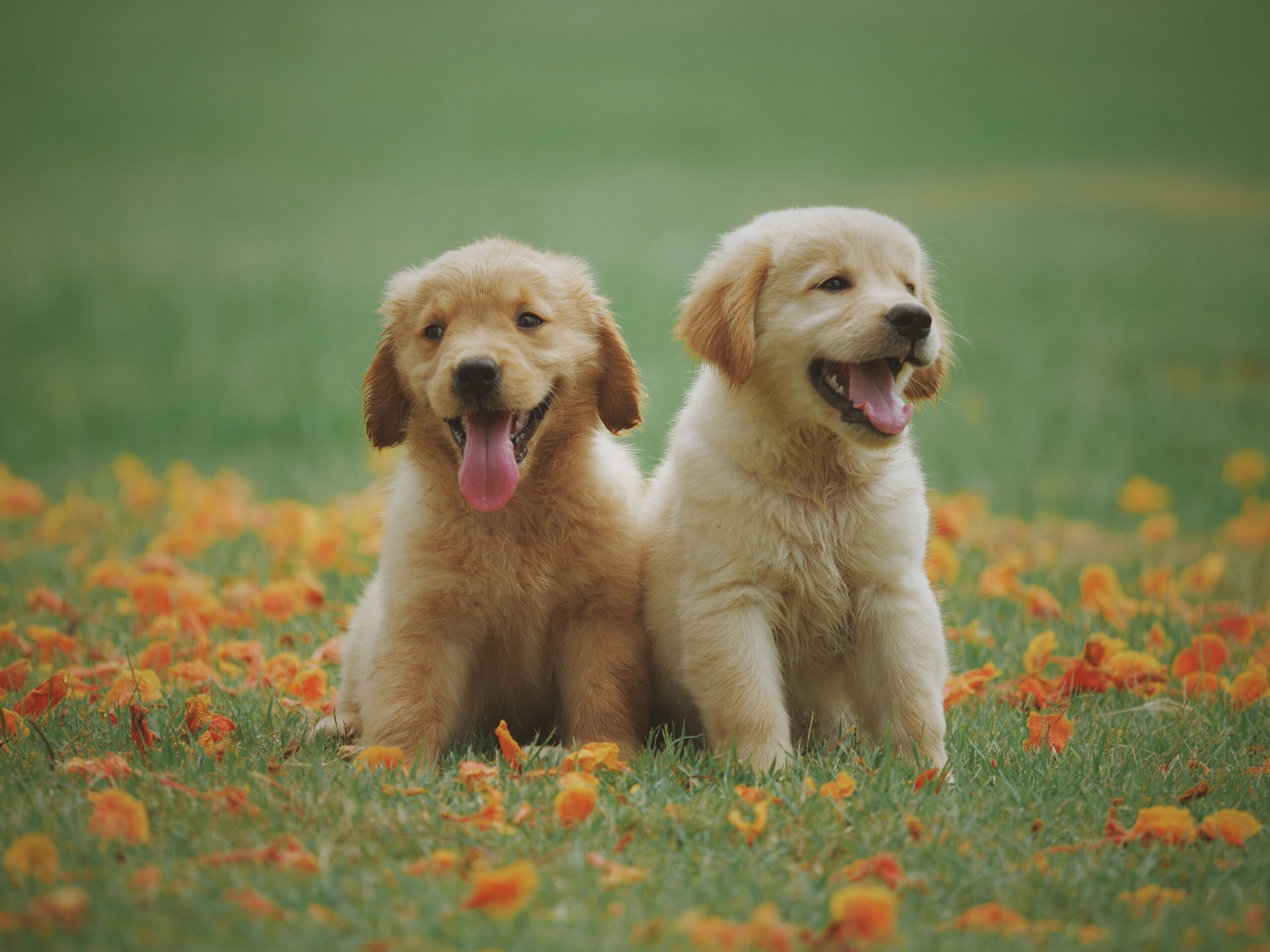
Your dog is an individual with their own quirks and needs. Grass-eating is just one layer of their complex personality. The main thing is that it shouldn’t become an obsession that derails your training sessions. Watch your pup, listen to their signals, and never forget: an active lifestyle is the best medicine for any problem!
So, do you have the “green light” on the grass mystery? Now grab that toy, call your dog, and go smash some new goals! If they stop for a snack, you’ll know they’re just being a dog. See you at the starting line, agility junkies!
“Reading your dog’s motives is 90% of the game in any sport. Stay sharp on the details, and your pup will pay you back with a massive performance!”
Every move your dog makes has a reason, even if it is just wanting to crunch on some sweet grass on a sunny morning. Just remember to stay as a team, ready for any hurdle life throws at you. Catch you at the next practice!