


| Height | 49–59 cm |
| Weight | 15–20 kg |
| Lifespan | 12–13 years |
| FCI group | 6 · scenthounds |
| Origin | Switzerland (Lucerne) |
Exact ratings
- Generally a very healthy, undemanding breed
- Ear infections (long pendulous ears)
- Hip dysplasia (less common)
- Obesity with insufficient exercise
- Injuries while hunting
Balanced food for an active scenthound, with weight control (the breed is undemanding about food). Check the long pendulous ears regularly; provide plenty of exercise and scent work.
The Swiss Hound, specifically its graceful Lucerne type (Swiss Hound: Lucerne type), embodies hunting elegance and aristocracy. What sets this dog apart from other Swiss Hounds is its unique silvery-blue coat with black patches, resembling a starry night sky. Its French roots have gifted it an unparalleled sense of smell and a drive that allows the Lucerne hunter to tirelessly pursue various game. It navigates terrain brilliantly, is capable of long and persistent chases, and remains a devoted companion to its owner. This low-maintenance hound rarely gets sick and doesn’t need a specific diet, making it a fantastic choice for active people. Find out more about every aspect of caring for this unique breed on Tvaryny.
The Lucerne Hound is more than just a dog—it’s a living piece of history with its origins in medieval Europe. Its endurance, intelligence, and calm demeanor make it not only a top-notch hunter but also a wonderful family member. This breed combines working qualities with a gentle affection for people, creating a harmonious balance between energy and tranquility.
Swiss Hound (Lucerne type): A Brief Breed Overview

| Characteristic | Value |
| Origin | Switzerland |
| FCI Classification | Group 6 (Scent Hounds and Related Breeds), Section 1.2 (Medium-Sized Scent Hounds) |
| Year of Recognition | 1932 (Standardization of types) |
| Lifespan | 12-14 years |
| Height at Withers | Males: 49-59 cm Females: 47-57 cm |
| Weight | 15-20 kg |
| Temperament | Calm, passionate hunter, loyal, sensitive, easy to train |
| Use | Hunting (primarily for hares, roe deer, foxes), companion dog |
History of the Lucerne Hound
The history of the Lucerne Hound, or “Luzerner Laufhund” as it’s known in German, is deeply rooted in Europe’s hunting traditions. This ancient breed is one of the four types of Swiss Hounds, each originating from a specific Swiss canton. It’s believed that the ancestors of these dogs arrived in what is now Switzerland during the Roman Empire. However, the key influence on the formation of the Lucerne type came from French hounds, particularly the Small Blue Gascony Hound. This connection is obvious in the characteristic “blue” coat, which is a result of mixing black and white hairs to create a silvery or blue impression, thickly covered with black speckles. This trait can also be seen in breeds like the Hellenic Hound or the Sealyham Terrier.
In the Middle Ages, these dogs were incredibly popular among the aristocracy for hunting deer, boars, hares, and other game. They were prized for their stamina, incredible nose, and melodic voice, which they used to alert hunters of a discovered trail. There are records indicating that the kennels of French King Louis XVI housed around 60 of these dogs, which were considered the gold standard for hunting breeds. Over time, as hunting methods changed and large forest lands dwindled, the breed’s popularity decreased slightly.
However, enthusiasts in Switzerland made every effort to preserve the bloodline’s purity and the dogs’ unique working qualities. In 1933, a single standard was established for all four types of Swiss Hounds—the Jura, the Bernese, the Schwyz, and the Lucerne—which differ mainly in coat color. The modern Luzerner Laufhund has retained all the traits of its ancestors, with the possible exception of being slightly smaller, making it better adapted to modern conditions.
What a Swiss Hound Looks Like: Standard and Appearance
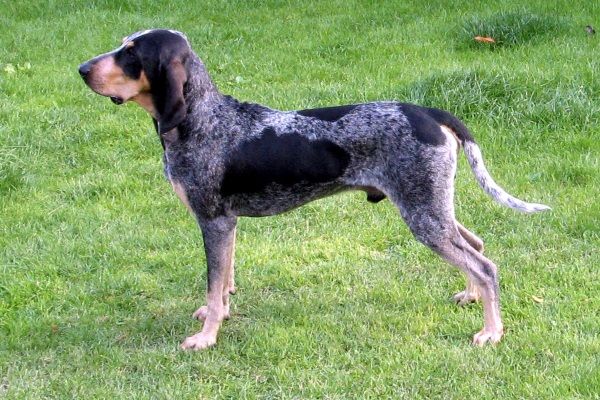
The Lucerne Hound is a medium-sized dog that combines strength, endurance, and elegance. Its appearance marks it as a typical hound, built for long runs across varied terrain.
- General Appearance: An elongated dog with a strong bone structure and well-developed muscles, but without excessive bulk. The body is slightly stretched, which gives it flexibility.
- Head: Long and narrow, with clean lines and a distinct, aristocratic profile. The skull is slightly domed. The stop from forehead to muzzle is smooth.
- Muzzle: Long, straight, and not pointed. The lips are tight, and there may be a small fold at the corners. The jaws are strong with a perfect scissor bite.
- Eyes: Oval-shaped, dark brown, with a lively, kind, and slightly melancholic expression, which is characteristic of many hounds.
- Ears: Very long, set low, and hang in graceful folds. They are narrow with rounded tips. The length of the ears is enough to easily reach the tip of the nose.
- Neck: Long, muscular, and elegantly arched, with no dewlap.
- Body: The back is straight and strong. The chest is deep and well-developed, providing plenty of room for the lungs and heart. The belly is slightly tucked up.
- Tail: Sabre-shaped, of medium length, and is a continuation of the topline. It hangs low when at rest and may rise in motion, but it never curls into a ring or is carried high over the back.
- Limbs: Lean, muscular, and bony. The paws are compact and rounded, with tightly-knit toes and strong claws.
- Coat and Color: The coat is short, smooth, dense, and shiny. The primary color is “blue”. This is an optical effect created by a mix of black and white hairs, on which large black patches or a “mantle” are scattered. A bright reddish-tan marking is mandatory above the eyes, on the cheeks, chest, and paws.
Character: The Lucerne Hound’s Temperament and Behavior
Behind the aristocratic looks of the Lucerne Hound is a sensitive, calm, and very loyal nature. This is a dog that bonds strongly with its family and owner, wanting to spend as much time with them as possible.
At work, it’s a driven, persistent, and independent hunter. Its passion is to follow a trail. While pursuing game, it’s completely focused and can work for hours, tirelessly covering miles. Its melodic voice is an integral part of the hunt. At home, it’s a gentle and calm companion. It loves comfort and coziness but is always ready for active games or a long walk. Lucerne Hounds generally get along well with children, especially if they grow up together. They are patient and not prone to aggression. However, because of their hunting instincts, relationships with small household pets (like cats, rodents, or birds) can be tricky.
Early socialization is key for a harmonious life. These dogs are smart and sharp, quickly understanding what’s expected of them. However, like many other hounds, they can be a bit stubborn, especially if a command goes against their instincts. This doesn’t mean they’re unintelligent; it’s simply their nature to make independent decisions while hunting. They are cautious with strangers but not aggressive, which makes them good watchdogs who will always alert you to guests with a loud bark.
Swiss Hound Health: Typical Ailments and Prevention
The Lucerne Hound is a breed with robust health, which is the result of natural selection and a focus on working qualities. They have a stable immune system and aren’t susceptible to many genetic diseases that plague other breeds. Still, like with any dog, there are some health aspects to watch out for.
- Ear Infections (Otitis): This is probably the most common issue for all breeds with long, floppy ears. The anatomical structure of the ear hinders ventilation, creating a warm, moist environment that’s perfect for bacteria and fungi to multiply. Regular inspection and cleaning of the ears is a mandatory preventive measure.
- Hip Dysplasia: While not widespread in the breed, this condition can still occur. It’s a hereditary issue, so it’s important to choose a puppy from reputable parents who have undergone the proper health screenings.
- Musculoskeletal Injuries: As an active hunting dog, the Lucerne Hound is prone to sprains, dislocations, and cuts while running over rugged terrain. It’s important to check your dog’s paws and body after every intense outing.
- Bloat (Gastric Torsion): This is a severe and life-threatening condition typical of dogs with deep chests. To prevent it, don’t feed your dog right before or after intense physical activity and divide their daily food portion into 2-3 meals.
To keep your pet healthy and strong, you need to provide some simple but essential things: a balanced diet, sufficient physical activity, and timely care. Regular vet visits for check-ups and vaccinations are also a vital part of caring for your dog.
How to Care for a Lucerne Hound
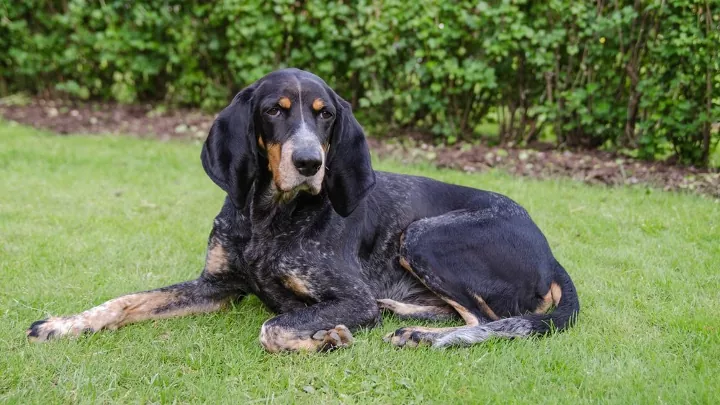
The Luzerner Laufhund doesn’t require complicated grooming, but some procedures need to be regular. It adapts easily to different living conditions, though it’s important to remember that it’s an energetic hunting dog. The best place for it is a home in the country with a large, securely fenced yard. Living in a small city apartment is only possible if you can provide daily long and intensive walks.
Coat Care
The short, smooth coat of the Lucerne Hound doesn’t require complex grooming. It’s enough to brush it once a week with a special rubber brush or grooming glove to remove dead hairs and keep its natural shine. During the shedding season (usually spring and fall), you can do this more often. Avoid frequent bathing, as it can disrupt the skin’s natural protective layer. In most cases, wiping the coat with a damp towel or special wipes is sufficient.
Ear, Eye, and Dental Care
As mentioned earlier, the ears are a weak point for the breed. They need to be checked weekly for redness, dirt, or any foul smell. For cleaning, use special lotions recommended by a vet. The eyes should be checked daily and, if needed, wiped with a clean cloth soaked in warm water. Teeth require regular cleaning to prevent tartar buildup and periodontal disease.
Training, Education, and Socialization
Swiss Hound breeds are known for their high intelligence and receptiveness to training. However, their natural independence, which is necessary for hunting, can show up as stubbornness during training sessions. From the very first days, it’s important to build a trusting relationship with your dog and establish yourself as the leader. Key training principles:
- Start Early: Socialization and basic obedience should begin from puppyhood.
- Consistency and Patience: Be persistent in your demands but remain calm. Shouting and physical punishment are unacceptable and will only do harm.
- Positive Reinforcement: The best results can be achieved by using praise, treats, and games as rewards for correct command execution.
- Instinct Control: Pay special attention to the “Come!” command. A strong hunting instinct can make the dog ignore everything when it catches a scent. Practice this command in a safe location until it becomes second nature.
Physical activity is the key not only to good health but also to good behavior in your pet. A hound that isn’t getting enough exercise can become destructive. An exhausting run over rugged terrain, swimming, fetching, or participating in special dog sports (such as coursing) will bring it much more joy than a monotonous walk on a leash.
Feeding the Swiss Hound: Key Recommendations

Proper nutrition is the foundation of the Lucerne Hound’s health and longevity. As an active dog, it needs a high-quality, balanced diet rich in proteins and fats. There are two main approaches to feeding:
- Ready-made dry food: This is a convenient and balanced option. You should choose a premium or super-premium class food formulated for active dogs of medium breeds.
- Natural diet: This approach requires more time and knowledge, but it lets you fully control the diet. The foundation should be lean meats (beef, turkey, chicken) and offal. The diet should also include grains (rice, buckwheat), vegetables, fermented dairy products, and eggs.
This Swiss Hound’s moderate weight doesn’t lessen its need for protein-rich meals. After intense work or training, your four-legged helper will need a larger portion than usual. It’s important not to overfeed the dog to prevent obesity. Always provide access to fresh, clean water. The daily water intake is approximately 40-50 ml per 1 kg of an adult dog’s weight, but can increase significantly during hot weather or physical exertion.
Pros and Cons of the Lucerne Hound
| Pros | Cons |
|---|---|
| Robust health and longevity | Requires a very high level of physical activity |
| Friendly, calm, and loyal nature | Strong hunting instinct, may run away when on a scent |
| High intelligence, easy to train | Can be stubborn and independent in decision-making |
| Low-maintenance coat care | Prone to ear infections |
| Gets along well with children and other dogs | Difficult relationships with small domestic animals |
| Elegant and attractive appearance | Not suited for life in a small apartment without proper exercise |
| Doesn’t tend to bark without reason (barks when necessary) | Can be vocal (melodic “hound” baying) |
Comparison with Other Breeds
The Lucerne Hound is often compared to other hunting breeds. For instance, unlike the Hellenic Hound, which is more specialized for hunting in mountainous terrain, the Swiss Hound is more versatile. Compared to terriers like the Sealyham Terrier, the Lucerne Hound has a much calmer and less excitable temperament, and it’s not prone to fighting with other dogs. Its nature is softer and more compliant, making it a better choice for a family.
Interesting Facts About the Swiss Hound
- There are four varieties of Swiss Hounds, with the Lucerne being the most famous due to its unique coat color. The other three are the Schwyz Hound (white with red patches), the Bernese Hound (tricolor), and the Jura Hound (black and tan).
- The name “Laufhund” is German for “running dog,” which perfectly describes the purpose and abilities of this breed.
- Despite being a hunting breed, Lucerne Hounds rarely show aggression towards people and are wonderful companions as long as their need for activity is met.
- The voice of the Lucerne Hound while hunting is considered one of the most melodic among all hounds. Each dog has its unique timbre, which an experienced hunter can use for identification.
- This breed is relatively rare outside of its homeland, Switzerland, and neighboring countries like France and Italy.
Frequently Asked Questions About the Breed
| Question | Answer |
|---|---|
| Is the Lucerne Hound suitable for living in an apartment? | Conditionally. This is only possible if the owner is committed to providing 2-3 hours a day of active exercise (running, games, training). Otherwise, the dog will suffer from a lack of movement. The ideal home is a private house with a large yard. |
| Does this breed shed a lot? | Shedding is moderate. It becomes more intense twice a year, in the spring and fall. Regular brushing helps to keep it under control. |
| Can a Lucerne Hound be left alone? | They bond very strongly with their families and can suffer from separation anxiety, which can lead to destructive behavior or howling. It’s not recommended to leave them alone for long periods. |
| How much does a Lucerne Hound puppy cost? | The price can vary significantly depending on the dog’s lineage, the breeder’s reputation, and the country. Since the breed is rare, finding a puppy can be both difficult and expensive. It’s crucial to only work with reputable breeders. |
| Does the Lucerne Hound need special training? | Yes, especially training focused on developing their scenting abilities and endurance. Participation in field trials, coursing, or simply long hikes in the woods or fields where the dog can safely use its nose are very important for its psychological well-being. |
- Hardy, persistent in the chase
- Excellent nose (French roots)
- Devoted companion, good with children
- “Healthy” here means no mass syndrome, not no risk
- Vocal — “gives tongue” on the trail
- Strong hunting instinct (risky with cats)
- High exercise needs — not for an apartment
- Pendulous ears prone to infection
| Bernese Hound | Jura Hound | Small Lucerne Hound | |
|---|---|---|---|
| Height | 49–59 cm | 47–59 cm | 33–43 cm |
| Energy | 4.5 | 4.5 | 4 |
| Apartment | 2 | 2.5 | 2.5 |
| Beginners | 3 | 3 | 3 |
What sets the Lucerne Hound apart?
Is the Lucerne Hound healthy?
Is the breed suited to an apartment?
FCI Standard No. 59 · Schweizerische Kynologische Gesellschaft
For apartments · For kids · For beginners · Active · Smartest · Hypoallergenic · All rankings →