

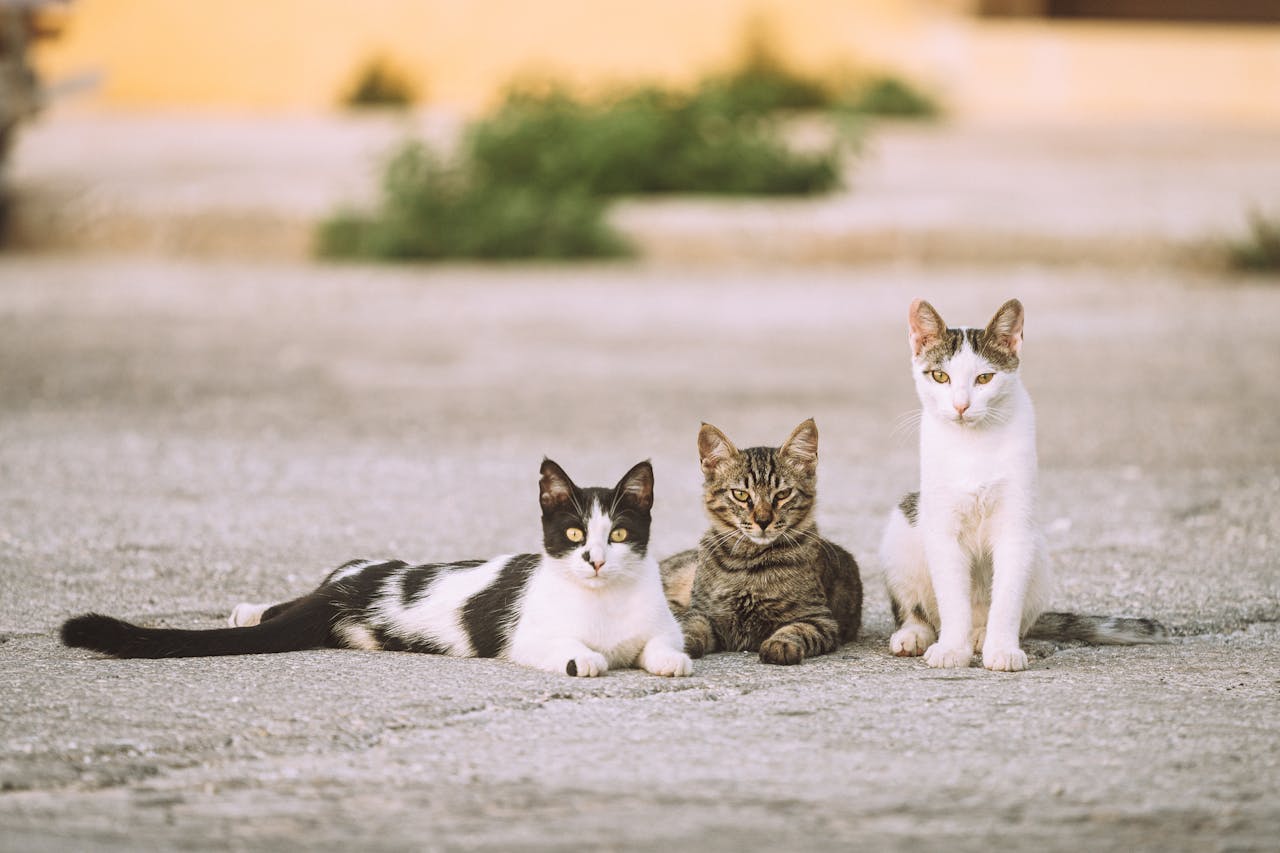
Street cats are a familiar part of the urban and rural landscape in many countries. Some people feed them, others fear them, and some simply don’t notice them. However, the problem of uncontrolled breeding of stray animals is acute, causing suffering for the cats themselves and creating tension in communities. For years, ineffective and cruel methods like trapping and euthanizing were used, which didn’t solve the problem but only created a “vacuum effect” where one group of animals was quickly replaced by another. Fortunately, there’s a scientifically-backed, effective, and most importantly, humane approach. It’s an international program called TNVR, and we’ll talk about it in detail on Tvaryny.
This article is your comprehensive guide to the world of TNVR. We’ll break down what the acronym stands for, why this method is considered the gold standard in civilized countries, how it works in practice, and most importantly, how each of us can get involved in creating a better future for street cats and our communities.
What is the TNVR program and how does it work?
TNVR is an acronym that stands for Trap-Neuter-Vaccinate-Return. It’s a comprehensive strategy for managing the stray cat population, aimed not at eliminating them, but at stabilizing and gradually reducing their numbers humanely. Let’s look at each stage in more detail.
- T (Trap) – Trapping. This is the first and most crucial step. The cat is humanely trapped using a special, safe trap that does not harm the animal. The process requires patience and an understanding of animal behavior to minimize the cat’s stress.
- N (Neuter) – Neutering/Spaying. The trapped animal is taken to a veterinary clinic, where a qualified veterinarian performs the spaying (for females) or neutering (for males) procedure. This prevents further reproduction, which is the key to population control. It stops the appearance of new kittens destined for a difficult life on the street.
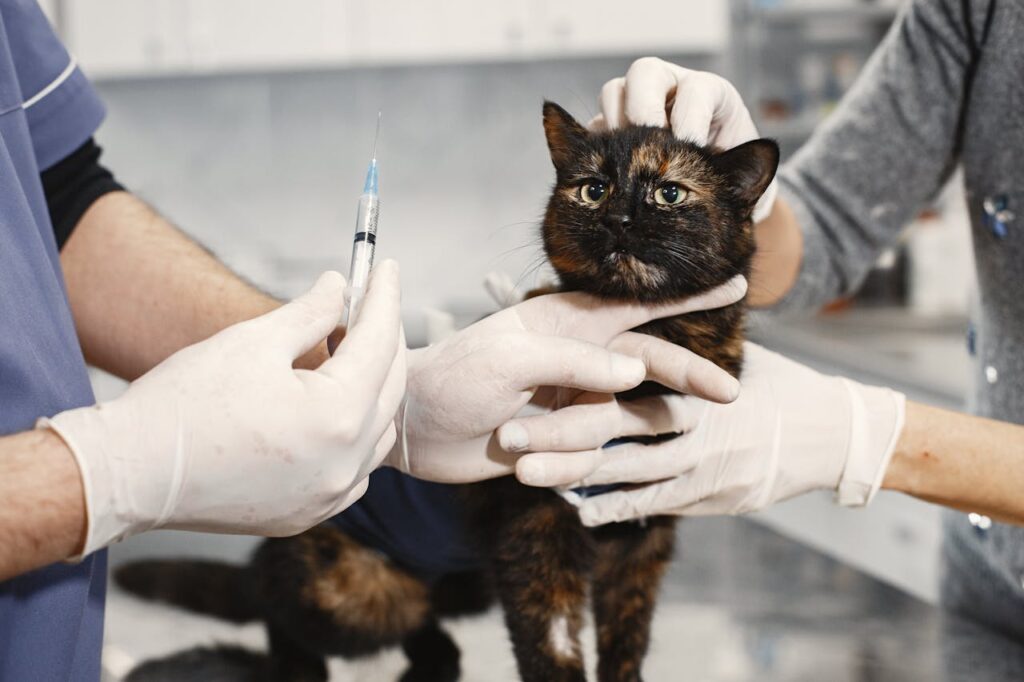
- V (Vaccinate) – Vaccinating. While at the clinic, the cat is given at least one vaccine against rabies, a deadly disease for both animals and people. Often, a combination vaccine for other common feline infections is also administered. This protects the cat’s health and makes it safe for the community.
- R (Return) – Returning. After the surgery and a short recovery period (usually 24-48 hours under observation), the cat is returned to the exact spot where it was trapped. This is a critically important element! The cat knows the area, its food sources, and its shelters. In addition, the spayed/neutered cat continues to hold its territory, preventing new, unaltered cats from moving in. At the same time, it is visually marked by having the tip of its ear clipped (ear-tipping). This is a painless procedure performed under anesthesia and is an international sign that the cat has been sterilized and vaccinated.
Why is TNVR the most effective and humane method?
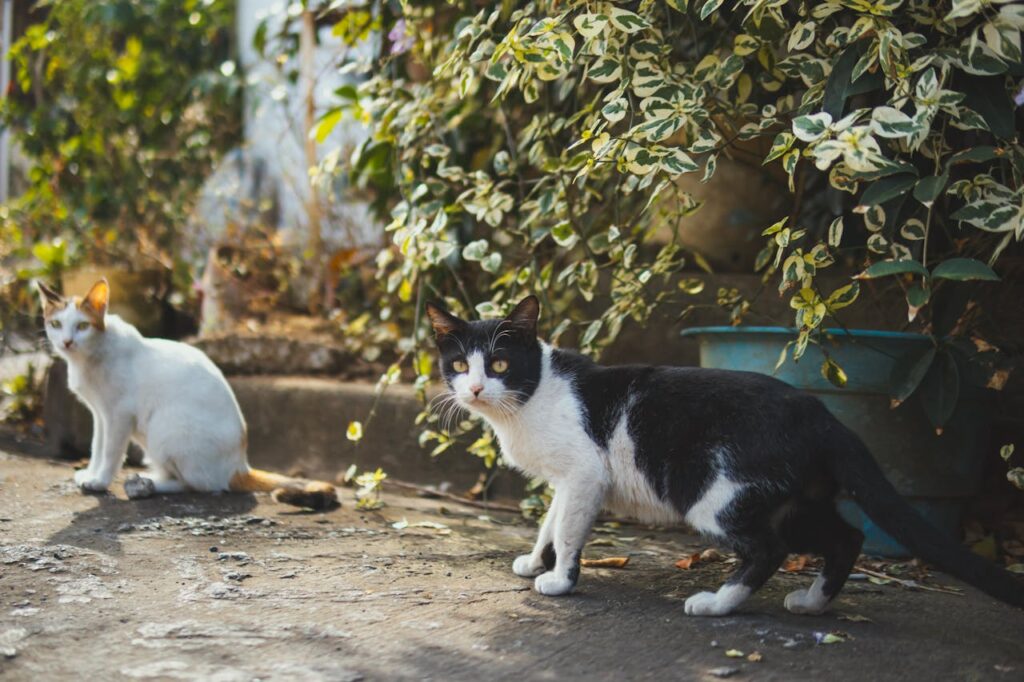
To understand the benefits of the TNVR program, it’s important to compare it to other outdated approaches. For decades, society has tried to solve the problem of stray animals with radical methods that have consistently failed.
Myth 1: “Trapping and euthanizing will clear the streets”
Reality: The vacuum effect. Nature abhors a vacuum. When cats are removed from a certain area, an ecological niche and food resources become available. New, unaltered cats from neighboring territories quickly move into their place. They begin to breed actively, and in a short time, the population not only recovers but often increases. This is a never-ending, expensive, and cruel cycle that doesn’t solve the problem but only creates the appearance of activity. Humane population control using TNVR, on the other hand, creates a stable, healthy, non-breeding colony that naturally protects its territory from newcomers.
Myth 2: “All cats should be taken to shelters”
Reality: Limited resources and animal stress. Shelters across the country are overcrowded. They simply cannot physically house all street cats. Most street cats are feral or semi-feral. They were born and raised in the wild and are not used to human contact. For such an animal, being kept in a cage is a huge stressor that can lead to illness and death. These cats have virtually no chance of being adopted into a family. Therefore, a shelter often becomes a lifelong imprisonment for them, or just a temporary stop before euthanasia. TNVR allows them to live a full life in their familiar environment, but without the suffering associated with constant pregnancies and the struggle to keep their offspring alive.
Benefits of TNVR for cats and the community
- Health and quality of life for cats. Spayed/neutered animals live longer and are healthier. Their bodies are no longer exhausted by constant pregnancies and births. Risks associated with the transmission of sexually transmitted infections disappear.
- Reduction of “nuisance” behavior. After being altered, cats stop having loud “concerts” during mating season, fight less over territory and mates, and males stop scent-marking with strong-smelling urine. This significantly reduces conflict with residents.
- Epidemiological safety. Vaccination against rabies and other diseases makes the cat colony safe for people and other animals, creating a kind of sanitary shield.
- Cost-effectiveness. In the long run, spaying and neutering stray cats through the TNVR program is much cheaper than the constant costs of trapping, housing, and euthanizing an endless stream of new animals.
The TNVR process step-by-step: a practical guide for novice volunteers
If you’ve decided you’re ready to help stray animals, this guide will help you understand where to start. Volunteering for animals through TNVR is a real chance to make a difference in your neighborhood.
Step 1: Preparation and planning.
- Assess the situation: Observe the cats in your neighborhood. How many are there? Are there pregnant females or kittens among them? Determine their feeding schedule—this will help when trapping.
- Find like-minded people: Talk to your neighbors. Maybe someone is already caring for these cats and is willing to help you financially, with transportation, or with a temporary holding spot.
- Find a clinic: This is the most important stage. Find a veterinary clinic that works with stray animals at discounted rates. Many communities across the U.S. have low-cost spay/neuter clinics. The cost of a TNR spay/neuter can range from free to around $150, depending on the program. Arrange the date and time of the surgery in advance.
- Prepare the equipment: You will need a trap (you can borrow one from animal welfare organizations), a carrier, a thick blanket, and gloves.
Step 2: Trapping.
- It’s best to trap cats on an empty stomach. Ask their caretakers not to feed them for 12-24 hours before the planned trapping.
- Place the trap in a quiet spot where the cats usually eat. Put some aromatic food inside (tuna or sardine in oil works well).
- As soon as the cat is in the trap, immediately cover it with a dark cloth. This will help the animal to calm down.
- Never leave the trap unattended!
Step 3: Clinic and surgery.
- Carefully transport the cat in the trap to the clinic.
- Make sure the vet knows this is a stray animal from the TNVR program and that the ear-tip procedure needs to be done.
- After the surgery, the vet will give you recommendations for post-operative care.
Step 4: Recovery.
- After the operation, the cat should spend 24-48 hours in a warm, dry, and safe place (a garage, balcony, or spare room). This is necessary for it to fully recover from the anesthesia and for the wound to begin to heal.
- Leave the cat in the trap, placing water and some food inside. Don’t try to let it out or pet it—a frightened animal can be aggressive.
Step 5: Release.
- Return the cat to the exact place where you caught it. Release it in the morning to give it time to get its bearings.
- Simply open the trap door and step away. The cat will leave on its own when it’s ready.
How else can you help besides direct involvement?
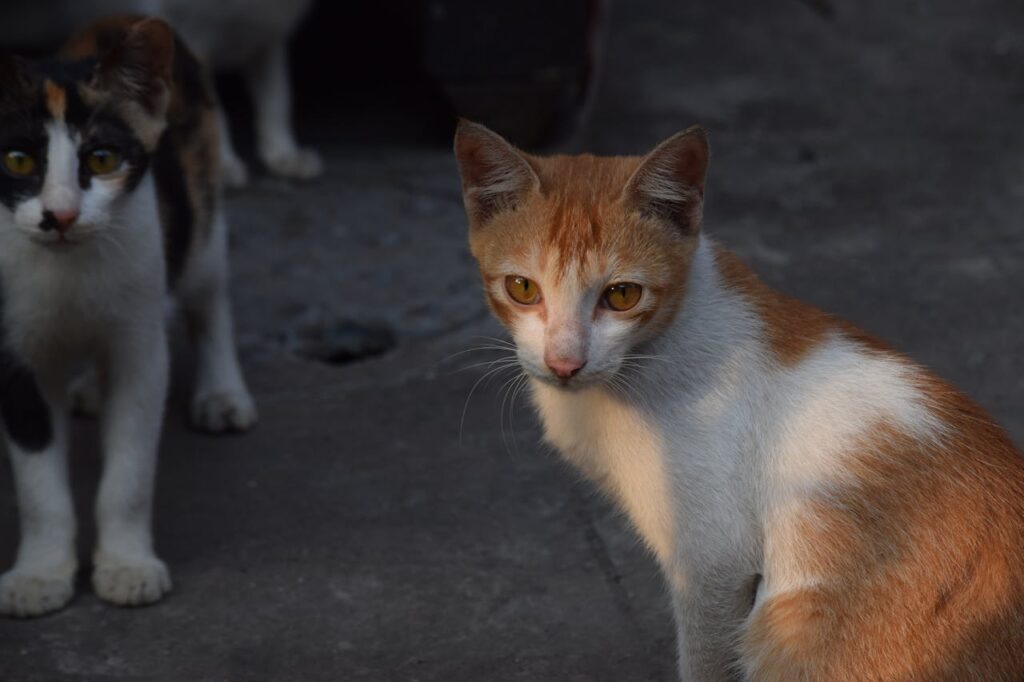
Not everyone has the time, courage, or ability to trap cats themselves, and that’s perfectly okay. Helping stray animals can take many forms:
- Become a caretaker. If there is already a spayed/neutered colony in your neighborhood, you can become their caretaker: feed them regularly, provide fresh water, and build a simple shelter for the winter.
- Financial support. Spaying and neutering, even with discounts, costs money. You can support local volunteers or animal welfare organizations that systematically work on TNVR with a donation.
- Transportation assistance. Volunteers often need help with transporting animals to and from the clinic. If you have a car, you can become a transport volunteer.
- Information support. Tell your friends, neighbors, and coworkers about the TNVR program. Share information on social media. The more people who know about this humane method, the fewer prejudices there will be and the more opportunities will arise to save animals.
Conclusion: TNVR – a shared responsibility, a shared victory
The TNVR program is not just a set of actions; it’s a philosophy of coexistence. It recognizes the right of street cats to live and offers a civilized, scientifically-backed way to solve the problem of their overpopulation. It’s a path that offers compassion instead of cruelty, stability instead of an endless struggle, and a real solution instead of an ongoing problem.
Every spayed or neutered cat means dozens and hundreds of unborn kittens that won’t die from hunger, disease, or under the wheels of cars. Every stable colony means calmer and cleaner neighborhoods. Every volunteer, caretaker, or donor is a building block in the foundation of a humane society. You can start small: with one cat in your neighborhood. And that one step will be the beginning of a great positive change.