

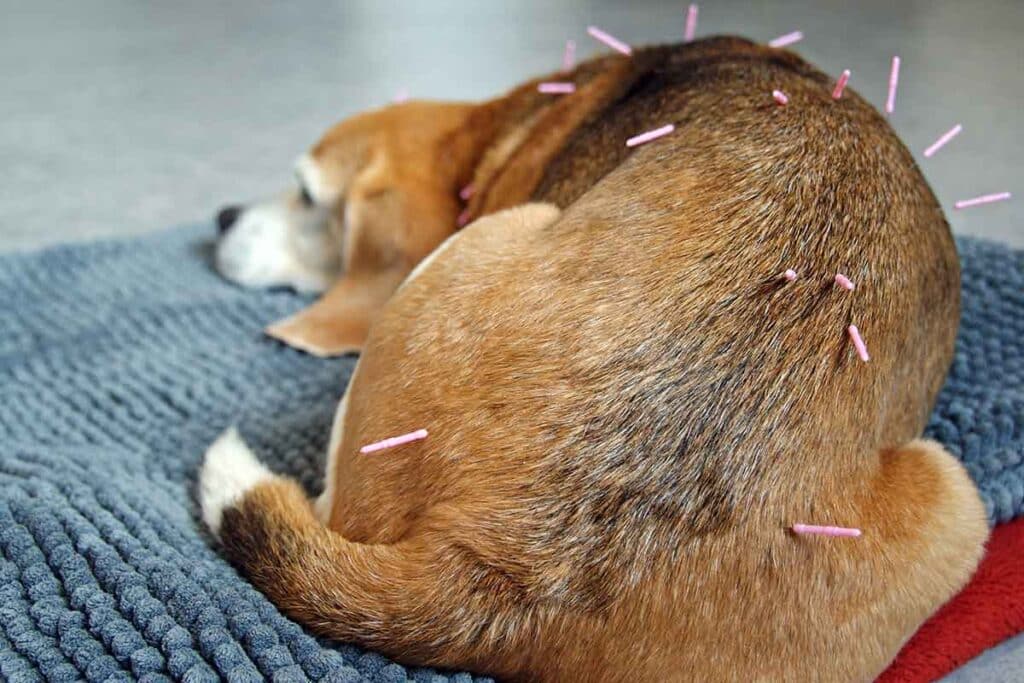
Every pet owner knows that feeling of helplessness when their beloved dog starts to limp after every walk, or an elderly cat moves less and less due to chronic joint pain. While traditional veterinary medicine offers effective treatments, sometimes they’re not enough, or the long-term use of medication causes unwanted side effects. It’s in these situations that more and more owners and vets are turning to ancient practices, adapted for our four-legged friends. One of the most interesting is animal acupuncture. Can tiny needles really bring back the joy of movement and ease suffering? Find out more on Tvaryny.
This article is your detailed guide to the world of veterinary acupuncture. We’ll break down what this method is, how it works from a scientific perspective, which conditions it’s most effective for, and what a session looks like for your cat or dog.
What is Veterinary Acupuncture?
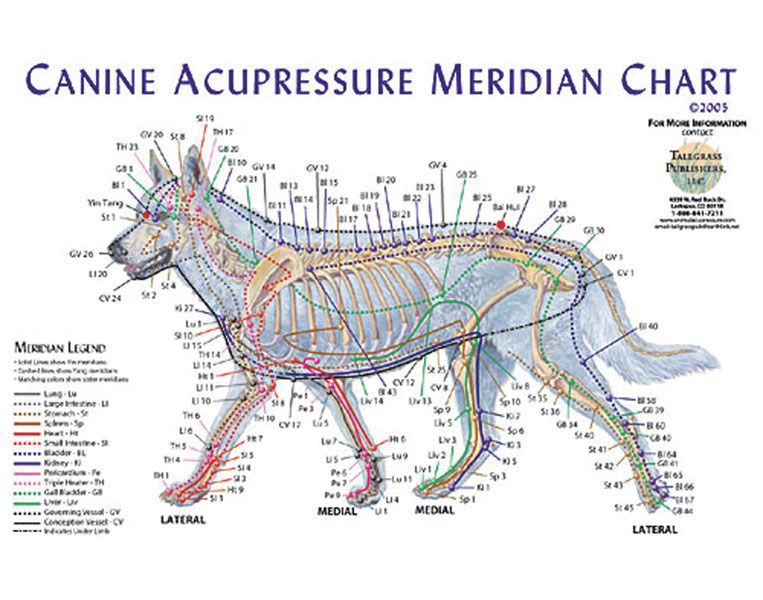
Veterinary acupuncture is a therapeutic method that’s part of Traditional Chinese Veterinary Medicine (TCVM). It involves inserting very thin, sterile needles into specific points on an animal’s body. These are known as acupuncture points.
The core idea of TCVM is that a vital energy called “Qi” circulates through the body along special channels known as meridians. When the flow of this energy is disrupted or blocked, it leads to pain and illness. Inserting needles into the correct points helps to restore the free flow of Qi, stimulating the body’s own healing mechanisms and returning it to a state of balance (homeostasis).
How It Works from a Modern Scientific Viewpoint
If the explanation about “Qi energy” sounds a bit too esoteric, don’t worry. Modern science has solid, evidence-based explanations for the effects of acupuncture. The stimulation of acupuncture points, which are often located near nerve endings and blood vessels, triggers a cascade of reactions in the body:
- Release of Endorphins: The needle stimulation prompts the brain to produce endorphins—the body’s natural painkillers, which have a similar effect to morphine. This explains the powerful pain-relieving effect.
- Improved Blood Circulation: Blood flow increases at the site of the needle insertion. This helps deliver more oxygen and nutrients to the affected area and remove inflammatory waste.
- Neuromodulation: Acupuncture influences the central and peripheral nervous systems, blocking the transmission of pain signals to the brain.
- Anti-inflammatory Effect: Studies show that the procedure helps release substances that reduce inflammation in tissues.
So, veterinary acupuncture isn’t magic; it’s a physiotherapeutic method that uses the body’s own resources to fight illness and pain.
When Should You Consider Acupuncture for Your Pet?
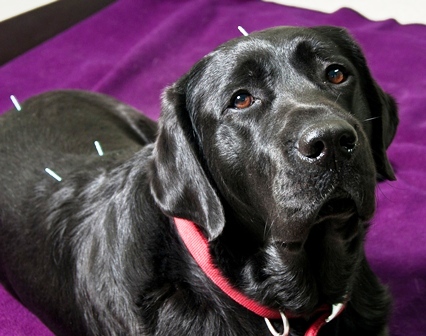
Acupuncture isn’t a cure-all, but it shows excellent results as a standalone method or, more often, as part of a comprehensive treatment plan. Here are the main conditions where its use is most justified:
1. Musculoskeletal Conditions
This is the most common area of application. Acupuncture significantly eases chronic pain and improves mobility and quality of life, especially in older animals.
- Arthritis and Osteoarthritis: Reduces pain and inflammation in joints.
- Hip and Elbow Dysplasia: An effective pain management for dogs of large breeds.
- Intervertebral Disc Disease (IVDD): Can help reduce pain and neurological deficits.
- Muscle Spasms and Injuries: Relaxes muscles and speeds up recovery.
2. Neurological Disorders
Nervous system stimulation can be beneficial for:
- Paresis or paralysis after injuries.
- Damage to peripheral nerves.
- Vestibular syndrome in elderly dogs.
3. Gastrointestinal Issues
Acupuncture helps to normalize GI motility. It can be useful for:
- Chronic diarrhea or constipation.
- Nausea and reduced appetite (for example, during chemotherapy).
- Inflammatory Bowel Disease (IBD).
4. Other Applications
Experienced specialists in alternative veterinary medicine for cats and dogs also use acupuncture for:
- Respiratory illnesses: such as feline asthma.
- Dermatological problems: allergic dermatitis, lick granulomas.
- Oncology support: to reduce pain and side effects from chemotherapy.
- Behavioral issues: anxiety, stress.
How an Acupuncture Session for Animals Works: Step-by-Step
Many owners are put off by the thought of needles and their pet. But in reality, it’s a lot calmer than you might think. Here’s a typical scenario of how a pet acupuncture session proceeds:
- Diagnosis. The session starts with a detailed exam and a conversation with the owner. The veterinary acupuncturist will perform an exam following TCVM principles, assessing the pulse, tongue color, and sensitive points on the body. This complements a standard veterinary diagnosis.
- Preparation. The procedure takes place in a quiet, calm room. The animal can lie on a soft blanket or even in the owner’s arms. The top priority is comfort.
- Needle Insertion. The vet quickly and almost painlessly inserts the sterile, hair-thin needles into the chosen points. Most animals don’t even notice. Some might feel a slight prickle, but there’s no sharp pain.
- Relaxation. After the needles are in place, the animal stays with them for 10-30 minutes. It’s amazing, but many patients, even those who were nervous at first, deeply relax, yawn, and may even fall asleep. This is because of the endorphin release.
- Conclusion. The vet carefully removes the needles. There’s no blood or discomfort during this process.
Safety, Side Effects, and Contraindications
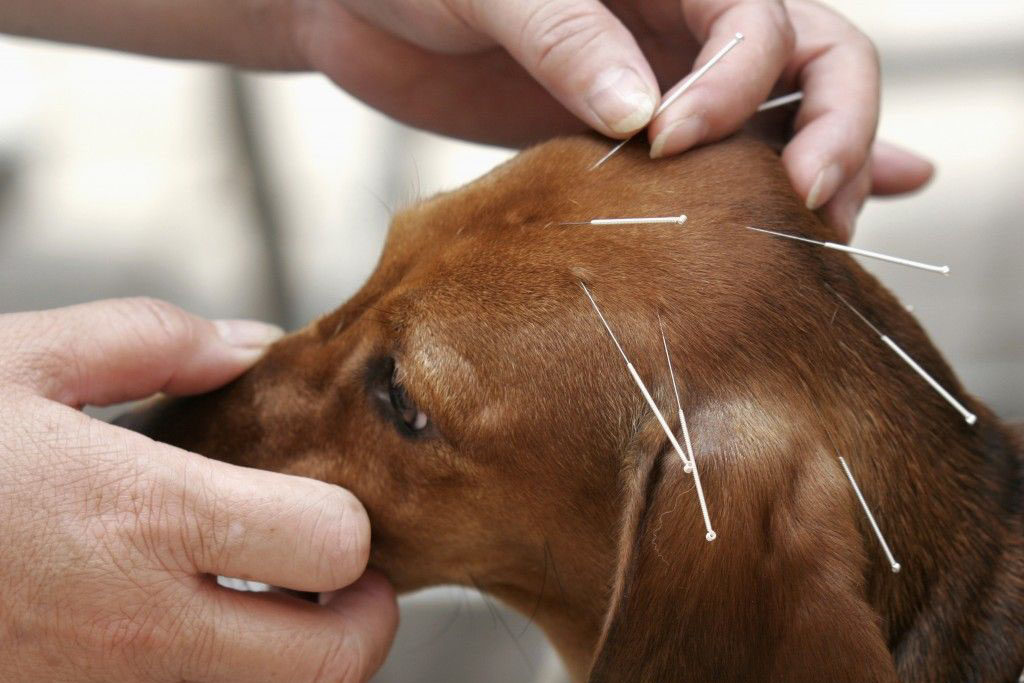
When performed by a qualified professional, veterinary acupuncture is one of the safest treatment methods. Side effects are extremely rare and usually minor:
- Slight drowsiness or, conversely, a burst of energy within 24 hours after the session.
- A minor, temporary worsening of symptoms before improvement occurs.
- Very rarely—microscopic bruises at the needle insertion site.
Contraindications for acupuncture include pregnancy (some points can stimulate uterine contractions), acute infectious diseases, and cancerous tumors (needles are not placed directly into the tumor).
How to Find a Qualified Specialist
This is a crucial question. The effectiveness and safety of the procedure depend 99% on the vet’s qualifications. Look for not just any vet, but a specialist who has completed a certified course in veterinary acupuncture. Here are a few tips:
- Ask your vet. They might recommend a trusted colleague.
- Check their credentials. Don’t hesitate to ask where the vet studied and if they have a relevant certification (e.g., from international associations like IVAS or Chi University).
- First Consultation. A good specialist will always perform a full exam, review the medical history, and won’t promise an instant cure. They’ll offer a realistic treatment plan.
Frequently Asked Questions (FAQ)
How many sessions will my pet need?
The number of sessions depends on the condition. For acute problems, 1-3 sessions may be enough. For chronic conditions like arthritis, treatment usually starts with 1-2 sessions per week for 4-6 weeks, followed by maintenance therapy (once a month or less often).
Is the procedure painful for the animal?
No. Acupuncture needles are much thinner than those used for injections. Most animals don’t react to their insertion. The feeling of relaxation that follows is proof that the procedure is comfortable.
Can acupuncture replace traditional treatment?
In some cases, yes, but most often it acts as a complementary therapy. It pairs wonderfully with medication, allowing for a reduction in the doses of painkillers and anti-inflammatory drugs, and consequently, their side effects.
Conclusion: A New Hope for Your Pet
Animal acupuncture is not a miracle but a scientifically-backed method that blends ancient wisdom with modern physiological knowledge. It offers a safe and effective way to relieve pain, improve mobility, and enhance the overall quality of life for our four-legged companions, especially when the options of traditional medicine are limited.
If your pet is suffering from a chronic condition, talk to your vet about the possibility of using acupuncture. This ancient practice might just be the key to their comfort and a long, happy life.