

| Height | 61–70 cm |
| Weight | 30–45 kg |
| Lifespan | 10–12 years |
| FCI group | 1 · sheepdogs |
| Origin | France |
Exact ratings
- Hip dysplasia
- Gastric torsion (bloat)
- Heart disease
- Eye disease
- Dermatitis
Quality protein for an active breed, with weight control; feed in small portions (torsion risk). Controlled growth in puppyhood.
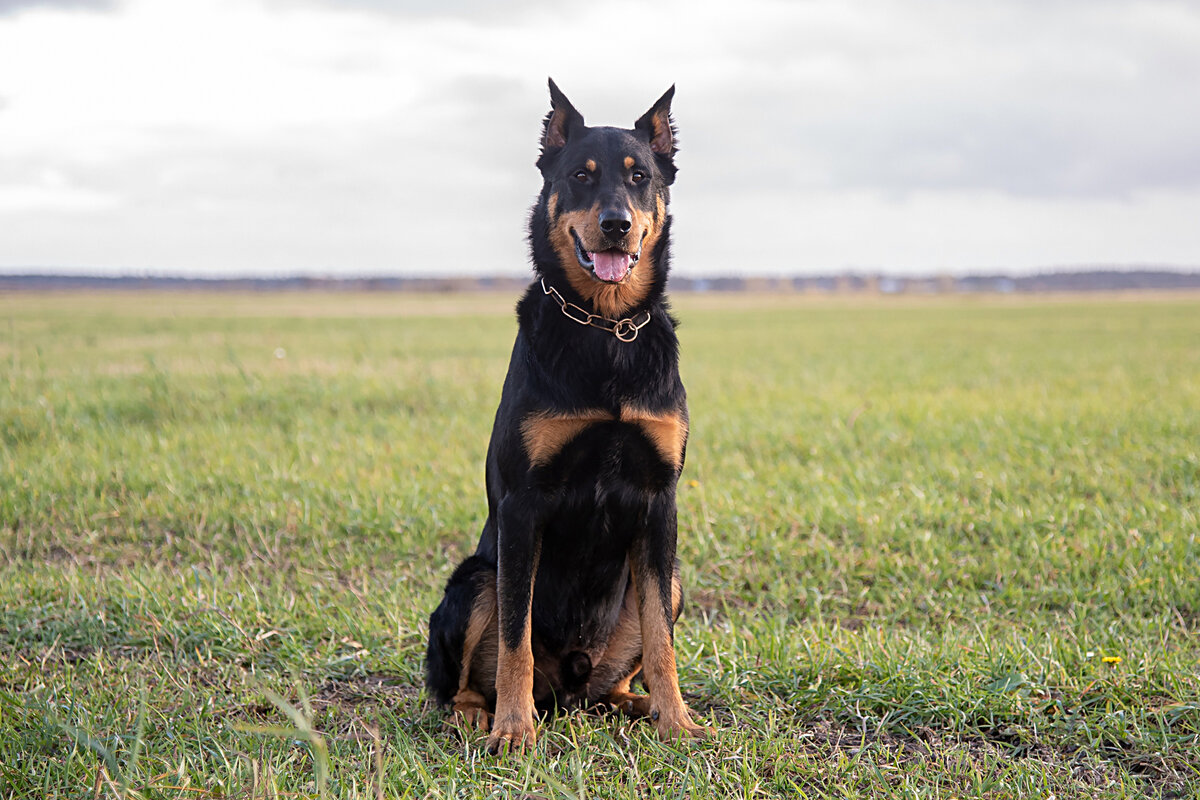
The Beauceron (Berger de Beauce), also known as the French Shorthaired Shepherd, stands as one of France’s oldest and most revered breeds. This magnificent dog, a blend of strength, intelligence, and unwavering loyalty, certainly deserves a closer look. Learn more on Tvaryny.
As early as 1809, Abbot Rozier’s “Manual of Agriculture” featured a description of dogs resembling the Beauceron: “On flat plains, open hills, and for daytime grazing of sheep flocks, the Briard dog is used. In forested areas, on steep or densely overgrown mountains, and for night grazing—in short, wherever and whenever there’s a threat of wolf attack—shepherds provide more powerful protectors, strong guard dogs, to assist the Briard dogs.” This historical account highlights the Beauceron’s role as a formidable protector of flocks, capable of fending off even wolves. The breed’s homeland is considered to be the Beauce region in northwestern France, from which it takes its name. They’re also sometimes called “red stockings” (Bas Rouge) due to the distinctive reddish-brown markings on their legs.
Beauceron: Key Breed Characteristics
| Characteristic | Description |
|---|---|
| Origin | France (Beauce region) |
| Other Names | Berger de Beauce, French Shorthaired Shepherd, Bas Rouge (Red Stockings) |
| Year of First Official Mention | Late 16th century, official recognition and club – early 20th century (first breed club founded in 1911) |
| Lifespan | 10-12 years |
| Height at Withers (FCI standard) | Males: 25.5-27.5 inches; Females: 24-27 inches |
| Weight | Males: approx. 88-110 lbs; Females: approx. 66-88 lbs |
| FCI Group | Group 1 (Sheepdogs and Cattle Dogs), Section 1 (Sheepdogs with working trials) |
| Temperament | Intelligent, brave, loyal, vigilant, hardworking, can be dominant |
| Usage | Herding dog, guardian, companion dog, working dog (police, military) |
A Detailed History of the Beauceron Breed
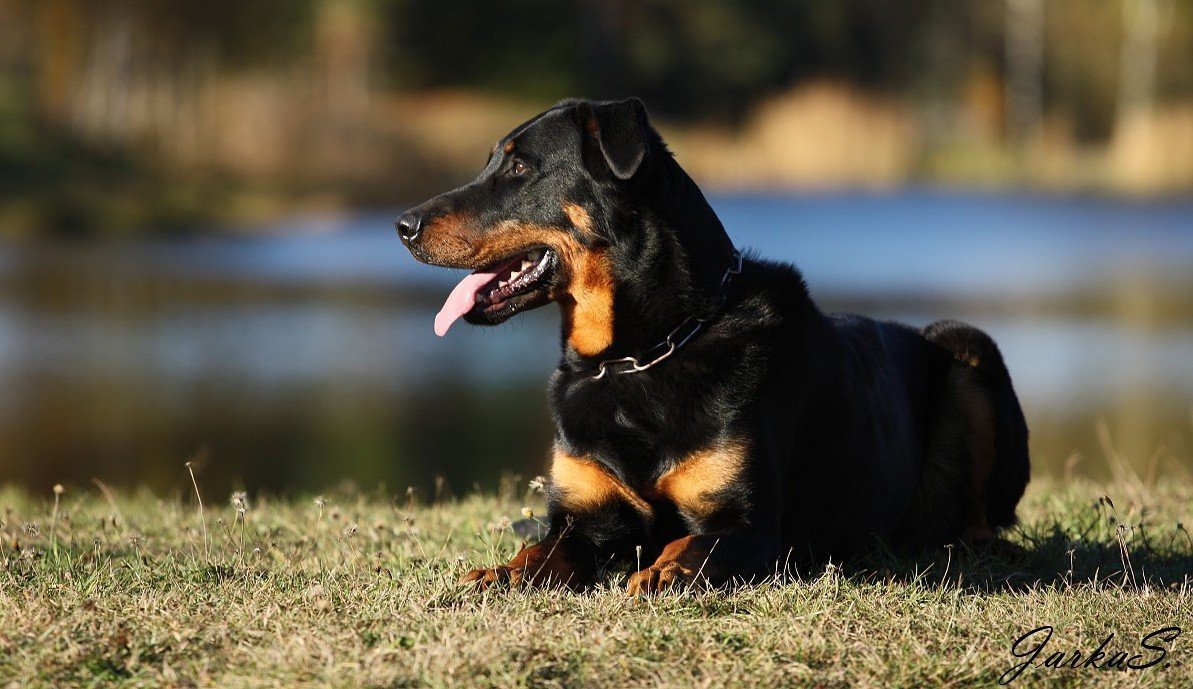
The history of the Beauceron reaches deep into the centuries. It’s believed that the Beauceron, much like its close relative, the Briard (a long-haired French shepherd), descends from ancient “peat dogs” that lived in Europe during the Stone Age. The first written records of “Berger de Beauce” type dogs date back to 1587. For centuries, these dogs were indispensable helpers for French farmers and shepherds, guarding livestock and property from predators and thieves. Initially, they were even used for hunting large game such as bears, wild boars, and deer.
With the advancement of agriculture, the Beauceron’s primary “specialization” shifted to herding and guarding. They were valued for their endurance, strength, fearlessness, and ability to make independent decisions. In the 19th century, focused efforts on the breed began. The first dog show in Paris was held in 1863, where Beaucerons were presented, though at that time, a clear distinction between Beauceron and Briard did not yet exist. It wasn’t until the late 19th century that the breeds were officially separated. The Beauceron Enthusiasts Club (Club des Amis du Beauceron) was founded in France in 1911, which helped popularize and standardize the breed.
Beaucerons proved themselves not only as shepherds. During both World War I and World War II, they were actively used in the military for guarding, message delivery, searching for the wounded, and even for mine detection. Their intelligence, courage, and trainability made them valuable working dogs. Today, Beaucerons, while not as common as some other shepherd breeds, continue to be used in police and rescue services. They also remain excellent companions and protectors for active and experienced owners. The breed maintains its working qualities, making it unique among many modern “couch potato” breeds. It’s worth noting that breeds like the Doberman Pinscher or the Rottweiler perform similar tasks, though each possesses its own unique traits.
What a Beauceron Looks Like: Standard and Appearance Description
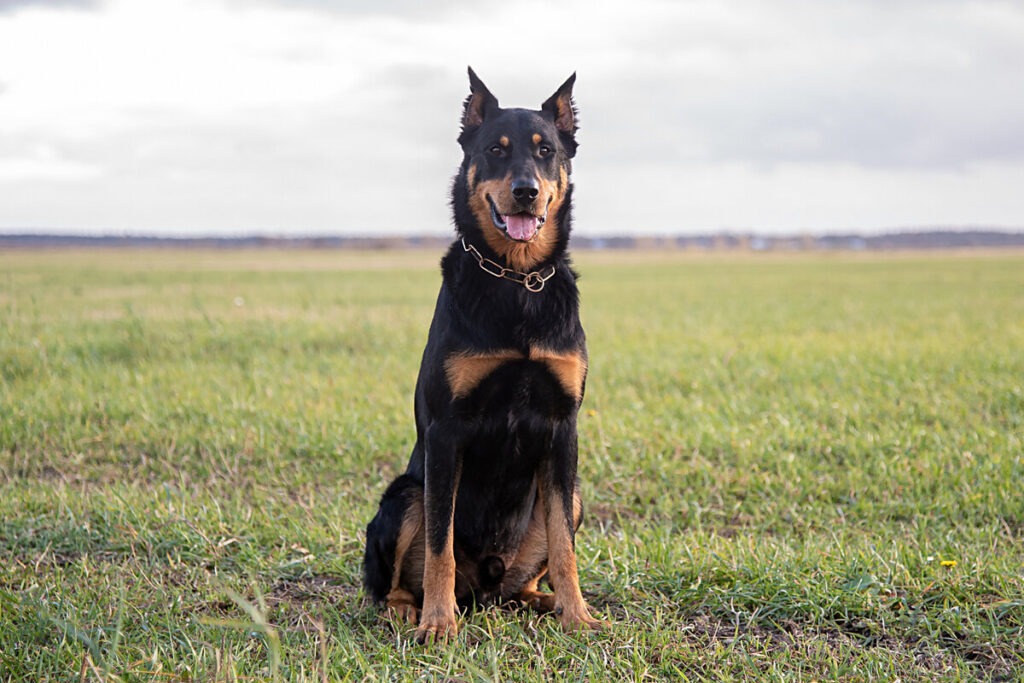
Outwardly, the Beauceron is a large, sturdy, well-built, and muscular dog, yet without heaviness or clumsiness. It radiates strength and confidence. Males stand 25.5-27.5 inches at the withers, while females are 24-27 inches. Weight ranges from 88-110 lbs for males and 66-88 lbs for females. An important characteristic is that Beaucerons mature quite late, reaching physical and mental maturity at approximately 2-3 years of age.
The Beauceron’s head is long, well-chiseled, and proportionate to the body. The skull is flat or slightly rounded. The stop (transition from forehead to muzzle) is moderate. The muzzle is neither narrow nor pointed. Lips are tight-fitting and black-pigmented. The bite is scissor-like.
The eyes are oval-shaped, set horizontally, and dark brown. In harlequin coloring, different colored eyes (heterochromia) or marbled eyes are permissible but not desirable for show specimens.
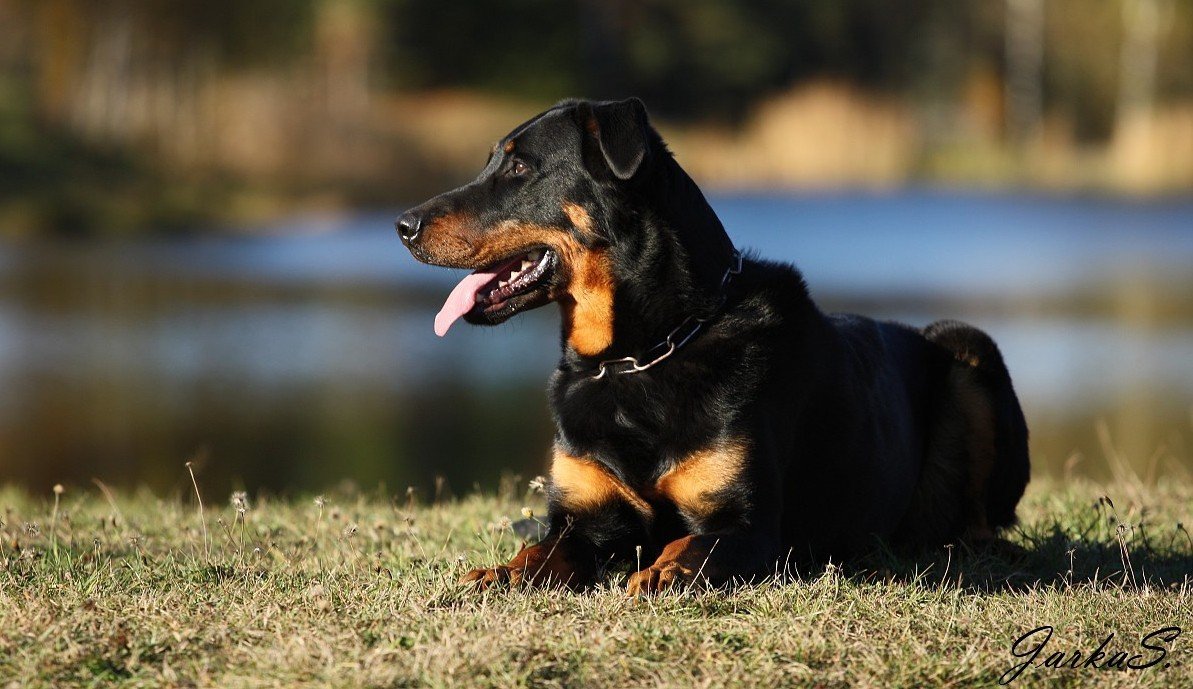
The ears are set high. Historically, ears were cropped to stand erect. However, cropping is prohibited in many countries, so Beaucerons with natural, semi-erect or drop ears that are flat and rather short are becoming more common.
The body is powerful, with well-developed musculature. The back is straight, and the loin is broad. The chest is deep and wide, extending down to the elbows. The belly is moderately tucked up.
The tail is long, reaching the hock joint, carried low in repose, with a slight J-shaped curve at the tip. When moving, it may rise but not above the level of the back.
The limbs are strong, muscular, with well-defined angulation. A characteristic feature of the breed is the double dewclaws on the hind legs. They should be well-developed, with nails, and set as close to the ground as possible, forming additional support. The absence or incomplete development of dewclaws is a serious fault.
The Beauceron’s coat is short, dense, harsh to the touch, and lies flat against the body, about 1.2-1.6 inches long. The hair on the head is smoother. There is a short, dense, soft undercoat, predominantly mouse-gray in color, which should not show through the outer coat. In winter, especially for dogs kept outdoors, the undercoat becomes significantly thicker.
Beauceron coloring comes in two types:
- Black and Tan: The primary color is a rich black. Tan markings (reddish or fawn, similar to squirrel fur) are clearly defined and located above the eyes (as spots), on the cheeks, on the muzzle, on the throat, on the chest (two patches), on the lower part of the limbs (stockings – “Bas Rouge”), and under the tail.
- Harlequin (or Merle): The primary color is gray with black patches evenly distributed over the body, with the same reddish-tan markings as the black and tan variant. In harlequin coloring, gray should not dominate black, and the patches should be well-defined. Too much gray or blurred patches are considered a fault.
Beauceron Character: Temperament and Behavior
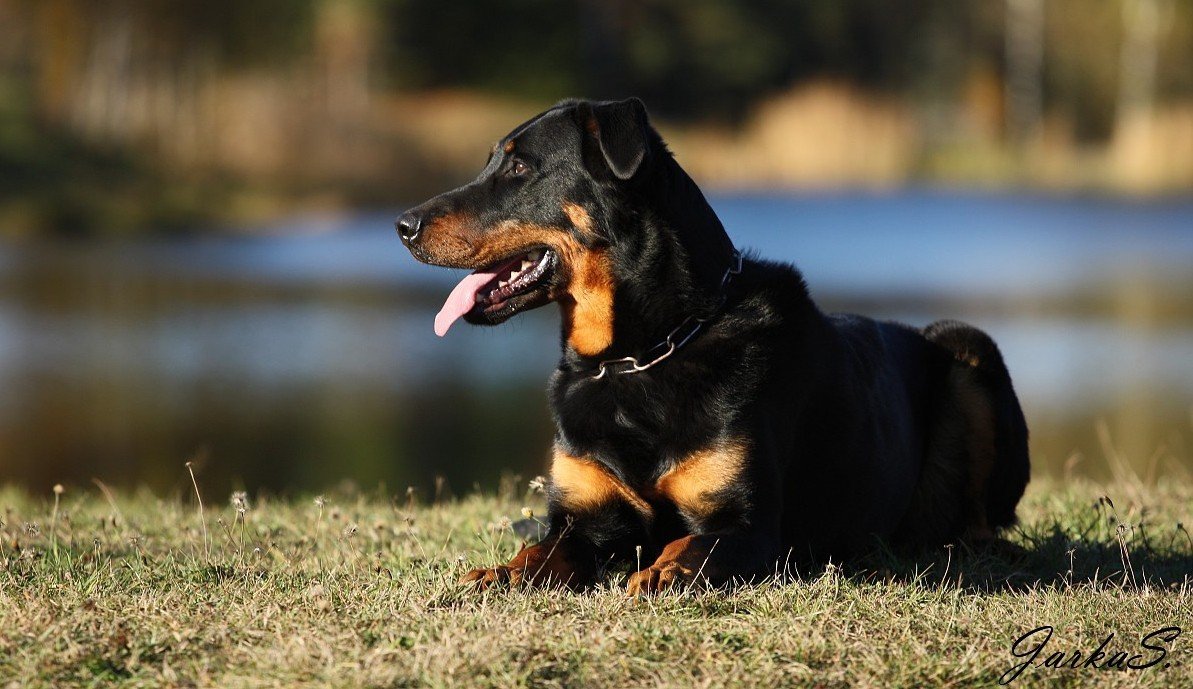
The Beauceron is a dog with a strong, balanced character, self-assured and fearless. They are often described as “gentlemen farmers”—elegant yet hardworking and dependable. This is a highly intelligent breed that learns quickly but requires consistent and fair training. Beaucerons are devoted to their families, vigilant, and instinctively protective of their territory and “pack.”
Key Beauceron Character Traits:
- Intelligence and Trainability: Beaucerons are very clever and capable of mastering complex commands. They excel in various dog sports like obedience, agility, and protection work. However, their intelligence demands constant stimulation; otherwise, the dog may become bored, leading to undesirable behaviors.
- Loyalty and Affection: A Beauceron forms a deep bond with its family and struggles with prolonged solitude. They strive to be a full-fledged family member and participate in all household activities.
- Guardian Qualities: The Beauceron’s guarding instinct is highly developed. They vigilantly watch over their territory and will not hesitate to defend their family if threatened. They are wary of strangers but without unwarranted aggression if properly socialized.
- Independence and Dominance Tendencies: Like many herding breeds, Beaucerons can be quite independent and prone to dominance. This means the owner must establish themselves as the “pack leader” from the outset through calm, confident, and consistent guidance. Harshness and physical punishment do not work with this breed and can lead to counterproductive results.
- Energy and Need for Activity: This is a very active breed that requires significant physical exercise and mental stimulation. Long walks, running, games, and sports are all essential for a Beauceron’s well-being. Insufficient activity can lead to destructive behavior.
- Attitude Towards Children and Other Animals: With proper early socialization, Beaucerons can get along well with children, treating them patiently and protecting them. However, due to the dog’s large size and strength, interactions with small children should always be supervised. Relationships with other dogs and animals can be more challenging, especially with same-sex dogs, due to their dominance tendencies. Early and thorough socialization is key. In many ways, their behavior resembles that of a Saarloos Wolfdog, which also requires an experienced owner.
Elegant, powerful, and active, the Beauceron is undoubtedly one of the kings among shepherds. They are versatile, highly intelligent, and responsive, and perhaps due to their relative scarcity, they have fully retained their working qualities to this day. The Beauceron has a rather strong character, is very self-assured, and tends towards maximum independence. With proper training, you can raise an obedient companion who will gladly serve you faithfully and truly.
Beauceron Health: Typical Ailments and Prevention
Overall, Beaucerons are considered a relatively healthy breed with a lifespan of 10-12 years. They are undemanding, and with proper care and a balanced diet, they rarely get sick. However, like all large breeds, they are prone to certain conditions:
- Hip and Elbow Dysplasia: This is a common problem in large dogs that can lead to arthritis and lameness. It’s crucial to choose a puppy from parents screened for dysplasia and to ensure proper nutrition and moderate exercise during growth.
- Bloat (Gastric Dilatation-Volvulus or GDV): A life-threatening condition where the stomach fills with gas and can twist. Risk factors include feeding large portions once a day, rapid eating, and activity immediately after meals. Prevention involves feeding smaller portions several times a day, using slow-feeder bowls, and avoiding activity after eating.
- Progressive Retinal Atrophy (PRA): A hereditary eye disease that can lead to blindness. Screening of breeding dogs is recommended.
- Heart Problems: Specifically, Dilated Cardiomyopathy (DCM) can occur in the breed. Regular veterinary check-ups will help detect problems early.
- Osteochondrosis (OCD): A disease affecting joint cartilage in fast-growing young dogs.
Preventative Measures for Maintaining Beauceron Health:
- Regular Veterinary Check-ups: Annual exams, vaccinations, and parasite control are mandatory.
- Balanced Diet: High-quality food appropriate for the dog’s age, size, and activity level.
- Weight Control: Excess weight puts additional strain on joints and the heart.
- Sufficient Physical Activity: Regular exercise helps maintain muscle tone and overall health.
- Genetic Testing: Responsible breeders test their dogs for common hereditary diseases.
And one more important rule for future owners: considering their temperament, under no circumstances should this dog be chained—otherwise, you will end up with an uncontrollable and potentially dangerous animal. A Beauceron needs human interaction and the freedom to move.
Beauceron Care: Coat, Hygiene, and Housing
Caring for a Beauceron isn’t overly complicated, but it does require regularity.
Coat Care: The Beauceron’s short coat is not prone to matting. Experts recommend brushing the coat with a rubber brush or a specialized glove 1-2 times a week to remove dead hair and keep the coat in good condition. During shedding season (usually spring and fall), you’ll need to brush more often, possibly daily. Bathe a Beauceron only when necessary, using a mild dog shampoo to avoid drying out their skin and coat. Frequent bathing can disrupt the skin’s natural oil balance.
Nail Care: A Beauceron’s nails need to be trimmed approximately once a month, or as they grow, if they don’t wear down naturally during walks. Special attention should be paid to the nails on the double dewclaws, as they don’t touch the ground and won’t wear down. Overly long nails can cause discomfort and problems when walking.
Ear and Eye Care: Regularly check their ears for dirt, redness, or an unpleasant odor. Clean ears with a special dog ear cleaner as needed. Eyes should be clean, without excessive discharge.
Dental Care: To prevent tartar buildup and gum disease, it’s recommended to regularly brush your dog’s teeth with a special dog toothpaste and brush, or provide dental treats.
Living Conditions: The Beauceron is a large and energetic dog, so they need space. Ideally, this would be a private home with a well-fenced yard where the dog can move freely. Apartment living is possible, but only if the dog receives long and active daily walks (at least 2-3 hours a day) and mental stimulation. A Beauceron can live in an outdoor kennel, provided there’s an insulated dog house and sufficient interaction with their owner. Remember that a Beauceron, with its outdoor lifestyle, may bring dirt into the home, so regular cleaning will be necessary.
Beauceron Training and Socialization
The Beauceron is an open, self-confident, intelligent, yet stubborn dog. Their upbringing and training require patience, consistency, and an understanding of the breed’s unique characteristics. Difficulties in training can arise if you try to explain something to a Beauceron with force or harsh methods. These dogs are not prone to blind obedience but rather to cooperation with a human they respect.
Key Aspects of Training:
- Early Socialization: This is incredibly important for a Beauceron. From a very young age, a puppy needs to be introduced to different people, sounds, places, and other animals (under supervision). This will help raise a well-adjusted and confident dog that reacts appropriately to new situations.
- Positive Reinforcement: Beaucerons respond best to training methods based on positive reinforcement (praise, treats, play). Physical punishment or yelling can provoke resistance or even aggression.
- Consistency and Firmness: A Beauceron owner must be consistent in their demands and rules. The dog needs to clearly understand what is allowed and what is not. Firmness does not mean harshness, but rather calm confidence and leadership.
- Mental Stimulation: In addition to physical exercise, a Beauceron needs mental work. Obedience classes, learning new commands, and puzzle games will help satisfy their intellectual needs.
- Professional Help: A Beauceron is not the best choice for an inexperienced owner. If you encounter difficulties in training, do not hesitate to seek help from a professional dog trainer familiar with the nuances of this breed.
The Beauceron belongs to a type of dog that only a truly strong-willed person with a firm hand, or at least an experienced dog owner, can properly raise. Beaucerons build family relationships (like any others) on the principle of a pack. This means that either you establish yourself as the strong leader, and the dog becomes your devoted and loving friend, or the dog entrenches itself in the leader’s position, which, as you understand, is a game played by entirely different rules. Intelligence, determination, patience, and consistency—these are your main weapons! An active and playful companion might be a Welsh Corgi Cardigan, but their temperament differs significantly from that of a Beauceron.
Beauceron Nutrition: Key Recommendations
Proper nutrition is the cornerstone of your Beauceron’s health and longevity. It’s recommended to feed adult dogs twice a day (morning and evening), rather than once, as is sometimes suggested for large breeds, to reduce the risk of bloat. Puppies are fed more frequently: 4-5 times a day until 3 months, 3 times a day from 3 to 6 months, and twice a day after 6 months. Clean drinking water should always be available in their bowl.
Types of Feeding:
- Commercial Dry Kibble: This is the most convenient option, as high-quality foods (premium, super-premium, or holistic class) for large, active breeds are already balanced in proteins, fats, carbohydrates, vitamins, and minerals. Choose food appropriate for your dog’s age and activity level.
- Natural Feeding: If you choose natural feeding, the diet must be carefully planned and balanced. The foundation should be lean meat (beef, turkey, chicken—if no allergies), organ meats, saltwater fish (boneless), grains (rice, buckwheat), vegetables (carrots, pumpkin, zucchini), and fermented dairy products (low-fat kefir, cottage cheese). It is also necessary to add vitamin and mineral complexes as recommended by your veterinarian.
What Not to Feed a Beauceron (or any dog):
- Chocolate and cocoa (toxic to dogs)
- Onions and garlic (can cause anemia)
- Grapes and raisins (can cause kidney failure)
- Bones (especially cooked poultry bones, which can injure the GI tract)
- Fatty, fried, smoked, spicy foods
- Sweets, baked goods
- Milk (many adult dogs digest it poorly)
If you want to feed your pet exclusively natural products, keep in mind that while the Beauceron breed is undemanding, they may have their own food preferences or allergies to certain products. Observe your dog’s reaction to new food or products. When it comes to treats, it’s best to buy specialized ones sold in pet stores or prepare them yourself from approved ingredients.
Pros and Cons of the Beauceron Breed
| Pros | Cons |
|---|---|
| Loyal and loving companion for the whole family. | Requires an experienced owner, not for beginners. |
| High intelligence, easily trainable (with the right approach). | Tendency towards dominance, requires firm but fair leadership. |
| Excellent guarding qualities, a reliable protector. | Needs significant physical exercise and mental stimulation. |
| Robust health and low-maintenance coat care. | Early and thorough socialization is essential. |
| Impressive appearance, strength, and elegance. | Can be wary of strangers. |
| Retains working qualities, a versatile dog. | Not suitable for small apartment living without sufficient exercise. |
| Gets along well with children in the family (with proper upbringing and supervision). | Can be stubborn. |
| Relatively quiet. | Slow to mature (physically and mentally until 2-3 years old). |
Interesting Facts About the Beauceron
- “Red Stockings”: One of the Beauceron’s nicknames is “Bas Rouge,” which translates from French as “red stockings.” This name is linked to the distinctive reddish-brown markings on their legs.
- Double Dewclaws: A unique feature of the Beauceron is the presence of well-developed double dewclaws on their hind limbs. According to breed standards, they must be functional and provide the dog with additional stability on uneven terrain.
- Two in One: Historically, the Beauceron and the Briard (French Longhaired Shepherd) were considered one breed with different coat types. It wasn’t until the late 19th century that they were separated into two distinct breeds.
- War Dog: Beaucerons were actively used by the French army during both World Wars for patrolling, communication, searching for the wounded, and even for transporting small loads.
- Movie Star: Beaucerons occasionally appear in films. For example, these majestic dogs can be seen in the movie “Brotherhood of the Wolf” (Le Pacte des Loups).
- Not For Everyone: Despite their numerous positive qualities, the Beauceron remains a breed not for everyone. Their strong character, need for activity, and intellectual stimulation demand a lot of time, experience, and dedication from an owner.
- Slow Maturation: Beaucerons only reach full physical and mental maturity by 2-3 years of age. This means their “puppyhood” and adolescence period is quite extended.
Frequently Asked Questions About the Beauceron Breed (FAQ)
Is the Beauceron suitable for an inexperienced owner?
No, the Beauceron is generally not recommended for novices. This is a strong, intelligent, and sometimes stubborn breed that requires an experienced, confident, and consistent owner capable of establishing leadership.
How does a Beauceron get along with children?
With proper early socialization and adequate training, Beaucerons can be patient and protective towards the children in their family. However, due to their size and strength, interactions with small children should always be supervised by adults.
Does the Beauceron shed a lot?
Beaucerons have a short coat but shed moderately throughout the year, with more intense shedding twice a year (seasonally). Regular brushing helps control this process.
Can a Beauceron be kept in an apartment?
Keeping a Beauceron in an apartment is possible, but only if the dog receives sufficiently long (at least 2-3 hours a day) and active walks, as well as mental stimulation. The ideal living conditions for a Beauceron are a private home with a fenced yard.
How much activity does a Beauceron need?
The Beauceron is a very energetic breed. They need daily intense physical exercise: long walks, running, active games, and dog sports. Without sufficient activity, a Beauceron can become restless and destructive.
Are Beaucerons aggressive?
With proper training and socialization, a Beauceron should not be aggressive without cause. They are natural guardians and may be wary of strangers, but their reaction should be controlled. Aggression is often a result of improper training, insufficient socialization, or fear.
Is ear cropping mandatory for a Beauceron?
No. Historically, ears were cropped, but today, this practice is prohibited in many countries for humane reasons. Uncropped ears do not affect the dog’s health or working qualities and are now considered standard.
Video about the Beauceron Breed
- Very clever and trainable
- A brave, reliable guardian
- Athletic and hardy
- Devoted to its family
- Needs plenty of exercise
- A guarding instinct — not for a novice
- Destructive without work
- Matures slowly
| German Shepherd | Belgian Shepherd (Groenendael) | Dobermann | |
|---|---|---|---|
| Height | 55–65 cm | 56–66 cm | 63–72 cm |
| Energy | 4.5 | 5 | 5 |
| Apartment | 3 | 2 | 3 |
| Beginners | 2.5 | 2 | 2.5 |
Is the Beauceron suited to a novice?
What is special about the Beauceron?
How much exercise does the Beauceron need?
FCI Standard No. 44 · The Kennel Club
For apartments · For kids · For beginners · Active · Smartest · Hypoallergenic · All rankings →