

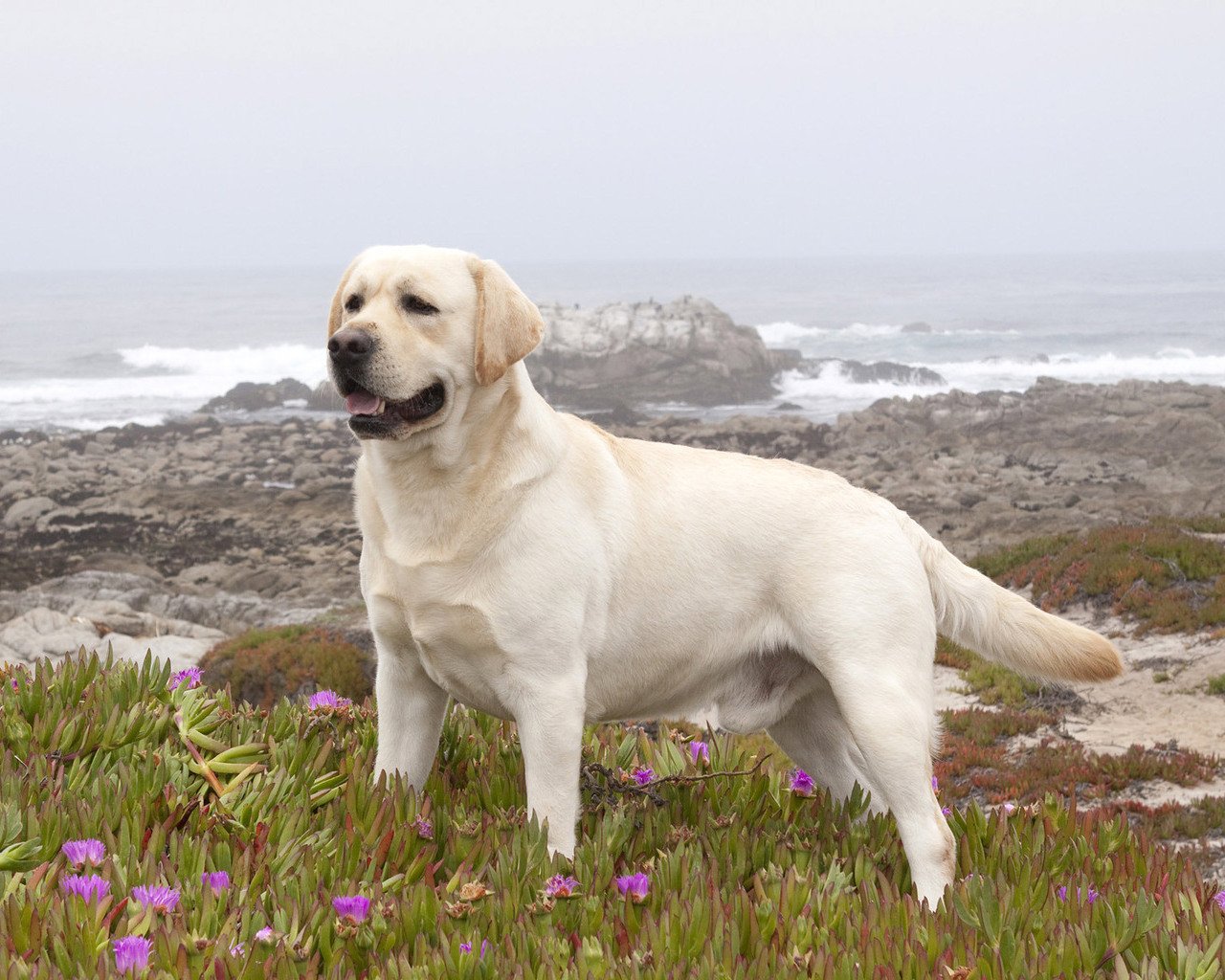
| Height | 54–57 cm |
| Weight | 25–36 kg |
| Lifespan | 10–12 years |
| FCI group | 8 · retrievers |
| Origin | Canada (Newfoundland) |
Exact ratings
Common health issues
Nutrition
The Labrador Retriever isn’t just a dog; they’re a true family member, companion, and best friend. With their spirited, joyful nature, sharp intelligence, and boundless loyalty, this breed has captured the hearts of millions globally, consistently ranking among the most popular. They’re beautiful, robust, and well-proportioned medium-sized dogs with a compact build and unique, water-repellent short coat. Find out more about this amazing breed and other beloved pets right here on Tvaryny.
A Labrador’s working abilities perfectly embody the ideal hunting retriever, especially adept at fetching game from water. They adore water, active play, and crave a close emotional bond with their owner. Labs are incredibly versatile dogs- they’re utilized as guide dogs, search-and-rescue animals, therapy dogs, and, of course, as unparalleled family pets.
Labrador Retriever: Key Breed Information
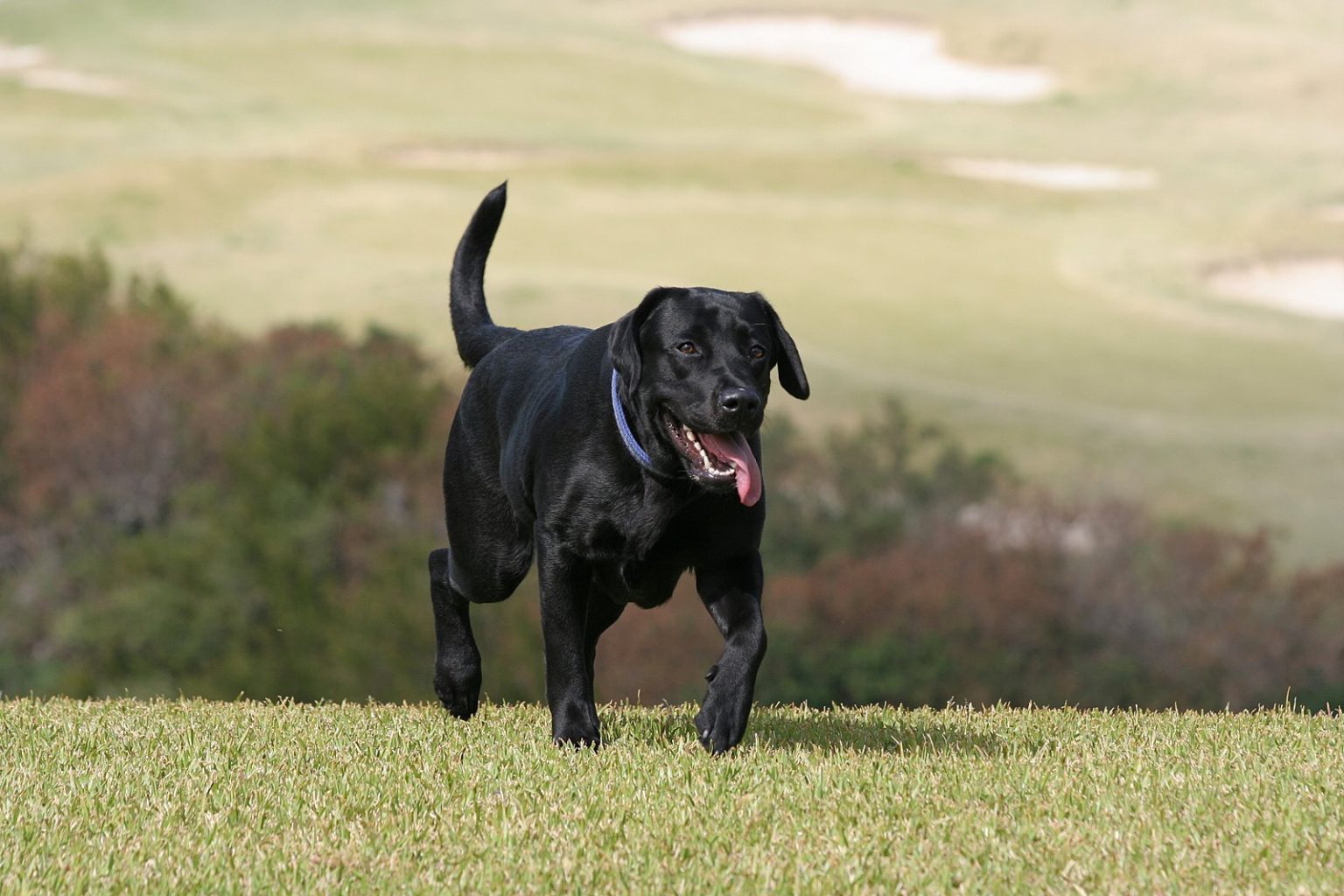
| Breed Name | Labrador Retriever |
| Country of Origin | Canada (Newfoundland Island) |
| Breed Emergence | 19th century, official recognition – 1903 |
| Average Lifespan | 10-13 years |
| Height (at shoulder) | Males: 22-24 inches, Females: 21-23 inches |
| Weight | Males: 65-80 pounds, Females: 55-70 pounds |
| FCI Group | Group 8. Retrievers, Spaniels, Water Dogs. Section 1. Retrievers. |
| Temperament | Friendly, active, intelligent, loyal, patient |
| Purpose | Companion dog, hunting dog, guide dog, rescue dog |
History of the Breed
The Labrador Retriever’s story doesn’t begin on the Labrador Peninsula, as the name might suggest, but on the neighboring island of Newfoundland, off Canada’s eastern coast. The ancestors of modern Labradors were the “Lesser Newfoundlands” or “St. John’s water dogs.” These were hardy, diligent, medium-sized dogs with short, dense, waterproof coats that local fishermen used to help with their daily tasks. They fearlessly plunged into icy waters to retrieve fish that had slipped from nets and assisted in pulling the nets ashore.
In the early 19th century, English aristocrats, notably the Earl of Malmesbury, took notice of these talented dogs and brought several specimens to Great Britain. They were impressed by their incredible sense of smell, soft mouths (the ability to retrieve game unharmed), and passion for fetching. It was in England that systematic breeding began. The name “Labrador” was likely given to the breed by the Earl of Malmesbury himself, to distinguish them from the larger Newfoundland dogs. Another theory suggests the name comes from the Portuguese word “labrador,” meaning “laborer,” or from the black stone “labradorite,” which resembled the color of the early representatives of the breed.
For a long time, only black Labradors were recognized; yellow and chocolate puppies were considered faults. However, these colors eventually gained recognition. In 1903, the breed was officially recognized by the English Kennel Club. Thanks to their outstanding working qualities and wonderful temperament, Labradors quickly displaced other breeds from their leading positions in waterfowling, including the Flat-Coated Retriever.
What a Labrador Looks Like: Breed Standard and Appearance
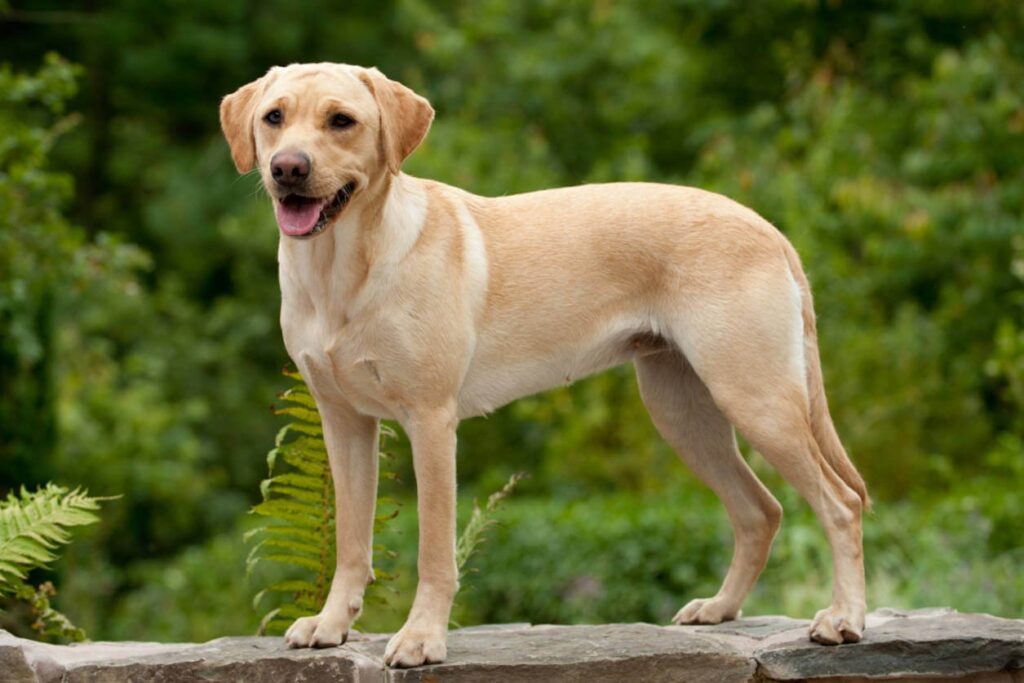
The Labrador Retriever is a sturdy, muscular dog with harmonious proportions. Their appearance exudes strength, athleticism, and friendliness. There’s a conventional division into two types: the show-type (English) – more massive, stockier, with a broader head, and the working-type (American) – lighter, more refined, with a longer muzzle, geared towards field trials.
| Body Part | Description According to Breed Standard |
|---|---|
| Head | Broad skull, clean lines, no fleshy cheeks. Pronounced stop (transition from forehead to muzzle). Muzzle medium length, powerful, not pointed. |
| Eyes | Medium-sized, brown or hazel. Intelligent and kindly expression. |
| Ears | Neither large nor heavy, pendulous, set rather far back, lying close to the head. |
| Bite | Jaws medium length, strong, with a perfect, regular, and complete scissors bite. |
| Body | Compact build. Chest broad and deep. Loin short and strong. |
| Tail | The “otter tail” – a distinctive feature of the breed. Very thick at the base, gradually tapering to the tip. Covered with short, dense hair, giving it a rounded appearance. Serves as a rudder in the water. |
| Limbs | Straight, with strong bone structure. Paws compact, round, with well-developed pads. Webbing between the toes aids in swimming. |
| Coat | Short, dense, harsh to the touch, with a thick, waterproof undercoat. May be slightly wavy along the back. |
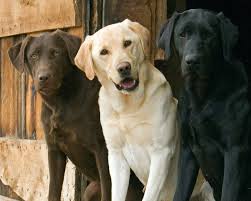
| Color | Solid: black, yellow (from light cream to fox-red), and chocolate/liver. A small white spot on the chest is permissible. |
Character and Temperament
Character is what Labradors are loved for most. They are an incredibly friendly, optimistic, and non-confrontational dog. Aggression towards people or other animals is absolutely not characteristic of this breed, making it virtually impossible to turn a Labrador into a reliable guard dog. They’re more likely to lick an intruder to death than show aggression. Their friendliness extends to everyone: family members, children, guests, other dogs, and even cats.
Labradors are ideal for families with children of any age. They are patient, playful, and gentle with youngsters. However, due to their energetic nature and size, a young Labrador might accidentally bump into a small child, so their interactions should always be supervised.
These are very smart dogs who aim to please their owners, making them highly trainable. A Labrador rejoices in every little thing and expresses emotions with their entire body, especially by wagging their “otter” tail vigorously. They are very social and don’t handle loneliness well, requiring constant attention and contact with their family. The Golden Retriever shares a similarly open and affectionate nature, being a close relative to the Labrador. Other retriever breeds, such as the Curly-Coated Retriever or the more serious and independent Chesapeake Bay Retriever, may have a somewhat different temperament.
Pros and Cons of the Breed
✅ Pros:
- Exceptional Friendliness: An ideal companion for families with children and other pets.
- High Intelligence: Easily trained, capable of learning many commands.
- Energetic and Playful: A great partner for active recreation, sports, and hikes.
- Versatility: Can be both a family pet and an excellent working dog (guide, rescue).
- Lack of Aggression: Safe for others, not prone to conflicts.
- Low-Maintenance Coat: Doesn’t require complex grooming, just regular brushing.
❌ Cons:
- Prone to Obesity: They have an excellent appetite and require strict weight management.
- Heavy Shedding: Especially intense shedding twice a year; fur will be everywhere.
- High Activity Needs: Requires daily long walks and physical exercise. Without it, they can become destructive.
- Tendency to Chew: As puppies and adolescents, they will chew on anything they can get their chompers on.
- Overly Friendly: Not suitable for a guard dog role.
- Health Issues: Prone to hip and elbow dysplasia and other hereditary diseases.
Labrador Care: Coat, Hygiene, and Grooming

Caring for a Labrador isn’t overly complicated, but it does require regularity. The foundation of care involves monitoring the condition of their coat, ears, eyes, and nails, as well as ensuring sufficient physical activity.
- Coat Care: A Labrador’s double coat has excellent water-repellent properties but sheds intensely. You should brush your dog at least 2-3 times a week, and daily during seasonal shedding periods (spring and fall). A furminator or rubber brush works best for this. Bathe your Labrador as needed, not too often, to avoid washing away the natural protective layer from their coat.
- Ear Hygiene: Labradors’ pendulous ears are poorly ventilated, creating favorable conditions for infections. Regularly- once a week -inspect the ear canal. Clean it with a special lotion and a cotton pad.
- Eye Care: A healthy Labrador’s eyes are clear. Minor discharge in the corners after sleep is permissible and can be removed with a clean cloth dampened in warm watter.
- Nail Trimming: If nails don’t wear down naturally on asphalt, they should be trimmed with clippers for large breeds approximately once a month.
- Dental Care: It’s important to regularly brush their teeth with a special dog toothpaste and brush to prevent tartar buildup. You can also provide dental treats.
An important aspect of care is ensuring a safe environment for your puppy. Remove all valuables, wires, and shoes from their reach, as a young Labrador will definitely try to chew on them.
Health and Typical Diseases
Training and Education
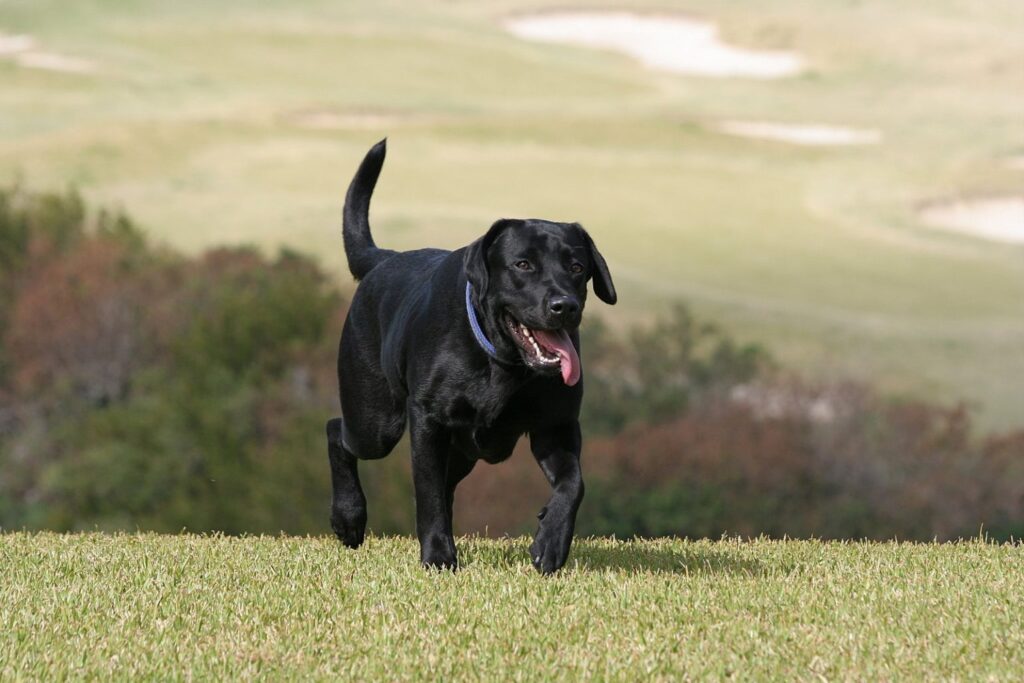
Labradors are among the most capable students in the canine world. Their natural intelligence, eagerness to please, and human-oriented nature make the training process enjoyable and effective. However, their energy and friendliness can create some challenges. Training should be based exclusively on positive reinforcement – praise, treats, and games. Physical punishment and pressure on a Labrador are unacceptable and can destroy their trusting relationship.
Key aspects of upbringing:
- Early Socialization: From 2-3 months of age, introduce your puppy to various people, sounds, places, and other calm dogs. This will help them grow into a confident and well-adjusted dog.
- Basic Command Training: Start teaching commands like “Sit,” “Stay,” “Come,” and “Heel” as early as possible. Sessions should be short and engaging.
- Impulse Control: Labradors can be very impulsive, especially when young. Teach your dog self-control, for example, waiting for a command before eating from their bowl or before going outside.
- Addressing Bad Habits: Don’t allow your puppy to jump on people or pull on the leash. From an early age, accustom them to proper behavior, as retraining an adult, strong dog will be much more difficult.
Nutrition: How and What to Feed?
Labrador Retriever as a Working Dog and Companion

Although most Labradors today are beloved family pets, they haven’t lost their outstanding working qualities. Their intelligence, sense of smell, and desire to cooperate with humans make them indispensable in many fields:
- Hunting: Their primary historical role – retrieving downed birds, especially from water.
- Guide Dogs: Their calm demeanor, reliability, and intelligence make them one of the best breeds for assisting visually impaired individuals.
- Canine Therapy: Their kind and patient nature is used for the psychological rehabilitation of children and adults.
- Search and Rescue: Thanks to their excellent sense of smell, they successfully locate people under rubble or in forests.
- Customs Service: They are used to detect narcotics and explosives.
This versatility further emphasizes the breed’s uniqueness. Their working talents largely echo the capabilities of Golden Retrievers, who also frequently serve as guide and therapy dogs. This is a truly special breed, beloved by many.
Interesting Facts About the Breed
- Most Popular Breed: The Labrador Retriever was the most popular dog breed in the U.S. for almost three decades, according to the American Kennel Club.
- Color Genetics: A Labrador’s coat color is determined by two genes. Interestingly, two black Labradors can produce puppies of all three colors (black, yellow, and chocolate). However, a pair of chocolate Labradors can only have chocolate and yellow puppies, never black ones.
- First Guide Dogs: In the 1920s, Labradors were among the first dogs systematically trained to assist blind people.
- Labrador Mayor: In 1981, a black Labrador named Bosco became the honorary mayor of Sunol, California, and “served” until his death in 1994.
- Waterproof Coat: Their double coat functions like a wetsuit. The dense, soft undercoat retains warmth, while the coarse outer hair repels water.
- Tail-Rudder: Their famous “otter tail” acts as an effective rudder while swimming, helping the dog maneuver in the water.
Frequently Asked Questions About the Breed (FAQ)
How much exercise does a Labrador need?
An adult Labrador requires at least 1-1.5 hours of active exercise per day. This can include long walks, running, swimming, or playing fetch. Insufficient activity can lead to obesity and destructive behavior.
Do Labradors bark a lot?
Labradors are not considered a “barky” breed. They may vocalize when someone comes to the door or during play, but incessant barking is not typical for them.
Are Labradors suitable for apartment living?
Yes, Labradors can do well in an apartment provided they receive enough daily physical and mental exercise outdoors. At home, they are generally calm dogs.
How long can a Labrador be left alone?
They are very social and don’t tolerate loneliness well. A well-behaved adult dog can be left alone for 4-6 hours. Puppies and young dogs should not be left alone for extended periods to avoid stress and destruction in the home.
Are Labradors hypoallergenic?
No, Labradors are not a hypoallergenic breed. They shed quite intensely and produce dander, which is an allergen for many people.
Video About the Labrador Retriever
- Ideal family dog
- Very easy to train
- Friendly with children and animals
- Hardy, playful and devoted
- Strong tendency to obesity
- Sheds heavily twice a year
- Needs plenty of activity
- Chews everything as a puppy
| Golden Retriever | German Shepherd | Beagle | |
|---|---|---|---|
| Height | 51–61 cm | 55–65 cm | 33–41 cm |
| Energy | 4 | 4.5 | 4 |
| Apartment | 3 | 2.5 | 3.5 |
| Beginners | 5 | 3 | 3.5 |
Do Labradors shed a lot?
Is a Labrador suitable for an apartment?
Is a Labrador easy to train?
FCI Standard No. 122 · The Kennel Club · VetCompass (RVC) 2018
For apartments · For kids · For beginners · Active · Smartest · Hypoallergenic · All rankings →