


| Height | 28–35 cm |
| Weight | 5–8 kg |
| Lifespan | 13–16 years |
| FCI group | 9 · toy dogs |
| Origin | Germany / France |
Exact ratings
- Luxating patella
- Progressive retinal atrophy (PRA)
- Tracheal collapse
- Dental problems
- Epilepsy
A quality small-breed food, with weight control. Regular grooming and tooth-cleaning; watch the state of the kneecaps and do not allow jumps from a height.
The Miniature Poodle (also known as the Dwarf Poodle) isn’t just an elegant “couch potato” dog; it’s one of the smartest and most talented breeds on the planet. Descended from larger water retrievers, this small companion inherited their sharp intelligence, athleticism, and an extraordinary capacity for learning, packing it all into a compact, charming frame. They make ideal family pets, equally at home in an apartment or a house, provided they get plenty of attention and mental stimulation. We’ll explore this more later at Tvaryny.
Don’t let their show-ring looks fool you. The Miniature Poodle is a sturdy, active, and incredibly playful dog. Their famous curly coat, which is virtually non-shedding, makes them an excellent choice for allergy sufferers, but it also demands diligent, regular grooming. Their loyalty to their families is boundless, and they’re always ready to be part of the action, whether that’s cuddling on the couch or a brisk walk in the park.
Poodle (Miniature): A Breed Overview
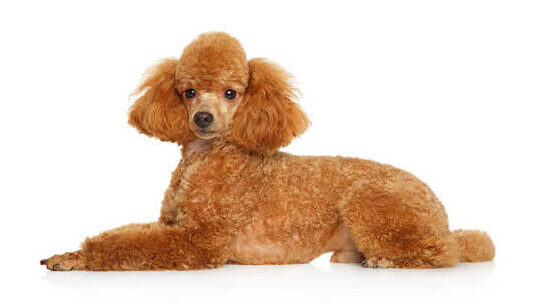
| Official Name | Poodle (Miniature) / Zwergpudel |
| Other Names | Mini Poodle, Dwarf Poodle |
| Origin | France (development), Germany (origin place) |
| FCI Group | Group 9 (Companion and Toy Dogs), Section 2 (Poodles) |
| Life Expectancy | 12-15 years (sometimes up to 18) |
| Height at Withers | 28-35 cm (11-14 inches) (a strict FCI standard) |
| Weight | 4-8 kg (9-18 lbs) |
| Temperament | Highly intelligent, loyal, active, playful, sensitive, easy to train |
| Grooming Needs | Very High (professional grooming every 4-6 weeks) |
| Shedding Level | Very Low (considered hypoallergenic) |
| Activity Needs | Medium (physical), High (mental) |
| Tendency to Bark | Medium (good watchdog, can be vocal without training) |
| Good with Children | Good, but better with older, respectful children |
| Good with Other Animals | Good, especially with early socialization |
Breed History
The Poodle’s history is full of debate, especially regarding its birthplace. Although France is credited as the “homeland” of the modern breed and responsible for its standardization, strong evidence points to German roots. The name “Poodle” itself comes from the German word “pudeln,” which means “to splash in water.” This directly hints at their original job.
Originally, Poodles were water retrievers, dogs that helped hunters retrieve shot game (especially ducks) from the water. Their dense, curly coat protected them from the cold. The famous “lion clip” we see in show rings actually had a practical purpose: it made swimming easier while leaving fur on vital organs and joints for warmth.
There were several sizes of Poodles, and each had its “specialty”:
- Standard Poodle: The original size, used for duck hunting.
- Medium Poodle: Also a hunter, but for smaller game.
- Miniature Poodle: Was bred down from smaller specimens. There’s a theory they were used for truffle hunting (though this is disputed), but it’s more certain they became extremely popular as circus performers. Their sharp minds, desire to please, and charismatic appearance made them stars of the ring.
- Toy Poodle: The smallest variety, bred purely as a companion dog for the aristocracy.
In France, the Miniature Poodle won the hearts of the nobility and became a favorite of the royal courts. They transformed from a working dog into a sophisticated companion. It was in France that the breed was finally “polished” and standardized. The American Kennel Club (AKC) officially recognized the Miniature Poodle as a distinct size in 1887. Today, they are one of the most popular Poodle varieties worldwide.
What the Miniature Poodle Looks Like: Standard and Appearance
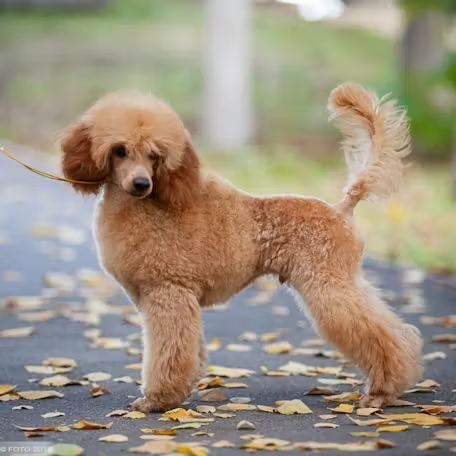
The Miniature Poodle is the epitome of elegance and proportionality. This is a “square” dog (body length is roughly equal to height at the withers), which moves with a light, springy, and graceful gait. Despite its small size, it gives the impression of a sturdy and athletic animal.
Key appearance characteristics:
- Head: Long, refined, with a barely noticeable stop. Muzzle is long and straight.
- Eyes: Very dark, almond-shaped. The expression is lively, intelligent, and alert.
- Ears: Long, flat, wide, and set low, at eye level. They hang along the cheeks and are covered in long, wavy hair.
- Body: Level topline, loin is strong and muscular. Chest is deep and moderately wide.
- Tail: Set high. Historically docked, but this is now banned in many countries, and a natural tail is the norm.
Coat and Color
The coat is the Poodle’s calling card. It’s unique in its structure. In the Miniature Poodle, it is very dense, crisp to the touch, and consists of tight curls. There is also a rare “corded” type, but curly is the most common. Poodles barely shed. Dead hairs don’t fall on the floor but get tangled in the curls, which requires daily brushing to prevent matting.
The breed standard recognizes only solid (single-tone) colors. Any spots or markings are a disqualification for shows. Allowed colors include:
- Black
- White
- Brown (from dark chocolate to lighter shades)
- Silver (born black and “clear” with age)
- Apricot
- Red (a relatively new but very popular color)
Character: Temperament and Behavior
Behind the elegant exterior lies a first-class intellect. Miniature Poodles consistently rank at the top of the smartest dog breeds. This means they not only learn quickly but also desperately need mental stimulation. A bored Poodle is an unhappy Poodle, who might invent its own “job”- and you probably won’t like it (like nuisance barking or chewing furniture).
Key personality traits:
- Loyalty: They are incredibly human-oriented and form a very close bond with their family. They love to be the center of attention and participate in everything.
- Sensitivity: These are very sensitive dogs. They react poorly to shouting, harshness, or a tense atmosphere in the home. They need a calm, positive approach to training.
- Playfulness: Miniature Poodles retain a “puppy-like” playfulness well into their senior years. They love fetch, puzzle toys, and running around.
- Watchdog Qualities: They are very alert and will always notify you with a loud bark about guests arriving or suspicious noises. Early socialization is important so this doesn’t turn into excessive barking.
- Prone to Separation Anxiety: Because of their deep attachment, they do not do well when left alone. They need to be gradually taught to be by themselves to avoid developing separation anxiety.
The Miniature Poodle gets along wonderfully with children, provided the kids are taught to handle the dog gently. Due to their small size, they can be injured during rough play. They also co-exist well with other dogs and cats, especially if raised together.
Health: Common Diseases and Prevention
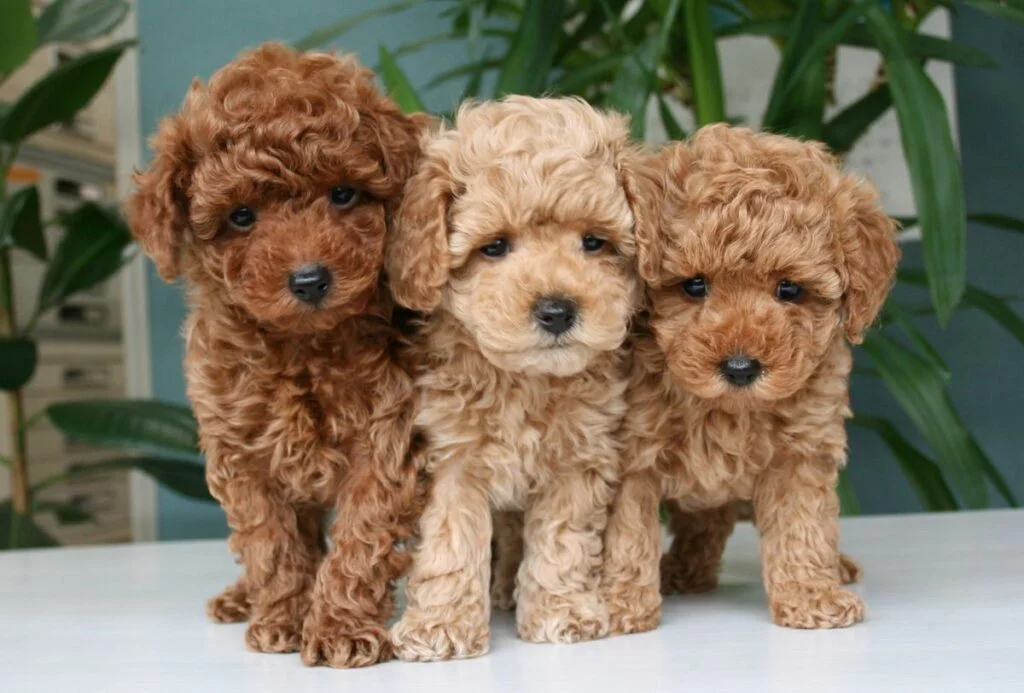
Miniature Poodles are generally a healthy breed with a long lifespan. However, like many purebreds, they are prone to certain genetic conditions. Responsible breeders test their dogs for these issues, but it’s important to be aware of the potential risks.
It’s important to understand that testing in the parents does not guarantee perfect health for the puppy, but it significantly reduces the risks. Regular vet check-ups, proper nutrition, and good ear and dental care are key to a long and happy life for your pet.
| Disease | Description | Prevention and Symptoms |
|---|---|---|
| Progressive Retinal Atrophy (PRA) | A genetic disease causing gradual vision loss and blindness. | A DNA test exists. The first symptom is “night blindness” (poor vision at dusk). |
| Patellar Luxation | A common problem in small breeds. The kneecap “pops out” of place. | The dog might skip or limp. Weight control helps. Severe cases require surgery. |
| Addison’s Disease | An adrenal gland disorder, causing insufficient cortisol production. | Symptoms are vague: lethargy, vomiting, loss of appetite. Diagnosed with a blood test. Treatable with hormone therapy. |
| Legg-Calve-Perthes Disease | Degeneration of the femoral head, leading to arthritis and lameness. | Usually appears in puppies. Treatment is surgical. |
| Ear Infections (Otitis) | Due to the hanging ears and hair growth in the canal, ventilation is poor. | Prevention: Regular ear cleaning, plucking hair from the canal (done by a groomer or vet). |
| Dental Problems | Prone to rapid tartar buildup and periodontal disease. | Prevention: Daily tooth brushing, professional cleaning at the vet, dental chews. |
How to Care for the Coat?

Grooming is the most important, most complex, and most expensive aspect of Poodle ownership. If you are not prepared to dedicate time and money to this, this breed is not for you.
Their unique hair doesn’t shed; it grows continuously, like human hair. Dead hairs get trapped in the curls. Without regular care, this quickly leads to mats, which pull on the skin, cause pain, irritation, and can lead to serious skin infections.
Key elements of grooming:
- Daily Brushing: This is not an exaggeration. You will need a good quality slicker brush and a metal comb. You must brush down to the skin to ensure there are no knots.
- Professional Grooming: A Miniature Poodle needs to be groomed every 4-6 weeks. This is non-negotiable. Even if you like a “shaggy” look, the coat must be trimmed for hygiene and to prevent matting.
- Bathing: Usually done during the professional grooming session. Use only high-quality dog shampoo and conditioner.
- Ear Care: Critically important. Check the ears weekly, clean them with a special solution. The hair that grows deep in the ear canal must be regularly (and carefully) plucked. A groomer usually does this.
- Dental Care: Due to their predisposition to tartar, they need daily tooth brushing with a dog-specific toothpaste.
- Nail Trimming: Every 2-4 weeks if they don’t wear down naturally.
There are many grooming clips for Poodles- from the “Continental” show clip to the simple and practical “sporting” or “puppy clip,” where the hair is just trimmed evenly over the body. Most owners choose practical clips to keep the coat in ideal condition without teh extra fuss.
Training and Socialization
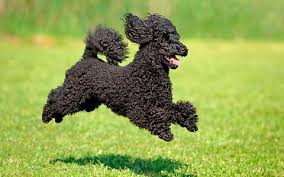
Training a Miniature Poodle is a real pleasure. Thanks to their intelligence and eagerness to please, they pick up new commands in a flash. They are excellent for new owners, but only those who are willing to engage with the dog.
Key training principles:
- Positive Reinforcement Only: Poodles are very sensitive. They thrive on praise, treats, and play. Harsh methods, yelling, or punishment will only lead to the dog becoming nervous, fearful, and uncooperative.
- Mental Stimulation: This is just as important as physical walks. 15 minutes of learning a new trick or playing a “find the treat” game will tire a Poodle out more than an hour-long walk. They need a “job for their brain.”
- Early Socialization: Like all dogs, Poodles need early and positive socialization. Introduce the puppy to different people, sounds, places, and other dogs. This will help them grow into a confident adult and prevent fear or excessive barkng.
- Dog Sports: Miniature Poodles are stars in many dog sports. They excel in agility, obedience, flyball, and even dog dancing. This is a fantastic way to meet their activity needs and strengthen your bond.
Nutrition: Key Recommendations
Proper nutrition is the foundation of health. For a Miniature Poodle, it’s important to choose a balanced diet that supports their energy, coat health, and prevents weight gain. They can be prone to obesity if overfed.
Feeding options:
- High-Quality Dry Food (Kibble): This is the easiest way to ensure a balanced diet. Choose super-premium or holistic brands designed for small breeds. Meat should be the first ingredient.
- Wet Food (Canned): Can be used as a supplement to dry food to improve appetite or as the main diet (but this is more expensive).
- Natural Diet (BARF or home-cooked): This method requires deep knowledge and consultation with a veterinary nutritionist. If you choose this path, ensure the diet is balanced with all necessary vitamins and minerals.
Important points:
- Portion Control: Don’t leave food out all day. Feed an adult dog 2 times a day, measuring the portion precisely.
- Sensitive Digestion: Some Poodles have sensitive stomachs. Avoid fatty foods (including table scraps).
- Treats: Use treats for training, but factor them into the total daily calorie count.
| Allowed foods (in moderation) | Forbidden foods (toxic) |
|---|---|
| Boiled lean meat (chicken, turkey, beef) | Chocolate (especially dark) |
| Sea fish (boiled, boneless) | Grapes and raisins |
| Cultured dairy (low-fat plain yogurt) | Onions and garlic |
| Boiled eggs (1–2 times a week) | Xylitol (sweetener in gum, candy) |
| Grains (rice, buckwheat) | Alcohol, coffee, tea |
| Vegetables (carrots, broccoli, pumpkin – cooked or raw) | Fatty, fried food, cooked bones (especially poultry) |
Pros and Cons of the Breed
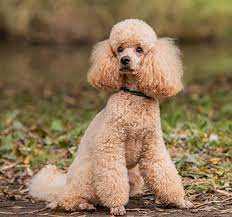
The Miniature Poodle is a wonderful breed, but it’s not for everyone. It’s important to honestly assess your lifestyle and abilities before getting one.
| Pros (Advantages) | Cons (Disadvantages) |
|---|---|
| High Intelligence: Very easy to train, one of the smartest dogs. | High Grooming Needs: Requires daily brushing and professional grooming every 4–6 weeks. |
| Hypoallergenic Coat: Sheds very little, suitable for allergy sufferers. | Prone to Separation Anxiety: Hates to be alone. |
| Compact Size: Adapts well to apartment living. | High Need for Mental Stimulation: A bored Poodle can be destructive. |
| Long Lifespan: Can live 15+ years. | Tendency to Bark: Can be “yappy” without proper training. |
| Active and Playful: Great for active people. | Sensitivity: Needs gentle, positive training. |
| Loyalty:Bonds very closely with family. | Health Issues: Risk of genetic diseases (eyes, joints). |
Fun Facts About the Miniature Poodle
- Practical Clip: As mentioned, the “lion” show clip was designed by hunters to protect the dog’s vital organs and joints in icy water while reducing drag on the rest of the body.
- Circus Fame: Thanks to their intelligence and showmanship, Miniature Poodles were extremely popular circus performers in the 18th and 19th centuries, performing complex tricks.
- One Breed, Four Sizes: The Poodle is the only breed with four official FCI-recognized sizes, all judged by the same standard (except for height). These are the Toy, Miniature, Medium, and Standard. (Note: The AKC in the US recognizes three sizes).
- Not a “Frou-Frou” Dog: Despite their refined look, these are tough, athletic, and hardy dogs descended from true working retrievers.
- Royal Favorites: Poodles were favorites of the French aristocracy, including Louis XVI and Marie Antoinette.
Frequently Asked Questions (FAQ)
Do Miniature Poodles shed a lot?
No, this is one of their biggest advantages. They shed minimally. However, the hair that does fall out gets trapped in the curls instead of on the floor, so they must be brushed daily to prevent mats.
Do they need a lot of exercise?
They need moderate physical exercise (daily walks, playtime) but high mental stimulation. It’s more important to tire out their brain (learning tricks, puzzle toys, nose games) than just running them for hours.
Are Miniature Poodles good with children?
Yes, they can be wonderful companions for kids, especially if raised together. However, due to their small size, they are vulnerable. It’s important to teach children to be gentle and respectful. They are often better suited for families with older children.
Can a Miniature Poodle be left home alone?
They strongly dislike being alone and are prone to separation anxiety. This is not a dog that can be left for 8-10 hours every day. If you work full-time, you will need help (a dog sitter) or the ability to take the dog with you. They must be gradually and patiently taught to handle short periods of absence.
Is it true Poodles don’t have a “doggy odor”?
Many owners report that Poodles have a significantly less noticeable “dog smell” than many other breeds, especially if they are bathed regularly and their coat is well-maintained.
Video About the Breed
- Very clever, easy to train
- Barely sheds (hypoallergenic)
- Long-lived (13–16)
- An excellent family companion
- Needs regular grooming
- Luxating patella
- Sensitive, needs attention
- Vocal without training
| Bichon Frise | Maltese | Cocker Spaniel | |
|---|---|---|---|
| Height | 23–30 cm | 20–25 cm | 38–43 cm |
| Energy | 3.5 | 3 | 4 |
| Apartment | 5 | 5 | 3.5 |
| Beginners | 4 | 4 | 4 |
Is it true that the poodle is hypoallergenic?
Is the poodle's coat hard to care for?
Is the poodle easy to train?
FCI Standard No. 172 · The Kennel Club
For apartments · For kids · For beginners · Active · Smartest · Hypoallergenic · All rankings →