

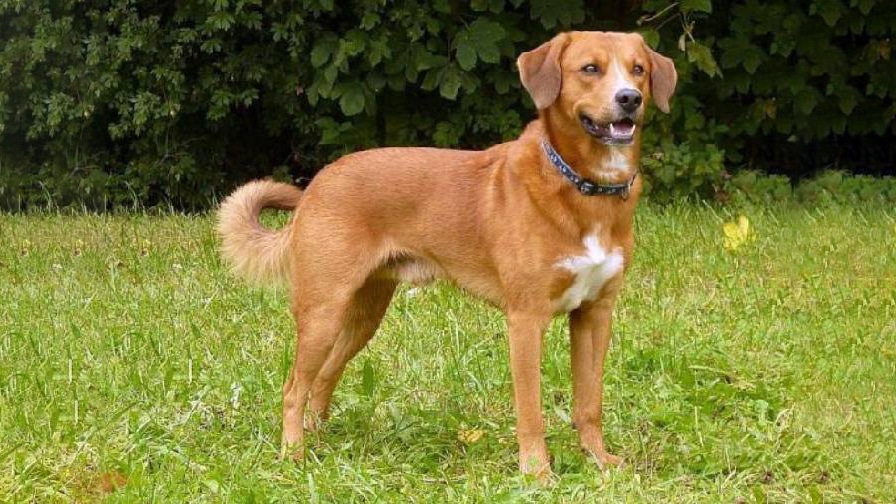
| Height | 42–50 cm |
| Weight | 12–18 kg |
| Lifespan | 12–14 years |
| FCI group | 2 · pinschers, schnauzers, molossoids |
| Origin | Austria |
Exact ratings
Common health issues
Nutrition
“Biter” – that’s one interpretation of the word “pinscher,” though it more accurately stems from the English “to pinch” or the German “picken” (to peck or bite). This points to its historic role as a ratter and guardian. When defending its territory and owner, the Austrian Pinscher (Österreichischer Pinscher) can indeed act decisively against any threat, whether animal or human. The Austrian association for the conservation of endangered indigenous breeds, Arche Austria, has listed the Austrian Pinscher, highlighting its vulnerable status. At one point, the population was critically low, and it was only through the dedicated efforts of enthusiasts that the breed was saved. Qualities such as endurance, energy, vigilance, and a resolute character are the hallmarks of this unique dog. You can find out more on this at Tvaryny.
Austrian Pinscher: Key Breed Characteristics at a Glance
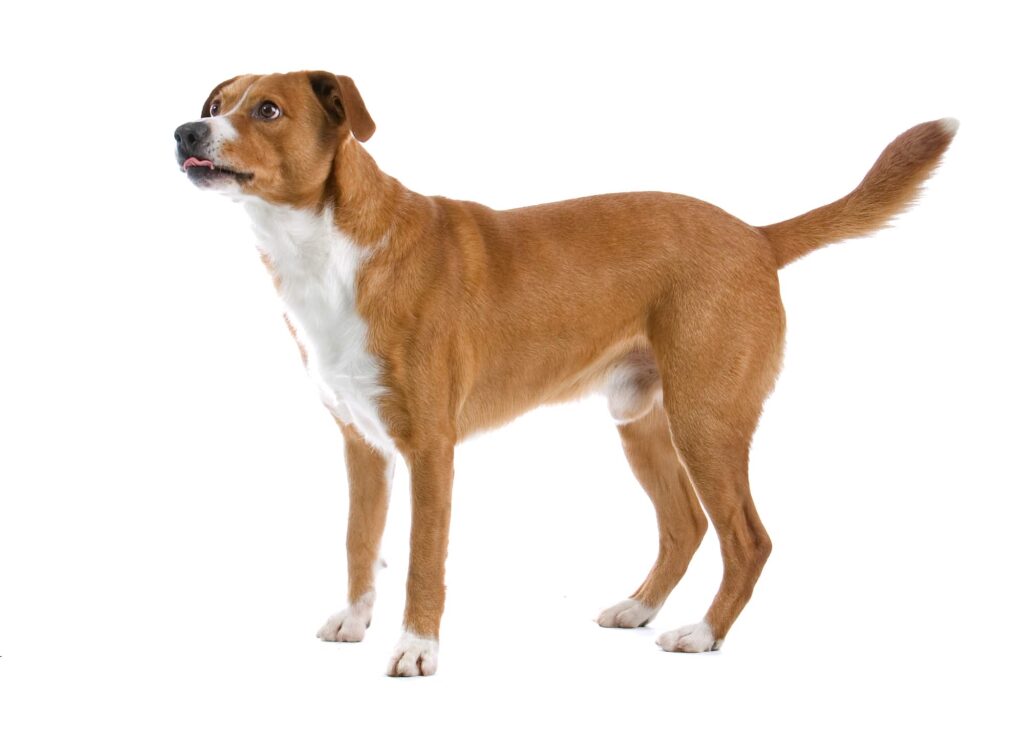
| Characteristic | Description |
| Other names | Österreichischer Pinscher, Austrian Shorthaired Pinscher, Austrian Terrier (unofficial) |
| Origin | Austria |
| FCI recognition | Group 2 (Pinscher and Schnauzer, Molossoid and Swiss Mountain and Cattledogs), Section 1.1 (Pinscher type). Standard No. 64. |
| Year of recognition | 1928 (initial recognition), 2000 (updated standard) |
| Lifespan | 12-15 years |
| Height at withers | Males: 44-50 cm, Females: 42-48 cm |
| Weight | 12-18 kg |
| Temperament | Lively, vigilant, self-assured, playful, devoted, wary of strangers, good watchdog |
| Use | Guard dog, companion, formerly for vermin control on farms |
History and Development of the Austrian Pinscher
The Austrian Pinscher is a breed with deep roots, tracing back to the old-style rural pinschers that were common throughout Austria. These dogs were not the product of targeted aristocratic breeding but rather a naturally formed group of all-purpose farm dogs. Their main jobs were to guard property from unwelcome visitors and to control vermin, such as rats and mice, in stables and barns. They might also have been used to herd livestock and assist in hunting small game like foxes and hares.
The ancestor of the modern Austrian Pinscher is considered to be the old Austrian country pinscher (Landpinscher), which was widespread in the latter half of the 19th century. These dogs were robust, unfussy, and well-adapted to local conditions. It is believed they share common ancestors with the German Pinscher but developed separately, acquiring their own distinct characteristics.
In the early 20th century, as other breeds gained popularity and the way of life changed, these local dogs began to disappear. Recognising the value of this unique breed, Emil Hauck began a programme to restore and standardise it in 1921. He searched all over Austria for typical examples, selecting dogs with the desired traits. Thanks to his efforts, the breed was officially recognised by the Austrian Kennel Club (ÖKV) in 1928 under the name “Austrian Shorthaired Pinscher.”
However, the Second World War dealt a severe blow to the population. The number of dogs plummeted, and the breed was brought to the brink of extinction. By the 1970s, only one registered breeding male, named Dickl von Angern, remained. Thanks to dedicated enthusiasts and crossbreeding with similar-type dogs that still existed on farms, the breed was rescued. Although the population remains small today, the Austrian Pinscher has a loyal following who appreciate its working abilities, devotion, and unique character. The modern name of the breed – “Austrian Pinscher” – was adopted to reflect the variety of coat types, as there are not only shorthaired examples.
What Does an Austrian Pinscher Look Like? A Detailed Description
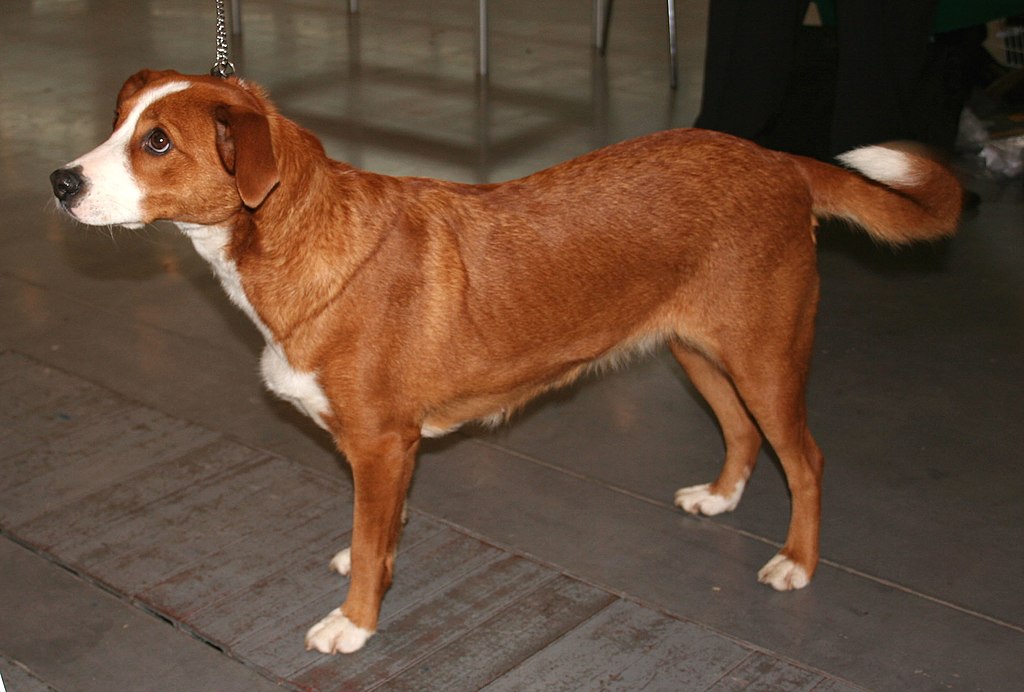
The Austrian Pinscher is a medium-sized dog with a sturdy, stocky build that radiates liveliness and alertness. It has a distinctive pear-shaped head and an intelligent, attentive expression.
- General Appearance: A stocky, strong dog with well-developed musculature. It should not appear either heavy or too light.
- Head: Pear-shaped, in proportion to the body. The skull is broad, with a definite but not abrupt stop (the transition from forehead to muzzle). The muzzle is strong, not too long, and tapers gradually towards the nose.
- Nose: The nose leather is large and black in most colours, or dark brown in red and fawn dogs.
- Lips: Tight-fitting and pigmented.
- Jaws and Teeth: Strong jaws with a full scissor bite. A level bite is permissible.
- Eyes: Large, round, and dark in colour, with a lively and intelligent expression. The eyelids are close-fitting.
- Ears: Small “button ears” (folded over, with the tips lying close to the cheeks) or small prick ears (like a bat’s). Set high. Ear cropping is banned in the UK and many other countries and does not conform to the standard.
- Neck: Medium length, strong, muscular, without a dewlap.
- Body: Strong and slightly elongated. The back is straight and firm. The loin is short and broad. The croup is broad and not sloping. The chest is broad, deep, oval-shaped, and reaches the elbows. A well-defined forechest.
- Tail: Set high, carried in a sickle shape or curled in a ring over the back. Of natural length. Tail docking is also banned.
- Limbs: The forelegs are straight with strong bone. The shoulder blades are long and sloping. The elbows are close to the body. The hindquarters have well-developed muscles and good angulation. The thighs are broad. Paws are compact and “cat-like,” with strong claws.
- Coat: A double coat consisting of a thick, dense topcoat and a soft, dense undercoat. The topcoat can be short and smooth, or longer (up to 5 cm) and coarser. The coat length can vary on different parts of the body, forming slight “breeches” on the hind legs and a thicker ruff around the neck.
- Colours of the Austrian Pinscher: Very diverse. The most typical are: yellow (from fawn to wheaten), golden-brown, reddish-brown (deer red), black, black and tan (with clearly defined red or fawn markings), and brindle (stripes on a lighter background).
White markings are almost always present: on the muzzle (mask, blaze), neck (collar), chest, belly, limbs, and the tip of the tail. The absence of white markings is undesirable but not a disqualifying fault.
The Austrian Pinscher’s Character: Temperament and Behaviour
The Austrian Pinscher is a dog with a strongly-defined personality, combining the traits of a vigilant guardian, an energetic companion, and a devoted family member. Its character was shaped over centuries by the demands of farm life, which required independence, intelligence, and a wariness of strangers.
Key Character Traits of the Austrian Pinscher:
- Vigilance and Guarding Abilities: This is one of the breed’s most outstanding traits. The Austrian Pinscher is always on alert, carefully watching its territory and immediately announcing any suspicious sounds or the appearance of strangers with a loud bark. It is fearless and ready to defend its family and home. This makes it an excellent natural watchdog, but it can also pose a problem if the dog is not taught to control its barking, especially when living in a flat.
- Devotion to Family: The Austrian Pinscher treats its people with great love and loyalty. It becomes very attached to its owners and wants to be a full-fledged member of the family. It loves attention, affection, and spending time together.
- Wariness of Strangers: As befits a good guard dog, the Austrian Pinscher is usually reserved and suspicious of unfamiliar people. Early and proper socialisation is extremely important to prevent this trait from developing into aggression or excessive shyness.
- Energy and Playfulness: This is a very active and lively breed. Austrian Pinschers love games, walks, and any kind of physical activity. They need a regular outlet for their energy, or they can become restless and destructive. They remain playful well into their senior years.
- Intelligence and Trainability: These are clever dogs that learn new commands quickly. However, they can also be quite independent and stubborn. Training must be consistent, patient, and based on positive reinforcement. Harsh methods will not yield the desired results.
- Vocal Nature: Austrian Pinschers are prone to barking. It is their way of communicating and warning. It’s important to teach the dog from an early age when it’s appropriate to bark and when it isn’t.
- Attitude Towards Children: With proper socialisation and training, the Austrian Pinscher can get along well with children, especially if they grow up together. However, it will not tolerate rough handling, such as having its ears or tail pulled. It is crucial to teach children to respect the dog and its personal space. Interactions between children and the dog should always be supervised by adults.
- Attitude Towards Other Animals: Difficulties can arise, especially with other dogs of the same sex, due to their tendency towards dominance. Also, because of their hunting instincts, they may chase small animals (cats, rodents). Early socialisation with other animals is key to harmonious cohabitation. Introductions to other pets must be gradual and controlled. Some Austrian Pinschers can live peacefully with cats if raised together, but instinct can take over.
The Austrian Pinscher’s best qualities shine through when living in a country house with access to a fenced garden where it can move freely and perform its guarding duties. Keeping one in a flat is possible but requires significant effort from the owner to provide sufficient physical activity, mental stimulation, and bark control. This breed is not for novices or people with a sedentary lifestyle. It needs an experienced, confident, and active owner. When compared to other pinschers, such as the energetic Miniature Pinscher or the similarly-typed Affenpinscher, the Austrian Pinscher stands out for its stronger guarding focus and farming background.
Austrian Pinscher Health: Common Conditions and Prevention
Grooming and General Hygiene for the Austrian Pinscher
The Austrian Pinscher is not a high-maintenance breed when it comes to grooming. Its double coat with a thick undercoat is quite practical and protects the dog well from bad weather.
- Brushing: The Austrian Pinscher’s coat needs regular brushing, especially during seasonal shedding (spring and autumn), when it actively loses its undercoat. During these times, it is recommended to brush the dog 2-3 times a week, or even daily, using a special de-shedding tool or a rubber glove to remove dead hair. At other times, brushing once a week is sufficient to keep the coat clean and stimulate skin circulation.
- Bathing: Bathe an Austrian Pinscher only when necessary, if the dog is genuinely dirty. Frequent bathing can strip the natural oils from the skin and coat, leading to dryness and irritation. Use a mild dog shampoo.
- Ear Care: Regularly check the ears for dirt, redness, or an unpleasant smell. Clean the ears as needed with a special dog ear lotion and cotton pads. Do not use cotton buds, as they can damage the ear canal.
- Eye Care: Eyes should be checked daily. Small amounts of discharge in the corners of the eyes can be gently wiped away with a damp cloth or a cotton pad soaked in a special eye lotion. If discharge is heavy, yellowish, or greenish, or if the eyes are red, consult a vet.
- Dental Care: To prevent the build-up of plaque and tartar, it is recommended to brush the dog’s teeth regularly with a special dog toothbrush and toothpaste. Dental toys and treats can also be used.
- Nail Trimming: Nails should be trimmed as needed, usually every 3-4 weeks, if they don’t wear down naturally on hard surfaces. Use special dog nail clippers. If you are unsure how to trim them correctly, ask a groomer or vet for assistance.
The Austrian Pinscher is not just a dog but a true family member that needs its needs attended to. Its high energy and hunting instincts (digging holes, chasing small prey) require an outlet. Therefore, life in the country, in a private house with a well-fenced garden, is the ideal environment. This will allow it to run freely, play, and fulfil its natural duties as a watchdog.
Training and Socialisation of the Austrian Pinscher
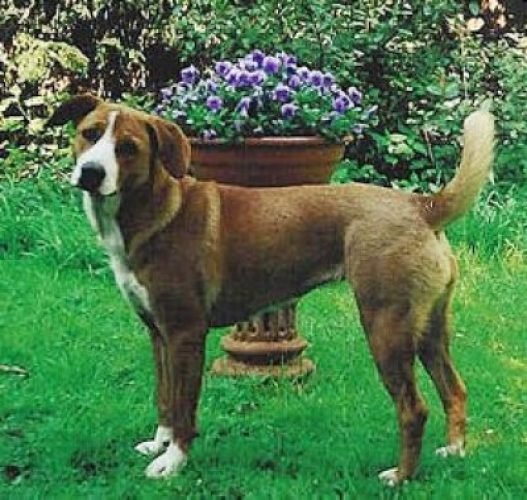
Training and socialisation are key aspects of raising a well-balanced and obedient Austrian Pinscher. Given its intelligence, energy, and a certain stubbornness and guarding instinct, the approach to training must be thoughtful and consistent.
Key Principles for Training an Austrian Pinscher:
- Start Early: Begin socialisation and basic training from the first few weeks a puppy is in your home. Introduce it to different people, sounds, places, and other animals (under control).
- Positive Reinforcement: Austrian Pinschers respond best to methods based on encouragement – praise, treats, and toys. Avoid harshness, shouting, and physical punishment, as this can lead to resistance, fear, or aggression. The “carrot and stick” approach won’t work here; the focus should be on the “carrot” in the form of play and praise.
- Consistency and Patience: Be consistent with your rules and commands. All family members should adhere to the same guidelines. Austrian Pinschers can be stubborn, so patience is extremely important.
- Short and Engaging Sessions: To keep the dog interested, training sessions should be short (10-15 minutes) and varied. Incorporate elements of play. Balls and other interactive toys can be great motivators.
- Socialisation: This is critically important. Provide the puppy with plenty of positive experiences with different people (men, women, children), other well-behaved dogs, and other animals. Attend puppy classes and walk in various places. This will help raise a confident and well-adjusted dog.
- Physical and Mental Exercise: The Austrian Pinscher needs a significant amount of physical exercise. Long walks, runs, and games of fetch or frisbee will help channel its energy constructively. Mental stimulation is just as important: puzzle toys, scent work, and dog sports (such as agility or obedience).
- Bark Control: Teach the dog a “Quiet!” or “Enough!” command. Do not encourage barking for no reason.
- Leadership: The Austrian Pinscher needs a confident and consistent owner who can establish clear rules and boundaries. The dog needs to understand who the leader of the “pack” is.
This breed is ideal for active people, athletes, and those who love to travel and spend a lot of time outdoors. Its hunting instincts also make it a capable hunter of small game, although this is less common today. If force is used during training, the Austrian Pinscher is unlikely to cooperate; however, in play, it will gladly show its best qualities.
Feeding the Austrian Pinscher: Key Recommendations
Pros and Cons of the Austrian Pinscher Breed
| Pros | Cons |
|---|---|
| Excellent Watchdog: Very vigilant, always ready to warn of danger. | Prone to Barking: Can bark a lot, which requires training and management. |
| Devoted and Loving Companion: Forms a very strong bond with its family. | Wary of Strangers: Needs thorough socialisation to avoid excessive suspicion or aggression. |
| High Intelligence and Cleverness: Learns well but can be independent. | Can be Stubborn: Requires patient and consistent training. |
| Energetic and Playful: A great partner for active people and games. | High Need for Physical Activity: Not suitable for sedentary people or for living solely in a flat without proper exercise. |
| Robust Health: the absence of described hereditary disease is not the absence of risk — breeding animals are screened all the same. | Needs an Experienced Owner: Not the best choice for novices due to its strong character. |
| Low-Maintenance Coat: Easy grooming. | Can be Dominant: Especially towards other dogs of the same sex. |
| Compact Size: Convenient for keeping in a house or, with active walks, in a spacious flat. | Hunting Instincts: May chase small animals. |
| Long-Lived: With proper care, they live for 12-15 years. | Rare Breed: It can be difficult to find a puppy from a responsible breeder. |
Interesting Facts About the Austrian Pinscher
- Farmstead Roots: The Austrian Pinscher is a true “people’s dog” that lived side-by-side with Austrian farmers for centuries, performing a variety of jobs.
- The “Saviour” of the Breed: Emil Hauck is considered the man who saved the breed from complete extinction in the early 20th century by gathering the surviving examples and starting a targeted breeding programme.
- On the Brink of Extinction: After the Second World War, the breed was once again under threat, and by the 1970s, only one officially registered breeding male remained.
- Variety of Ears: The breed standard allows for two types of ears: “button ears” (the most common) and small prick ears, similar to a bat’s.
- A “Biter” with a Good Heart: Despite a name that might hint at aggression, the Austrian Pinscher is a very devoted and loving dog with its family, though stern with strangers.
- Not Just a Pinscher: Although called a pinscher, it has many traits characteristic of farm guard dogs, and its temperament differs somewhat from other, more “urban” pinschers.
- A Vocal Alarm System: Austrian Pinschers are known for their tendency to bark, making them excellent watchdogs but a potential challenge for their owners.
- A Rare Treasure: Even today, the Austrian Pinscher remains a fairly rare breed, and finding a puppy can be difficult. Every representative of the breed is valuable for preserving its gene pool.
Frequently Asked Questions About the Austrian Pinscher (FAQ)
Is the Austrian Pinscher suitable for living in a flat?
Keeping an Austrian Pinscher in a flat is possible but comes with challenges. This breed needs significant daily physical exercise (long walks, runs, active games) and mental stimulation. If these needs are not met, the dog can become restless, destructive, and bark excessively. The ideal environment is a private house with a fenced garden. If you are considering a flat, be prepared to dedicate a lot of time to outdoor activities with your dog.
Does the Austrian Pinscher shed a lot?
Yes, the Austrian Pinscher has a double coat and does shed, especially heavily twice a year in spring and autumn when the undercoat changes. Regular brushing (1-2 times a week, and daily during shedding seasons) will help control the amount of hair in your home.
Is the Austrian Pinscher easy to train?
Austrian Pinschers are intelligent and quick-witted but can be stubborn and independent. They respond well to positive reinforcement, patience, and consistency. Harsh training methods are not effective. Early socialisation and a basic obedience course are essential. This breed is not recommended for inexperienced owners.
How does the Austrian Pinscher get along with children?
With proper socialisation and upbringing, the Austrian Pinscher can get along well with children, especially if they grow up together and the children are taught to respect the dog. However, due to its guarding instincts and reluctance to tolerate rough handling, interactions should always be supervised by an adult. It will not patiently endure having its ears or tail pulled.
Can an Austrian Pinscher live with other pets?
Living with other pets can be challenging. Austrian Pinschers can be dominant towards other dogs, especially those of the same sex. Their hunting instincts can pose a threat to small animals (cats, rodents, birds). Early and thorough socialisation is key. Introductions to other pets must be gradual and controlled. Some Pinschers can live peacefully with cats if raised together, but this is not a guarantee.
What is the lifespan of an Austrian Pinscher?
With proper care, correct nutrition, and sufficient physical activity, Austrian Pinschers typically live for 12-15 years.
Does the Austrian Pinscher bark a lot?
Yes, Austrian Pinschers are prone to barking. It’s part of their watchdog nature – they alert you to anything suspicious. It’s important to teach the dog from a young age to control its barking and respond to a “Quiet!” command.
Video About the Breed
- A watchful, devoted yard guard
- An undemanding, hardy farm dog
- Lively, clever
- Very robust “natural” health
- Wary of strangers; determined against threats
- Prone to barking
- Needs work and space — not for a flat
- A hunting instinct toward rodents
| German Pinscher | Airedale Terrier | Schnauzer (Standard) | |
|---|---|---|---|
| Height | 45–50 cm | 56–61 cm | 45–50 cm |
| Energy | 4.5 | 4 | 4 |
| Apartment | 2.5 | 2.5 | 2.5 |
| Beginners | 2.5 | 3 | 3 |
What was the Austrian Pinscher bred for?
Is the Austrian Pinscher good for a family?
How rare is the Austrian Pinscher?
FCI Standard No. 64 · Österreichischer Kynologenverband
For apartments · For kids · For beginners · Active · Smartest · Hypoallergenic · All rankings →